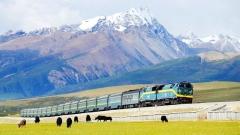

Along the 1,956-kilometer Qinghai-Tibet Railway, as trains climb through snow-covered peaks and high-altitude wilderness, they pass a legendary geographic landmark: Tanggula Railway Station.
Perched near the Tanggula Pass at an astonishing elevation of 5,068 meters (16,627 feet), this station serves as the pinnacle of the entire Qinghai-Tibet line and stands as the highest railway station anywhere on Earth.
Key Takeaways
- The Peak of World Railways: Sitting at an elevation of 5,068 meters (16,627 feet), Tanggula Railway Station officially broke the record previously held by Peru’s Andean railway, holding the Guinness-recognized title of the “Highest Railway Station in the World.”
- An Unmanned High-Altitude Marvel: Due to extreme freezing conditions and oxygen levels less than half of those at sea level, the station operates as a fully automated “unmanned” station. Signal operations and track switches are remotely managed by the Golmud Railway Dispatch Center.
- Spectacular Vistas Above the Clouds: Located near Geladandong Peak—the main summit of the Tanggula Mountains—the station is surrounded by eternal glaciers, expansive permafrost tundras, and the southern edge of the Hoh Xil Nature Reserve.
- Passenger Viewing Experience: Tanggula Station primarily functions as a train crossing and technical point. Passenger trains do not allow disembarkation here, but trains slow down as they pass, allowing passengers to take photos from oxygen-supplied carriages.
Why Is Tanggula Station the Highest in the World?
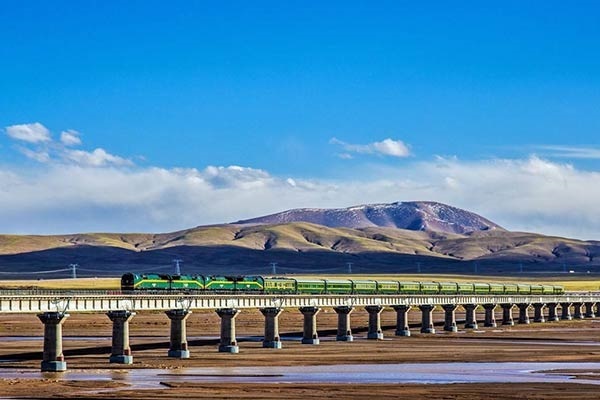
Before the opening of the Qinghai-Tibet Railway, the title of the world’s highest train station belonged to Ticlio Station on the Peruvian Central Railway (at approximately 4,829 meters). When the Qinghai-Tibet line opened in 2006, Tanggula Station set a new world record at 5,068 meters.
Crossing the Formidable Tanggula Mountain Range
The Tanggula Mountain Range forms the natural border between Qinghai Province and the Tibet Autonomous Region. In Tibetan, Tanggula means “mountains on the plateau” or “peaks where eagles cannot fly.” The railway traverses a high, relatively flat saddle within the range, placing the station directly atop this vast frozen plateau.
Built with Advanced “Unmanned” Technology
With average annual temperatures well below freezing and atmospheric oxygen at just 40% to 50% of sea-level density, the harsh climate makes long-term human habitation nearly impossible. As a result, Tanggula Station was engineered as a fully automated, unmanned station. Track switches, signal lights, and monitoring equipment are operated remotely via satellite and fiber-optic communications from the Golmud dispatch hub.
Desolate and Grand: Scenery Surrounding Tanggula Station
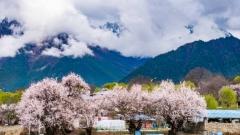
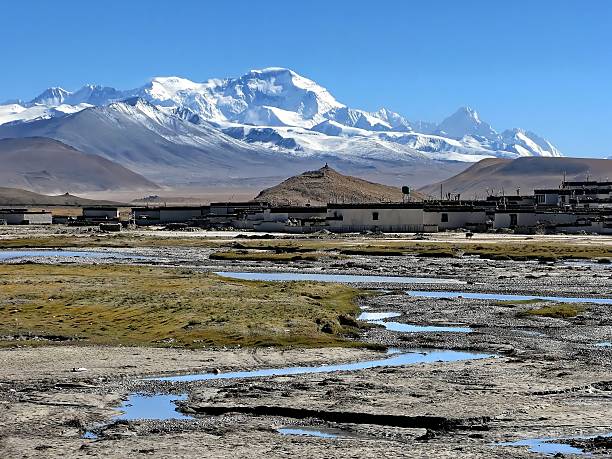
Although there are no towns or commercial areas near Tanggula Station, the surrounding landscape showcases some of the most untouched high-altitude scenery on the planet:
Glaciers and Snow-Capped Dragons
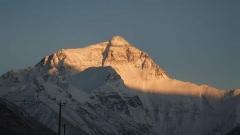
Looking out from the station, the snow peaks of the Tanggula Range appear within easy reach. Nearby lies Geladandong Peak (6,621 meters), the main summit of the range and the headwaters source region for the Yangtze River, surrounded by massive alpine glaciers.
Endless Permafrost Tundras
The station sits atop a vast layer of alpine permafrost and high-altitude meadowland. In summer, brief warmth brings a subtle touch of green to the tundra, while during the rest of the year, the landscape transforms into a dramatic expanse of snow and golden wilderness.
Wildlife Sanctuary Above the Clouds
Tanggula Station borders the southern fringe of the Hoh Xil Nature Reserve. Observant passengers looking out the train windows can often spot Tibetan antelopes, wild yaks, and Tibetan wild asses grazing near the snow-capped mountains.
Can Travelers Visit or Get Off at Tanggula Station?
For travelers planning a trip on the Qinghai-Tibet Railway, stepping onto the platform of the world’s highest station is a common question:
Train Operations: Regular passenger trains on the Qinghai-Tibet line do not board or alight passengers at Tanggula Station.
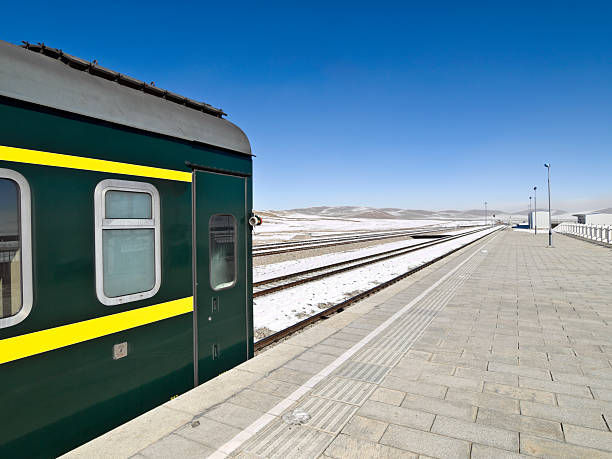
Viewing from the Train: The station features a Tibetan-style building and a dedicated viewing platform. Trains typically slow down as they approach the station, allowing passengers inside oxygenated carriages to photograph the iconic station sign, snow peaks, and monument through large viewing windows.
Overland Self-Drive Option: Travelers wishing to physically stand near the Tanggula Pass can drive along National Highway 109 (the Qinghai-Tibet Highway). The highway pass sits near the railway station and features the Tanggula Pass Monument (elevation 5,231 meters), where visitors can stop for photos.
Tips for Passing Through Tanggula Station
Prepare for Altitude Changes: Passing through the Tanggula section (around the 5,000-meter mark) is the most common time for altitude sickness symptoms to surface. Stay calm, breathe slowly, and avoid moving quickly inside the carriages.
Utilize Cabin Oxygen: Qinghai-Tibet trains continuously diffuse oxygen into carriages at high altitudes. If you feel lightheaded or short of breath, use the individual oxygen outlets located beside your seat or sleeper berth.
Have Your Camera Ready: Trains pass through the station relatively quickly. Have your camera or smartphone prepped with the focus set through the window to capture the station sign and snow-capped peaks in time.