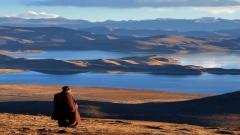

On the ultimate bucket list of seasoned travelers, Tibet is often called “the Roof of the World.” But within Tibet itself, the legendary Ngari No-Man’s Land (primarily referencing the Changtang National Nature Reserve and the wild expanses of the Ngari Middle-Northern Route) is regarded as the “Tibet of Tibet”—the most remote, mysterious, and spiritually stirring landscape on our planet.
Averaging an altitude of over 4,500 meters (14,700 feet), this vast territory has no paved highways, no cell service, and absolutely no trace of urban civilization. Here, you are left with nothing but endless gravel plains, surreal multi-colored lakes, roaming herds of rare wildlife, and a night sky so thick with stars and the Milky Way that it feels close enough to touch.
Why does this harsh, desolate wilderness exert such a magnetic pull on the world’s most daring adventurers? Let’s pull back the veil on Earth’s last grand frontier.
Why is Ngari No-Man’s Land a Holy Grail for Adventurers?
For those who seek the extraordinary, Ngari No-Man’s Land offers a pure, raw beauty that cannot be replicated anywhere else:
-
Absolute Solitude & Pure Freedom: In the heart of the wilderness, the world falls so silent that you can hear your own heartbeat. Driving across hundreds of kilometers of uninhabited land creates a profound, humbling connection between human and nature.
-
The Endless Parade of “Tso” (Lakes): In Tibetan, “Tso” means lake. Dotting this high-altitude desert are countless pristine lakes. Free from any human pollution or development, these waters glisten under the intense plateau sun in shifting shades of emerald green, Tiffany blue, and deep navy.
-
A Sanctuary for Rare Wildlife: This is one of the grandest wildlife havens on Earth outside of Africa. As you traverse the open plains, you will regularly cross paths with herds of graceful Tibetan antelopes (Chiru), curious Kiang (Tibetan wild asses), massive wild yaks, and elusive Tibetan sand foxes.
Highlights of the Ngari Wilderness & Northern Route
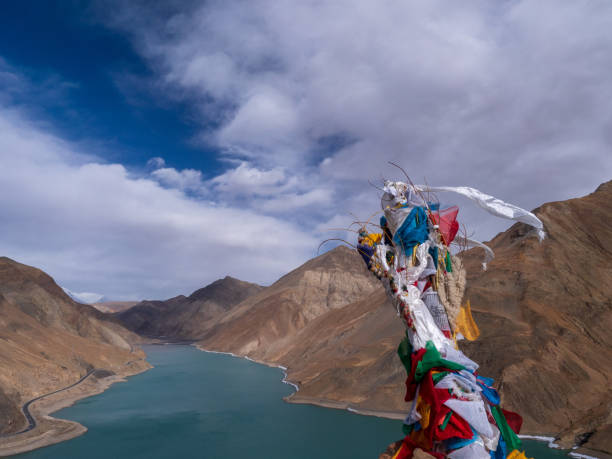
To truly experience this wilderness, travelers embark on the legendary “Ngari Middle-Northern Route” skirting the edges of the Changtang Reserve. The terrain is rugged, raw, and feels remarkably like driving across the surface of another planet.
1. Zhari Namco — The “King of Blue Sapphires” in the Desert
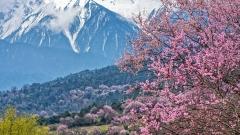
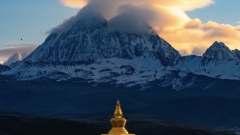
As the third-largest lake in Tibet, Zhari Namco (4,600m / 15,100ft) sits peacefully along the southern fringe of the Changtang Wilderness. With no commercial facilities in sight, the only way here is following old tire tracks through the dirt. When you climb the rocky lookout hill, the vast, intensely blue lake stretches out like a giant silk ribbon beneath the snow-capped peak of Mount Shagangjiang, presenting a jaw-dropping panoramic view.
2. Tangra Yumco & Wenbu South Village — Sacred Bon Lake and the Cliffside Hideaway
Tangra Yumco is the holiest lake of Bon, Tibet’s ancient, indigenous pre-Buddhist religion. This deep, mysterious lake is famous for its mesmerizing, multi-layered shades of sapphire blue. Perched on a cliffside directly overlooking the water sits Wenbu South Village. Virtually untouched by the modern world, local Tibetan villagers here still live a traditional pastoral life under the gaze of the sacred Mount Dago, making it the true “Shangri-La of the Wild.”
3.Serling Tso— The Rapidly Growing “Demon Lake”
Serling Tso is currently the largest lake in Tibet. Translated from Tibetan as “The Demon Lake of Radiant Light,” it is steeped in ancient legends of Guru Rinpoche subduing demons. The water here is an almost unnaturally brilliant, haunting turquoise. Driving along its endless, empty shoreline feels like navigating a scenic route right at the edge of the world.
4. Xiayi Valley — The Hidden “Martian” Clay Forests
Unlike the uniform sandy-brown clay forests found around Zada, the Xiayi Valley Clay Forest on the edge of the wilderness is incredibly colorful. Over centuries of wind erosion, layers of yellow, white, red, and silver clay have been sculpted into towering castles and natural pagodas. At sunset, the entire canyon seems to catch fire, glowing in vibrant, alien hues.
Guide for Venturing into the No-Man’s Land
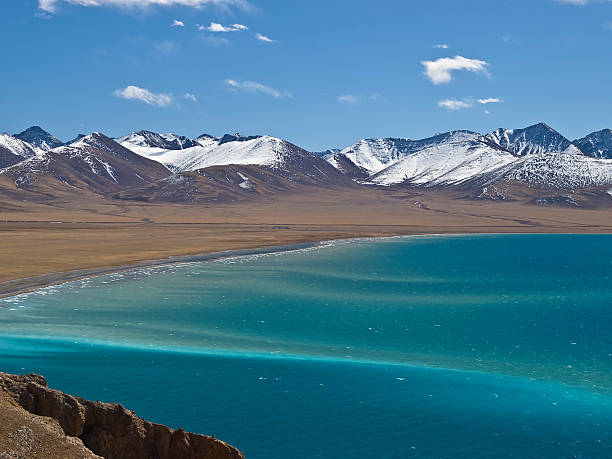
While Ngari No-Man’s Land is unbelievably beautiful, it is also a place of extreme high altitudes, unpredictable weather, and zero infrastructure. Preparing for this trip requires immense respect, planning, and resilience:
-
Travel with a Professional Crew and 4WD: There are virtually no paved roads in this region—only washboard dirt tracks, loose sand, and river crossings. It is extremely easy to get lost or stuck. It is mandatory to travel in a high-performance 4WD vehicle and hire an experienced local Tibetan driver who knows the terrain, water sources, and emergency shelters by heart.
-
Supplies are Your Lifeline: Before entering the wilderness, you must stock up on plenty of drinking water, high-calorie food (beef jerky, chocolate), cold-weather gear, heavy sleeping bags, and emergency medication. Vehicles must also carry spare fuel canisters.
-
Respect the Wildlife & Leave No Trace: The Changtang Wilderness is a fragile ecosystem and home to endangered species. When observing animals like the Tibetan antelope, always maintain a respectful distance. Chasing or harassing wildlife with vehicles is strictly forbidden. Always carry all trash back out with you.
Ngari No-Man’s Land is not a destination for the casual tourist. It demands courage, physical preparation, and deep humility. But when you finally stand beside a silent, deep-blue lake at the edge of the earth, watching Tibetan antelopes run beneath the snow mountains, you will realize that every bumpy road and altitude challenge was a small price to pay. It is the ultimate wilderness, and the final home for the adventurous soul.