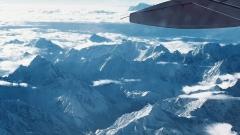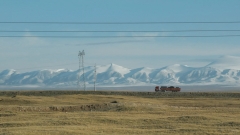

August is the heart of summer in Tibet and one of the busiest months for travel. Although the monsoon brings more frequent rain, temperatures remain comfortable in most destinations, and many showers arrive in the evening or at night. From green alpine meadows and blooming flowers to vibrant Tibetan festivals, August offers a very different side of the plateau. With the right itinerary and preparation, it can be an excellent month for exploring Tibet.
Key Takeaways
- August is warm but wet: Average temperatures across Tibet range from 9°C to 22°C, with about 89 mm of precipitation and high humidity.
- Rain does not mean constant bad weather: In many lower-altitude areas, showers are concentrated in the late afternoon, evening, or overnight, leaving useful sightseeing time during the day.
- The scenery is at its greenest: Summer rain transforms valleys, grasslands, forests, and lakesides into lush landscapes, making August particularly attractive for Nyingchi, Namtso, Yamdrok Lake, and other natural areas.
- Choose destinations carefully: Lhasa, Nyingchi, Shannan, and Mount Kailash can be rewarding in August, while cloudy conditions around Everest Base Camp can make guaranteed mountain views more difficult.
What Is Tibet Weather Like in August?
August is the wettest month of the year in many parts of Tibet, but it is also one of the warmest and most popular periods for visiting the plateau. The average temperature across Tibet is around 16°C, with typical minimum and maximum temperatures of approximately 9°C and 22°C.
The monsoon affects different parts of Tibet differently. Lower-altitude areas, particularly Nyingchi and southern Tibet, receive considerably more rainfall than the high, dry regions of western Tibet. In Lhasa and Shigatse, rain often falls later in the day or during the night, so a rainy forecast does not necessarily mean that an entire day will be lost to bad weather.
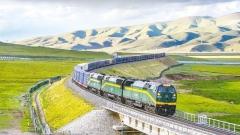
The combination of rain and warm temperatures creates a dramatic transformation in the landscape. Grasslands become deep green, alpine flowers bloom, rivers carry more water, and lakes contrast beautifully with surrounding mountains. For photographers and travelers interested in natural scenery, August can therefore be surprisingly rewarding.
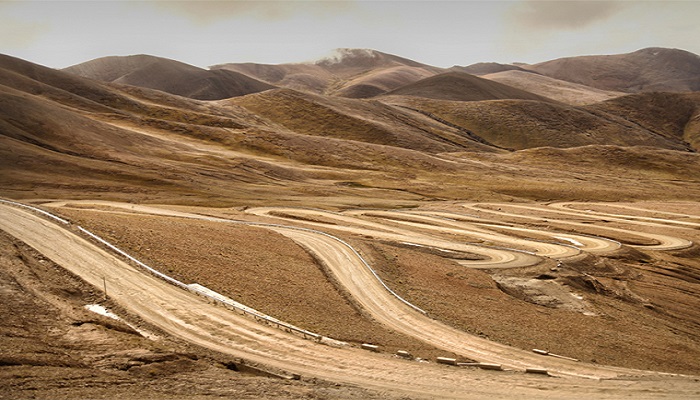
However, rainfall can also affect road conditions. In mountainous and remote areas, heavy rain may occasionally trigger landslides, mudslides, or temporary road closures. Travelers heading toward remote destinations should therefore allow some flexibility in their schedules.
August Climate at a Glance
Tibet’s average August conditions include a minimum temperature of around 9°C, a maximum of about 22°C, and an overall average temperature of approximately 16°C. Average precipitation is around 89 mm, with roughly 10 wet days during the month and relative humidity of about 72%.
Because Tibet covers a huge area with major differences in elevation, these figures should be regarded as general regional averages rather than a forecast for every destination.
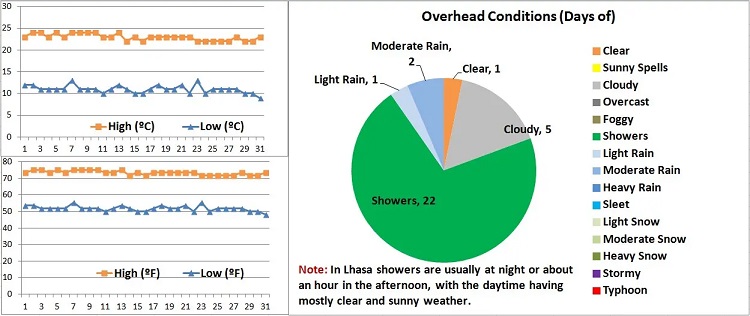
Tibet Weather in August
Tibet Weather in August by Destination
Weather conditions can change dramatically from one part of Tibet to another. A warm afternoon in Lhasa can feel very different from a cold, windy evening at Namtso or a rainy day in Nyingchi.
Lhasa Weather in August
Lhasa is warmest during the summer months, and August typically sees temperatures between 10°C and 21°C. It is also one of the wetter periods of the year, with average precipitation of around 132 mm.
The good news for visitors is that rainfall often occurs during the evening or overnight. This means that many days still provide plenty of opportunities for sightseeing.
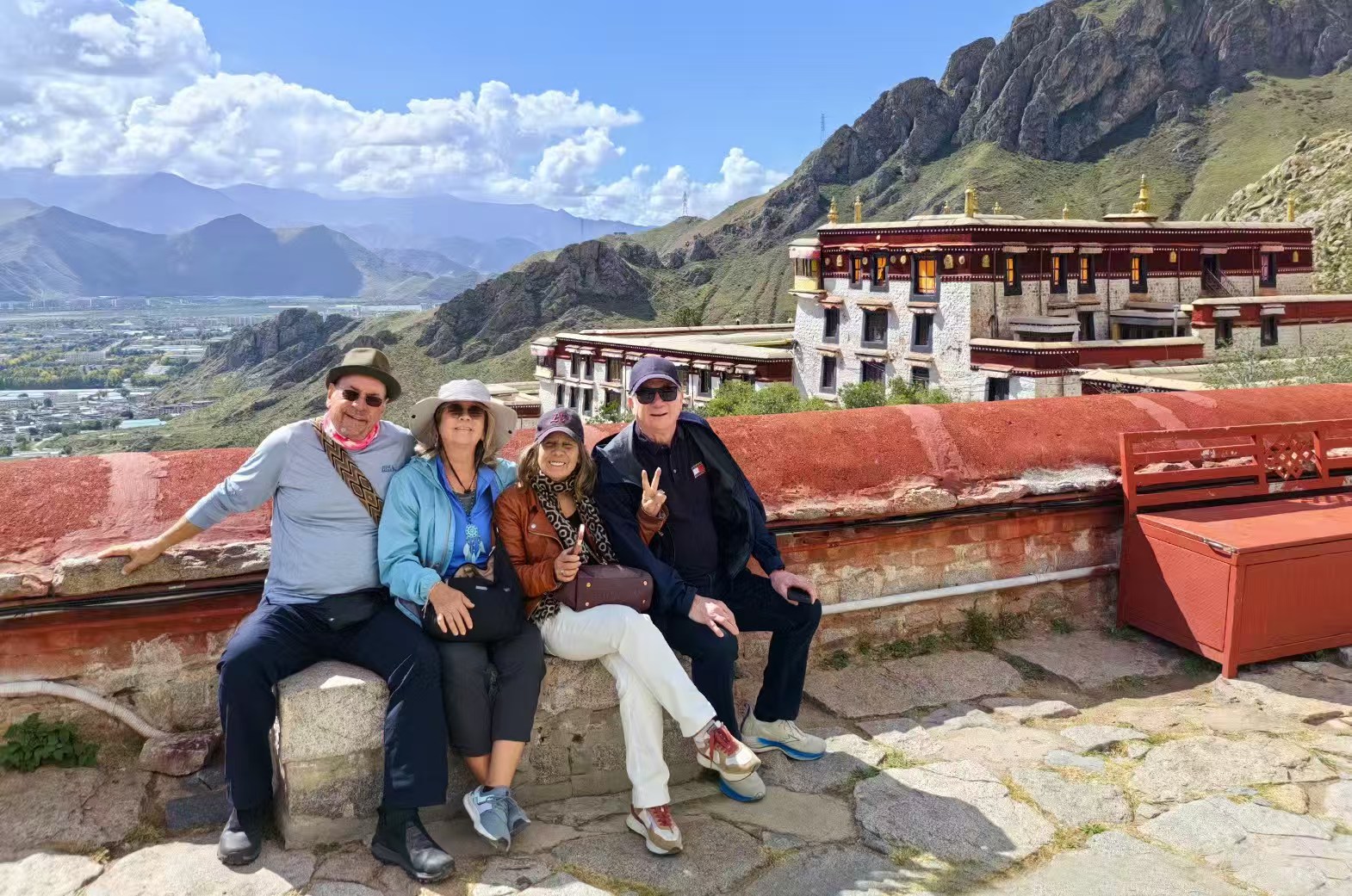
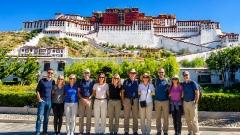
August is an excellent month for exploring Lhasa’s cultural attractions, including the Potala Palace, Jokhang Temple, Sera Monastery, Drepung Monastery, and Barkhor Street. The summer atmosphere is lively, and you will see a mixture of local residents, pilgrims, and travelers around the city’s major religious sites.
The biggest challenge is the intense plateau sunshine. Even when temperatures feel moderate, UV exposure is extremely strong at this elevation. Sunscreen, sunglasses, and a sun hat should be part of your everyday travel gear.
Namtso Lake Weather in August
Namtso is considerably cooler than Lhasa because of its high elevation. August temperatures generally range from around 3°C to 14°C, with average precipitation of approximately 87 mm.
Despite being part of the rainy season, August is one of the best months to see Namtso without the extensive ice that covers the lake during winter. The surrounding grasslands are at their summer peak, with green meadows and colorful alpine flowers creating a striking contrast with the deep blue water.
The weather can change quickly around the lake, and strong winds may make it feel much colder than the thermometer suggests. It is therefore important to carry a warm outer layer even when leaving Lhasa in summer.
Yamdrok Lake Weather in August
Yamdrok Lake generally experiences temperatures of around 9°C to 17°C in August, with average precipitation of approximately 88 mm.
Summer rainfall gives the surrounding hills a fresh green appearance, while yaks and sheep can often be seen grazing across the open meadows. The combination of turquoise water, green slopes, snow-covered mountains, and nomadic landscapes creates a very different atmosphere from the dry winter scenery.
Yamdrok Lake is relatively close to Lhasa, making it easy to incorporate into a classic Tibet itinerary. Even if clouds appear over the mountains, the changing light can produce dramatic scenery around the lake.
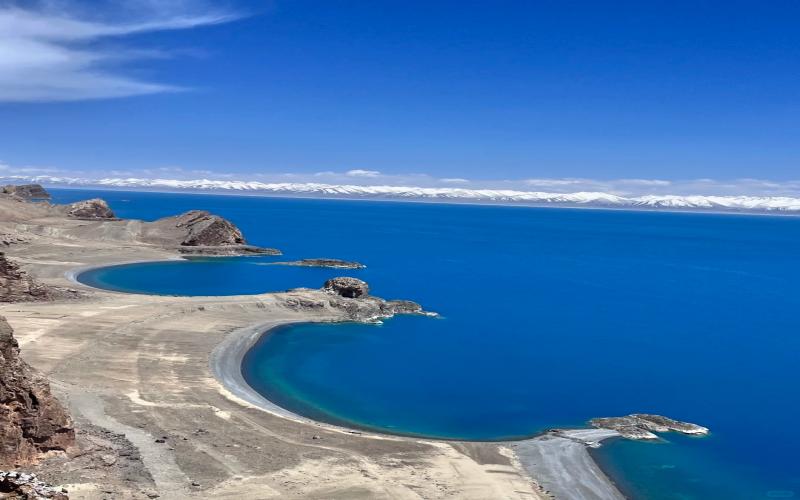
Yamdrok Lake
Gyantse Weather in August
Gyantse is relatively warm in August, with temperatures generally ranging from 9°C to 18°C. The region receives more rainfall during the summer monsoon, which turns the surrounding valleys noticeably greener.
The wetter conditions do not necessarily prevent sightseeing, but travelers should expect occasional showers and changing road conditions.
Gyantse is particularly worthwhile for travelers interested in Tibetan history and architecture. Palcho Monastery and the famous Gyantse Kumbum are among the highlights, and the combination of colorful religious architecture, green valleys, and dramatic mountain scenery makes summer photography especially attractive.
Shigatse Weather in August
August is the wettest month in Shigatse, with temperatures generally around 9°C to 20°C and average precipitation of approximately 146 mm.
Despite the rainfall, summer remains a popular time to visit because temperatures are comfortable and the landscape surrounding the city becomes greener.
One of the main attractions is Tashilhunpo Monastery, the traditional seat of the Panchen Lamas. August is a good time to combine Shigatse’s cultural attractions with an overland journey toward Everest Base Camp or other destinations in southern Tibet.
Everest Base Camp Weather in August
Everest Base Camp presents a different story. Although temperatures can reach around 22°C during the warmest part of the day in the broader EBC region, the area is strongly affected by the summer monsoon. Average temperatures are around 5°C to 22°C, with precipitation reaching approximately 240 mm.
The biggest concern is not necessarily the temperature but visibility. Moisture and clouds can frequently gather around Mount Everest, sometimes completely hiding the summit.
This means August is not the best month if your primary goal is to obtain a guaranteed panoramic view of Everest. However, conditions vary from day to day, and clear periods can still occur.
For travelers who do visit EBC in August, it is important to maintain realistic expectations and allow some flexibility in the itinerary. Road conditions should also be monitored because heavy rain can occasionally affect mountain routes.
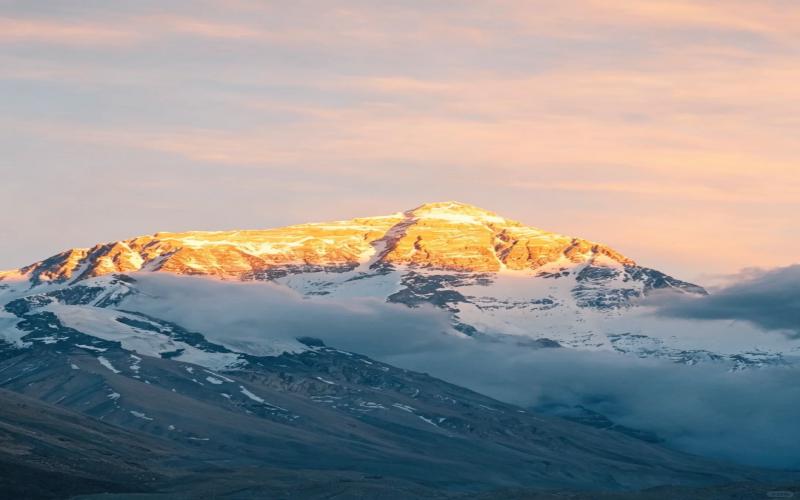
Everest Base Camp
Mount Kailash Weather in August
Mount Kailash is much more suitable for summer travel than it is during the freezing winter months. August temperatures generally range from approximately 6°C to 23°C, while rainfall averages around 190 mm.
The relatively warm temperatures make the Mount Kailash Kora possible, but rain can make sections of the trekking route muddy and slippery. Weather conditions can change quickly in the high mountains, so appropriate footwear and waterproof layers are important.
For pilgrims and trekkers, August provides the opportunity to experience the sacred mountain surrounded by summer landscapes. However, the Kora is a demanding high-altitude journey, and travelers should be properly acclimatized before beginning the trek.
Nyingchi Weather in August
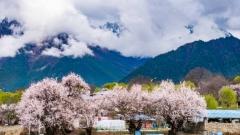
Nyingchi is one of the most visually impressive destinations in Tibet during August. Temperatures generally range from 11°C to 23°C, with around 115 mm of rainfall.
The summer rain keeps the region exceptionally green. In the Lulang Forest area, alpine flowers such as primroses, irises, and gentians add splashes of color to the meadows.
Unlike the dry landscapes often associated with Tibet, Nyingchi can look almost alpine-European in August. Forests, grasslands, rivers, flowers, and snow-covered mountains combine to create some of the most colorful scenery on the plateau.
For travelers who prioritize natural landscapes over historical sites, August can be an especially attractive time to explore Nyingchi.
Shannan Weather in August
Shannan, also known as Lhokha, generally experiences temperatures of around 10°C to 22°C in August, with approximately 109 mm of rainfall.
Although August is the wettest month of the year, Shannan can remain relatively manageable because surrounding mountains reduce some of the moisture reaching the region.
The warmer conditions make summer a suitable time for outdoor activities and cultural exploration. Historical attractions such as Yungbulakang Palace and Samye Monastery can be combined with journeys along the Yarlung Tsangpo River and the surrounding valleys.
Is August a Good Time to Visit Tibet?
Yes, August can be an excellent time to visit Tibet, but it depends on what you want to see.
For travelers who prefer warm temperatures, green landscapes, alpine flowers, and lively summer culture, August is one of the most attractive months of the year.
The main disadvantage is rainfall. If your dream trip depends on seeing Mount Everest under perfectly clear skies every day, August carries more uncertainty than the drier months.
On the other hand, if you are interested in Lhasa’s monasteries, Tibetan culture, Nyingchi’s forests and flowers, Yamdrok Lake, Mount Kailash, or summer landscapes, the rainy season does not necessarily prevent you from having an excellent trip.
Another advantage is that rainfall often follows a recognizable pattern. In many areas, the heaviest showers occur later in the day or at night, meaning mornings can still be very productive for sightseeing.
What Are the Best Places to Visit in Tibet in August?
Your choice of destination should depend on your interests.
For Tibetan culture: Lhasa, Shigatse, Gyantse, and Shannan are excellent choices. Their monasteries, palaces, temples, and historic sites can be visited throughout the summer.
For green landscapes and flowers: Nyingchi is one of the strongest choices. Lulang Forest, alpine meadows, and surrounding mountain scenery are especially attractive during the rainy season.
For alpine lakes: Namtso and Yamdrok Lake offer vibrant summer colors, although conditions can be windy or cloudy.
For trekking: Mount Kailash can be visited in August, although rainfall may make parts of the Kora more difficult.
For Everest: EBC remains accessible in many cases, but August is not the most reliable month for clear summit views because of monsoon clouds.
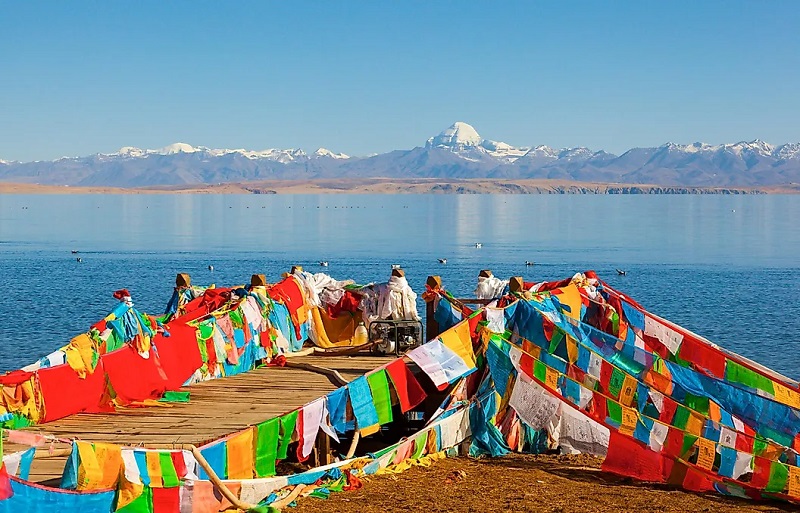
Lake Mansarovar and Mount Kailash
Tibetan Festivals in August
August is also an interesting month for experiencing Tibetan culture because several important traditional events may take place according to the Tibetan calendar.
Shoton Festival
The Shoton Festival is one of the most famous cultural celebrations in Tibet. Although it is often translated as the “Yogurt Festival,” its origins are closely connected with the end of the monks’ traditional summer retreat.
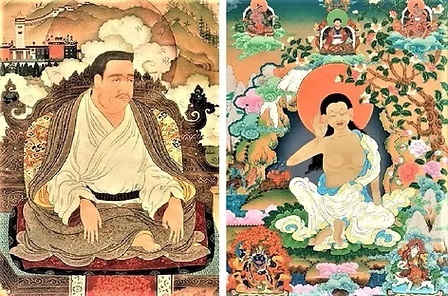
Today, the festival features major cultural and religious activities, including large-scale thangka unveilings and performances of Tibetan opera. Lhasa becomes especially lively during the celebration, making it a fascinating period for visitors interested in Tibetan traditions.
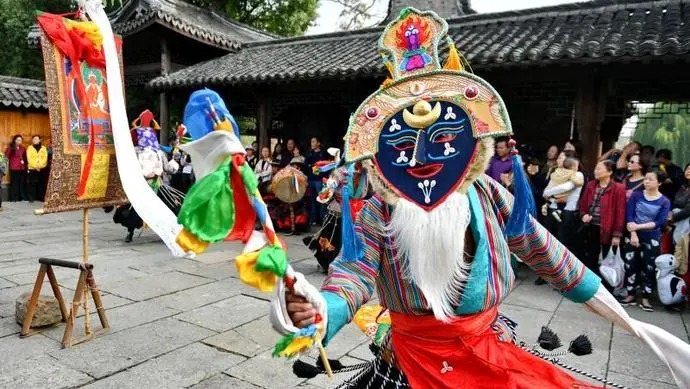
Shoton Festival Tibetan Opera
Ganden Thangka Unveiling Ceremony
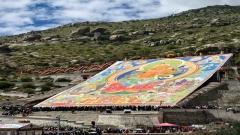
The Ganden Thangka Unveiling Ceremony is another significant religious event that may fall in August. A huge thangka is displayed on the monastery’s thangka wall, attracting large numbers of pilgrims and Buddhist devotees.
For visitors, such events provide an opportunity to observe Tibetan religious traditions in their living cultural context. Travelers should always remain respectful around religious ceremonies, avoid interrupting rituals, and follow local instructions.
Festival dates vary according to the Tibetan lunar calendar, so check the exact dates before planning your itinerary around a particular event.
What Should You Wear in Tibet in August?
August is warm enough that you do not need to pack a heavy winter wardrobe for most of Tibet, but you should still prepare for sudden changes in weather.
Light, breathable clothing works well during the daytime. A long-sleeved shirt is particularly useful because it provides protection from the intense sunlight as well as from cooler temperatures.
A light fleece, sweater, or jacket is recommended for mornings, evenings, and higher-altitude destinations. If you are traveling to Everest Base Camp or Mount Kailash, bring a warmer jacket because temperatures can fall quickly after sunset.
A waterproof rain jacket is also essential in August. It is more practical than relying on an umbrella, especially when traveling in windy or mountainous areas.
For footwear, comfortable walking shoes are sufficient for most city sightseeing. Waterproof hiking shoes or boots are preferable for trekking and for remote areas where rain can make paths muddy.
Most importantly, remember your sunscreen, sunglasses, and sun hat. Tibet’s high elevation means that UV radiation can be intense even when clouds or cool temperatures make the sun feel less powerful.
What to Pack for Tibet in August
A practical August packing list should include lightweight daytime clothing, a warm mid-layer, a waterproof jacket, comfortable walking shoes, and waterproof footwear for outdoor activities.
You should also pack high-SPF sunscreen, UV-protection sunglasses, a wide-brimmed hat, moisturizer, lip balm, and a reusable water bottle.
For travelers visiting remote areas, carrying a small daypack with an extra layer and rain protection is useful because weather can change quickly.
If your itinerary includes trekking, add proper hiking socks, waterproof trousers, and suitable hiking footwear. For Mount Kailash in particular, preparation should focus on both rain protection and high-altitude trekking requirements.
Travel Conditions and Costs in August
August is the peak summer travel season in Tibet, so tourist numbers are significantly higher than during the winter and early spring months.
Popular attractions such as the Potala Palace, Jokhang Temple, Yamdrok Lake, and Tashilhunpo Monastery can become busy, particularly around holidays and popular travel dates.
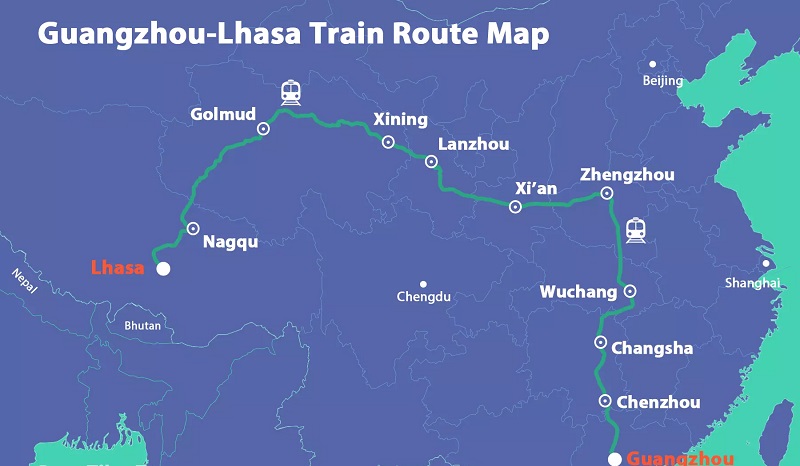
Accommodation and transportation are also more competitive during this period. Travelers who have fixed dates should arrange hotels, train tickets, flights, and Tibet travel services in advance.
The monsoon adds another consideration. Heavy rainfall can occasionally affect roads in mountainous regions, so an itinerary with some flexibility is preferable to a schedule that leaves no room for delays.
Is August Suitable for an Everest Base Camp Tour?
August is possible, but it is not ideal for travelers whose top priority is a consistently clear view of Mount Everest.
The monsoon can bring clouds around the summit, and rainfall in the EBC region is considerably higher than in many other parts of Tibet. You may still encounter beautiful clear periods, but they cannot be guaranteed.
If you mainly want to experience the Himalayan environment, visit Rongbuk Monastery, and stand near the world’s highest mountain, August can still be worthwhile.
If your primary goal is photography and maximizing the probability of a crystal-clear Everest summit, the drier months generally offer more favorable conditions.
Is August Suitable for Mount Kailash?
Yes. Unlike winter, when severe cold and snow can make the region inaccessible, August falls within the main travel period for Mount Kailash.
The biggest issue is rainfall rather than extreme cold. Wet conditions can make sections of the Kora slippery, so good hiking footwear and appropriate rain protection are essential.
Because the Kailash Kora takes place at very high altitude, travelers should spend enough time acclimatizing before beginning the trek. A carefully planned itinerary is particularly important for international visitors who are unfamiliar with high-altitude environments.
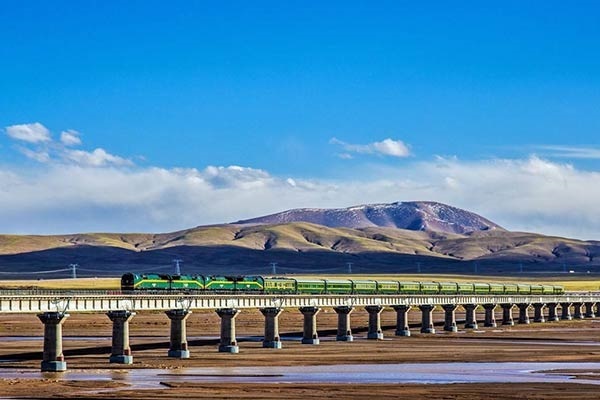
How To Travel Tibet Comfortably in August
The key to a successful August trip is not trying to avoid the rain completely. Instead, build your itinerary around Tibet’s weather patterns.
Plan major outdoor sightseeing activities earlier in the day whenever possible, keep a rain jacket accessible, and leave some flexibility for road conditions in remote areas.
It is also wise to avoid packing your itinerary too tightly. A weather-related delay of several hours can have a much bigger impact when every day has been scheduled down to the minute.
For international travelers, working with an experienced local operator can make the journey considerably easier. Tibet Yulong Travel provides private and small-group Tibet tours for international visitors, with itineraries covering destinations such as Lhasa, Nyingchi, Shigatse, Yamdrok Lake, Everest Base Camp, and Mount Kailash. A local travel team can also adjust routes when weather or road conditions change.
Final Thoughts on Tibet Weather in August
Tibet in August is warm, green, lively, and undeniably wetter than the rest of the year. The monsoon can create challenges, particularly in remote mountain areas and around Everest, but it also brings the plateau to life with lush grasslands, blooming flowers, flowing rivers, and dramatic skies.
For first-time international visitors, August is particularly suitable if you want a combination of Tibetan culture, natural scenery, comfortable temperatures, and summer festivals. Lhasa and Shigatse are excellent for cultural exploration, Nyingchi is ideal for lush landscapes, Mount Kailash is suitable for summer trekking, and Everest remains an option for travelers prepared for variable visibility.
With sensible packing, a flexible schedule, and an itinerary designed around local weather conditions, August can reveal one of the most colorful and vibrant versions of Tibet.