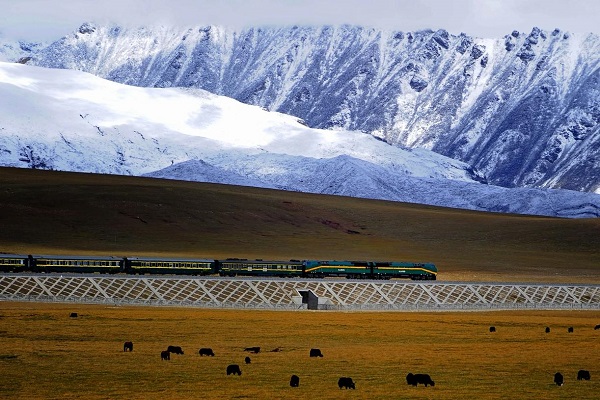

Nestled in the holy city of Lhasa, the core birthplace and inheritance hub of Tibetan traditional culture, Tibet thangka painting workshop Lhasa stands as a vital carrier of intangible cultural heritage. As a classic representative of Tibetan traditional painting art, Thangka boasts a history of more than 1,300 years. It integrates religion, history, art, and folk customs, and is honored as the “living encyclopedia of Tibet”. Professional thangka painting workshops in Lhasa adhere to ancient craftsmanship, inherit orthodox painting schools, and dedicate themselves to the inheritance, creation, teaching, and cultural dissemination of authentic Tibetan thangka art. They are the best places for art lovers, cultural tourists, and collectors to appreciate, learn, and customize high-quality Tibetan thangka works.
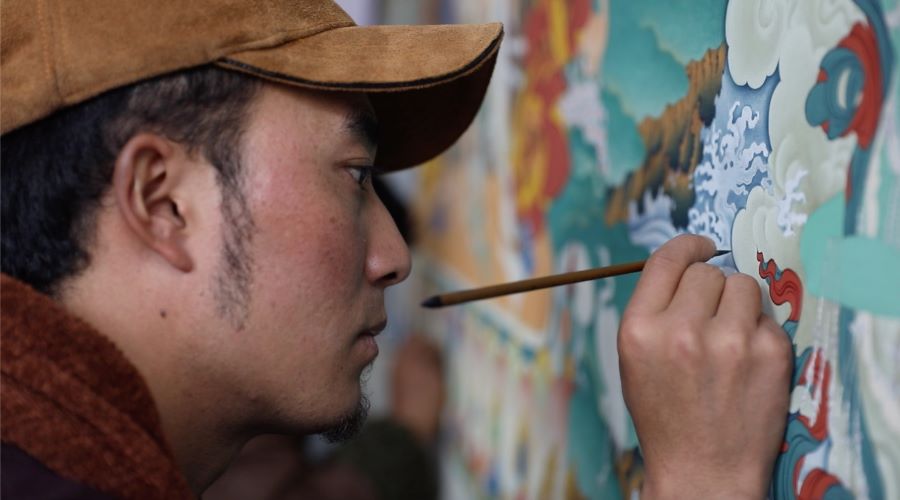
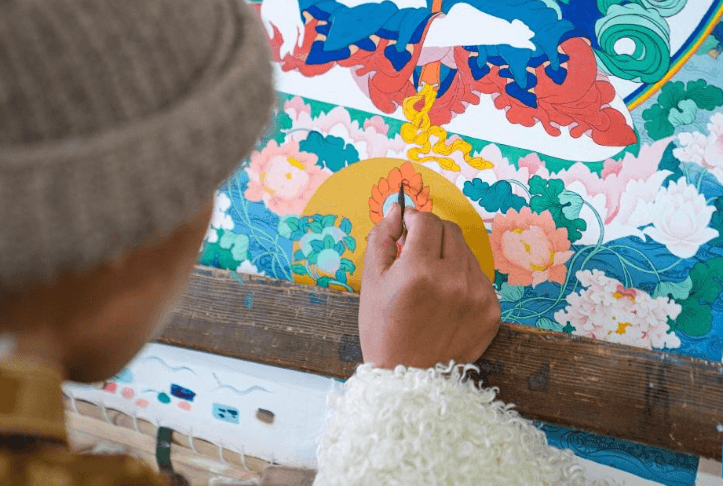
A Tibetan man learns wall painting at a training school in Lhasa
Lhasa, as the political, cultural, and artistic center of Tibet, has gathered the most outstanding thangka painters and inheritance studios in the entire Tibet region. Different from ordinary art studios, professionalLhasa thangka painting workshops strictly follow the traditional Tibetan thangka production norms, inherit classic painting schools such as Menri, Mensa, and Karma Gadri, and retain the most authentic artistic charm of Tibetan thangka. Every thangka created in Lhasa’s professional workshops is hand-painted by senior inheritors, with rigorous procedures, exquisite techniques, and profound cultural connotations, which fully reflects the highest artistic level of modern Tibetan thangka art inheritance.
Unique Craft Advantages of Lhasa Thangka Painting Workshops
The reason why Tibet thangka painting workshop Lhasa works are widely recognized by collectors and art enthusiasts around the world lies in its adherence to pure handmade ancient craftsmanship and strict material selection standards. A qualified authentic Tibetan thangka requires dozens of complex processes from material handling, draft sketching, color mixing, pigment application, line tracing, gold filling to final eye-opening and mounting, and the production cycle ranges from several months to several years, which is extremely time-consuming and labor-intensive.
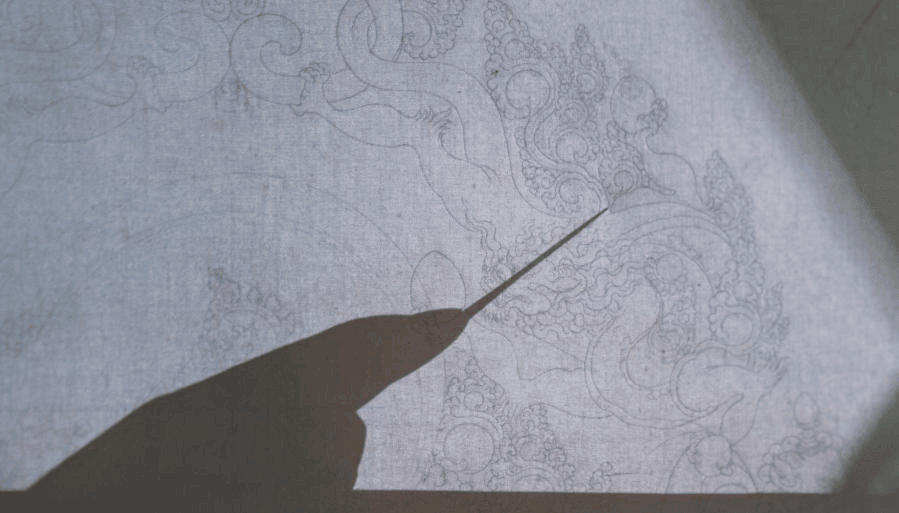
In terms of material selection, Lhasa professional thangka workshops completely abandon industrial chemical pigments and follow the ancient Tibetan tradition of using natural mineral and plant pigments. Precious raw materials such as malachite, lapis lazuli, cinnabar, realgar, and saffron are finely ground into pigments. These natural pigments have the characteristics of bright color, strong adhesion, and never fading for thousands of years, which ensures the permanent artistic value of thangka works. At the same time, the workshop strictly processes the thangka canvas: using high-quality cotton and linen cloth, repeatedly brushing with traditional white glue made of kaolin and ox bone glue, and polishing with smooth stones for many times to make the canvas flat, delicate and textured, laying a solid foundation for fine painting creation.
In terms of painting techniques, Lhasa thangka workshops inherit the fine characteristics of major traditional painting schools. The Mensa school, popular in Lhasa, features smooth lines, natural color gradients, rigorous composition, and vivid character modeling, which is elegant and solemn. The Karma Gadri school focuses on delicate line carving and layered color rendering, with strong three-dimensional sense and rich picture layers. Some characteristic workshops also inherit the unique Tibet embroiders thangka craftsmanship, combining stacking, pasting, embroidery and inlaying techniques, using high-quality silk, satin, gold and silver threads to create three-dimensional thangka works, which are different from pure hand-painted thangkas and have a unique artistic charm.
Every painter in the Lhasa thangka painting workshop has received long-term apprenticeship training and systematic professional learning. They abide by the ancient inheritance rules of thangka art, maintain a devout attitude during creation, and integrate religious beliefs and cultural perceptions into every stroke. Whether it is the proportion of Buddha statues, the layout of landscape patterns, or the matching of traditional colors, they strictly follow the ancient classics, ensuring the standardization and authenticity of thangka art inheritance.
Diverse Creation Themes of Lhasa Thangka Works
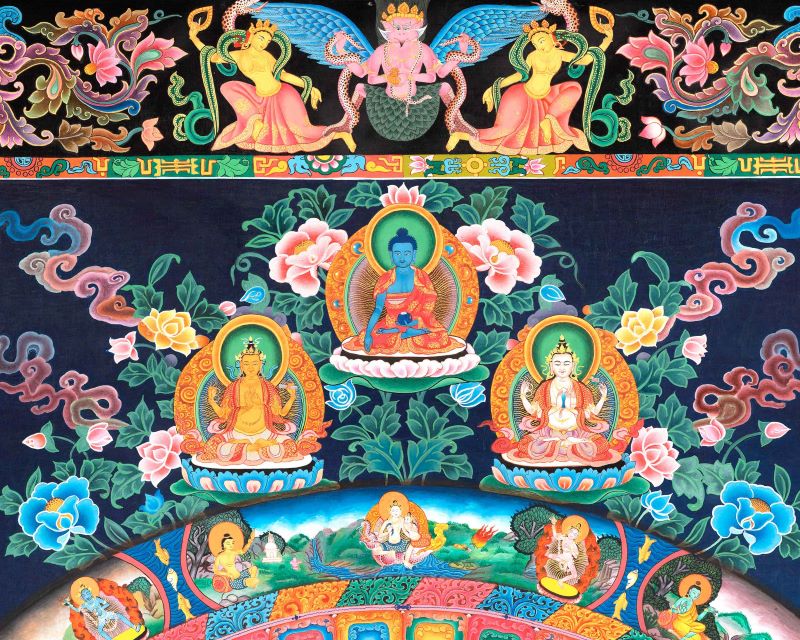
Tibet thangka painting workshop Lhasa covers a comprehensive range of creation themes, covering religious culture, historical legends, natural landscapes, folk customs and other fields, which can meet the diverse needs of collection, worship, home decoration, cultural gifts and art research. Traditional religious themes are the core creation content of Lhasa thangkas, including Sakyamuni Buddha, Guanyin Bodhisattva, Manjushri Bodhisattva, Vajra Protector, Tibetan Buddhist patriarchs and other Buddha statue portraits, as well as classic Buddhist story scenes such as the Eight Auspicious Symbols and the Pure Land Realm.
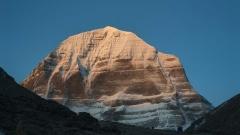
In addition to traditional religious themes, local thangka workshops in Lhasa continue to expand creation content based on inheritance and innovation. Many painters take Tibet’s characteristic natural landscapes such as Mount Everest, Lake Yamdrok, and Mount Gang Rinpoche as creation themes, integrating snow plateau scenery with traditional thangka painting techniques. At the same time, they also depict Tibetan folk customs such as Tibetan festivals, pastoral life, and folk rituals, making thangka art more close to life and rich in earthly charm. Some innovative workshops also launch small portable thangka works such as filigree thangkas and mini decorative thangkas, which are convenient for daily collection and carrying, opening up a new trend of modern thangka art inheritance.
Whether it is large-scale high-standard ceremonial thangkas used in temples and important ceremonies, medium-sized decorative thangkas suitable for home and studio decoration, or small customized thangka art gifts, Lhasa thangka painting workshop can provide professional customized creation services. Each work is unique without batch mechanized production, and every stroke contains the painter’s ingenuity, which has high artistic appreciation value and collection appreciation potential.
Core Value of Lhasa Thangka Workshop: Inheritance and Live Dissemination of Intangible Cultural Heritage
As a centralized inheritance base of Tibetan thangka art, Tibet thangka painting workshop Lhasa undertakes the important mission of inheriting intangible cultural heritage and spreading Tibetan traditional culture. For hundreds of years, Lhasa thangka art has adhered to the traditional master-apprentice inheritance model. Senior intangible cultural heritage inheritors teach young painters hand in hand, passing down ancient painting techniques, color matching experience and cultural connotation from generation to generation, so that the millennium thangka craftsmanship can be completely preserved and continued.
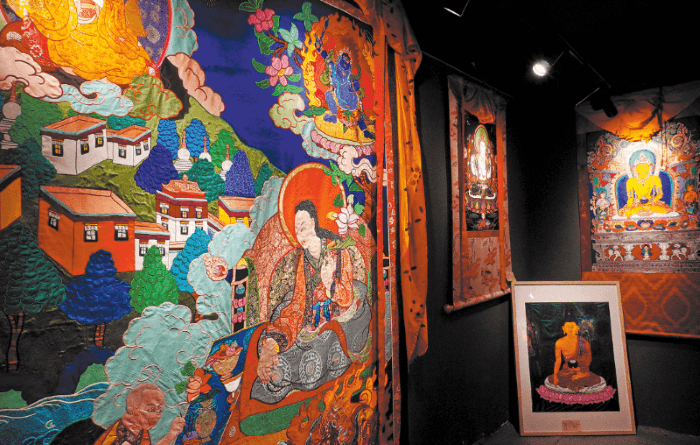
Embroidery thangka works by Pasang Dekyi and her team
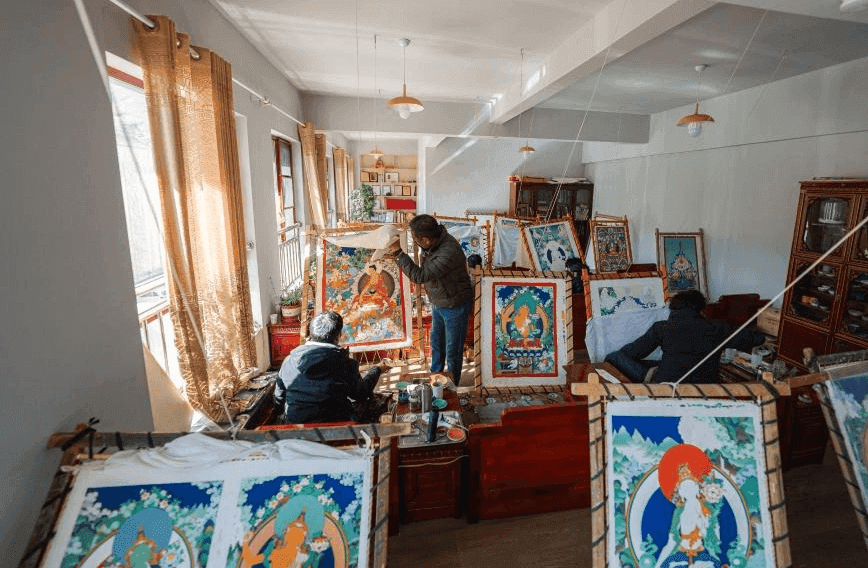
In the context of modern cultural integration, Lhasa thangka painting workshops have realized the “living inheritance” of thangka art through innovative modes. On the basis of retaining orthodox craftsmanship, the workshop breaks the single inheritance mode of the past. It not only provides professional apprenticeship training for local Tibetan teenagers, but also opens public experience courses and art teaching activities for domestic and foreign thangka lovers. Tourists and art enthusiasts who visit Lhasa can walk into the workshop, watch the whole process of thangka creation, learn basic thangka painting skills, and intuitively feel the charm of Tibetan intangible cultural heritage.
Moreover, many Lhasa thangka workshops actively participate in domestic and foreign art exhibitions and cultural exchange activities, taking authentic Tibetan thangka works as a cultural bridge to spread Tibet’s traditional art culture to the world. They also launch cultural and creative derivative works based on thangka elements, integrating classic thangka patterns into modern life aesthetics, making the ancient millennium art integrate into modern life and glow with new vitality.
Why Choose Lhasa Thangka Painting Workshop for Collection and Learning?
Compared with thangka studios in other regions, Tibet thangka painting workshop Lhasa has unparalleled advantages in authenticity, professionalism and artistic value. First of all, Lhasa is the core inheritance place of Tibetan thangka orthodox art. The painters here have systematic professional literacy and orthodox inheritance lineage, completely retaining the standard techniques and aesthetic norms of traditional Tibetan thangkas, avoiding the problems of non-standard painting and impure lineage in non-local works.
Secondly, Lhasa’s unique regional cultural endowment enables local painters to deeply understand the religious connotation and cultural meaning behind thangka works. Every pattern, color and proportion in the works has profound cultural origins, which is far superior to mechanical imitation works in artistic conception and cultural heritage. In addition, Lhasa thangka workshops adhere to the pure handmade creation concept, never pursue batch production, focus on polishing every work with ingenuity, and strictly control every production link, ensuring that each thangka is a high-quality art treasure.
For collectors, customized thangkas from professional workshops in Lhasa have higher collection and appreciation value. As a rare intangible cultural heritage artwork with pure manual craftsmanship and natural mineral pigments, high-quality Lhasa thangkas have always been favored by the art collection market. For cultural tourists and art learners, visiting and studying in Lhasa thangka painting workshop is the most direct way to understand Tibetan culture. It can not only appreciate the beauty of traditional art, but also feel the pious cultural attitude and inheritance spirit of Tibetan artisans.
Conclusion
Tibet thangka painting workshop Lhasa is not only a professional space for thangka creation and production, but also an important carrier for the inheritance and dissemination of Tibetan millennium art. Adhering to ingenuity inheritance and innovative development, Lhasa thangka workshops retain the most authentic charm of Tibetan traditional painting art with ancient craftsmanship, natural raw materials and orthodox inheritance. Whether it is art collection, cultural tourism experience, professional skill learning or high-end cultural gift customization, Lhasa professional thangka painting workshops can provide high-quality and authentic services. In the future, Lhasa thangka workshops will continue to take root in traditional culture, keep innovating on the basis of inheritance, let the millennium thangka art continue to be passed down, and let the unique charm of Tibetan intangible cultural heritage shine in the world art field.