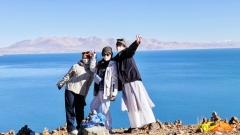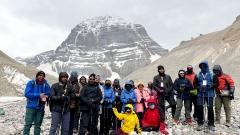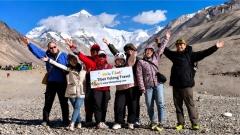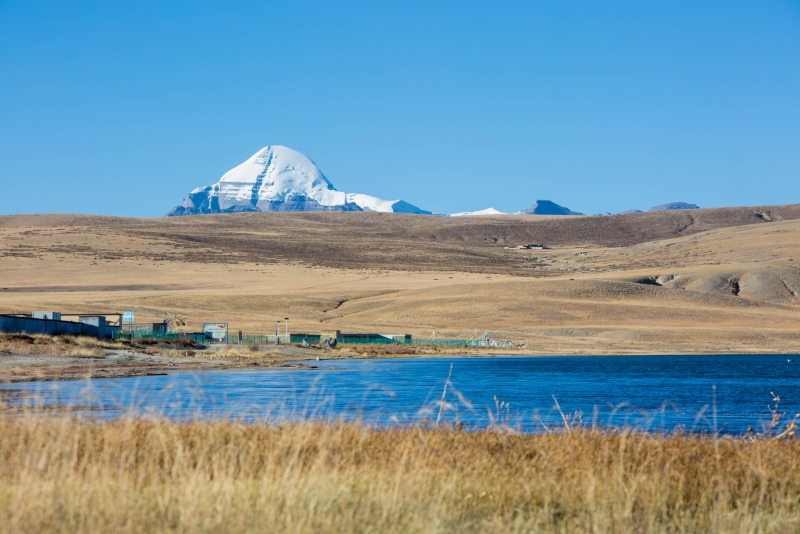

Mount Sapu: One of the sacred mountains worldwide, attracting adventurers and photographers alike.
Qiangtang Grassland: One of China’s five major pastures, It’s a haven for wildlife and rich cultural heritage, with vast expanses of grasslands grazed by yaks and sheep.
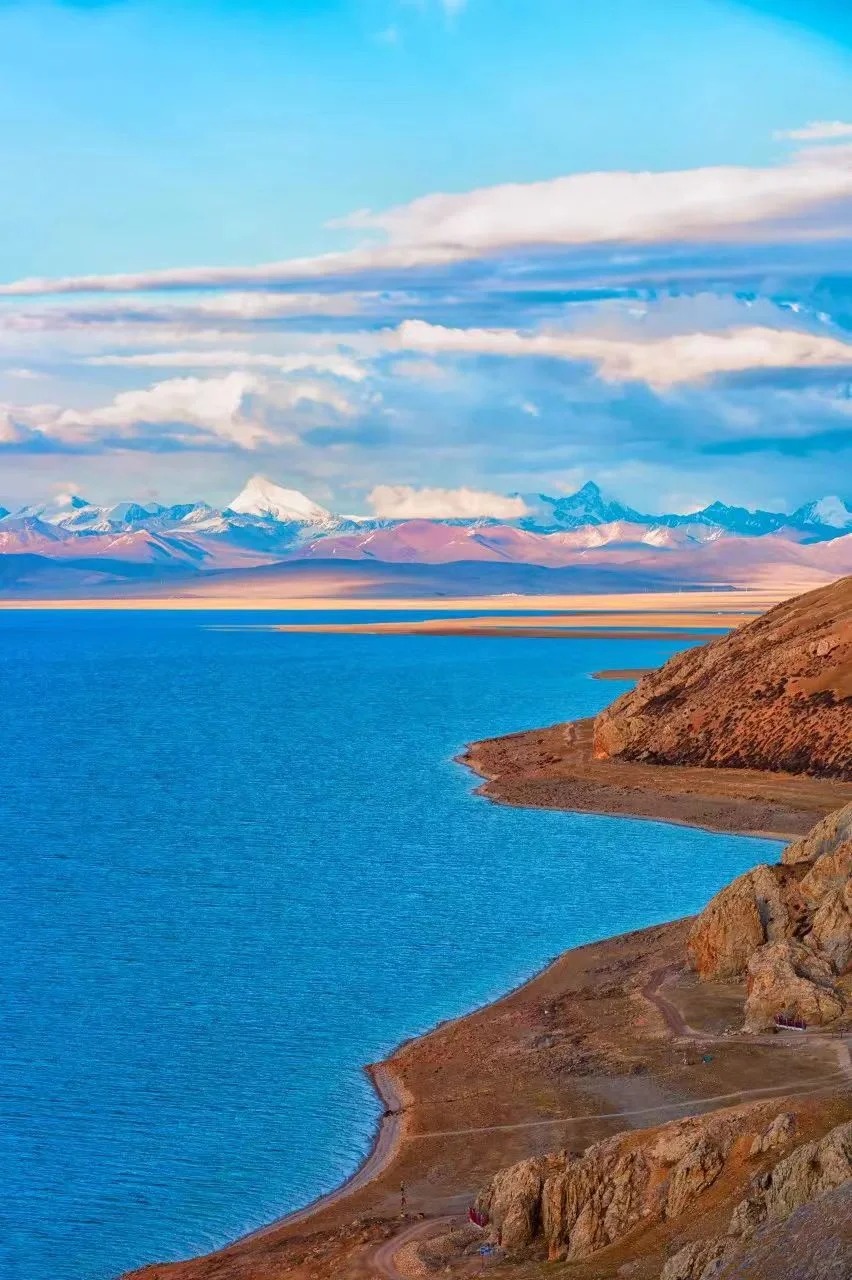
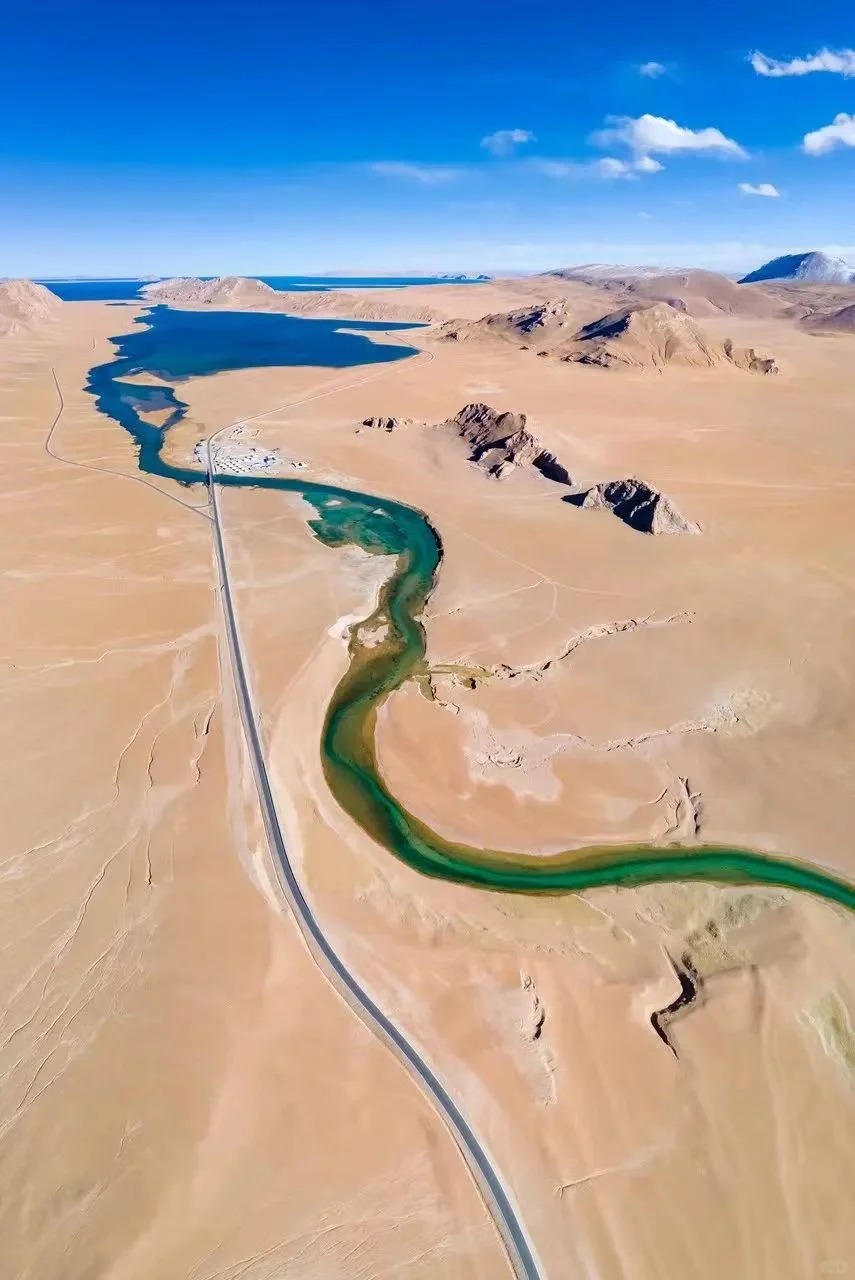
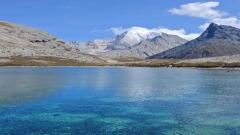
Lake Dongqing Yongco: Tibet’s third-largest lake, shaped like a sole of a shoe, surrounded by mountains with a notable gap on the southern bank and a range resembling a row of pyramids.
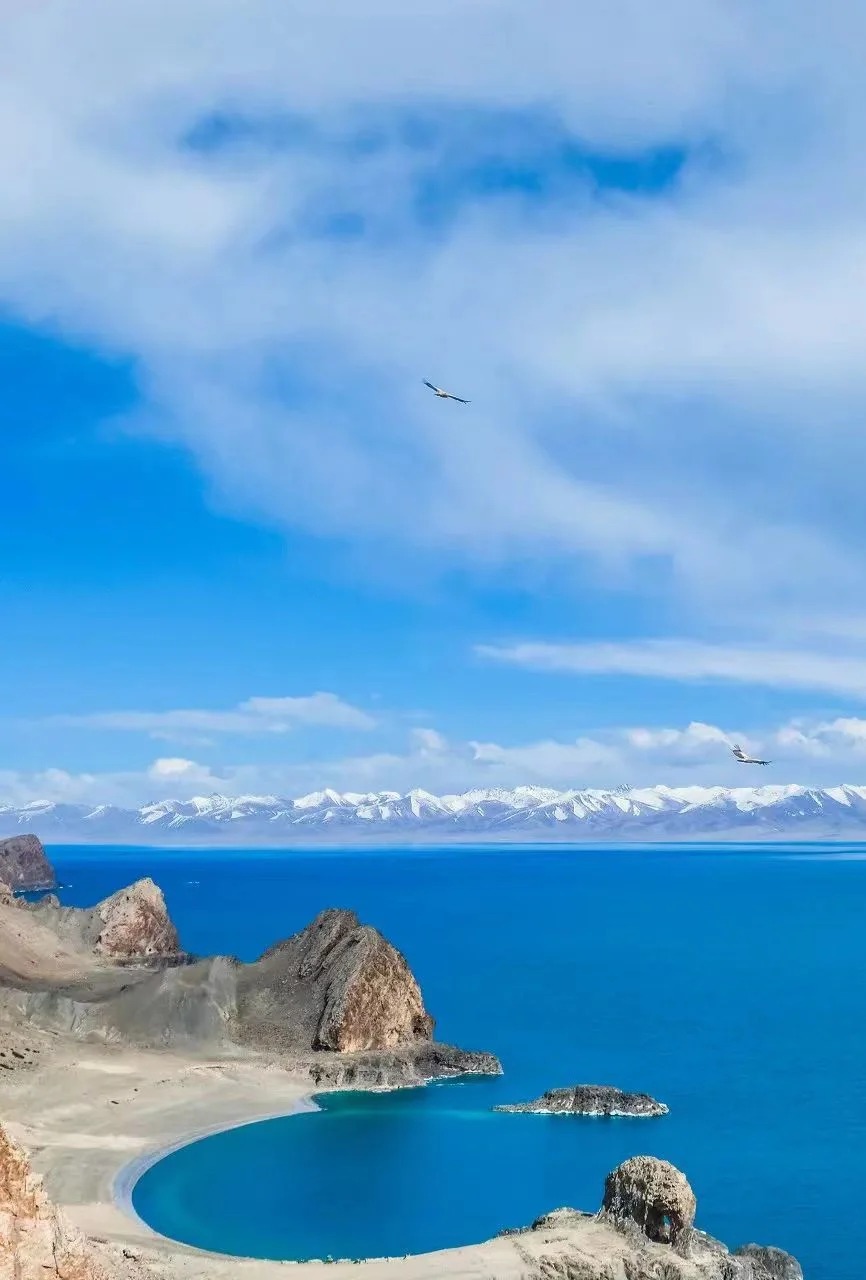
Lake Cona: Dubbed the “Holy Lake” by locals, characterized by clear waters, leaping fish, and the silhouette of the majestic Zogesang Peak in the distance.
Serling Tso Lake: The second-largest saltwater lake after Namtso, boasting unique scenery and serving as a habitat for various migratory birds during summer.
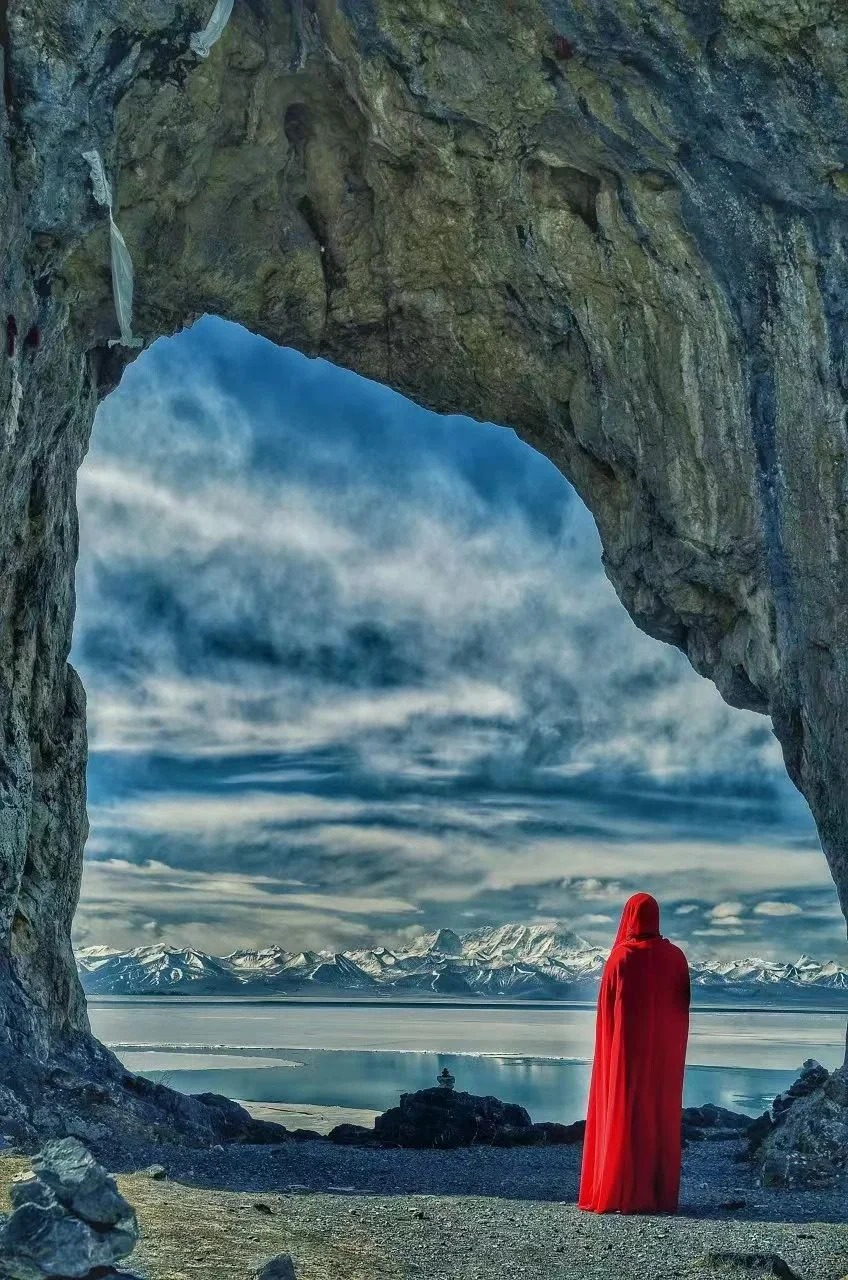
Ma Mo Cave: Located in Baqing County, Nagqu Region, primarily composed of limestone rocks formed through long-term erosion.
Purogangri Glacier: The third pole of the world, situated 90 kilometers northeast of the Shuanghu Special Area in the northwest of Qiangtang, approximately 560 kilometers from Nagqu Town.
Transportation:
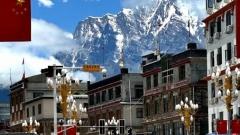
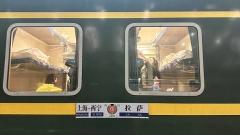
1. Travel by train along the Qinghai-Tibet Railway to reach Nagqu. Nagqu Railway Station is the world’s highest-altitude railway station, adjacent to the Qinghai-Tibet Highway.
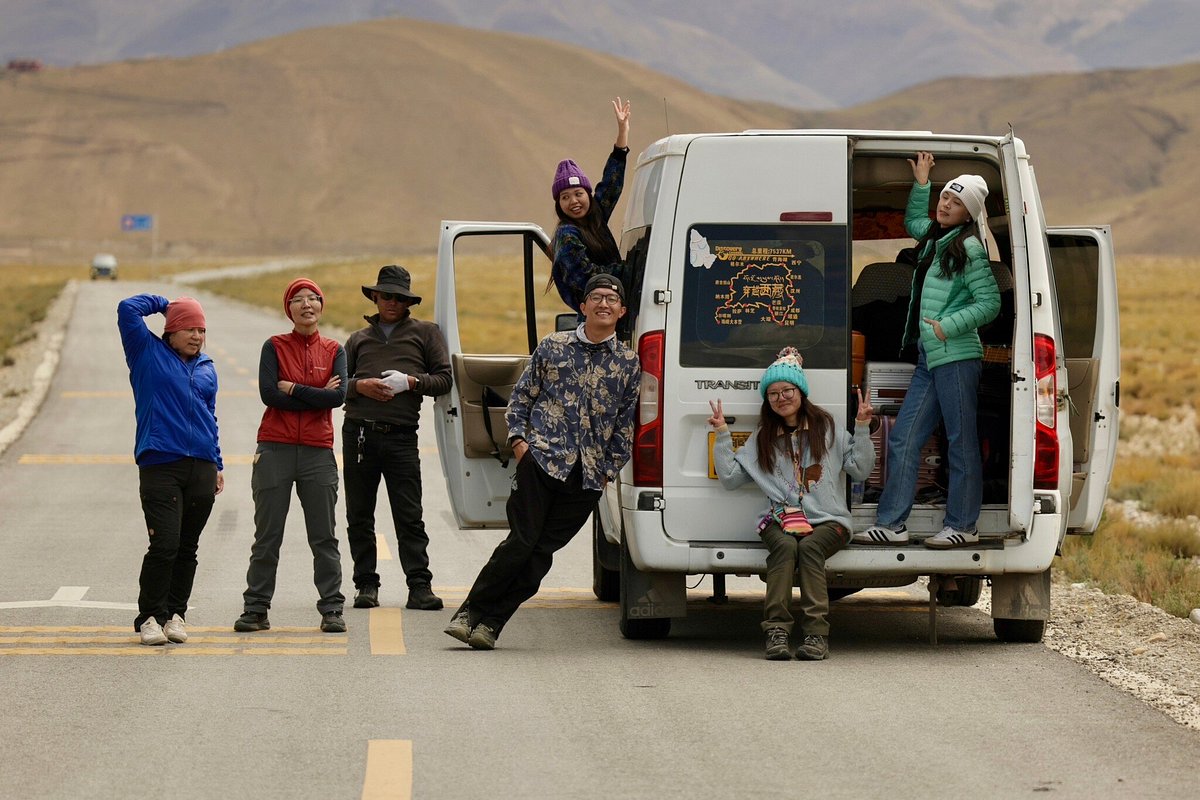
2. Take the Qinghai-Tibet Highway or the northern route of the Sichuan-Tibet Highway .