
✨Highlights:
- ✈️ Covers essential fly into Lhasa airport altitude tips to help travelers adapt quickly and safely after landing at the high-elevation Lhasa Gonggar Airport.
- 🌄 Clearly explains how high is Lhasa Gonggar airport altitude, revealing why direct flight arrival increases altitude reaction risks compared with gradual plateau acclimatization.
- 🧳 Offers professional tips before flying to Lhasa high altitude, including scientific pre-flight fitness adjustment, diet rules and lifestyle preparation.
- ⏰ Recommends the best time of day to fly into Lhasa for altitude adaptation, helping tourists reduce hypoxia, fatigue and altitude sickness probability.
- 💨 Guides scientific oxygen at Lhasa Gonggar airport for tourists and delivers practical Lhasa Gonggar airport altitude sickness tips for emergency relief and safe plateau travel.
Flying into Lhasa Gonggar International Airport (LXA) remains the fastest and most popular way for international travelers to enter the Tibet region, yet it comes with unavoidable high-altitude challenges. Many first-time visitors underestimate the sudden shift from lowland oxygen-rich environments to high plateau conditions, making reliable fly into Lhasa airport altitude tips essential for a safe and comfortable trip. Unlike train travel that offers gradual elevation acclimatization, air travel brings you to the plateau in hours, leaving your body no buffer time to adapt. To help travelers avoid discomfort and risk, this guide compiles professional, travel-tested advice covering pre-flight prep, in-flight adjustment, post-landing behavior, oxygen usage and altitude sickness prevention for your plateau journey.
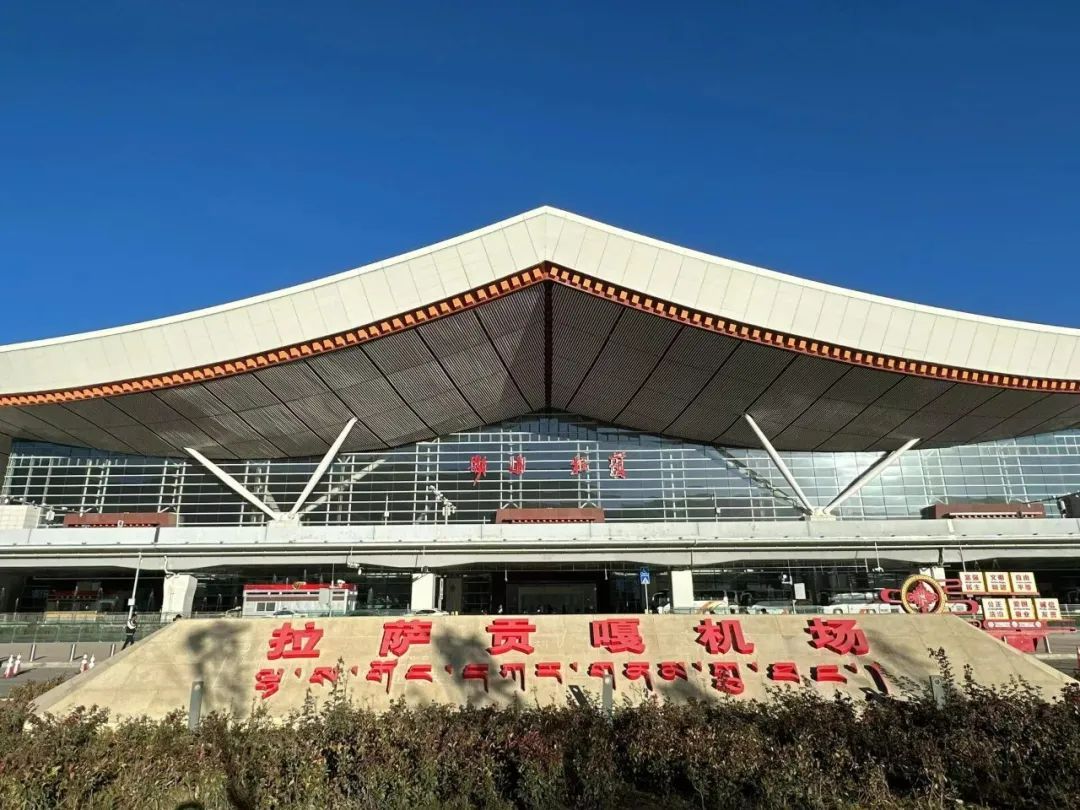
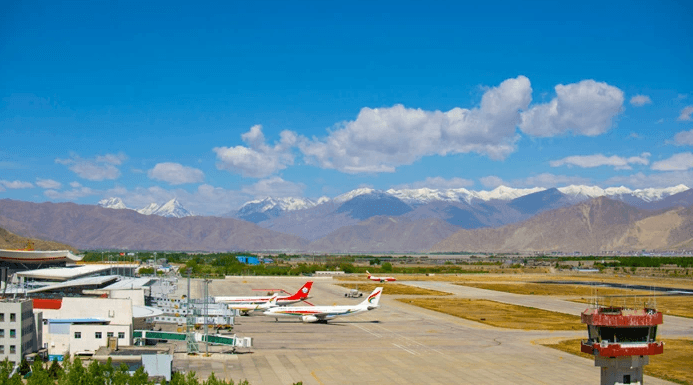
Lhasa Gonggar International Airport
How High is Lhasa Gonggar Airport Altitude? Key Elevation Facts
To better grasp altitude adaptation rules, travelers first need clear official data on the plateau airport’s elevation. How high is Lhasa Gonggar airport altitude? The official altitude of Lhasa Gonggar Airport is 3,570 meters above sea level, with ambient oxygen content only 65% of that at sea level. This elevation is almost identical to central Lhasa, meaning passengers step directly into a high-altitude, low-oxygen environment the moment they deplane, with no gradual transition. The thin air, lower atmospheric pressure, dry climate and strong ultraviolet rays here are the core causes of altitude reactions, making targeted adaptation measures indispensable for every incoming traveler.
Tips Before Flying to Lhasa High Altitude: Pre-Departure Preparation
Excellent plateau adaptation starts long before your flight takes off, and proper early preparation can greatly reduce the probability and severity of altitude discomfort. Tips before flying to Lhasa high altitude focus on physical conditioning, lifestyle adjustment and reasonable material preparation 7 to 10 days prior to departure. First, travelers should abandon irregular lifestyles, avoid staying up late, excessive drinking and strenuous exercise, and maintain sufficient sleep to keep physical stamina in peak condition. Excessive exercise before travel increases oxygen consumption, making the body more sensitive to low-oxygen plateau environments and prone to acute discomfort after landing.
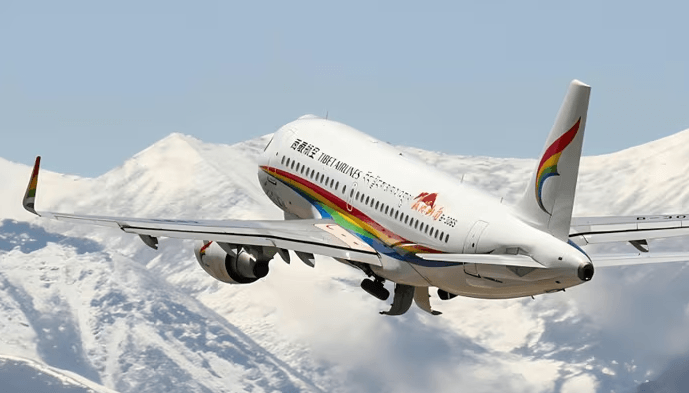
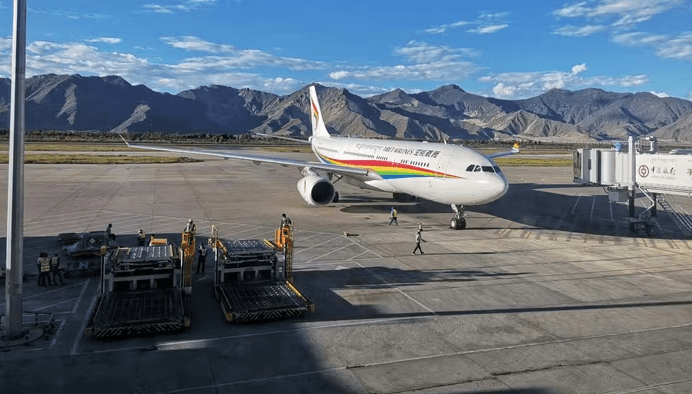
Tibet Airlines operates regular flights to Lhasa from mainland China.
Physically, visitors with chronic hypertension, severe asthma, cardiovascular diseases and severe anemia are not recommended to fly into Lhasa directly, as high-altitude low pressure may trigger underlying illnesses. Ordinary travelers can appropriately supplement high-protein foods and vitamins to enhance physical tolerance, while adhering to a light, low-salt diet to avoid gastrointestinal burden. In terms of supplies, prepare headache relief medicine, glucose oral liquid and moisturizing products to cope with plateau dryness and mild altitude symptoms. Scientific pre-flight preparation lays a solid foundation for smooth subsequent altitude adaptation.
Best Time of Day to Fly Into Lhasa for Altitude Adaptation
Few travelers realize that flight departure time directly affects altitude adaptation effects, and choosing the right flight can effectively relieve physical pressure. The best time of day to fly into Lhasa for altitude is the early morning period from 6:00 to 10:00 local time. In the early morning, the plateau air is relatively humid, temperature is mild, and oxygen activity is higher than in the afternoon and evening, which helps the human body adapt to low-oxygen conditions more gently. Meanwhile, morning flights rarely encounter strong convective weather, turbulence or long delays, avoiding physical fatigue caused by prolonged waiting.
Afternoon plateau weather is changeable, with frequent gusts and dry hot wind, which aggravates body water loss and oxygen consumption. Evening flights tend to cause travelers to land at night, when plateau temperatures drop sharply and cold wind intensifies altitude discomfort, increasing the risk of colds and altitude sickness. Therefore, prioritizing early morning direct flights is a practical and efficient altitude adaptation strategy for first-time plateau travelers.
In-Flight Altitude Adjustment: Gentle Physical Transition
During the flight, the cabin maintains a simulated low-pressure and low-oxygen environment, which serves as a natural buffer for the body to adapt to Lhasa’s high altitude. Travelers need to maintain slow and relaxed physical states throughout the flight. Avoid frequent walking, carrying heavy luggage or standing for long periods, as these behaviors increase oxygen consumption in advance. It is advisable to drink warm water in small and frequent sips to relieve cabin dryness and prevent thickened blood caused by severe water loss.
Do not overeat onboard; keep a seven-full stomach to reduce gastrointestinal oxygen consumption. Avoid strong tea, coffee and carbonated drinks that may cause physical excitement and water dehydration. Keep a stable mood, as excessive tension and anxiety will accelerate heartbeat and breathing, inducing premature dizziness and chest tightness. Slight altitude discomfort during the flight can be relieved through slow deep breathing, creating a smooth transition state for post-landing adaptation.
Lhasa Gonggar Airport Altitude Sickness Tips: Post-Landing Core Rules
The first 24 hours after landing are the high-incidence period of altitude sickness, and standard adaptation behaviors during this period determine the overall comfort of your entire plateau trip. Professional Lhasa Gonggar airport altitude sickness tips all emphasize the core principle of “slowness and rest”. After deplaning, collecting luggage and exiting the airport must be done at an extremely slow pace; running, rushing or heavy physical labor are strictly prohibited. Rapid movement in low-oxygen environments will instantly lead to oxygen deficit, triggering severe headache, dizziness and fatigue.
Within 48 hours after landing, travelers must avoid bathing, washing hair and staying up late. Bathing causes rapid body heat loss and accelerated blood circulation, consuming massive oxygen and easily inducing plateau colds and aggravated altitude reactions. Plateau colds are difficult to recover from and may even cause acute pulmonary edema in severe cases. Diet should remain light and digestible; avoid greasy, spicy and overfull meals to reduce physical burden. Most mild altitude symptoms such as slight headache, dry throat and poor sleep are normal physiological adaptation reactions that will disappear naturally with adequate rest.
Oxygen at Lhasa Gonggar Airport for Tourists: Scientific Usage Guide
Oxygen inhalation is the most direct emergency means to relieve severe altitude reactions, but incorrect usage will hinder long-term physical adaptation. Many novice travelers blindly inhale oxygen after landing, resulting in body dependence and prolonged adaptation cycles. Oxygen at Lhasa Gonggar airport for tourists is fully equipped in terminal medical service points, providing professional oxygen supply and emergency medical support for visitors in need.
It is crucial to note that oxygen inhalation is only suitable for severe symptoms such as persistent severe headache, dyspnea, chest tightness and vomiting. Travelers with mild altitude discomfort do not need oxygen supplementation, as autonomous physical adjustment can stimulate the body to produce more red blood cells to adapt to the low-oxygen plateau environment. Blind oxygen inhalation in the early adaptation stage will reduce the body’s self-regulation ability, making travelers more sensitive to high altitude in the following days. When severe discomfort occurs, tourists can seek free oxygen supply and professional guidance at the airport medical station to ensure travel safety.
Severe Altitude Sickness Identification and Emergency Response
Distinguishing between normal adaptation reactions and pathological altitude sickness is a key part of fly into Lhasa airport altitude tips. Normal mild reactions include intermittent headache, slight dizziness, dry mouth, physical fatigue and decreased appetite, which do not affect basic activities and will improve significantly within 1 to 2 days of rest. Once continuous severe headache, uncontrollable vomiting, difficulty breathing, blurred vision, chest pain or mental drowsiness occurs, it indicates acute severe altitude sickness, requiring immediate emergency treatment.
In case of severe symptoms, stop all activities immediately, sit or lie down quietly to reduce oxygen consumption, and contact airport medical staff for treatment. Do not force yourself to walk or take vehicles to scenic spots, as excessive movement will aggravate hypoxia. If symptoms do not relieve after oxygen inhalation and drug treatment, transfer to a regular hospital in Lhasa in time to avoid life-threatening risks.
Long-Term Plateau Adaptation and Daily Taboos
After passing the critical 24-hour adaptation period, travelers still need to maintain scientific living habits within one week to complete full plateau adaptation. Avoid strenuous exercise, high-intensity walking and long-term outdoor exposure under strong ultraviolet radiation. Equip yourself with sunscreen, sun hats and masks to prevent sunburn and altitude facial edema. Maintain a positive and relaxed mentality, as psychological anxiety and fear will amplify physical discomfort and delay adaptation progress.
Do not drink alcohol or smoke during the plateau trip. Alcohol accelerates body water loss and oxygen consumption, while smoking affects respiratory oxygen absorption, both greatly increasing the risk of altitude sickness. Keep regular work and rest, ensure sufficient sleep, and let the body slowly adjust to the high-altitude low-oxygen environment. After complete adaptation, travelers can sTibetlowly carry out light activities to enjoy the unique scenery and customs of Tibet.
Conclusion
Flying into Lhasa is the most efficient way to explore the beautiful Tibet plateau, but high altitude is an unavoidable challenge for all travelers. Mastering systematic fly into Lhasa airport altitude tips allows every visitor to cope with plateau adaptation calmly and safely. From pre-departure physical adjustment and reasonable flight selection, to in-flight gentle transition, post-landing slow rest and scientific oxygen use, every standardized operation can effectively avoid altitude risks. Respecting the plateau environment, following adaptation rules and maintaining a stable physical and mental state will help you complete altitude adaptation smoothly and embark on a wonderful and safe Tibet journey.