
⭐Highlights:
- ✨ Licensed Tibet local guide service for international travelers, covering paperwork, high-altitude safety and cultural interpretation.
- 🗺️ Local Tibetan guides craft well-paced itineraries for first-time overseas visitors, including Lhasa, Yamdrok Lake and Everest Base Camp.
- 🩺 On-site altitude sickness monitoring & emergency support from guides familiar with plateau medical response.
- 🙏 In-depth explanation of Tibetan Buddhist culture, monastery etiquette and local ethnic customs for respectful travel.
- 📋 Practical checklist to select qualified English-speaking local guides for your Tibet private tour.
Tibet, the Roof of the World, draws international travelers with turquoise highland lakes, towering snow-capped peaks, centuries-old monasteries and deeply rooted Tibetan culture. For overseas passport holders, a smooth and authentic Tibet journey cannot be separated from reliable Tibet local guide service for international travelers. Unlike regular sightseeing guides in popular global destinations, certified local Tibetan guides take on multiple roles: permit coordinator, altitude safety guardian, cultural interpreter, route planner and on-site problem solver.
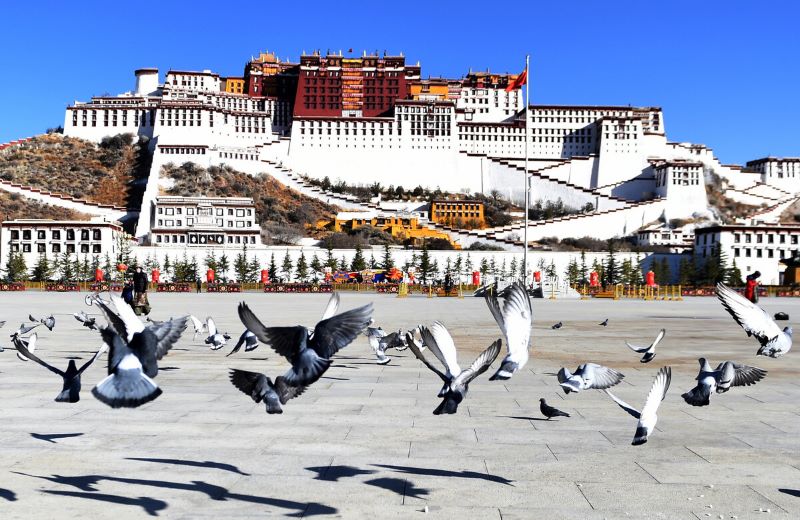
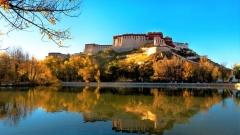
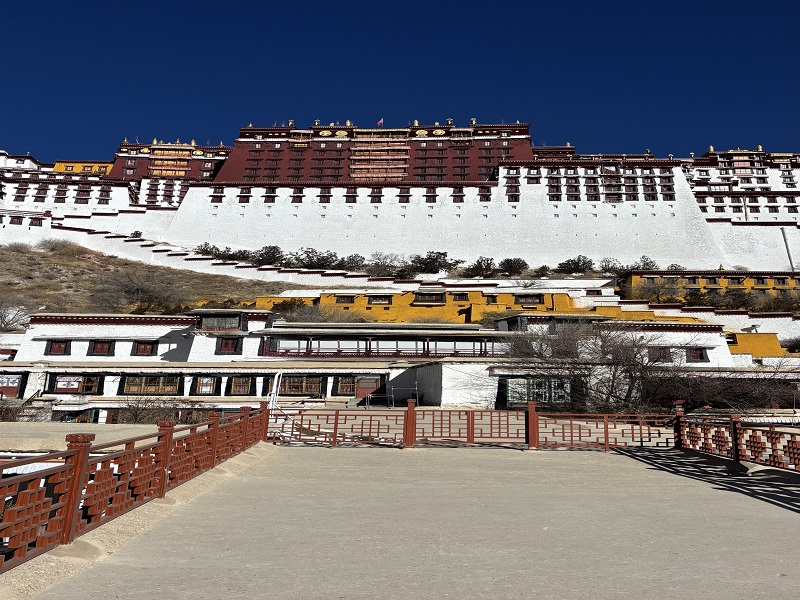
Potala Palace
International visitors cannot travel independently across Tibet. Official regulations require foreign tourists to join pre-arranged guided tours operated by licensed local agencies, accompanied by registered guides throughout the whole trip. Beyond fulfilling regulatory requirements, a professional local guide turns simple landscape sightseeing into immersive cultural discovery, helping you avoid altitude risks, language barriers and cultural misunderstandings. This guide breaks down everything about Tibet local guide service for international travelers, including core responsibilities, key benefits, service scope, selection criteria and frequently asked questions, to help overseas travelers book a trustworthy guide for their dream plateau adventure.
Why International Travelers Must Book Tibet Local Guide Service
Many first-time visitors to Tibet wonder whether a local guide is just an optional add-on or a mandatory requirement. For all international passport holders, hiring a registered Tibet local guide is not only compulsory but also the foundation of a safe and rewarding trip.
Meet Official Travel Requirements for Foreign Visitors
Independent backpacking and self-guided travel are not permitted for international tourists in Tibet. Before boarding flights or trains bound for Lhasa, you need the Tibet Travel Permit, which can only be applied by a locally registered travel agency. Your assigned local guide will coordinate with the agency team to verify your documents, check permit details, and accompany you through checkpoints, hotel registration and scenic spot entry. For trips heading to border zones such as Everest Base Camp, extra border passes are required; your local guide will assist with the whole application process and carry the necessary paperwork during overland journeys. Without a licensed local guide service, international visitors cannot legally access these remote highland regions.
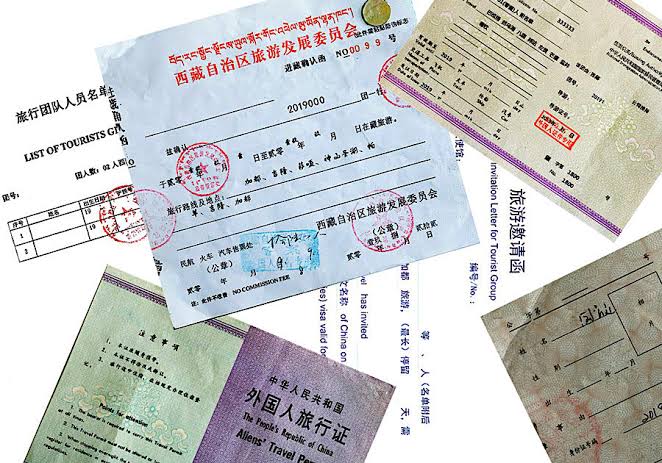
Documents for foreigners entering Tibet
Professional High-Altitude Safety Support on the Plateau
Altitude sickness remains the biggest safety concern for international travelers visiting Tibet. Local Tibetan guides grow up or work long-term on the plateau, with systematic training to identify early warning signs of acute mountain sickness. They will watch your physical condition throughout sightseeing, remind you to slow your walking pace, stay hydrated and avoid overexertion.
A qualified Tibet local guide knows how to adjust schedules flexibly. If you feel mild headache or fatigue, they can shorten hiking time or arrange extra rest breaks. In emergency cases of severe altitude reactions, they can organize oxygen supply, contact local medical facilities and arrange timely descent to lower elevation areas. For classic routes from Lhasa to Yamdrok Lake and Everest Base Camp, experienced guides design gradual altitude ascent schedules to minimize AMS risk, making the journey much safer for first-time overseas visitors.
Bridge Language & Cultural Gaps Between Visitors and Local Communities
Most local Tibetans mainly speak Tibetan or Mandarin. English communication is limited in small towns, rural villages and remote monasteries. An English-speaking local guide serves as your translator when buying local handicrafts, tasting traditional butter tea and barley food, or chatting with local residents.
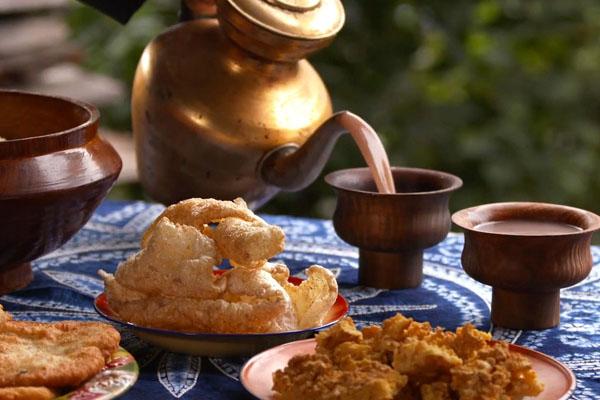
Butter tea
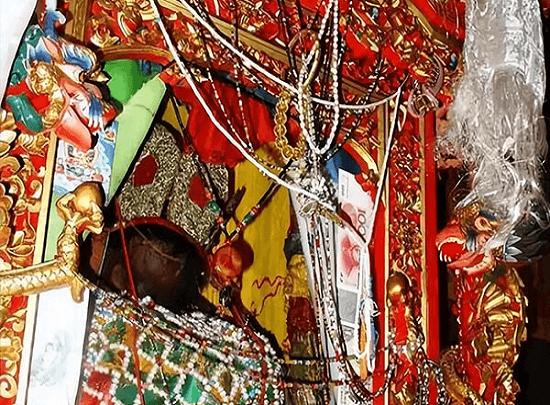
More than simple translation, they explain Tibetan Buddhism, monastery rules, mural stories, prayer flag meanings and local taboos. Standing in front of Potala Palace or Jokhang Temple, many foreign tourists only see grand buildings without understanding their history and spiritual value. A local guide brings these landmarks alive with authentic stories and teaches you essential etiquette: circling monasteries clockwise, not stepping over thresholds, modest dressing rules and photo-taking restrictions inside chapels. This helps you show full respect to local religion and ethnic traditions and avoid unintentional cultural offense.
Flexible Route Management & On-Site Problem Solving
Tibet’s plateau environment is changeable. Sudden snowfall, road maintenance, temporary attraction closures or delayed transport often happen, especially on routes toward Everest Base Camp. Outside operators or online guides far away from Lhasa cannot respond quickly. Local guides live in Tibet and keep real-time updates of road and weather conditions. They can adjust your itinerary on the spot: reschedule sightseeing spots, switch lunch stops or modify accommodation arrangements without long waiting times.
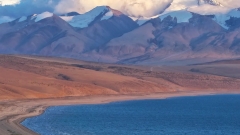
They also know hidden viewpoints and authentic local spots off crowded tourist paths. Beyond famous landmarks like Yamdrok Lake, your guide may take you to quiet village temples or nomadic settlements to witness genuine Tibetan daily life, rather than only visiting commercial tourist sites.
What Does Professional Tibet Local Guide Service Include?
High-quality Tibet local guide service for international travelers covers full-cycle support from pre-trip consultation to post-trip follow-up, not just on-the-spot sightseeing narration.
Pre-Trip Planning & Itinerary Customization
Your local guide team will communicate with you before arrival to understand your travel preference, physical condition, travel dates and interests. If you choose the classic Lhasa-Yamdrok Lake-Everest Base Camp route, the guide helps arrange a scientifically paced schedule: spending the first 2–3 days staying in Lhasa for altitude acclimatization before traveling to higher-altitude areas. They will also share pre-departure health advice, packing guidance and altitude sickness prevention tips, helping you get fully prepared before landing in Lhasa.
Document Coordination & Permit Assistance
The guide works closely with the licensed travel agency to collect your passport and Chinese visa information and submit materials for Tibet Travel Permit and border permits for Everest and border regions. Before each checkpoint, they remind you to keep original documents ready and handle inspections smoothly. They will also keep copies of all permits and travel insurance information for emergency backup.
On-Tour Sightseeing, Interpretation & Daily Support
During sightseeing, your licensed guide leads visits to monasteries, palaces and lakes, sharing history, religion and folk stories in clear English. They assist with ticket bookings, restaurant recommendations and hotel check-in and check-out. They will advise suitable local food options according to your taste and dietary restrictions, introduce authentic Tibetan meals and warn you against overeating greasy food that worsens altitude discomfort.
Good guides also help capture great photos, recommend the best sunrise and sunset spots for Yamdrok Lake and Everest Base Camp, and introduce local handmade culture and festivals if your travel time coincides with celebration seasons.
Emergency Support & Altitude Monitoring
Throughout the trip, your guide continuously observes your health status. They carry emergency oxygen, basic first-aid supplies and local hospital contact information. If you develop serious altitude symptoms, they can coordinate immediate rescue services, communicate with medical staff and adjust travel plans. Reliable local guide teams maintain 24-hour contact channels for urgent issues during your entire Tibet tour.
How to Select a Qualified Tibet Local Guide for International Travelers
Not all guides offering Tibet tours meet the standard for international visitors. When selecting your Tibet local guide service, check these key criteria carefully to avoid disappointing or unsafe travel experiences.
Confirm Official Guide License & Local Agency Qualification
Always choose guides holding official certification issued by Tibet tourism authorities, employed by a locally registered Tibet travel agency. Independent unlicensed guides cannot legally serve foreign tourists or assist with permit applications. Ask whether the guide is based in Lhasa and has long-term plateau guiding experience. Guides with more than 5 years of experience usually have richer knowledge of altitude management and remote route conditions.
Verify English Proficiency & Cross-Cultural Awareness
For international travelers, fluent natural English is essential. The guide should be able to explain Buddhist art, history and altitude medical knowledge clearly, not only simple daily conversation. A good local guide understands Western travelers’ habits and cultural differences, can answer your questions patiently and will respect your travel rhythm rather than rushing sightseeing schedules.
Check Experience with Your Target Route
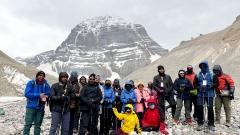
If your planned trip is Lhasa, Yamdrok Lake and Everest Base Camp, confirm your guide has rich experience on this classic route. Guides familiar with the EBC route know mountain pass weather changes, accommodation choices in Tingri, and acclimatization rules for this high-altitude journey. For travelers planning longer trips to Ngari or Lake Manasarovar, select guides with overland plateau expedition experience.
Ask About Emergency & Altitude Response Training
Prioritize guides who have received altitude sickness first-aid training. Enquire whether they carry portable oxygen on tours, know local medical stations along your route and can coordinate rescue services when emergencies occur. This is one of the most critical factors for highland travel safety.
Clarify Service Scope & Pricing Before Booking
Discuss service boundaries upfront: confirm whether guide fees cover only guiding narration, or also include document coordination, attraction ticket assistance and emergency support. Ask about extra charges such as meals, accommodation for the guide and tipping customs. Reputable agencies will give transparent pricing and written service descriptions before confirmation.
Tips for Working With Your Tibet Local Guide During Your Tour
Building good communication with your local guide creates a much better travel experience. Keep these simple tips in mind during your Tibet journey.
Inform your guide of any pre-existing medical conditions, allergies or concerns about altitude before arrival. Be honest about how you feel; tell your guide immediately once you have headaches, nausea or breathing discomfort, instead of trying to push through fatigue.
Respect local culture and listen to your guide’s advice on religious etiquette. Follow their guidance on photography: many chapels inside monasteries ban photos, and you need permission before taking portraits of local residents.
Maintain a slow travel pace as recommended by your guide. On the plateau, rushing sightseeing increases altitude sickness risk. Trust your guide’s judgment when they suggest extra rest or adjust your plan due to bad weather or road conditions.
Tipping is voluntary and seen as sincere gratitude for outstanding service. Many international travelers choose to tip local guides at the end of the tour if they are satisfied with the service.
Our Tibet Local Guide Service & Classic Lhasa-Yamdrok-EBC Tour
Our team provides professional Tibet local guide service for international travelers. All our guides are local Tibetans with official tourism licenses, fluent English and years of high-altitude guiding experience. Our guides are trained to monitor altitude sickness, manage permit paperwork, explain Tibetan culture and handle unexpected situations across the plateau.
Our most popular package, the classic Lhasa-Yamdrok Lake-Everest Base Camp private tour, is designed specially for first-time international visitors. Your assigned local guide will handle your Tibet Travel Permit and Everest border pass, arrange your gradual altitude acclimatization itinerary, private transport and accommodation. Starting with 2–3 days gentle sightseeing and rest in Lhasa, you then travel to the stunning blue Yamdrok Lake before continuing toward Everest Base Camp. Your guide will share the legends of the holy lake and the stories behind Mount Everest, watch your physical condition and adjust your pace along the way. Whether traveling solo, as a couple or in a small family group, our local guide service makes your Tibet journey hassle-free, safe and culturally immersive. Explore our Lhasa Yamdrok Lake Everest Base Camp tour package for more itinerary details.
Day 1: Arrival in Lhasa (3,650m)
Day 2: Lhasa Monastery Day: Drepung Monastery and Sera Monastery
Day 3: Lhasa Tour: Potala Palace, Jokhang Temple and Barkhor Street
Day 4: Lhasa – Gyantse- Shigatse (360 km): Yamdrok Lake, Korola Glacier
Day 5: Shigatse – Tingri – EBC (5,000m)
Day 6: EBC – Sakya – Shigatse
Day 7: Shigatse – Lhasa: Tashilhunpo Monastery
Day 8: Departure from Lhasa
Frequently Asked Questions About Tibet Local Guide Service for International Travelers
F1: Do I need a local guide if I only stay in Lhasa?
Yes. All international visitors traveling in Tibet must be accompanied by a licensed local guide, even if your whole trip stays within Lhasa. The guide supports document checks, monastery visits and altitude adaptation guidance during your stay.
F2: Can I choose a Tibetan local guide who speaks other languages besides English?
Some agencies offer guides speaking French, German or other languages, but English-speaking local guides are the most widely available option for international travelers. Notify the agency of your language requirement well in advance for special language requests.
F3: What is the difference between a local Tibetan guide and an outside tour guide?
Local Tibetan guides permanently live and work on the plateau. They have firsthand knowledge of plateau climate, local customs, real-time road status and altitude emergency response. Non-local guides from outside China lack on-the-ground connections and cannot quickly respond to sudden plateau emergencies or permit issues.
F4: Will my local guide help with altitude sickness treatment?
Your guide can monitor symptoms, arrange oxygen and transport you to medical facilities. They are not medical doctors, and serious altitude illness requires professional medical treatment. It is still recommended you consult your home doctor before your Tibet trip.
Final Thoughts
A remarkable Tibet trip is not only about seeing breathtaking mountain landscapes and holy lakes. It is about understanding Tibetan history, connecting with local residents and safely adapting to the thin high-altitude air. Reliable Tibet local guide service for international travelers ties all these elements together. A licensed, experienced English-speaking local guide fulfills official entry requirements, protects your safety against altitude risks, unlocks authentic cultural stories and solves unexpected troubles on the road.
For first-time international visitors, our classic Lhasa-Yamdrok Lake-Everest Base Camp tour paired with our professional local guide service is a perfect starting point to explore the Roof of the World. With careful planning and a trustworthy local guide beside you, you can travel with peace of mind and capture unforgettable memories of Tibet’s snow peaks, holy lakes and timeless Tibetan culture.