
Known as the “Roof of the World’s Roof,” the Ali (Ngari) Region in western Tibet sits at an average elevation exceeding 4,500 meters (14,700 feet). It is home to snow-capped glaciers, vast clay canyons, ancient kingdom ruins, and sapphire-like alpine lakes scattered across the high plateau.
Road trips through Ngari are generally divided into two classic routes: the Ali Small Loop and the Ali Grand Loop. The Grand Loop is not just a geographic circuit, but an expedition of physical and mental endurance.
Key Takeaways
- Grand Loop vs. Small Loop: The Small Loop returns via the southern route (focusing on cultural sites and holy lakes), while the Grand Loop ventures into the Northern Wilderness (featuring “One Lake After Another” and wild plateaus), requiring more days and physical endurance.
- Must-See Highlights: Mount Kailash, Lake Mapam Yumco, Guge Kingdom Ruins, Zanda Clay Forest, Tangra Yumco, Zhari Namco, and the northern shore of Lake Namtso.
- Accommodation & Logistics: Facilities on the Southern Route are modern and developed. The Northern Route relies heavily on basic Tibetan guesthouses and simple inns.
- Dining Advice: Sichuan cuisine, Tibetan tea houses, and Halal noodle shops dominate the route. Always pack emergency high-calorie food for long remote drives.
Ali Small Loop vs. Ali Grand Loop: What is the Difference?
The main distinction lies in the return route back to Lhasa, as well as the total trip duration and terrain difficulty:
Ali Small Loop (Southern Route Round-Trip)
Duration: 8 to 10 Days
Road Conditions: Fully paved national highways (smooth and well-maintained)
Key Attractions: Yamdrok Lake, Mount Everest Base Camp, Mount Kailash, Lake Mapam Yumco, Guge Kingdom Ruins
Scenery Style: Cultural monuments, sacred lakes, snow peaks, historic ruins
Best For: Travelers with limited time or those entering high altitudes for the first time
Ali Grand Loop (In via South, Out via North)
Duration: 13 to 15 Days
Road Conditions: Off-road terrain, dirt tracks, and remote rural roads with long driving hours
Key Attractions: Covers all Small Loop highlights plus the famous “Lake After Lake” region (Tangra Yumco, Zhari Namco, Lake Serling, Lake Namtso North)
Scenery Style: Uninhabited wilderness, wild plateau animals, endless lake clusters
Best For: Outdoor enthusiasts, landscape photographers, and experienced overland travelers
Top Highlights Along the Ali Grand Loop
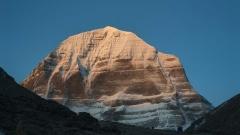
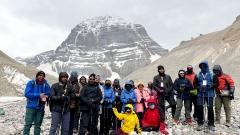
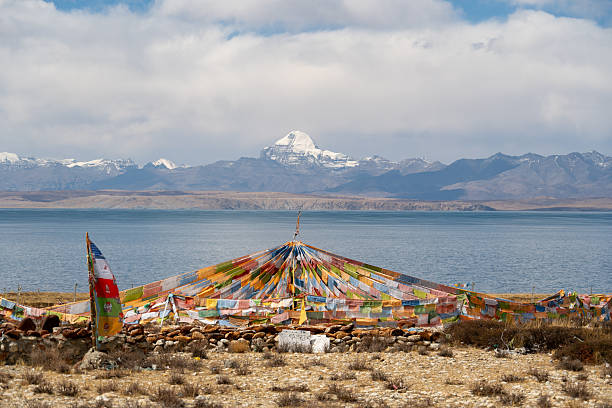
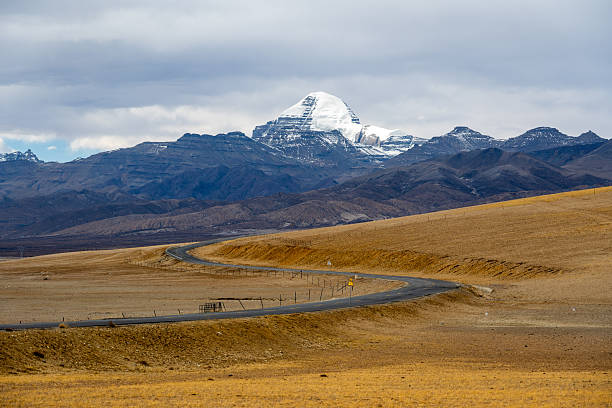
Mount Kailash: The sacred center of the world for Tibetan Buddhists, Hindus, Jains, and Bonpos. A bucket-list pilgrimage destination.
Lake Mapam Yumco & La’ang Cuo (Holy & Ghost Lakes): A freshwater lake and a saltwater lake sitting side-by-side, offering two strikingly different atmospheric vistas.
Guge Kingdom Ruins & Zanda Clay Forest: Epic thousand-year-old citadel ruins perched atop dramatic eroded earth formations.
The Lakes of the Northern Wilderness:
Tangra Yumco: The most sacred lake of the ancient Bon religion, famous for its deep blue waters.
Zhari Namco: The largest lake in the Ngari region, offering breathtaking panoramic views from elevated ridges.
Lake Serling: The largest lake in Tibet, featuring endless shorelines that resemble an ocean.
Accommodation & Hotel Guide
Hotel conditions vary significantly depending on town sizes along the loop:
Major Towns (Better Facilities): Lhasa, Shigatse, and Shiquanhe. Here you will find 3-star and 4-star hotels equipped with central heating, private bathrooms, and 24-hour hot water.
Mid-Tier Towns: Saga, Darchen, Barga, Gerze, and Coqen. Options consist mostly of boutique inns and local business hotels. Most offer private bathrooms, though hot water pressure can fluctuate.
Rustic Guesthouses / Homestays: Villages near Guge Kingdom (Zhaxigang), Wenbu South Village, and Wenbu North Village. Accommodation here is limited to traditional Tibetan homestays or multi-bed dorms with shared toilets and limited shower facilities. Bringing a sleeping bag liner and personal toiletries is highly recommended.
Local Dining & Food Supplies
Dominant Cuisine: Sichuan cuisine is widely available across the entire route, with small restaurants run by Sichuan locals in almost every town. Halal Muslim noodle shops and traditional Tibetan tea houses (serving butter tea, Tibetan noodles, and dried yak meat) are also common.
Remote Dining on the Northern Route: Distances between towns on the Northern Route are vast. Lunch often consists of simple local tea houses or packed meals along the road.
Essential Emergency Supplies:
High-calorie snacks: Dark chocolate, beef jerky, energy bars.
Vacuum flask / Thermal bottle: Drinking hot water is essential for relieving altitude symptoms.
Self-heating meal kits or instant noodles: Crucial in case long driving delays prevent you from reaching a town for dinner on time.