
⭐Highlights:
- ✨ Join a genuine Tibet Cultural Immersion Tour for International Travelers, moving beyond superficial sightseeing to connect with living Tibetan traditions.
- 🏡 Immerse yourself in local daily life through village homestays, traditional tea houses and Linka picnic experiences.
- 🎨 Take part in hands-on intangible cultural heritage activities, including Thangka painting and Tibetan incense crafting.
- 🏛️ Visit sacred historic monasteries with knowledgeable guides to learn about Tibetan Buddhism and ancient plateau architecture.
- 🗺️ Access a carefully designed 7-day itinerary balancing cultural experiences and gentle altitude acclimatization.
- 📜 Learn practical travel advice covering travel permits, altitude adaptation and local cultural etiquette.
- 🌤️ Find out the ideal travel window to witness vibrant folk events and pleasant highland weather.
A Tibet Cultural Immersion Tour for International Travelers is far more than a regular sightseeing trip. It is a profound journey into the heart of the Qinghai-Tibet Plateau, where ancient traditions, sacred religion, unique folk customs, and stunning natural landscapes blend seamlessly. Unlike superficial check-in travel, this kind of Tibet highland cultural immersion trip allows global visitors to step away from crowded tourist spots, integrate into local daily life, touch the thousand-year-old heritage of Tibet culture, and understand the spiritual core of the highland people. For international travelers pursuing authentic travel experiences, this exclusive cultural journey unlocks the real charm of Tibet beyond postcard scenery.
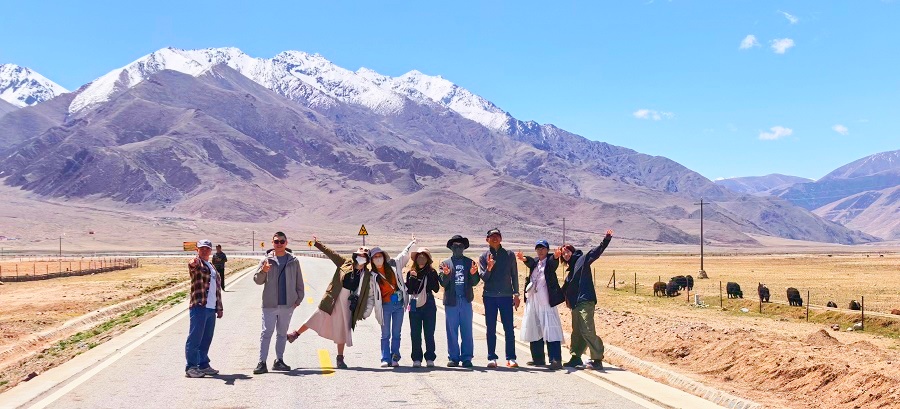
Nestled on the world’s highest plateau, Tibet boasts a time-honored civilization, diverse intangible cultural heritage, and a peaceful lifestyle that has remained unchanged for centuries. Every alley in old Lhasa, every prayer flag fluttering in the wind, every handcrafted artwork, and every local folk ritual carries unique cultural stories. This guide will elaborate on core experiences, classic itineraries, unique cultural highlights, and practical travel tips, helping overseas travelers gain an in-depth and pure highland cultural experience through an authentic Tibet cultural tour.
Why Choose a Tibet Cultural Immersion Tour for International Travelers
In the era of experiential travel, more international tourists abandon fast-paced group tours and turn to in-depth immersive travel. Tibet, as a unique cultural and geographical symbol of China, offers irreplicable cultural immersion value that attracts cultural travel lovers Tibet tour enthusiasts from all over the world.
Authentic Cultural Heritage Beyond Commercialization
Most tourist attractions around the world are highly commercialized, but Tibet retains a large number of original ecological folk cultures and traditional lifestyles. Away from the bustling commercial streets, local Tibetans still adhere to ancient living habits: turning prayer wheels along ancient pilgrimage routes, brewing homemade butter tea, weaving traditional woolen fabrics, and inheriting intangible cultural skills from generation to generation. An immersive tour allows international travelers to get rid of stereotyped tourism impressions, communicate with local residents face to face, and feel the most genuine and simple highland cultural temperament.
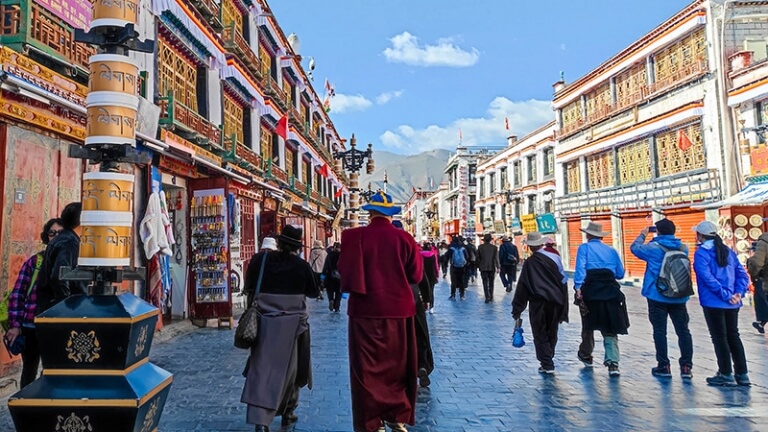
Barkhor street
Unique Religious and Spiritual Culture
Tibet is famous for its profound Tibetan Buddhism culture, which is the spiritual pillar of local people and a precious part of Chinese traditional culture. Walking through ancient temples, listening to the solemn chanting of scriptures, watching devout pilgrims, and understanding the connotation of compassion and perseverance in Tibetan Buddhism, international travelers can obtain unique spiritual healing. This kind of spiritual cultural experience cannot be obtained in any ordinary scenic spot, and it is the core charm of Tibet immersive travel.
Rich Intangible Cultural Heritage Experiences
Tibet has nearly 3,000 intangible cultural heritage projects, including Thangka painting, Tibetan opera, Tibet incense making, leather carving, copper forging, and Gesar Epic recitation. Different from passive viewing in scenic spots, immersive travel encourages tourists to participate in production and creation personally. International travelers can learn traditional crafts from intangible cultural heritage inheritors, experience the charm of ancient craftsmanship with their own hands, and gain exclusive cultural travel memories.
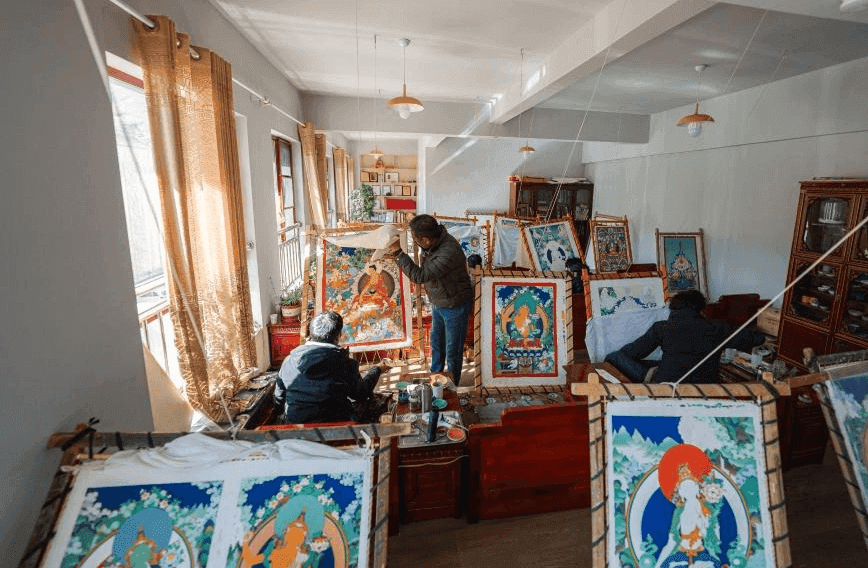
Thangka Painting
Core Immersive Cultural Experiences for International Travelers
A high-quality cultural tour focuses on “participation, integration, and perception”. It designs diversified in-depth experience projects covering folk life, traditional art, religious culture, and pastoral customs, allowing travelers to enjoy an all-round Experience authentic Tibetan culture tour and integrate into Tibet culture completely.
Local Life Immersion: Taste Authentic Highland Daily Life
The best way to understand Tibet culture is to integrate into local daily life. Many international travelers start their immersive journey from old Lhasa. Sitting in a century-old sweet tea house on Barkhor Street, drinking mellow sweet tea, chatting with local Tibetans in simple language and body language, and feeling the slow pace of highland life is the most authentic cultural experience.
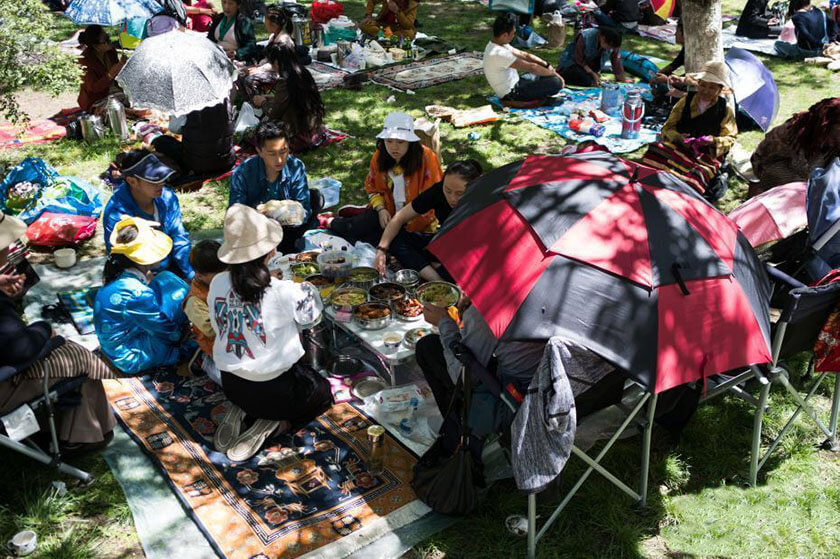
Tibetans Enjoying Linka
Participating in the traditional “Linka” picnic is another must-experience local custom. In warm seasons, Tibetan families gather in suburban woods and grasslands, laying thick carpets, preparing butter tea, tsampa, yak meat, and Tibetan pastries, singing and dancing to the accompaniment of Zhanian piano. International travelers can join local families, experience the leisure and enthusiasm of Tibetan folk customs, and feel the optimistic and open-minded attitude of plateau people towards life.
Tibet Cultural Homestay Experience
A genuine Tibet cultural homestay experience is one of the most touching highlights of plateau immersive travel. Unlike standardized hotel accommodation, staying with local Tibetan families allows travelers to live in traditional Tibetan-style houses, taste homemade plateau delicacies, and listen to elders tell local legends and folk stories. This close contact breaks the distance between tourists and local culture, helping visitors truly blend into the highland lifestyle and feel the warmth of Tibetan folk customs.
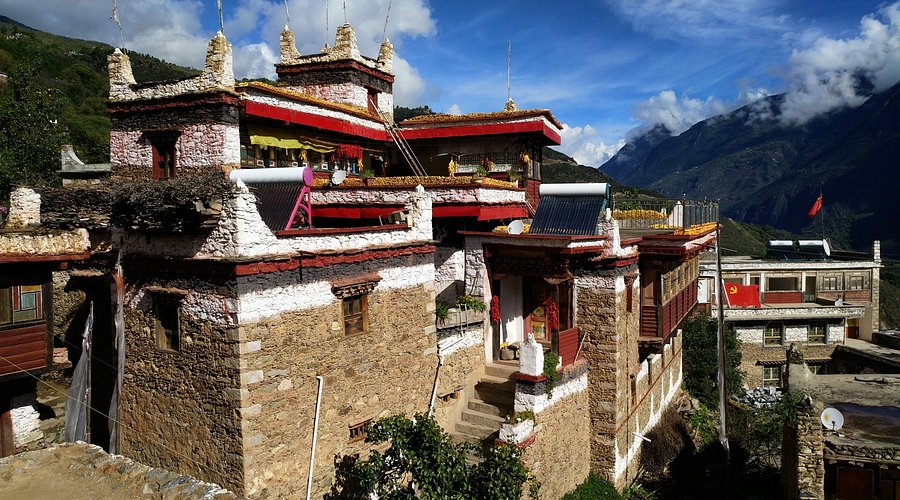
Tibet village homestay experience
Intangible Cultural Heritage Handicraft Experience
Hands-on craft experience is the most popular project for international travelers in Tibet. Professional intangible cultural heritage studios open to tourists provide systematic teaching courses. Travelers can learn to draw Thangka under the guidance of inheritors, master the color matching and line drawing skills of traditional Thangka, and understand the religious stories and cultural meanings behind each pattern.
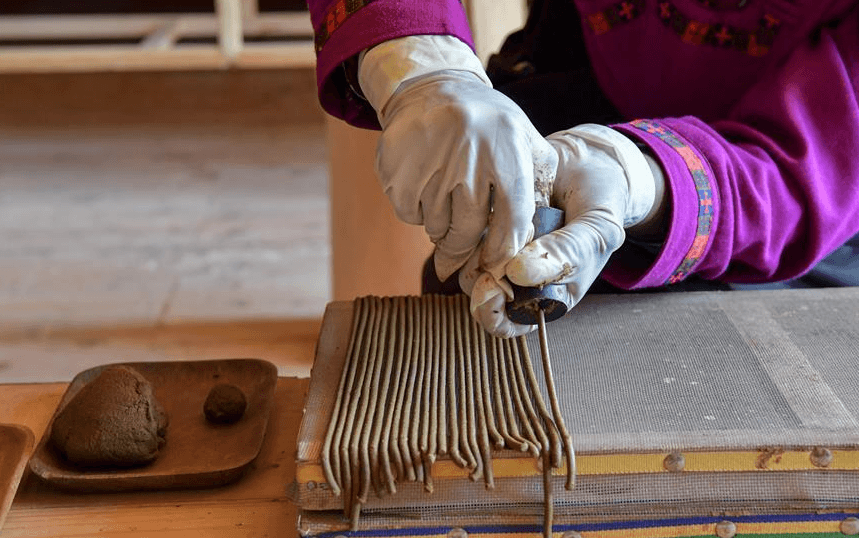
Tibetan Incense Production in Tibet
In addition, making Tibet incense and weaving Pulu woolen fabrics are also classic immersive projects. Traditional Tibet incense is made of dozens of plateau medicinal materials, with pure fragrance and peaceful energy. Travelers can select raw materials, proportion and knead manually, and make exclusive Tibetan incense. Pulu weaving, an ancient traditional craft, records the wisdom of plateau people adapting to the harsh environment. Every woven pattern contains unique cultural symbols, allowing travelers to feel the inheritance of thousand-year-old crafts.
Religious Culture Pilgrimage and Learning
Religious culture is an important part of Tibet civilization. Different from simple temple sightseeing, immersive religious cultural experience includes professional cultural explanation and ritual observation. Travelers can visit Potala Palace and Jokhang Temple with senior cultural guides, learn about the historical origins of Tibetan Buddhism, the architectural art of ancient temples, and the cultural connotation of Buddha statues and murals.
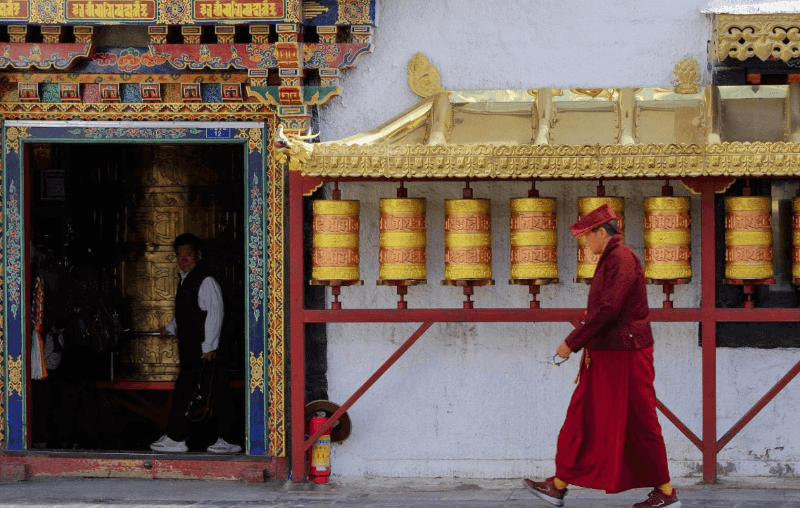
Barkhor Pilgrimage Circuit
Walking along the Barkhor pilgrimage route, following the footsteps of devout pilgrims, turning the ancient prayer wheels, travelers can quietly perceive the pious spiritual world of local people. In addition, tourists can watch traditional Tibetan opera and Reba dance performances. The powerful dance postures, melodious singing, and gorgeous costumes interpret ancient plateau stories, presenting the profound heritage of Tibetan traditional performing arts.
Pastoral and Ecological Cultural Experience
To fully experience Tibet culture, leaving the city and walking into plateau villages and pastoral areas is essential. In Qushui and Shannan areas, international travelers can visit traditional Tibetan villages, stay in local Tibetan families, experience authentic Tibetan-style housing, diet, and living customs.
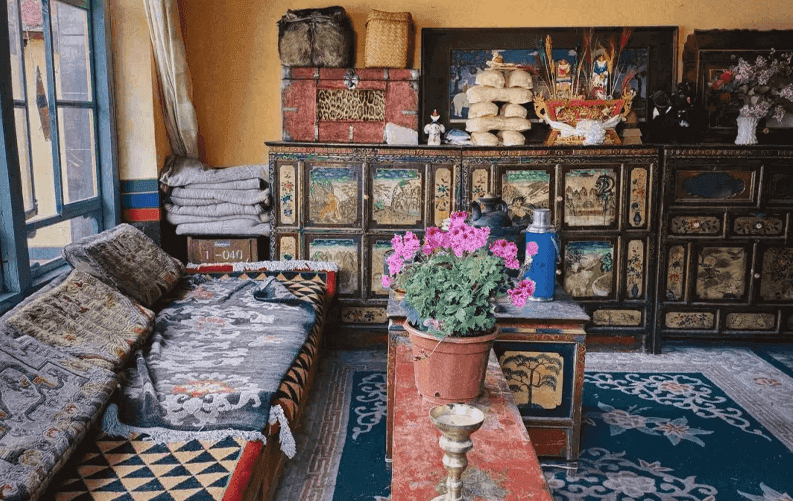
Tibetan-style housing
Travelers can participate in pastoral work in season, watch the production of traditional yak leather boats, experience plateau fishing and pastoral customs, and interact with plateau wild animals in the original ecological lake area. This integration of nature and culture allows travelers to understand the harmonious coexistence between local people and the plateau environment, and deeply appreciate the inclusive and diverse connotation of Tibet culture.
Classic 7-Day Tibet Cultural Immersion Tour Itinerary for International Travelers
To help international travelers arrange their travel reasonably, we have customized a classic 7-day in-depth cultural immersion itinerary, covering core cultural experience areas such as Lhasa and Shannan, balancing sightseeing and in-depth experience, and avoiding rigid check-in arrangements.
Day 1-2: Lhasa Urban Adaptation & Street Culture Immersion
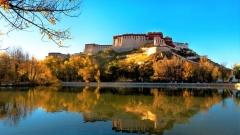
Arrive in Lhasa, adapt to the plateau altitude environment, and visit Potala Palace Square at dusk to appreciate the grand outline of the world cultural heritage. On the second day, wander around Barkhor Street, visit local sweet tea houses, watch pilgrim rituals, and experience the most lively folk culture of old Lhasa.
Day 3: Intangible Cultural Heritage Handicraft In-depth Experience
Visit a professional intangible cultural heritage studio, learn Thangka painting or Tibetan incense making from inheritors, and complete hand-made works independently. In the afternoon, visit local folk craft workshops to watch copper forging and mask painting skills.
Day 4: Ancient Temple Culture & Religious Learning
Visit Jokhang Temple, listen to professional explanations of temple history and religious culture, and observe traditional Buddhist rituals. In the evening, watch a large-scale Tibetan cultural performance to understand the integration of history and art of Tibet.
Day 5-6: Shannan Ancient Civilization & Pastoral Immersion
Drive to Shannan, the birthplace of Tibet civilization, visit Yongbulakang and Changzhu Temple to explore the origin of Tibetan culture. Stay in a local Tibetan village, participate in Linka picnic and folk song and dance activities, and experience rural plateau life.
Day 7: Free Experience & Departure
Choose free activities according to personal preferences, continue to visit old streets and tea houses, or purchase pure hand-made cultural and creative products, ending the immersive cultural journey.
Practical Tips for International Travelers’Tibet Immersion Tour
Best Season for Tibet Cultural Immersion Tour
Choosing the right travel window is crucial for a high-quality plateau cultural trip, so it is necessary to know the best season for Tibet cultural immersion tour. From May to October every year is the golden travel period, with mild weather, sufficient plateau oxygen, and blooming natural scenery. During this period, local folk activities are frequent, intangible cultural heritage exhibitions and folk performances are fully launched, allowing travelers to enjoy the most abundant and vivid cultural immersion experience. Winter Tibet presents a quiet and holy atmosphere, suitable for travelers who prefer niche pilgrimage and quiet cultural perception.
Entry and Travel Permit Preparation
International travelers need to prepare valid passports, Chinese visas, and Tibet travel permits in advance. It is necessary to book formal travel agencies to handle relevant procedures legally and compliantly, and arrange official guided tours, which is the premise of a smooth trip. It is recommended to prepare all documents 1-2 months in advance to avoid affecting the travel schedule.
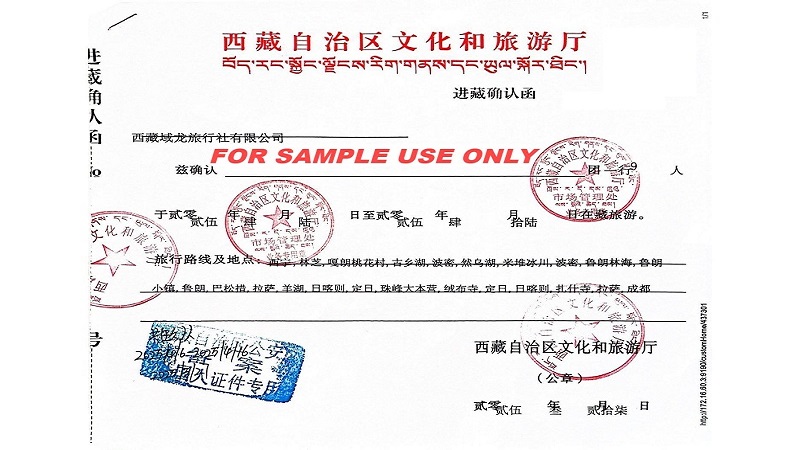
Tibet Travel Permit – Tibet Yulong
Plateau Altitude Adaptation
Tibet has a high altitude. International travelers need to avoid strenuous exercise in the first two days after arrival, drink more water, and adapt to the plateau climate slowly. It is not recommended to take altitude reaction drugs blindly. Keeping a peaceful mood and adequate rest is the best way to adapt. Professional travel teams will provide altitude health guidance throughout the journey to ensure travel safety.
Cultural Taboos and Etiquette
Respecting local folk customs and religious etiquette is the key to immersive cultural experience. When visiting temples, please keep quiet, do not touch Buddha statues and religious utensils at will, and do not take photos without permission. When communicating with local Tibetans, maintain politeness and humility, respect local living habits and religious beliefs, and avoid inappropriate words and behaviors.
Conclusion
A professional and in-depth Tibet Cultural Immersion Tour for International Travelers is a precious journey of cultural perception and spiritual healing. It breaks the single sightseeing mode, allows every overseas traveler to walk into Tibet’s history, integrate into local life, feel the thickness of thousand-year-old civilization and the warmth of folk customs. From hand-made intangible cultural heritage crafts to devout religious rituals, from slow-paced highland tea houses to lively rural Linka parties, every detail interprets the unique charm of Tibet culture.
For international travelers who pursue authentic, in-depth and unique travel experiences, Tibet’s immersive cultural tour is definitely a must-have journey in life. It will not only leave precious travel memories, but also let you understand the diverse charm of Chinese plateau culture and feel the unique integration of humanity and nature on the roof of the world.