
⭐Highlights:
- ✨ Complete Tibet high altitude travel preparation for first time foreign tourists, covering health, documents, packing and on-site adaptation.
- 🩺 Useful Tibet altitude sickness tips for overseas visitors to safely prevent and relieve acute mountain sickness.
- 💡 Science-backed methods to prevent altitude sickness in Tibet for foreign travelers before and after arrival.
- 🗓️ Guidance on the best travel season to visit Tibet for first-time foreign visitors for stable weather and smooth acclimatization.
- 🙏 Key Tibetan culture etiquette for foreign visitors to respect local religion and ethnic traditions.
- 📋 Step-by-step checklist for permits, insurance, clothing and emergency high-altitude solutions.
Nestled on the world’s highest plateau, Tibet is a dream destination for global travelers, boasting pristine alpine landscapes, ancient Buddhist culture, and unique ethnic customs. For first-time foreign tourists, however, traveling to high-altitude regions (most scenic areas sit above 3,000 meters, with some peaks exceeding 5,000 meters) comes with unique challenges, primarily altitude adaptation, extreme climate differences, and regional travel norms. Solid Tibet high altitude travel preparation for first time foreign tourists is the key to a safe, comfortable, and unforgettable plateau trip. This comprehensive guide tailors practical, tourist-friendly tips for first-time foreign visitors, covering pre-trip physical training, document preparation, packing lists, on-site altitude adaptation rules, cultural etiquette, and emergency solutions, fully optimized for high-altitude travel needs.
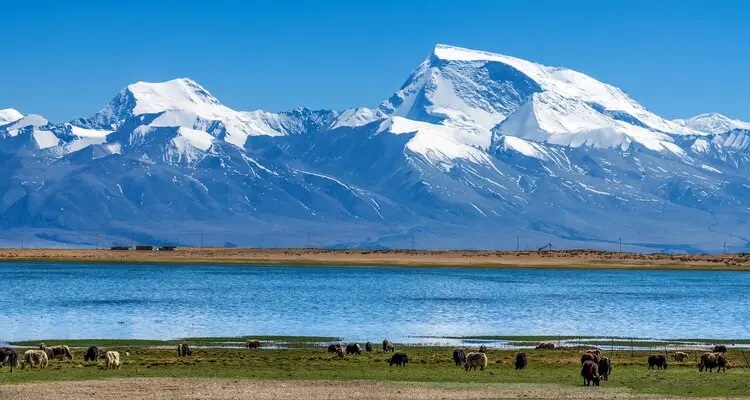
Lake Manasarovar
Pre-Trip Medical & Physical Prep to Prevent Altitude Sickness
Acute Mountain Sickness (AMS) is the most common concern for first-time Tibet travelers, caused by low oxygen levels and air pressure at high altitudes. Unlike experienced plateau travelers, foreign tourists unaccustomed to thin air are more likely to experience mild symptoms such as headaches, dizziness, fatigue, and insomnia within 24 hours of arrival. Learning professional Tibet altitude sickness tips for overseas visitors and making scientific pre-trip adjustments can drastically reduce AMS risks and help the body adapt smoothly.
Scientific Physical Adjustment 2–3 Weeks Before Departure
Many first-time travelers mistakenly believe intense exercise improves altitude tolerance, but excessive aerobic training before travel will increase oxygen consumption and worsen AMS symptoms. It is recommended for foreign tourists to pause high-intensity aerobic workouts 10–15 days before entering Tibet, while maintaining gentle daily activities like walking and stretching to keep body vitality. Meanwhile, prioritize lung and heart health checks: travelers with severe cardiovascular diseases, chronic asthma, or poor cardiopulmonary function are advised to consult a doctor and postpone the trip to avoid safety risks.
Targeted Medication & Daily Habits to Prevent Altitude Sickness
No medication can completely avoid altitude sickness, but targeted supplements and healthy routines effectively relieve mild discomfort. To prevent altitude sickness in Tibet for foreign travelers, visitors can take rhodiola and American ginseng 7–10 days before departure to enhance oxygen utilization and boost immunity. For travelers prone to altitude discomfort, consult an international travel doctor in advance to obtain acetazolamide (Diamox), a mainstream preventive AMS medication globally recognized for reducing headache and nausea symptoms. Additionally, prepare portable glucose tablets and oral rehydration salts to replenish energy quickly and alleviate altitude-induced fatigue.
Pre-Trip Health Taboos to Avoid AMS Aggravation
In the week before departure, avoid heavy drinking, staying up late, and overeating greasy food, as these habits burden the cardiovascular system and reduce altitude adaptability. Keep a regular work and rest schedule to stabilize physical condition. It is also crucial to avoid traveling with a cold or fever—respiratory infections severely weaken the body’s oxygen adaptation capacity and may trigger severe altitude reactions.
Essential Documents & Travel Permit Preparation for Foreign Tourists
Different from domestic Chinese travel, Tibet has unique entry regulations for foreign tourists, and complete document preparation is a prerequisite for smooth travel. First-time overseas visitors often overlook special permit requirements, leading to travel delays or entry failures. Below is a clear, categorized document checklist tailored for foreign travelers to eliminate travel obstacles.
Basic Valid Travel Documents
Ensure your passport has a validity period of more than 6 months and at least 2 blank visa pages. Hold a valid Chinese tourist visa (L Visa) and keep a printed copy of the visa approval page for inspection. It is recommended to scan all documents and save electronic backups in cloud storage and mobile phones to cope with loss emergencies.
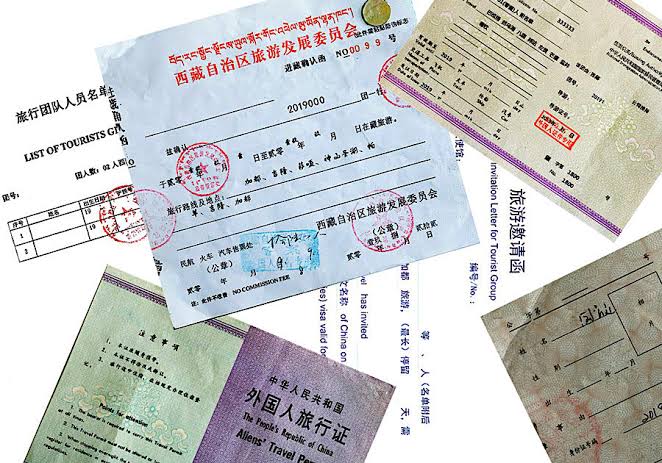
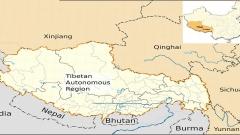
Documents for foreigners entering Tibet
Mandatory Tibet Travel Permits for Foreigners
All foreign tourists must apply for the Tibet Travel Permit through a formal registered travel agency before entering the region, which is a mandatory certificate for border inspection and scenic area entry. Note that individual foreign tourists cannot apply for the permit independently; booking a formal group tour or customized private tour via an official travel agency is the standard process. For travelers planning to visit remote border areas such as Ngari and Nyingchi, additional border passes are required, which can be processed uniformly by the travel agency in advance.
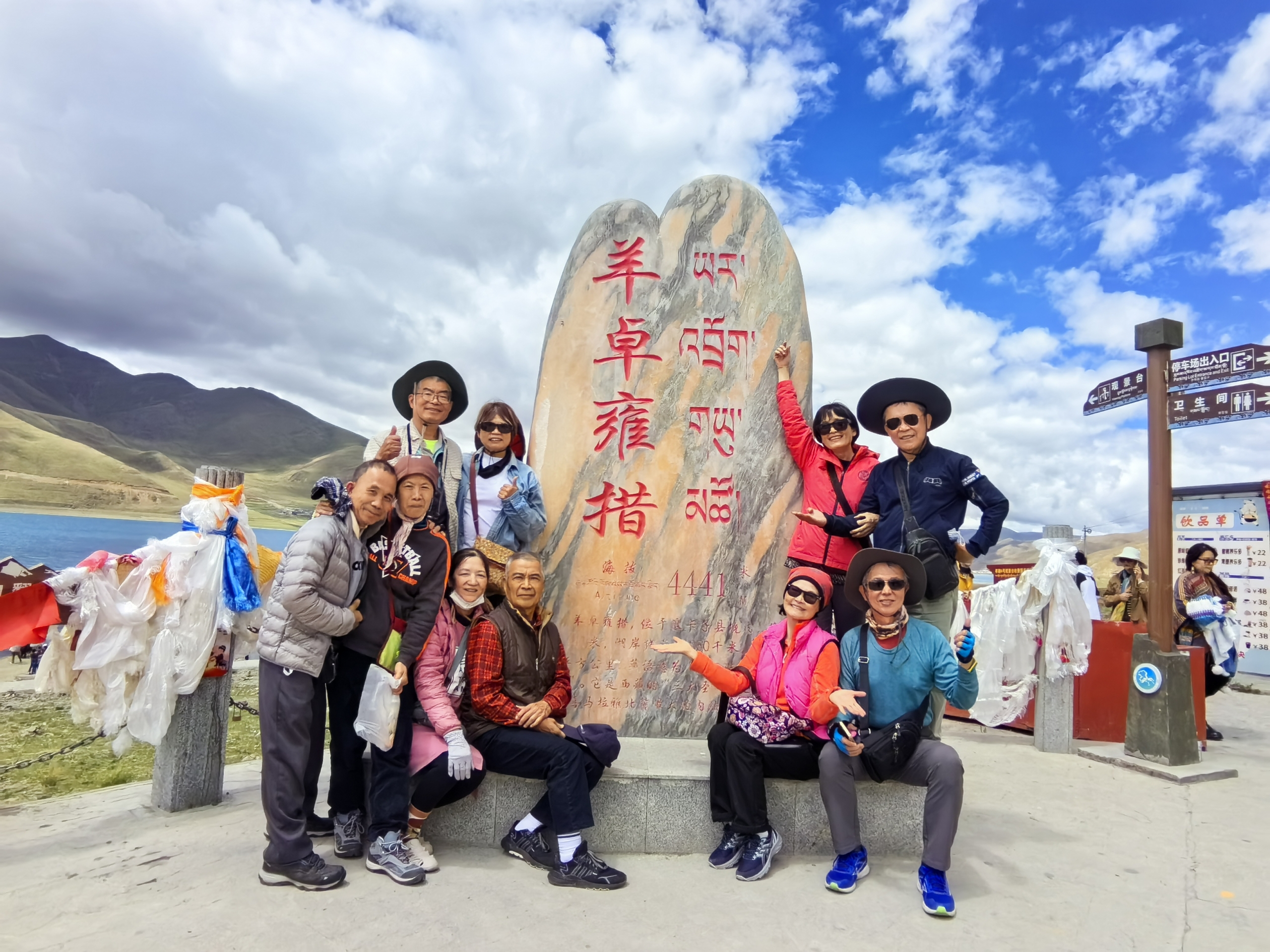
Our popular Lhasa – Yamdrok Lake – Everest Base Camp classic tour handles all required permits for you. The itinerary is carefully designed for first-time overseas visitors with slow altitude gain to minimize AMS risk. We arrange licensed guides, ground transport and accommodation throughout the journey. Explore our Lhasa Yamdrok Lake Everest Base Camp tour for details.
Day 1: Arrival in Lhasa (3,650m)
Day 2: Lhasa Monastery Day: Drepung Monastery and Sera Monastery
Day 3: Lhasa Tour: Potala Palace, Jokhang Temple and Barkhor Street
Day 4: Lhasa – Gyantse- Shigatse (360 km): Yamdrok Lake, Korola Glacier
Day 5: Shigatse – Tingri – EBC (5,000m)
Day 6: EBC – Sakya – Shigatse
Day 7: Shigatse – Lhasa: Tashilhunpo Monastery
Day 8: Departure from Lhasa
Travel Insurance & Emergency Document Preparation
High-altitude travel has uncertain risks, so purchasing international travel insurance covering altitude sickness, medical rescue, and trip cancellation is essential. Choose insurance products that include plateau emergency oxygen therapy and aerial rescue services, and carry a printed insurance policy and global emergency contact numbers. Meanwhile, prepare an English medical record and allergy statement to facilitate rapid treatment in local medical institutions if needed.
High-Altitude Friendly Packing List for Tibet Travel
Tibet’s plateau climate features extreme temperature differences, intense ultraviolet radiation, and extremely dry air, which are vastly different from most foreign tourists’hometown environments. Reasonable packing focuses on warmth, sun protection, and moisturization, avoiding redundant luggage while covering all high-altitude travel needs for a comfortable plateau journey.
Layered Clothing for Variable Plateau Temperatures
The plateau has a typical “four seasons in one day” climate: daytime temperatures are mild, but temperatures drop sharply after sunset, even in summer. The most practical packing strategy is multi-layered dressing. Prepare quick-drying inner wear to absorb sweat, a windproof and waterproof mid-layer jacket, and a lightweight down jacket for night and high-altitude scenic visits. Avoid wearing tight and airtight clothes that affect blood circulation and oxygen absorption. In addition, prepare warm hats, gloves, and thick socks to prevent colds, as colds are the main trigger for severe altitude sickness.
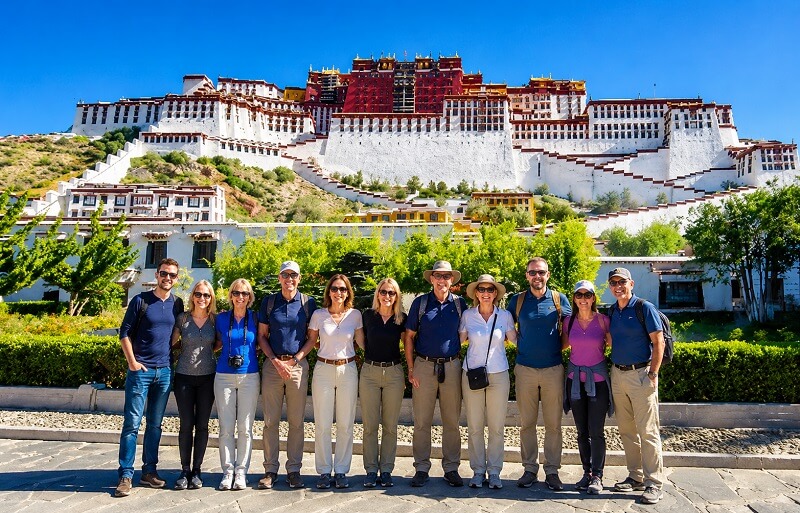
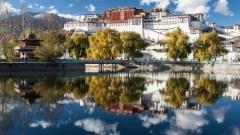
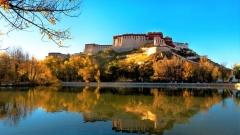
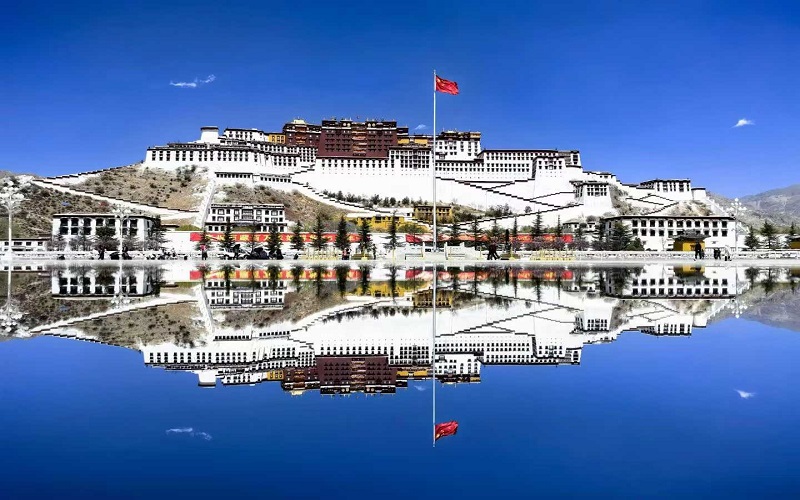
Potala Palace in summer
Professional Sun Protection & Moisturization Supplies
Tibet’s plateau UV radiation is 3–5 times stronger than plain areas, with no strong air barrier, making sunburn and altitude dermatitis common for first-time tourists. Prepare SPF50+ broad-spectrum sunscreen, UV-blocking sunglasses, and a wide-brimmed sun hat for full-body protection. The plateau air is extremely dry year-round, leading to dry lips, cracked skin, and dry throat. Carry high-moisture lip balm, facial moisturizer, body lotion, and disposable hydrating face masks, and use nasal saline spray to relieve dry nasal cavities caused by thin dry air.
Portable High-Altitude Emergency & Daily Supplies
Carry portable mini oxygen cylinders (2–3 pieces) for emergency use only—avoid frequent inhalation at the early stage of arrival to prevent physical dependence. Prepare a portable thermos to drink warm water frequently, which effectively relieves altitude dryness and promotes blood circulation. In addition, bring power banks, portable chargers, and cold-proof mobile phone cases, as low plateau temperatures easily cause mobile phone power failure. Simple daily medicines such as motion sickness pills, antidiarrheal drugs, and painkillers are also indispensable for travel comfort.
Scientific Altitude Adaptation & Best Travel Timing for New Visitors
Most first-time foreign tourists make adaptation mistakes after arriving, such as excessive excitement, strenuous exercise, and immediate bathing, which aggravate altitude sickness. Meanwhile, choosing a suitable travel window can greatly improve the overall travel experience. The Best travel season to visit Tibet for first-time foreign visitors falls between late spring and mid-autumn, offering stable weather and ideal plateau adaptation conditions.
First 24 Hours: Strict Low-Activity Adaptation
After arriving at Lhasa Gonggar Airport or Tibet railway stations, keep a calm mood and avoid running, jumping, walking fast, or carrying heavy luggage. Excessive physical activity will rapidly increase oxygen consumption and trigger severe headaches and shortness of breath. It is strictly prohibited to drink alcohol, overeat, or take a hot shower within 24 hours of arrival—hot water bathing accelerates blood circulation, increases oxygen demand, and easily causes altitude-induced hypoxia and dizziness. Rest quietly in the hotel, drink warm water continuously, and let the body slowly adapt to thin air.
Daily Adaptation Habits for Plateau Stay
During the entire Tibet trip, maintain a slow pace of life and travel. When visiting scenic spots such as Potala Palace and Namtso, climb steps slowly and take frequent breaks. Eat light, high-carbohydrate meals (rice, noodles, potatoes) to supplement energy, and avoid greasy and spicy food that increases gastrointestinal burden. Slight headache, dizziness, and poor sleep are normal mild AMS symptoms—do not panic, and relieve discomfort through rest and slow breathing. Local butter tea is a natural altitude adaptation drink; drinking an appropriate amount can effectively alleviate plateau dryness and discomfort.
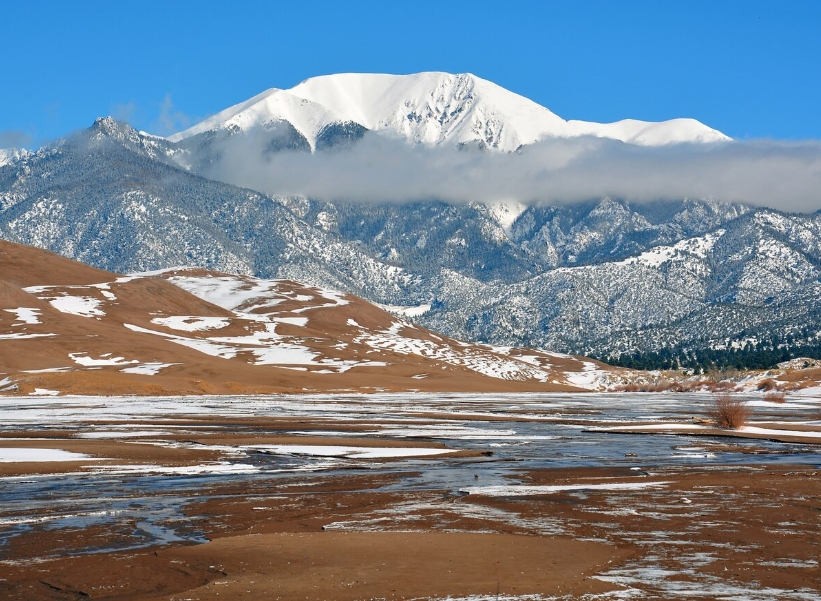
Pamir Plateau
Severe Altitude Sickness Emergency Response
Distinguish between mild and severe AMS symptoms accurately. Mild symptoms (occasional headache, slight fatigue, poor appetite) can be relieved through self-adaptation. Once continuous severe headache, vomiting, difficulty breathing, chest tightness, or blurred vision occurs, it indicates possible severe altitude reactions such as high-altitude pulmonary edema (HAPE) or high-altitude cerebral edema (HACE). Stop all activities immediately, inhale oxygen, contact the tour guide or local medical staff for professional treatment, and descend to low-altitude areas in time if symptoms do not improve—this is the most effective emergency measure.
Essential Tibetan Culture Etiquette for Foreign Visitors
Tibet boasts profound Tibetan Buddhist culture and unique ethnic customs that have been passed down for thousands of years. For overseas travelers visiting the plateau for the first time, mastering standard Tibetan culture etiquette for foreign visitors is essential to respect local traditions, avoid unnecessary misunderstandings, and immerse yourself in authentic local culture.
Religious Scenic Spot Visiting Norms
When visiting temples such as Potala Palace and Jokhang Temple, keep quiet and avoid loud talking, laughing, or rushing. Do not touch Buddha statues, prayer wheels, and religious utensils at will, and do not take photos or videos in prohibited areas. Follow the local tradition of circling temples clockwise, and do not step on threshold sills, which are sacred in Tibetan culture. Dress neatly and modestly, avoiding overly exposed clothing to show respect for religious culture.
Local Ethnic Custom Taboos
When contacting local Tibetan residents, maintain polite and friendly communication. Do not step on others’robes, hats, or prayer beads, and avoid pointing at others with fingers. When accepting local hospitality such as butter tea and barley wine, accept it politely instead of refusing directly. Do not litter or damage alpine vegetation and cultural relics, and protect the plateau’s fragile ecological environment and cultural heritage.
Practical Travel Tips for First-Time Foreign Visitors
Optimal Travel Route & Time Arrangement
As mentioned, May to June and September to October are the most friendly periods for novice travelers, with mild temperatures, sufficient oxygen, and low rainfall. Avoid traveling in July–August rainy seasons with frequent rainfall and unstable weather, or December–February cold seasons with extreme low temperatures. For route selection, novice tourists are recommended to start with low-altitude areas (Lhasa, Shigatse) for 2–3 days of adaptation, then visit high-altitude scenic spots, which greatly reduces AMS risks.
Transportation & Accommodation Tips
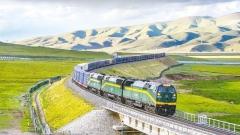
Taking the train to Tibet allows gradual altitude rise, which is more conducive to physical adaptation than direct flight. Most plateau hotels are equipped with oxygen supply equipment and heating systems; choose formal standardized hotels to ensure accommodation comfort and safety. Avoid staying in high-altitude remote guesthouses on the first night of arrival. During travel, follow the arrangement of formal tour groups to avoid self-driving off-road in unfamiliar plateau areas to prevent getting lost and hypoxia risks.
Final Summary
Tibet’s high-altitude travel is a unique and precious journey, blending stunning natural scenery and profound ethnic culture. Adequate preparation is the foundation of a safe and pleasant trip for every first-time international traveler. By mastering altitude sickness prevention skills, choosing the right travel time, abiding by local cultural etiquette, and completing full pre-trip preparations, foreign tourists can effectively avoid travel risks, adapt to the plateau environment quickly, and fully enjoy the unparalleled charm of Tibet’s snow-capped plateau.