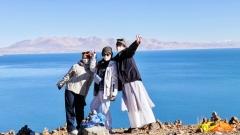
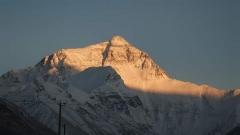
Embarking on the Lhamo La-tso holy lake hike from Lhasa is one of the most profound spiritual and physical journeys you can undertake in Tibet. Nestled high in the Himalayas, Lhamo La-tso is not just a body of water; it is a sacred mirror believed to reveal visions of the past, present, and future. For centuries, pilgrims, monks, and adventurous travelers have made the arduous trek to its shores seeking enlightenment and divine guidance. Unlike the more frequented tourist circuits around Yamdrok or Namtso lakes, the journey to Lhamo La-tso remains relatively untouched, offering an authentic glimpse into traditional Tibetan pilgrimage culture. Planning this expedition requires careful preparation due to extreme altitudes, remote terrain, and limited infrastructure. Whether you are a seasoned trekker or a spiritually motivated traveler, understanding the logistics of this route is essential before setting foot on the trail.
Before diving into the comprehensive details of this remarkable journey, here are the key takeaways for anyone planning this expedition:
- The trek reaches elevations exceeding 5,300 meters, demanding thorough acclimatization.
- No public transport goes directly to the lake; private vehicles and trekking are required.
- The best time to visit is between May and October when mountain passes are clear.
- Lhamo La-tso holds immense religious significance for identifying reincarnated spiritual leaders.
- Independent travel is highly restricted; booking through registered agencies like Tibet Yulong Travel is necessary.
Understanding the Significance Before Your Lhamo La-tso Holy Lake Hike from Lhasa
To truly appreciate the Lhamo La-tso holy lake hike from Lhasa, one must first understand the deep spiritual resonance this destination holds within Tibetan Buddhism. Lhamo La-tso translates roughly to “Lake of the Goddess” and is intimately connected to Palden Lhamo, the fierce female protector deity of Tibet and the Dalai Lama lineage. According to ancient traditions, the surface of this small, oval-shaped alpine lake acts as a mystical oracle. High-ranking lamas and regents have historically traveled to its shores during times of transition, meditating by the water to receive visions that guide them in finding the reincarnation of the Dalai Lama and other important high lamas.
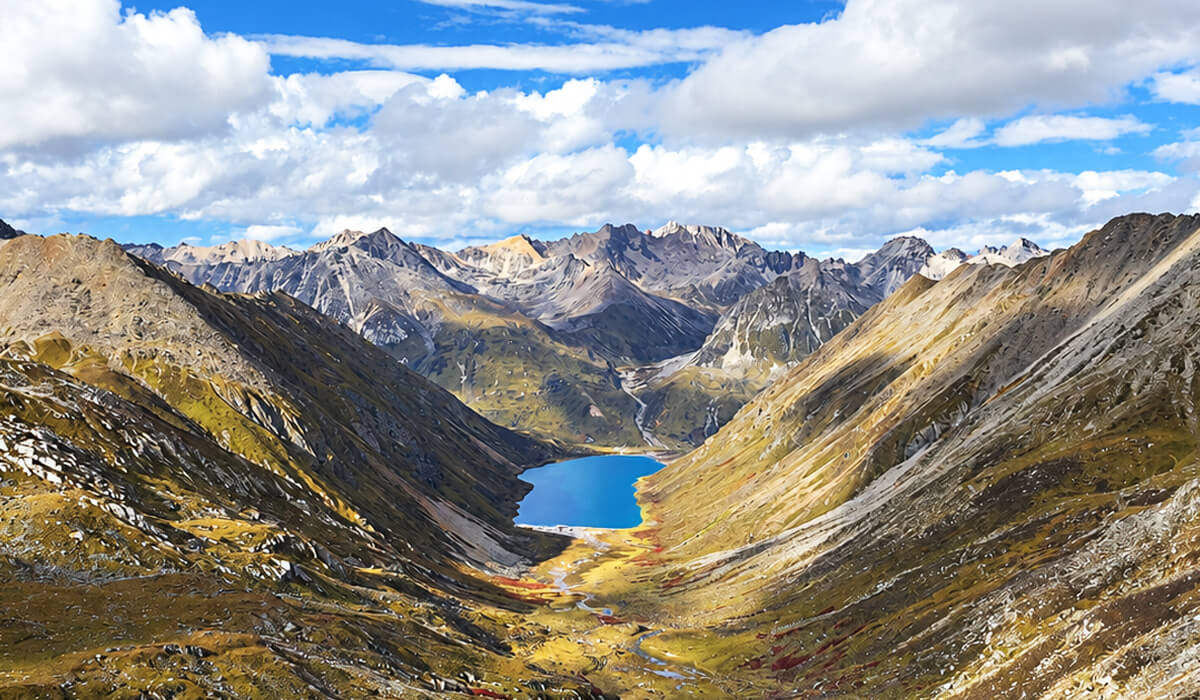
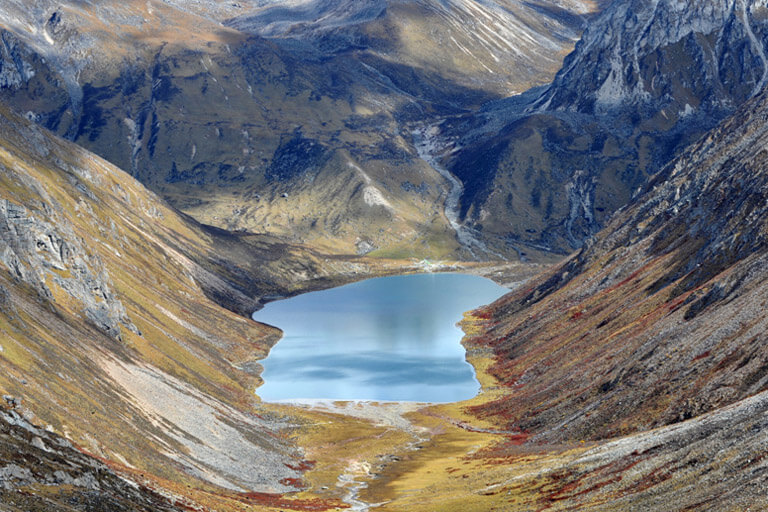
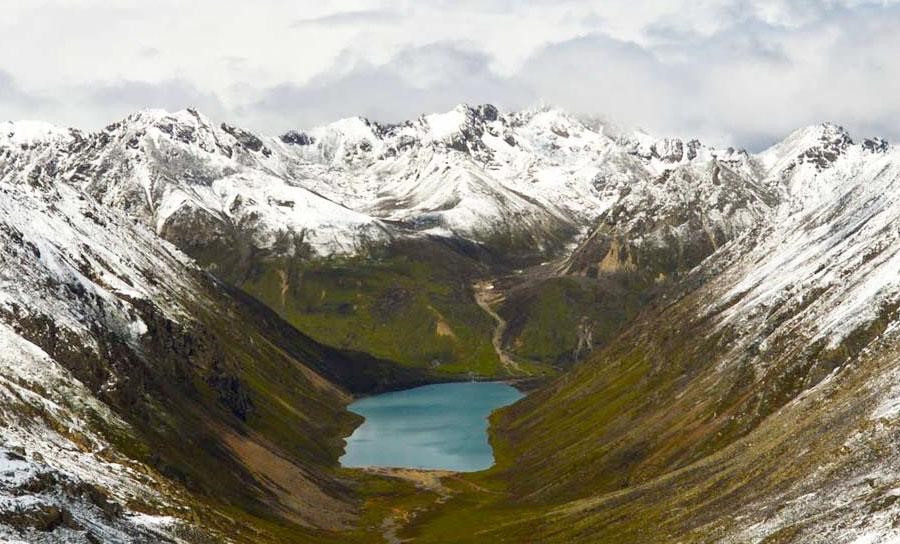
The lake is situated in Gyaca County, Shannan Prefecture, far removed from the bustling streets of Lhasa. Its isolation adds to its mystique. There are no hotels, no restaurants, and no paved roads leading directly to the water’s edge. The surrounding landscape is stark, rugged, and breathtakingly beautiful, characterized by jagged peaks, sweeping glaciers, and expansive barren valleys. When you undertake this hike, you are walking in the footsteps of countless generations of devoted pilgrims who believed that enduring the physical hardships of the journey purified their karma and opened their minds to spiritual truths. The silence at the lake is often described as absolute, broken only by the wind fluttering the thousands of prayer flags strung along the ridges.
Preparing for the Lhamo La-tso Holy Lake Hike from Lhasa: Permits and Logistics
Organizing a Lhamo La-tso holy lake hike from Lhasa is not as simple as booking a bus ticket and hitting the trail. Tibet has strict regulations regarding foreign and domestic tourism, particularly for remote and sensitive areas. All international travelers must obtain a Tibet Travel Permit (TTP) issued by the Tibet Tourism Bureau. This permit cannot be applied for independently; it must be secured through a registered Tibetan travel agency as part of an organized tour. Furthermore, because Lhamo La-tso is located in a remote county outside the standard Lhasa-Shigatse-Nyingtri triangle, it sits in Gyaca County, Shannan. The standard Lhamo La-tso trek route does not require an extra Alien Travel Permit or military border permit, though rules for remote side routes are subject to occasional updates. Your agency will confirm the latest requirements.
This is where partnering with an experienced operator becomes invaluable. Agencies such as Tibet Yulong Travel specialize in navigating the complex bureaucratic landscape of Tibetan tourism. They handle all permit applications, coordinate with local authorities, and ensure that every legal requirement is met before your departure. Attempting to bypass these regulations can result in denied entry, fines, or being turned back at checkpoints, which are frequent on roads leading out of Lhasa toward Shannan.
Logistically, the journey begins with a long drive from Lhasa. You will typically travel south along the Yarlung Tsangpo River valley towards Tsetang, and then continue eastward into Gyaca County. The road conditions deteriorate significantly as you leave the main highways, transitioning from smooth asphalt to rough dirt tracks and gravel paths. The base village for the trek is usually Chokorgyel, home to a historic monastery that serves as the traditional staging point for pilgrims. The drive from Lhasa to Chokorgyel normally takes 6–7 hours, covering roughly 280 km. Many tours depart Lhasa early in the morning and arrive at the monastery by afternoon for rest and acclimatization. For a gentler acclimatization pace, some itineraries split it into two days with an overnight stop in Tsetang or Gyaca town.. Arranging reliable transportation—usually robust 4×4 Land Cruisers—is mandatory, and reputable agencies like Tibet Yulong Travel maintain fleets specifically equipped for these punishing high-altitude roads.
The Route Details of the Lhamo La-tso Holy Lake Hike from Lhasa
The actual Lhamo La-tso holy lake hike from Lhasa culminates in a challenging but deeply rewarding trek from the Chokorgyel Monastery area up to the lake itself. While the entire journey from Lhasa involves hundreds of kilometers of driving, the hiking portion is relatively short in distance but extreme in elevation gain and difficulty. The round-trip trek is roughly 7–8 km from the trailhead. The climb up to the pass normally takes 3–4 hours for trekkers with good acclimatization; it may stretch longer if you move slowly to cope with thin air.
The trail begins near the monastery ruins, which sit at an already staggering altitude of around 4,500 meters. From here, the path winds upward through a desolate, rocky valley. The terrain is uneven, consisting of loose scree, large boulders, and narrow dirt tracks carved into the mountainside by centuries of foot traffic. As you ascend, the vegetation thins out completely, leaving behind a lunar-like landscape of gray and brown rock contrasted against the brilliant blue sky.
The crux of the hike is crossing the final mountain pass before descending to the lake basin. This pass sits at approximately 5,300 to 5,400 meters above sea level. At this elevation, the air contains roughly half the oxygen found at sea level. Every step requires deliberate effort, and trekkers must adopt a slow, rhythmic pace to avoid acute altitude sickness. The ascent to the pass can take anywhere from four to seven hours, depending on individual fitness levels and how well one has acclimatized.
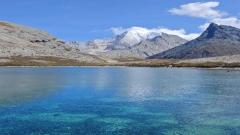
Upon reaching the summit of the pass, trekkers are greeted by a massive cairn draped in colorful prayer flags. The descent from the pass down to the shoreline of Lhamo La-tso is steep and requires careful footing. The lake itself is surprisingly small—The lake itself is quite small, only around one square kilometer—but its color is mesmerizing, shifting between deep sapphire, turquoise, and dark emerald depending on the angle of the sun and the cloud cover. The water is so still that it perfectly reflects the surrounding snow-capped peaks, creating the illusion of a portal into another world. Most hikers spend only a few hours at the lake, meditating, taking photographs, and absorbing the profound atmosphere before beginning the arduous trek back over the pass to their base camp or waiting vehicles.
Altitude Challenges During the Lhamo La-tso Holy Lake Hike from Lhasa
Altitude sickness is the single greatest threat to anyone attempting the Lhamo La-tso holy lake hike from Lhasa. Lhasa itself sits at 3,650 meters, which is high enough to cause mild symptoms in unacclimatized visitors. However, the trek pushes you well beyond 5,000 meters, entering a zone where Acute Mountain Sickness (AMS), High Altitude Pulmonary Edema (HAPE), and High Altitude Cerebral Edema (HACE) become genuine medical emergencies.
Proper acclimatization is non-negotiable. Upon arriving in Lhasa, you should spend at least three to four days resting, hydrating, and avoiding strenuous activity before beginning the overland journey to Gyaca County. The multi-day drive from Lhasa actually serves as a natural acclimatization profile, as you sleep at progressively varying altitudes in towns like Tsetang and Gyaca before reaching the trailhead. It is crucial to listen to your body during this phase. Headaches, nausea, dizziness, and insomnia are common, but if symptoms worsen or you experience shortness of breath while resting, immediate descent is the only cure.
Experienced guides provided by operators like Tibet Yulong Travel are trained to recognize the early signs of AMS. They carry portable oxygen cylinders and pulse oximeters to monitor blood oxygen saturation levels throughout the trek. Trekkers are also advised to consult their doctors before traveling to Tibet regarding prophylactic medications such as Acetazolamide (Diamox), which can aid in acclimatization. Hydration is paramount; you should aim to drink three to four liters of water daily, even if you do not feel thirsty, as the dry, thin air accelerates dehydration. Avoid alcohol, smoking, and heavy meals during the ascent, as these exacerbate the strain on your cardiovascular system.
Best Time of Year for the Lhamo La-tso Holy Lake Hike from Lhasa
Timing your Lhamo La-tso holy lake hike from Lhasa correctly dictates whether the journey will be a transcendent experience or a dangerous ordeal. The harsh climate of the central Himalayas means the window for safe trekking is relatively narrow. The optimal months to undertake this hike are from May through early October.
During late spring and summer (May to August), temperatures are milder, and the mountain passes are generally free of deep snow, making the physical act of hiking much safer. The skies can be prone to afternoon cloud build-up and occasional rain showers, but mornings are usually clear, offering spectacular views. September and early October are arguably the best months overall. The monsoon rains have passed, leaving crystal-clear skies, stable weather patterns, and excellent visibility. The autumn light casts a golden hue over the barren landscapes, making photography incredibly rewarding.
Winter (November through April) is strictly discouraged for all but the most extreme mountaineering expeditions. Temperatures plummet far below freezing, hurricane-force winds sweep across the exposed ridges, and heavy snowfall buries the trails and blocks the mountain passes entirely. Even driving the access roads from Lhasa becomes perilous due to black ice and snowdrifts. If you are planning your itinerary, coordinating with an agency like Tibet Yulong Travel well in advance ensures you secure your spot during the peak season, as vehicles, experienced guides, and accommodation in the smaller towns along the route book up quickly.
Essential Gear for the Lhamo La-tso Holy Lake Hike from Lhasa
Because there are no facilities, shops, or shelters along the trail, packing the right gear for your Lhamo La-tso holy lake hike from Lhasa is a matter of safety and survival. The environment demands equipment suitable for extreme cold, intense UV radiation, and rugged terrain, even if you are hiking during the warmer summer months.
Footwear is your most critical investment. Sturdy, waterproof, ankle-supporting hiking boots that have been thoroughly broken in before the trip are mandatory. The trail is littered with sharp rocks and loose gravel that will quickly destroy lightweight sneakers and twist unsupported ankles. Pair your boots with high-quality merino wool socks to manage moisture and prevent blisters.
Clothing should follow the layering principle. Start with a moisture-wicking base layer, add an insulating mid-layer such as a fleece or down jacket, and top it off with a windproof and waterproof hard shell. The temperature at the base might be comfortable, but once you hit the 5,300-meter pass, the wind chill can drop perceived temperatures drastically. Thermal gloves, a warm beanie, and a neck gaiter or balaclava are essential.
Sun protection in Tibet is uniquely intense due to the high altitude and thin atmosphere. A wide-brimmed hat, glacier sunglasses with full UV protection, and high-SPF sunscreen must be applied generously and frequently. Sunburn and snow blindness are real risks.
For day-hiking essentials, carry a comfortable 30-liter backpack containing at least two liters of water, high-calorie snacks like nuts, chocolate, and energy bars, a basic first-aid kit, blister plasters, and any personal medications. Trekking poles are highly recommended, as they significantly reduce the strain on your knees during the steep descent from the pass back to the valley floor. Your organizing team, such as Tibet Yulong Travel, will typically provide communal gear like emergency oxygen and communication devices, but personal comfort items remain your responsibility.
Cultural Etiquette on the Lhamo La-tso Holy Lake Hike from Lhasa
When undertaking the Lhamo La-tso holy lake hike from Lhasa, you are entering a profoundly sacred space. Respecting local customs and religious etiquette is not merely polite; it is expected and essential for maintaining harmony with the local communities and the spiritual integrity of the site.
Lhamo La-tso is a place of quiet contemplation. Pilgrims come here to pray, chant mantras, and seek visions. Visitors should keep noise to an absolute minimum. Do not play loud music, shout across the valley, or treat the site purely as a backdrop for social media content. When approaching the lake, move clockwise, following the traditional kora (circumambulation) direction practiced by Tibetan Buddhists.
Do not wash hands or rinse items in the lake. The lake is considered the dwelling place of deities, and polluting it is deeply offensive. Similarly, do not remove any stones, plants, or artifacts from the area. You will notice thousands of prayer flags strung across the passes and around the lake. Do not walk over them if they have fallen to the ground, and never remove them. If you wish to participate, you can purchase prayer flags in Lhasa and ask your guide to help you hang them respectfully alongside the existing ones.
Photography is generally permitted, but always ask for explicit permission before photographing local pilgrims, monks, or specific religious shrines. Some individuals are engaged in deep personal meditation and may find a camera lens intrusive. Engaging with the local culture respectfully enriches the experience immeasurably. Guides from Tibet Yulong Travel are often locals who possess deep knowledge of these customs and can facilitate respectful interactions between travelers and the communities residing in the remote villages along the route.
Accommodation and Food Along the Journey from Lhasa
The logistical reality of the Lhamo La-tso holy lake hike from Lhasa means that luxury accommodations are non-existent once you leave the capital. In Lhasa, you will have access to a wide range of international-standard hotels. However, as you drive south and east toward Gyaca County, the infrastructure scales down dramatically.
In towns like Tsetang and Gyaca, you will find basic guesthouses and modest hotels. These establishments provide clean beds, hot water (though sometimes intermittent), and simple dining options. It is important to manage expectations; heating may rely on electric blankets rather than central systems, and Wi-Fi connectivity can be unreliable or absent entirely.
Once you reach the Chokorgyel base area, formal lodging disappears. Trekkers either stay in very rudimentary local homestays—if available—or camp in tents provided by their expedition team. Camping near the trailhead is the most common approach, allowing for an early morning start to beat the afternoon weather changes on the pass.
Food during the overland journey consists primarily of Tibetan and Sichuan cuisine. Expect hearty, carbohydrate-rich meals designed to fuel high-altitude exertion. Staples include tsampa (roasted barley flour), yak butter tea, momos (dumplings), noodle soups, and rice dishes with vegetables or meat. Because supply chains are fragile in these remote areas, fresh produce becomes scarcer the further you travel from Lhasa. Reputable agencies like Tibet Yulong Travel plan menus carefully, ensuring food safety and adequate nutrition, and they often bring supplementary supplies from Lhasa to guarantee quality. On the day of the hike itself, you must carry all your food and water with you, as there is absolutely nothing available for purchase on the mountain.
Why Choose Professional Support for Your Lhamo La-tso Holy Lake Hike from Lhasa
The sheer remoteness and physical demands of the Lhamo La-tso holy lake hike from Lhasa make professional logistical support an absolute necessity rather than a luxury. Navigating the permit systems, securing reliable 4×4 vehicles capable of handling washed-out mountain roads, and managing the health risks associated with extreme altitude require specialized expertise.
Traveling with an established agency like Tibet Yulong Travel transforms a potentially hazardous expedition into a manageable, deeply fulfilling adventure. Their local knowledge ensures that itineraries are paced correctly for acclimatization, minimizing the risk of altitude-related illnesses. They employ bilingual guides who not only navigate the physical trails but also bridge the cultural gap, translating the rich history and spiritual significance of the sites you visit. In the event of an emergency—be it a sudden storm blocking the pass or a medical issue—having a professional team with satellite communication and evacuation protocols in place is the difference between a scare and a tragedy. Ultimately, entrusting the logistics to experts allows you to focus entirely on the spiritual and physical experience of standing before one of Tibet’s most sacred waters.
Physical Fitness Requirements for the Trek
While you do not need to be a professional mountaineer to complete the Lhamo La-tso holy lake hike from Lhasa, a solid baseline of cardiovascular fitness and endurance is required. The combination of steep inclines, loose footing, and oxygen deprivation makes this a strenuous endeavor. Months before your trip, engage in regular aerobic exercises such as running, cycling, swimming, or stair climbing. Incorporate hikes with a weighted backpack in your training regimen to simulate trail conditions. Strengthening your core and leg muscles will protect your joints during the grueling descents. Remember that fitness does not immunize you against altitude sickness—even Olympic athletes can suffer from AMS—but being physically prepared reduces overall fatigue, allowing your body to dedicate more energy to acclimatization. Mental resilience is equally important; the trek tests your patience and determination, especially when every step at 5,000 meters feels like a monumental effort.
Environmental Conservation on the Trail
The ecosystem surrounding Lhamo La-tso is incredibly fragile. The high-altitude flora takes decades to grow, and the soil is prone to severe erosion. Practicing Leave No Trace principles is mandatory. Pack out absolutely everything you pack in, including biodegradable waste like fruit peels, which decompose agonizingly slowly at these elevations. Use designated toilet areas if provided by your guide, or dig catholes far from any water sources if camping in the wild. Do not disturb wildlife; you may spot blue sheep, marmots, or various species of high-altitude birds. Keeping the environment pristine ensures that the Lhamo La-tso holy lake hike from Lhasa remains a viable and sacred experience for future generations of pilgrims and travelers alike. Responsible tourism operators, including Tibet Yulong Travel, enforce strict environmental policies among their staff and clients, actively contributing to the preservation of this extraordinary landscape.