When thinking of Tibet, many assume summer or autumn are the best seasons to visit. However, winter reveals the most authentic, serene, and magical side of Tibet.
Lhasa, known as the “Sunlit City,” remains surprisingly mild during winter days with average temperatures around 15°C under bright sunshine. Free from summer crowds and heavy clouds, winter offers a 90% sunshine rate, crystal-clear skies, and rare natural phenomena like blue ice. Furthermore, under the regional “Winter Tour in Tibet” policy, visitors enjoy free or heavily discounted entry to major sites, alongside significantly reduced hotel and transportation costs.
Here are the Top 10 must-visit winter attractions in Tibet for an unforgettable adventure.
Article Summary
-
Favorable Weather: Winter brings clear skies with up to 90% sunny days and minimal rainfall, offering exceptional visibility for viewing sacred snow-capped mountains.
-
Travel Perks: Benefit from official “Winter Tour in Tibet” promotion policies, offering free or half-price admission to major attractions, lower accommodation rates, and fewer tourists.
-
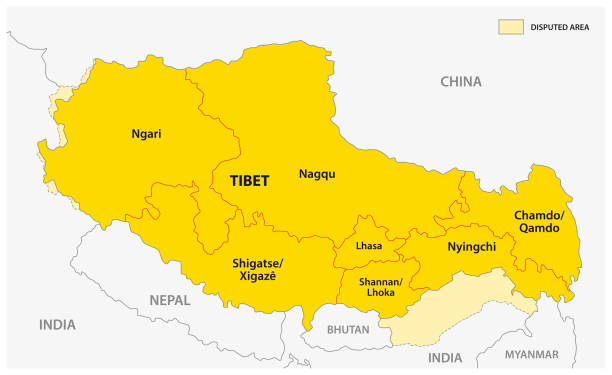
Featured Attractions: Covers spiritual landmarks (Potala Palace, Jokhang Temple), winter ice landscapes (Namtso Blue Ice, Laigu Glacier), high-altitude lakes (Yamdrok Lake, Pum Yumco), and iconic peaks (Mt. Everest, Namcha Barwa, Mt. Kailash, Basum Tso).
Potala Palace: Beat the Crowds and Experience Sacred Tranquility
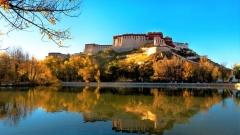
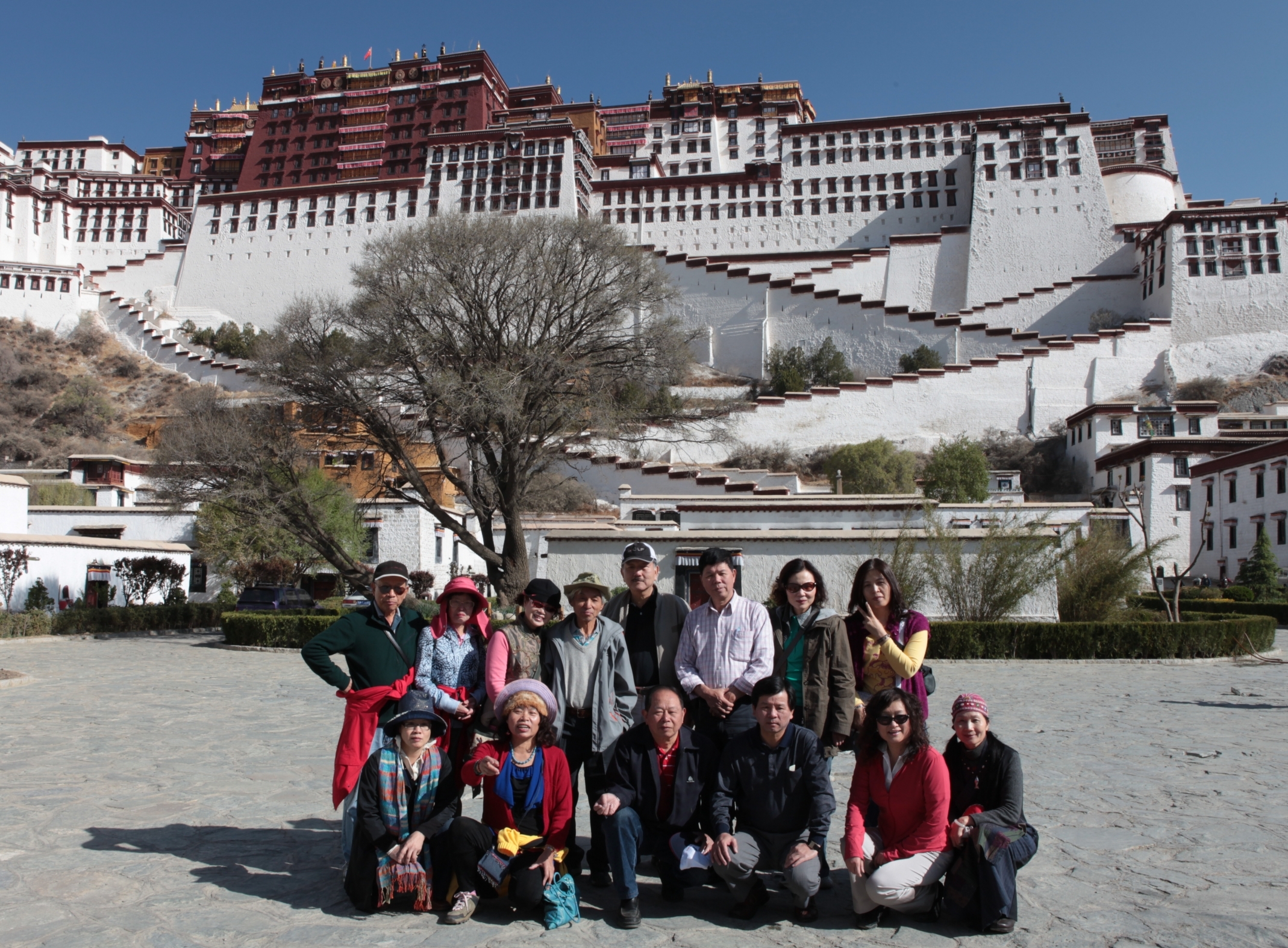
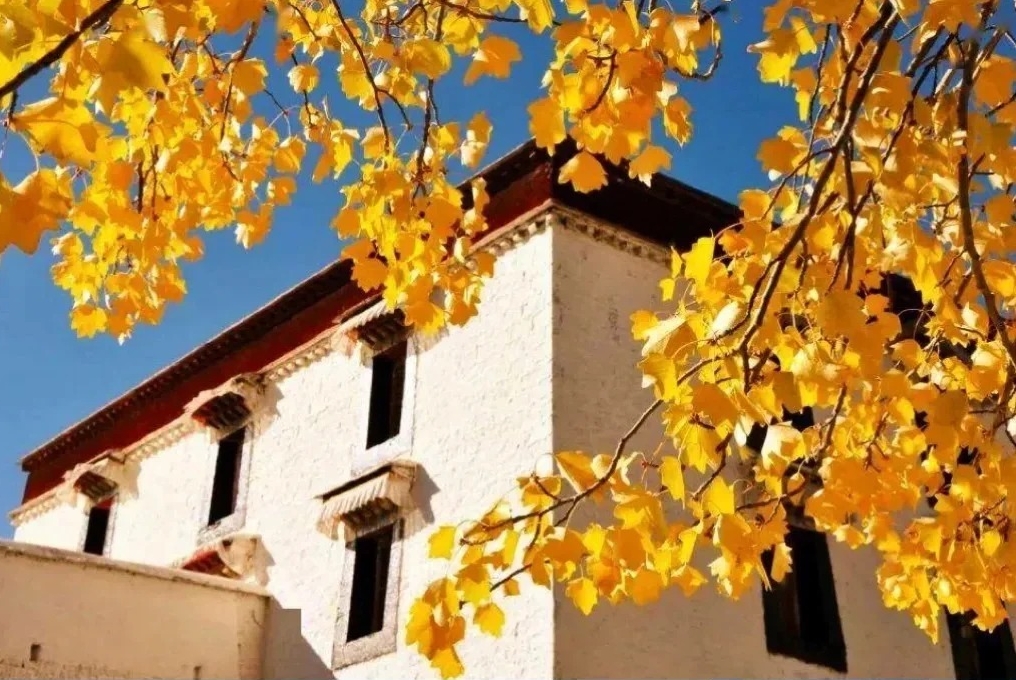
As the iconic landmark of Tibet, getting tickets for the Potala Palace during peak summer can be challenging. In winter, however, the Potala Palace offers free entry (advance reservation required) and far fewer tourists.
Winter sunlight casts warm glows over the red and white palace walls. You can take your time strolling along the stone paths, exploring centuries of history, murals, and Buddhist art without feeling rushed.
Jokhang Temple & Barkhor Street: Immerse in Local Life and Winter Sunshine
There is a saying: “First came the Jokhang Temple, then came Lhasa.” The Jokhang Temple is the spiritual heart of Tibet. Winter coincides with the off-peak farming season, prompting Tibetan pilgrims from Qinghai, Sichuan, and across the region to journey to Lhasa.
In front of the temple, devout pilgrims perform prostrations. Joining the local kora along Barkhor Street or sipping hot butter tea in a local tea house offers an authentic glimpse into daily Tibetan life.
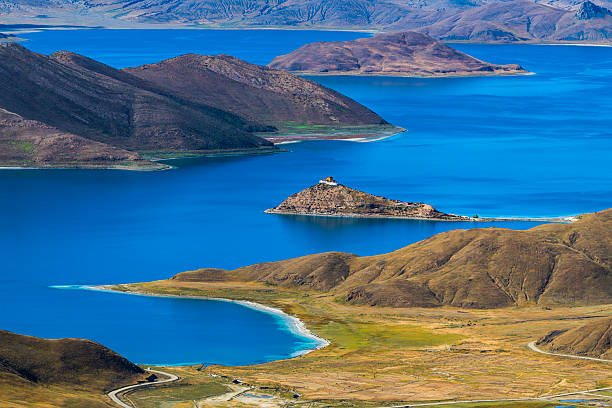
Yamdrok Lake: A Turquoise Ribbon Under the Winter Sky
Yamdrok Lake (Yamdrok Tso), one of Tibet’s three sacred lakes, transforms dramatically in winter.
Under clear winter skies, the lake reflects vibrant shades of turquoise and deep peacock blue. Surrounding snow-capped peaks stand sharply against the horizon, creating a landscape that resembles a fine oil painting.
Namtso Lake: Spectacular Blue Ice and Starry Night Skies
Sitting at an altitude of 4,718 meters, Namtso Lake completely freezes over from December through March, transforming into a massive realm of blue ice.
Massive ice sheets, deep crevices, and frozen waves refract deep blue hues under the sunlight, reminiscent of Lake Baikal. At night, the clear, dust-free winter atmosphere makes Namtso one of the premier locations for stargazing and photographing the Milky Way.
Mount Everest Base Camp: Clear Skies for the Perfect “Golden Peak” Sunrise
During summer, Mount Everest is frequently shrouded in dense clouds. Winter is the best season for clear, unobstructed views of the peak.With stable weather and minimal cloud cover, Everest’s iconic pyramid shape is visible almost every day. Watching the first light of dawn illuminate the summit into a brilliant gold—the legendary “Sunlit Golden Peak”—is a once-in-a-lifetime experience.
Namcha Barwa: Revealing the “Shy Mountain”
Located in Nyingchi, Namcha Barwa was voted China’s most beautiful peak. Because its summit is usually hidden behind mist, locals affectionately call it the “Shy Maiden.”
In winter, warm sunshine clears away the fog, raising your chances of seeing the entire sharp peak to over 80%. Inside the Yarlung Tsangpo Grand Canyon, you can marvel at massive glaciers flowing directly toward the valley floor.
Laigu Glacier: Step Inside a Blue Crystal Palace
Situated in Baxoi County, Chamdo, Laigu Glacier is one of the world’s largest continental glaciers. It is arguably Tibet’s most surreal winter landscape.
From January to March each year, the glacial lake freezes solid, allowing visitors to safely walk across the ice to touch massive blue ice walls and explore glacial caves up close.
Pum Yumco Lake: The “Mirror in the Sky” and Winter Sheep Migration
Pum Yumco Lake lies at an elevation of 5,010 meters in the Shannan region. More secluded than Namtso, its surface freezes into clear blue ice crisscrossed with dramatic fracture lines.
During deep winter, local nomads conduct their traditional ice migration, guiding hundreds of sheep across the frozen lake to fresh pasture—a rare and culturally significant event.
Basum Tso: An Emerald Oasis in Nyingchi
Located in Gongbo’gyamda County at a lower altitude of roughly 3,480 meters, Basum Tso enjoys mild winter weather, making it ideal for travelers concerned about altitude sickness.
The lake retains its stunning emerald-green color throughout winter, surrounded by snow-covered peaks. Tsozong Gongba Monastery, located on the island in the center of the lake, stands in peaceful harmony with the surrounding landscape.
Mount Kailash: A Sacred Journey in Absolute Serenity
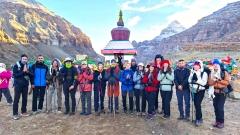
For adventure seekers and spiritual travelers, Mount Kailash in Ngari holds a profound presence in winter.
As a sacred site revered across multiple religions, winter strips away the noise, leaving Mount Kailash in quiet majesty. The snow-covered pyramid stands stark against the deep blue sky, offering an unmatched sense of spiritual solitude.
Practical Tips for Winter Travel in Tibet
-
Warm Clothing & Sun Protection: Temperature swings between day and night are significant. While daytime temperatures can reach 10–15°C in the sun, night temperatures drop below freezing. Pack down jackets, thermal layers, beanies, and gloves. High UV exposure requires strong sunscreen, sunglasses, and lip balm.
-
Preventing Altitude Sickness: Oxygen levels in winter are slightly lower due to dry air. Rest adequately during your first two days, avoid strenuous activity, drink warm water, and keep portable oxygen canisters on hand.
-
Border Permits: Visiting regions like Everest Base Camp, Ngari, Pum Yumco, and border zones in Nyingchi requires a Tibet Border Pass (which can be arranged via your local tour operator in Lhasa).