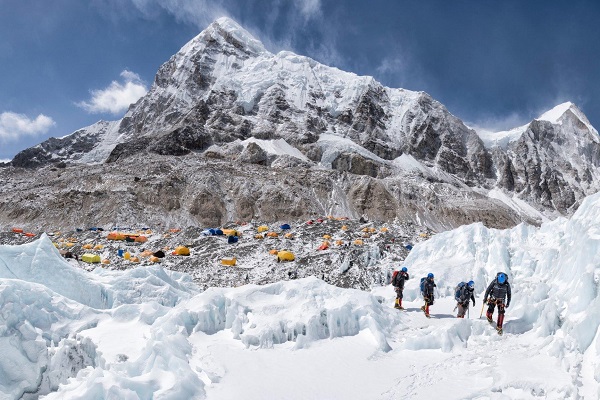
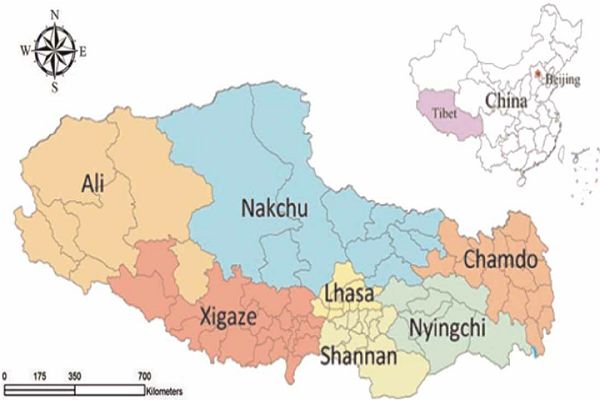
If summer showcases Tibet’s lush green valleys, winter unveils an otherworldly frozen kingdom lost in time.
From December to March, cold, dry air grants the Tibetan Plateau exceptionally clear skies, opening the ideal season for glacier exploration. As glacial lakes freeze into solid ice highways, travelers can walk safely across the ice to step inside towering blue ice caves and gaze at massive ice walls.
Here is your comprehensive guide to Tibet’s top winter glaciers, classic itineraries, and essential safety tips for an unforgettable adventure.
Article Summary
-
Prime Viewing Season: From December to March, glacial lakes freeze solid, providing the only window of the year to walk across the ice, explore natural ice caves, and touch ancient blue ice up close.
-
Top Glacier Destinations: Highlights Laigu Glacier (surreal blue ice caves), Sapu Mountain Glacier (geometric iceberg formations), Kuoqiong Gangri Glacier (closest to Lhasa), and Karola Glacier (a dramatic roadside high-altitude waterfall of ice).
-
Recommended Itineraries: Features two thoroughly tested routes: the “5-Day Nyingchi & Bomi Blue Ice Exploration” and the “6-Day Lhasa, Shannan & Shigatse Glacier Loop.”
-
Safety & Gear Essentials: Emphasizes using metal crampons, preventing ice breaches, dressing for extreme sub-zero winds, and wearing UV400 eyewear to prevent snow blindness.
Top 4 Must-Visit Glaciers in Winter
1. Laigu Glacier: Step Inside a Blue Crystal Palace (Baxoi County, Chamdo)
As one of Tibet’s most renowned maritime glaciers, Laigu Glacier offers the most breathtaking blue ice phenomena in the region.
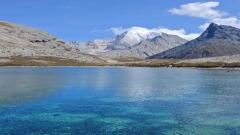
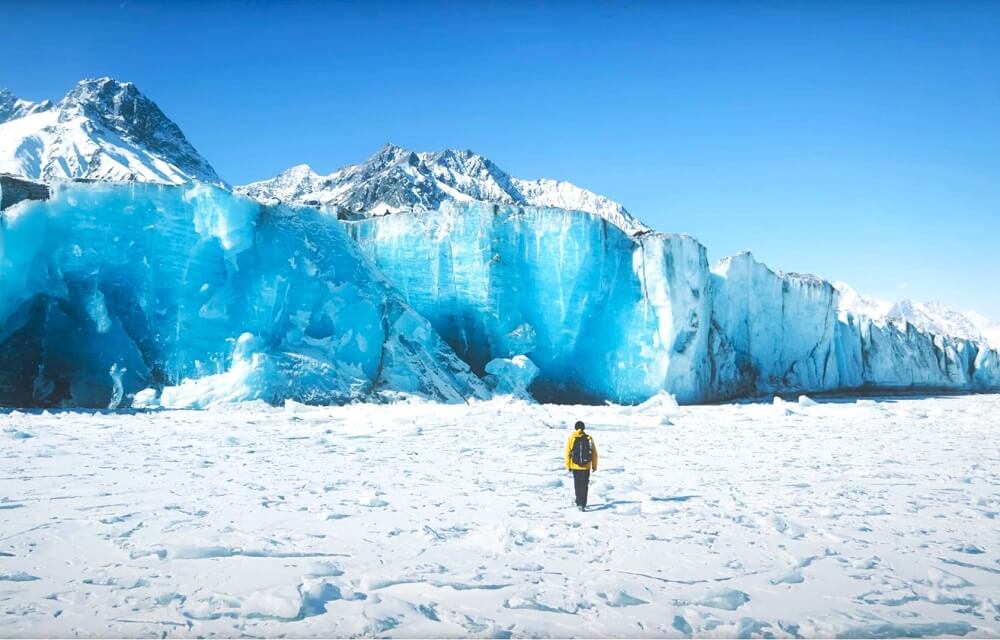
Highlights: Once the lake freezes over in winter, visitors can safely walk across the surface. The ice refracts deep, luminous shades of blue, surrounded by natural ice caves and towering ice walls that feel straight out of a science fiction movie.
2. Sapu Mountain Glacier: Geometric Icebergs at the Sacred Peak (Biru County, Nagqu)
Sapu Mountain is famous for its near-perfect triangular snow peak, which looms over a glacial lake that freezes completely in winter.
Highlights: Sapu features mountain glaciers where giant chunks of ice break off into the lake. Standing in the center of the frozen lake to capture giant icebergs framing the pyramid peak of Mt. Sapu is a dream scenario for photographers.
3. Kuoqiong Gangri Glacier: The Closest Glacier to Lhasa (Damxung County, Lhasa)
If you are short on time, Kuoqiong Gangri is the closest accessible glacier to Lhasa (about a 3- to 4-hour drive).
Highlights: Sitting at an altitude of approximately 5,500 meters, it features well-maintained walkways. You can walk right up to the glacier tongue, touch ancient ice formations, and enjoy panoramic views from the high-altitude plateau.
4. Karola Glacier: A Highway-Side Frozen Epic (Gyangze County, Shigatse)
Located right beside Provincial Highway 307, Karola Glacier requires no strenuous hiking and was famously featured in the classic film Red River Valley.
Highlights: You can admire the massive ice fall cascading down the mountainside directly from the roadside. Under the winter sun, the edges of the ice tongue display striking layers of pale blue and brilliant white.
Recommended Winter Glacier Itineraries
To ensure a smooth journey, here are two tested winter itineraries designed for optimal altitude adjustment and sightseeing:
Route A: National Highway 318 Blue Ice Route (5-Day Bomi & Chamdo Explorer)
Ideal for travelers who want to focus on exploring the blue ice caves at Laigu Glacier with a gradual altitude climb.
Day 1: Lhasa → Basum Tso (Nyingchi) → Lulang Town
Day 2: Lulang → Gangrigabu Spruce Forest (Bomi) → Ranwu Lake (Serene Winter Lake)
Day 3: Ranwu Lake → Laigu Glacier Deep Exploration (Walk on ice & visit blue ice caves) → Return to Bomi
Day 4: Bomi → Yarlung Tsangpo Grand Canyon (View Namcha Barwa at Sunset) → Bayi Town
Day 5: Bayi Town → Return to Lhasa via Lalin Highway
Route B: Lhasa, Shannan & Shigatse Loop (6-Day High-Altitude Landscape Route)
A comprehensive loop combining alpine lakes, classic glaciers, and sunrise at Everest Base Camp.
Day 1: Lhasa → Yamdrok Lake → Karola Glacier → Gyangze Ancient Town → Shigatse
Day 2: Shigatse → Gyatso La Pass → Everest Base Camp (Clear winter sunset & stargazing)
Day 3: Everest Base Camp (Sunrise) → Gawula Pass → Return to Shigatse
Day 4: Shigatse → Nagarze County → Pum Yumco Lake (Sky Mirror & Frozen Ice Fractures)
Day 5: Pum Yumco Lake → Tsedang (Shannan) → Samye Temple
Day 6: Tsedang → Return to Lhasa
Essential Winter Glacier Safety Guidelines
While exploring glaciers is awe-inspiring, these environments present high altitudes and extreme weather. Safety must always come first:
Equip Professional Ice Crampons: Glacial ice and cave interiors are extremely slippery. Never walk on ice in standard sneakers. Always wear or rent metal crampons (at least 8-spike) and use trekking poles to prevent falls.
Beware of Ice Thinning and Cracks: Only walk on ice surfaces that local guides have verified as solid. During early winter or early spring, ice near lake edges may be thin; never venture onto unverified deep-water zones to avoid ice breaches.
Dress for Sub-Zero Temperatures: Glacier valleys experience strong winds and wind chills well below -15°C to -20°C. Use layered clothing: a windproof/waterproof hard shell jacket + down layer + thermal base layer, paired with windproof hats, insulated gloves, face masks, and thick wool socks.
Prevent Snow Blindness & UV Damage: Ice and snow reflect up to 90% of sunlight. Wear UV400-rated sunglasses or snow goggles at all times to protect against snow blindness, and apply high-SPF sunscreen frequently.
Manage Altitude Sickness: Glaciers are situated between 4,500 and 5,500 meters above sea level, where oxygen levels are lower in winter. Maintain a steady walking pace, avoid jumping on the ice for photos, and carry portable oxygen canisters and high-calorie snacks.
Obtain a Tibet Border Pass: Visiting Laigu Glacier, Everest Base Camp, and border lakes like Pum Yumco requires a valid Tibet Border Pass, which can be arranged via your licensed local tour operator.