📌 Highlights:
- 🙏 Core principles of Tibet cultural etiquette shaped by Tibetan Buddhism and ancient local traditions
- 🛕 Clear do’s and don’ts for monasteries, stupas and sacred religious sites
- 🤝 Practical advice for respectful interactions with local Tibetans, including Hada etiquette
- 🍵 Handy dining and daily-life guidance to avoid unintentional cultural offence
- 🏔️ Important rules for sacred mountains, holy lakes and the fragile plateau ecosystem
- ✨ Useful Tibet travel tips for foreign visitors to experience authentic Tibetan culture respectfully
Traveling to Tibet is a once-in-a-lifetime experience that blends breathtaking high-altitude landscapes, profound Tibetan Buddhism culture, and warm ethnic folk traditions. For foreign visitors, exploring snow-capped mountains, sacred lakes, and ancient monasteries allows you to witness the unique charm of Tibet’s plateau civilization. Mastering Tibet Cultural Etiquette Do’s and Don’ts for Foreign Visitors is essential for every international traveler, as local Tibetan culture boasts a long history and rigorous traditional etiquette norms rooted in religious beliefs and ethnic customs. Respecting local Tibet cultural etiquette and avoiding inappropriate behaviors is not only the basic guarantee for a pleasant travel experience but also the core embodiment of cross-cultural respect. This comprehensive guide elaborates on the key norms and taboos for foreign tourists, covering religious sites visits, folk communication, daily behaviors, ecological protection, and dining etiquette, helping you travel politely, safely, and respectfully in Tibet.
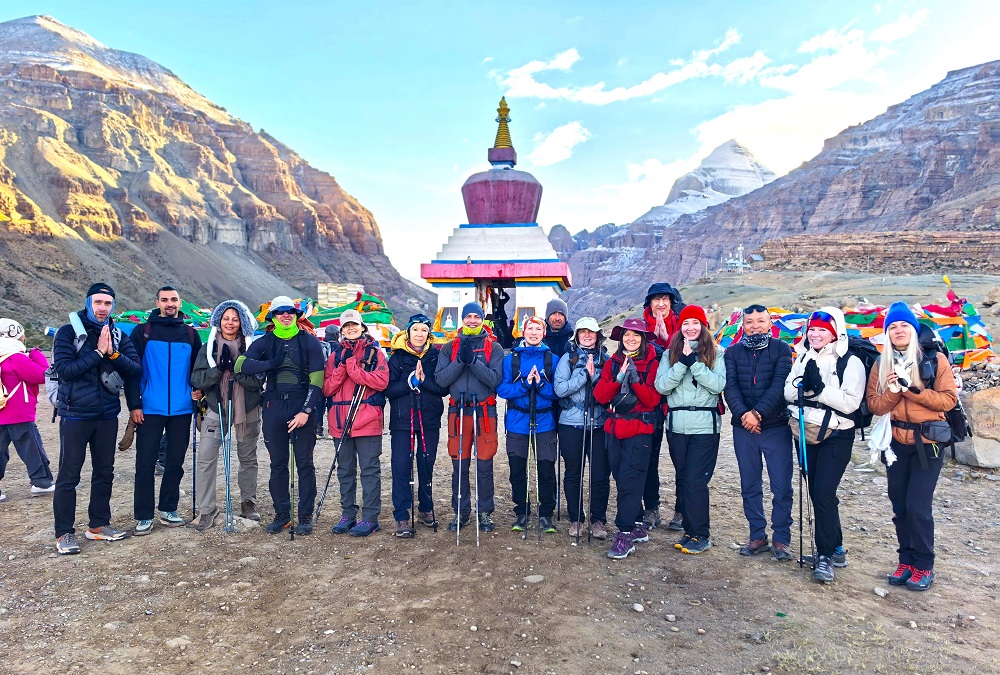
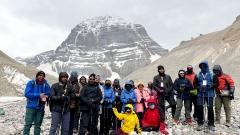
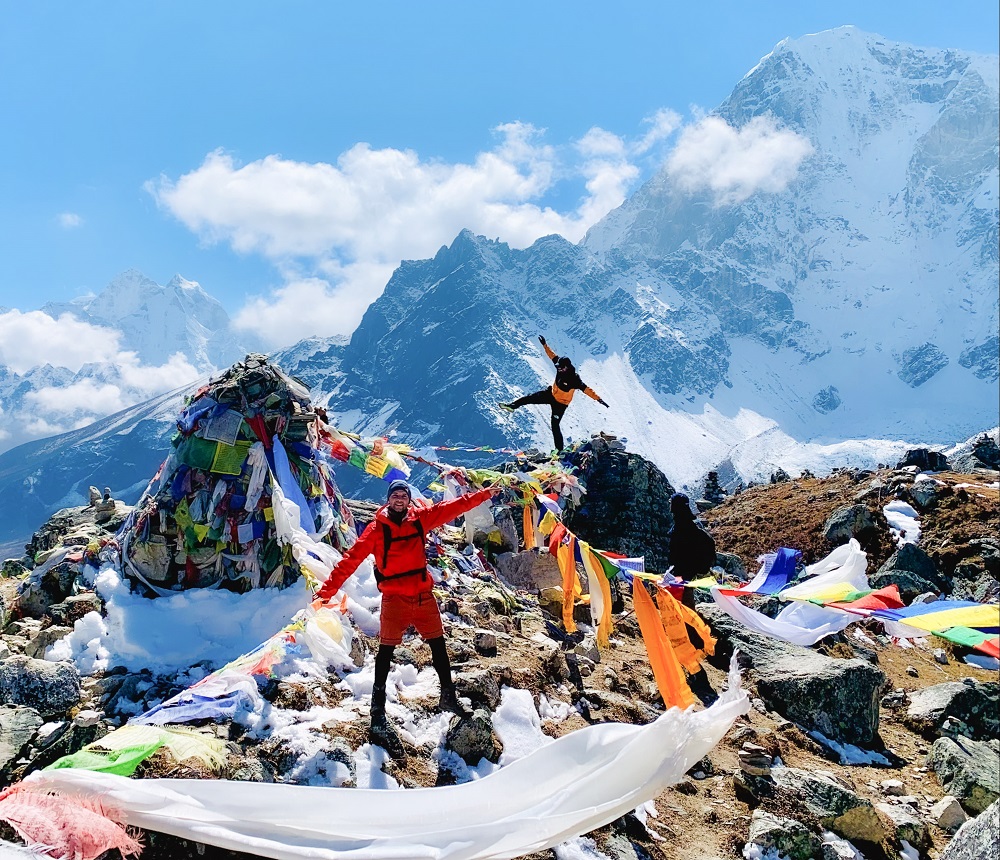
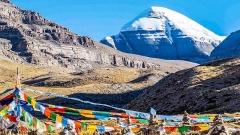
Group photo of tourists at Mount Kailash
Core Principles of Tibetan Cultural Etiquette
Before exploring specific etiquette norms, foreign visitors need to grasp the two core principles of Tibetan traditional culture: reverence for religion and awe for nature. Tibetan people’s daily words and deeds are deeply influenced by Tibetan Buddhism and ancient Bon culture. All traditional etiquettes and taboos originate from the worship of sacred religious objects, natural landscapes, and ethnic traditions.
Unlike conventional tourist destinations, Tibet’s etiquette is not merely a form of politeness but a spiritual and cultural inheritance. Any casual inappropriate behavior may inadvertently hurt local people’s religious beliefs and ethnic feelings. Therefore, maintaining humility, prudence, and respect throughout the journey is the primary rule for foreign tourists to integrate into local life and experience authentic Tibetan culture. Learning basic Tibet travel etiquette for foreigners in advance can effectively avoid unnecessary cultural conflicts during your plateau trip.
Religious Site Etiquette: Do’s and Don’ts for Monastery Visits
Monasteries, stupas, and mani piles are the most sacred religious spaces in Tibet and core scenic spots for most foreign tourists. Religious etiquette is the most rigorous part of Tibet’s cultural norms, and standardized behaviors can fully reflect respect for local beliefs. Following standard Etiquette in Tibet for international tourists is the key to visiting religious sites politely and appropriately.
Must-Follow Do’s
Dress modestly and neatly: When entering all monasteries and religious sites, visitors must keep their clothes formal and conservative. It is essential to cover shoulders and knees; avoid wearing shorts, skirts, tank tops, and overly exposed clothing. Before entering the main hall, take off hats, sunglasses, and masks to show sincerity and reverence.
Follow the clockwise pilgrimage rule: Most Tibetan Buddhist monasteries, stupas, mani piles, and prayer corridors require clockwise circumambulation. Tourists should walk slowly from left to right when visiting and turning prayer wheels. It is worth noting that individual Bon religious sites follow the counterclockwise rule; you can follow the guidance of local guides or signs to avoid mistakes.
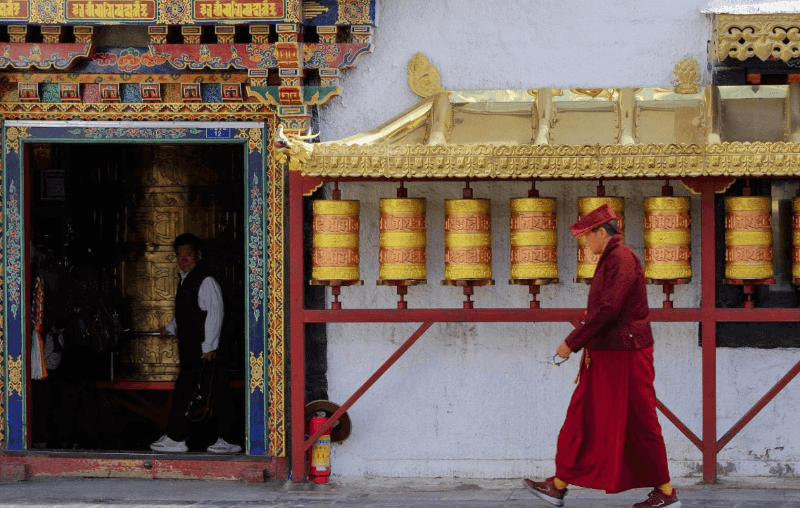
Barkhor Pilgrimage Circuit
Keep quiet and maintain order: The monastery is a place for monks to practice and believers to pray. Keep your voice down or keep silent during the visit, avoid loud talking, laughing, running, and noisy behaviors, and do not disturb religious ceremonies and daily practice activities.
Ask for permission before taking photos: Many monastery halls, Buddha statues, and Thangka murals are prohibited from being photographed. Before shooting any religious facilities, actively ask the staff or tour guide for permission. For scenic spots that allow photography, comply with the charging rules and shooting specifications, and do not use flash to avoid damaging ancient cultural relics.
Strictly Forbidden Don’ts
Do not touch sacred religious objects: Never touch Buddha statues, Thangkas, scriptures, prayer beads, amulets, and altar offerings in the monastery at will. Do not flip scriptures, knock temple bells and drums without permission, or sit on the dedicated seats of lamas and Buddha platforms, which are serious disrespects to religious beliefs.
Do not trample or cross religious supplies: It is forbidden to step on the threshold of the monastery hall, cross prayer flags, prayer wheels, and religious ritual instruments. Do not climb stupas, mani stone piles, and sacred stone monuments for taking photos or sightseeing, and do not move or carve mani stones at will.
Do not make inappropriate comments: Do not make frivolous jokes, cynical remarks, or inappropriate evaluations about Tibetan Buddhism, religious ceremonies, and Buddha statues. Resolve cultural differences with an inclusive attitude and respect local religious beliefs.
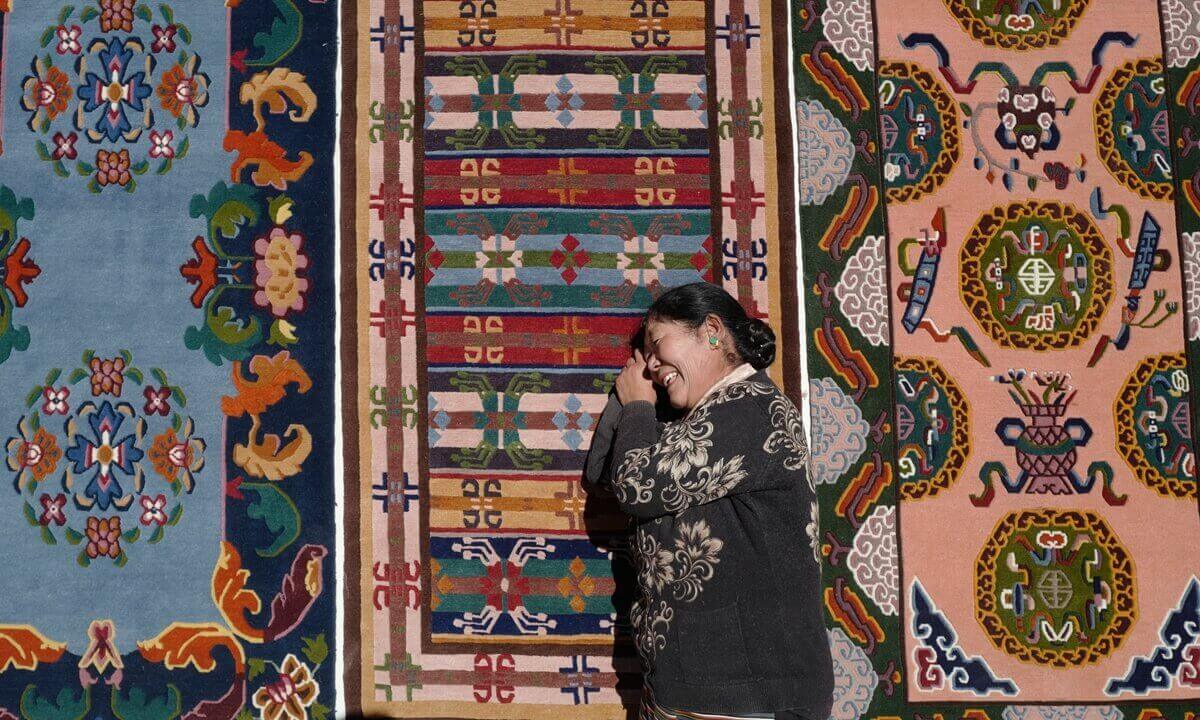
Tibetan Carpet
Folk Communication Etiquette: Interact Respectfully with Local Tibetans
Tibetan people are warm, hospitable, and simple, and standardized communication etiquette can help foreign tourists quickly narrow the distance with locals and experience authentic Tibetan folk customs. Daily communication, guest reception, and body language all have unique cultural taboos, which are vital parts of Tibet Cultural Etiquette Do’s and Don’ts for Foreign Visitors.
Basic Communication Do’s
Receive Hada politely: Hada is the most noble etiquette in Tibetan culture, representing purity, blessing, and respect. When local people present Hada to you, you should bow slightly and receive it with both hands. If the host hangs Hada around your neck directly, nod and smile to express gratitude, and do not take it off immediately.
Use polite body language: When talking with local Tibetans, maintain a gentle attitude and eye contact. When gesturing, use an open palm instead of a single finger to point at people or sacred objects. When sitting indoors, tuck your feet naturally and avoid facing your soles at others, altars, and Buddha statues.
Respect local living habits: When visiting Tibetan families, take the initiative to greet the host and follow the host’s arrangement for seating. Taste the butter tea, barley wine, and Zanba offered by the host appropriately to show recognition of the host’s hospitality, which is an important way to reflect friendliness.
Critical Communication Don’ts
Never touch others’ heads casually: In Tibetan culture, the head is regarded as the most sacred part of the human body. It is strictly forbidden to touch the heads of local elders, children, and lamas at will, even out of kindness and friendliness, which will be regarded as an act of disrespect.

Tibet Tourists
Avoid inappropriate sitting postures: Do not sit cross-legged or shake your legs when communicating with locals or visiting families. Do not step on tables, stoves, and daily utensils, and do not put your feet on furniture, which violates local folk taboos.
Do not pry into private life: Do not casually ask locals about their religious beliefs, family income, and private life. Do not take photos of local residents, especially lamas and praying believers, without permission to avoid disturbing others’ normal life.
Dining and Daily Life Etiquette
Tibetan diet and daily life are closely combined with religious beliefs and plateau living habits. Abiding by dining etiquette and daily taboos can help foreign tourists adapt to plateau life faster and avoid cultural misunderstandings. Mastering these standardized behaviors is one of the most practical Tibet travel tips for foreign visitors.
Dining Do’s
Follow dietary norms: When tasting Tibetan characteristic foods such as Zanba, butter tea, and beef and mutton, eat gently and avoid waste. When drinking barley wine, follow the local toasting etiquette; if you cannot drink, politely explain and gesture to decline, and do not refuse rudely.
Keep dining environment clean: Whether in restaurants or Tibetan families, keep the dining area tidy. The plateau ecological environment is fragile, so take the initiative to take away domestic garbage and maintain environmental hygiene.
Dining and Daily Don’ts
Strictly abide by killing taboos: Tibetan Buddhism advocates compassion and prohibits killing. Do not hunt, hurt, or drive wild animals such as vultures, fish, and plateau livestock. Do not kill insects at will, and respect the local ecological and religious taboos of prohibiting killing.
Do not waste food and water: Water resources and food on the plateau are precious. Do not waste butter tea, barley wine, and food. Do not spit or litter in water sources such as sacred lakes and river streams to avoid polluting sacred water bodies.
Avoid inappropriate daily behaviors: Do not smoke, spit, or litter in monasteries, religious activity areas, and sacred scenic spots. Do not swim or wash clothes in sacred lakes without authorization, and do not damage plateau vegetation and sacred rocks.
Plateau Ecological and Scenic Spot Etiquette
Tibet is famous for its primitive and pure plateau ecology and sacred natural landscapes. Local people have worshipped mountains and lakes since ancient times, and all natural sacred sites have corresponding cultural taboos. Protecting the ecological environment and abiding by scenic spot etiquette is an important part of Tibet cultural etiquette.
Protection Do’s
Protect plateau vegetation and landforms: Walk along fixed tourist routes and formal roads during the trip. Take the initiative to protect alpine meadows, shrubs, and wild plants, and maintain the original appearance of the plateau landforms.
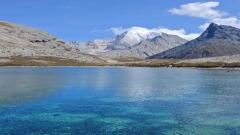
Respect sacred natural landscapes: Sacred mountains, sacred lakes, and ancient forests are sacred in local culture. Keep a respectful attitude when visiting, watch quietly, and feel the cultural connotation behind the natural scenery.
Strict Don’ts
Do not damage ecological resources: It is forbidden to pick wild flowers and plants, dig plateau herbs, and collect sacred stones and mani stones at will. Do not trample on grasslands or destroy vegetation, so as not to damage the fragile plateau ecological environment.
Do not disturb pastoral life: Do not chase, tease, or drive yaks, sheep, and other livestock of local herdsmen. Do not break into pastoral private pastures at will to avoid disturbing local production and life.
Why Learning Tibetan Cultural Etiquette Matters for Foreign Visitors
Many foreign tourists mistakenly believe that travel only needs to enjoy the scenery, and etiquette is an insignificant detail. In fact, learning and abiding by Tibet’s cultural etiquette has multiple important values.
First, it is the basic respect for local ethnic culture and religious beliefs, avoiding unnecessary cultural conflicts and misunderstandings caused by cultural differences. Second, abiding by etiquette can help tourists integrate into local life, get closer to Tibetan culture, and obtain a deeper travel experience beyond scenery viewing.
In addition, standardized travel behaviors help foreign tourists avoid violating local taboos, ensure a smooth and safe trip, and establish a good image of civilized foreign travelers. Every polite behavior and respectful gesture can convey cross-cultural friendship and promote mutual understanding between different cultures. Grasping Tibet travel etiquette for foreigners allows every international tourist to experience the warmth and profundity of Tibetan culture truly.
Final Travel Tips for Foreign Tourists
Tibet’s unique culture is precious wealth of Chinese ethnic civilization. For every foreign visitor, traveling in Tibet is a process of cultural perception and learning. The core of all Tibetan cultural etiquette is reverence and tolerance. When you are unfamiliar with the norms, the safest way is to follow the guidance of professional tour guides and local residents, observe more and act cautiously. Our experienced local guides are well-trained in Tibet cultural etiquette and will brief you on customs before every monastery and village visit.

Do not let unfamiliar taboos affect your travel experience. With a humble and respectful attitude, abide by religious etiquette, folk norms, and ecological protection rules, respect every local custom and belief, and you will surely feel the most sincere hospitality of Tibetan people and the most profound charm of plateau culture.
Conclusion
Mastering Tibet Cultural Etiquette Do’s and Don’ts for Foreign Visitors is a compulsory course for foreign visitors traveling to the plateau. From monastery religious norms to folk communication details, from dining daily taboos to ecological protection principles, every etiquette rule carries the heritage of Tibetan traditional culture and the spiritual beliefs of local people. Respecting Etiquette in Tibet for international tourists is not only a manifestation of civilized travel but also the best interpretation of cross-cultural respect. Abide by the above norms, travel politely and respectfully, and start your unforgettable plateau cultural journey with professional Tibet travel tips for foreign visitors.