✨ Highlights:
- 🏞️ Slow-paced plateau travel experience: Escape rushed sightseeing and enjoy a relaxing, immersive journey through the cultural heart of Central Tibet.
- 🏯 In-depth sacred landmark exploration: Visit iconic Potala Palace, Jokhang Temple and ancient monasteries to discover thousand-year-old Tibetan civilization.
- 👐 Genuine local cultural immersion: Experience real Tibetan daily life, traditional art, folk customs and authentic plateau food with local residents.
- 📜 Rich cultural heritage discovery: Trace the origin and inheritance of Tibetan culture in Lhasa, Shannan and Shigatse, the core regions of Tibetan civilization.
- 📅 Practical travel guide: Learn the ideal travel season and professional plateau travel tips for a comfortable and in-depth cultural tour.
For most travelers, Tibet is synonymous with snow-capped peaks, sacred lakes, and mysterious Buddhist culture. However, rushed itinerary-style travel often makes it impossible to capture the true charm of the snowy plateau. A slow-paced Central Tibet tour abandons the traditional fast sightseeing mode, allowing travelers to step away from the noisy crowds, slow down their pace, and deeply integrate into the local life, religious customs, traditional art and folk culture of Central Tibet. Central Tibet, centered on Lhasa and covering Shannan, Shigatse and surrounding core areas, is the birthplace and core inheritance area of Tibetan civilization. It gathers the most complete historical relics, authentic folk customs and pure religious traditions in Tibet.
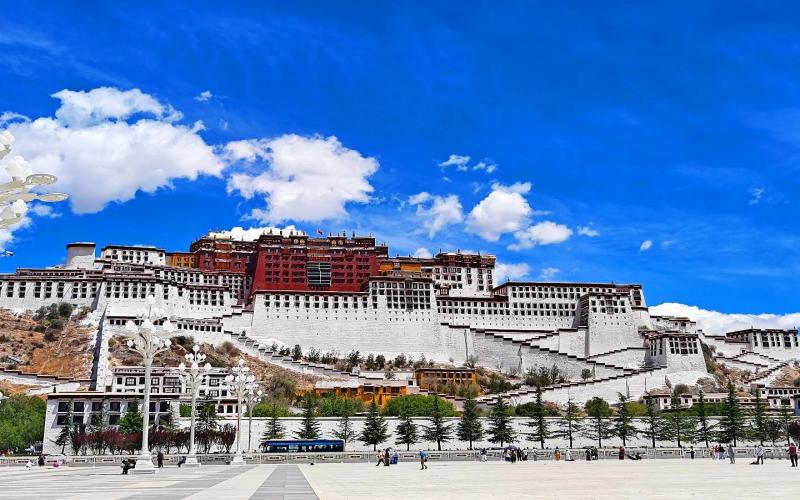
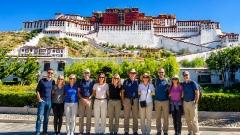
Potala Palace
This in-depth cultural travel guide will take you to explore the essence of Central Tibet’s local culture, help you understand why slow travel is the best way to unlock the real Tibet, and provide practical travel tips for your plateau cultural journey. A slow-paced Central Tibet cultural tour focuses on quality over quantity, making it ideal for travelers seeking genuine spiritual and cultural enrichment on the Qinghai-Tibet Plateau.
Why Choose a Slow-Paced Central Tibet Cultural Tour?
Many tourists choose compressed multi-day Tibet tours, rushing between classic scenic spots every day, taking photos and checking in in a hurry, leaving only superficial impressions of the plateau. In fact, the core charm of Central Tibet lies not in superficial landscape viewing, but in the profound cultural heritage and down-to-earth local life. A slow-paced tour completely subverts the traditional travel model, focusing on cultural perception and immersive experience rather than route quantity. A true Central Tibet cultural immersion tour prioritizes connection with local communities, ancient traditions and sacred heritage sites rather than quick photo opportunities.
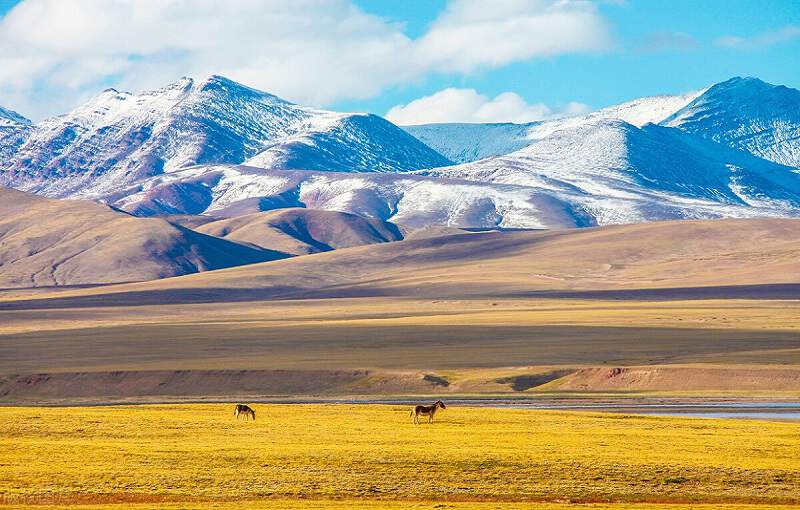
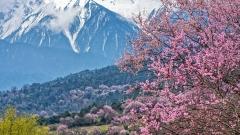
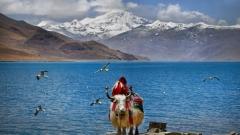
Tibetan Plateau
Central Tibet is the soul of Tibetan culture. As the political, religious and cultural center of Tibet for thousands of years, it boasts numerous world cultural heritage sites, ancient temples with a history of thousands of years, intact Tibetan villages and inherited intangible cultural heritage. Different from the remote no-man’s land scenery of northern Tibet and the steep canyon landscape of eastern Tibet, Central Tibet has a mild altitude environment, complete living facilities and concentrated cultural resources, which is very suitable for slow travel and in-depth exploration. This region preserves the most valuable components of a genuine Tibet cultural heritage tour, showcasing millennia-old traditions that define Tibetan civilization.
Slow travel allows you to fully adapt to the plateau altitude, avoid altitude sickness caused by rapid movement, and spend enough time communicating with local Tibetans, watching pilgrims’ pious rituals, appreciating traditional Thangka art, and tasting authentic Tibetan food. Every link is an in-depth dialogue with Tibetan culture, making your Tibet journey no longer a superficial sightseeing trip, but a valuable cultural pilgrimage experience filled with authentic Tibetan cultural experience you can never get from rushed group travel.
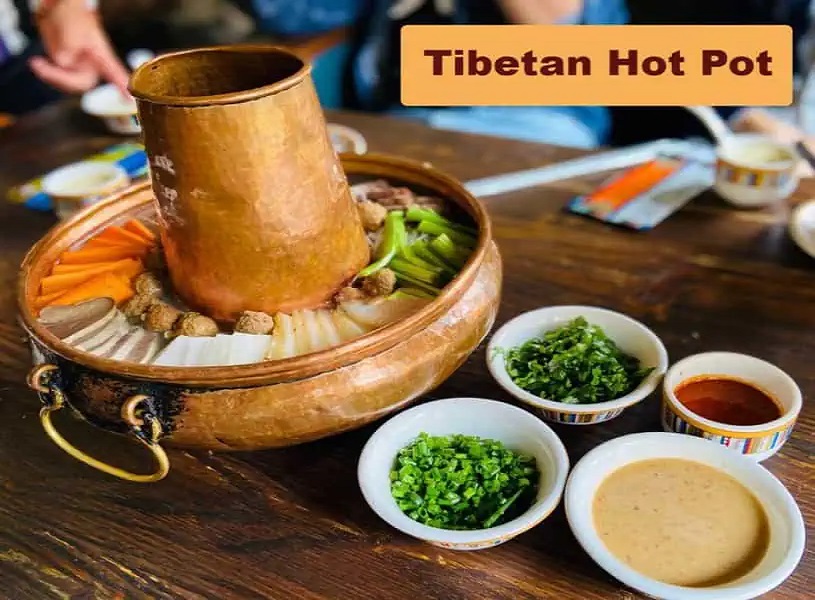
Tibetan Food Hotpot
Core Cultural Attractions in Central Tibet: Slow Visit & In-Depth Interpretation
The cultural essence of Central Tibet is concentrated in ancient temples, old streets and historical buildings. Different from fast ticket checking and photo taking, slow travel focuses on exploring the historical stories, religious connotations and cultural details behind each attraction. The following core scenic spots are must-visit destinations for in-depth cultural travel in Central Tibet.
Lhasa: The Holy City Integrating Faith and Life
As the core city of Central Tibet, Lhasa carries thousands of years of Tibetan Buddhist culture and folk customs. A slow tour of Lhasa does not require rushing between scenic spots, but wandering slowly in the old city to feel the integration of faith and daily life. An unforgettable way to explore the holy city is to embark on an Explore Potala Palace and Jokhang Temple slow tour, which lets travelers dive deep into the two most iconic landmarks of Tibetan culture without time pressure.
The Potala Palace, a world cultural heritage, is a symbol of Tibetan culture. Different from the fast group tour route, slow travel allows you to carefully appreciate the exquisite murals, ancient Buddha statues, precious cultural relics and unique Tibetan architectural art in the palace. You can listen to the inheritance stories of Tibetan Buddhism, understand the historical evolution of the Potala Palace, and feel the grandeur and solemnity of plateau religious architecture.
Jokhang Temple, known as the “heart of Tibet”, is the oldest temple in Lhasa and the core of Tibetan Buddhist pilgrimage. The flickering butter lamps, ancient prayer halls and devout pilgrims here interpret the most authentic religious beliefs of Tibet. Strolling around the temple with local pilgrims, rotating the prayer wheels along the Barkhor Street kora path, you can feel the pious and peaceful religious atmosphere that has lasted for thousands of years.
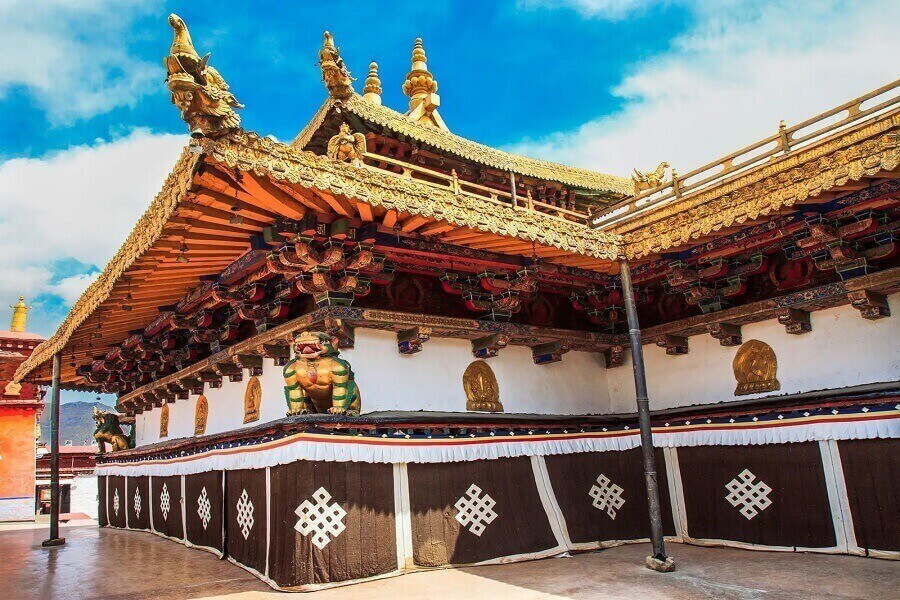
Jokhang Temple
Sera Monastery is famous for its unique monk debate ceremony. Every afternoon, the monastery’s debate courtyard is full of vitality. Monks conduct Buddhist scripture debates with standardized body language and loud voices, which is a unique living cultural scene of Tibetan Buddhism. Stopping here to watch the whole debate process and understand the Buddhist inheritance model, you can intuitively feel the vivid heritage of Tibetan religious culture.
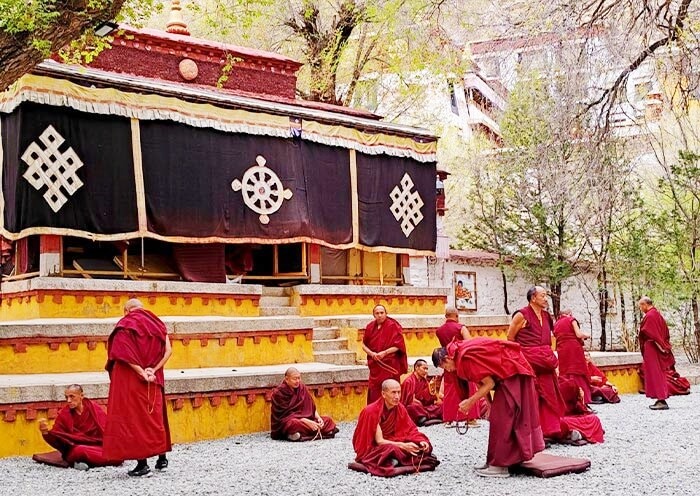
Monks Engaged in Debate at Sera Monastery
Shannan: The Birthplace of Tibetan Civilization
Shannan, located in the south of Lhasa, is known as the “cradle of Tibetan culture”. It is the birthplace of the Tibetan king civilization and has numerous firsts in Tibetan history, retaining the most primitive and authentic Tibetan cultural customs.
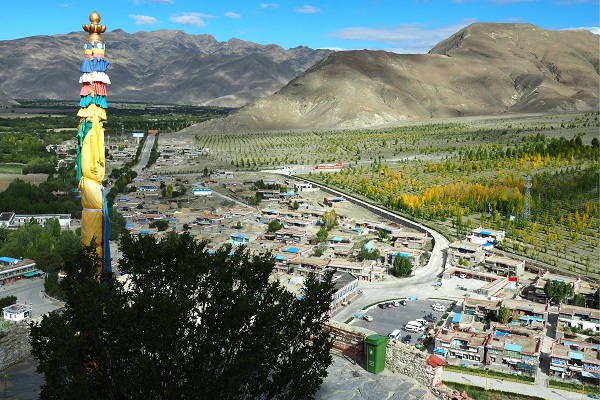
Yumbulagang Palace
Yumbulagang Palace, the first palace in Tibetan history, stands on the hillside of the Yarlung River Valley. Slow climbing to the top of the palace, you can overlook the vast valley scenery and understand the origin and development of Tibetan royal culture. Samye Monastery, the first formal Buddhist monastery in Tibet, has a unique architectural pattern that integrates Tibetan, Han and Indian styles. The four-color guard towers and ancient temple walls carry the historical traces of the spread and localization of Tibetan Buddhism, allowing people to feel the inclusiveness and profound heritage of early Tibetan culture.
Shigatse: The Inheritance Center of Tibetan Gelug Culture
Shigatse, the second largest city in Tibet, is an important inheritance base of Tibetan Gelug Buddhism. Tashilhunpo Monastery, a century-old ancient temple, is the core scenic spot of Shigatse’s cultural travel. The grand temple buildings, exquisite Buddha halls and huge Buddha statues show the superb architectural and artistic level of ancient Tibet. Walking slowly in the monastery, watching lamas cleaning the halls and reciting scriptures, you can experience the simple and devout religious atmosphere of traditional Tibetan temples.
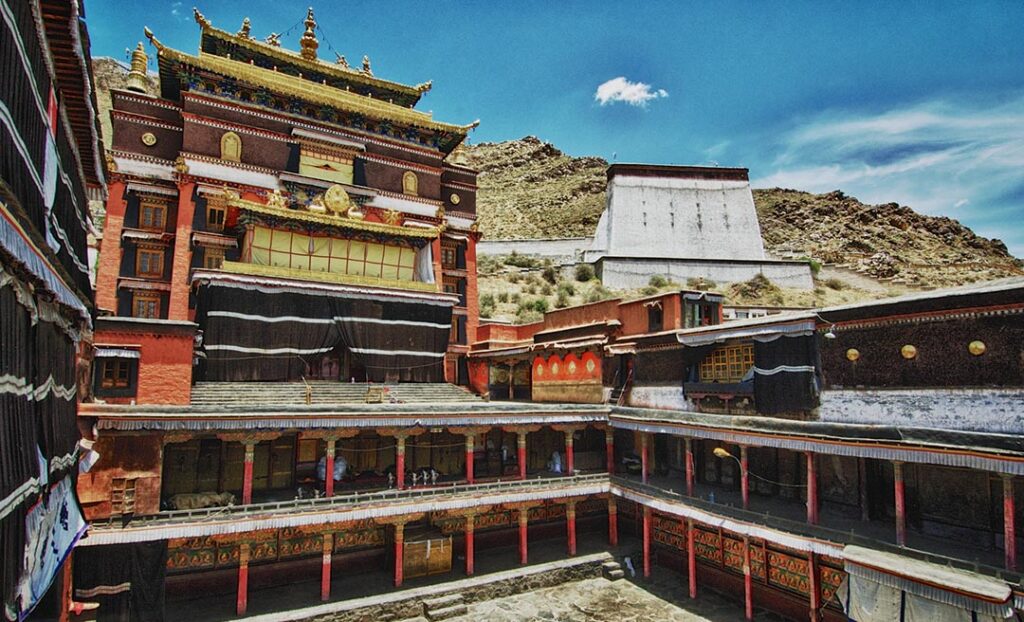
Tashilhunpo Monastery
Immersive Local Culture Experience: The Core of Slow Central Tibet Tour
The biggest difference between slow travel and ordinary travel is immersive local experience. Beyond scenic spot sightseeing, in-depth perception of Tibetan folk customs, traditional art, food culture and daily life is the core value of Central Tibet cultural travel.
Traditional Tibetan Art Inheritance Experience
Central Tibet gathers the top inheritors of Tibetan intangible cultural heritage. During the slow tour, you can visit local Thangka art studios and handcraft workshops to watch artists create Thangka, Tibetan carpet weaving, Tibet’s thangka painting and wood carving art. Thangka, as the most representative traditional art of Tibet, has complex painting techniques and rich religious connotations. Under the guidance of intangible cultural heritage inheritors, you can learn the basic painting skills of Thangka, understand the color matching principles and religious meanings of Thangka, and feel the persistence and ingenuity of Tibetan artists inherited from generation to generation.
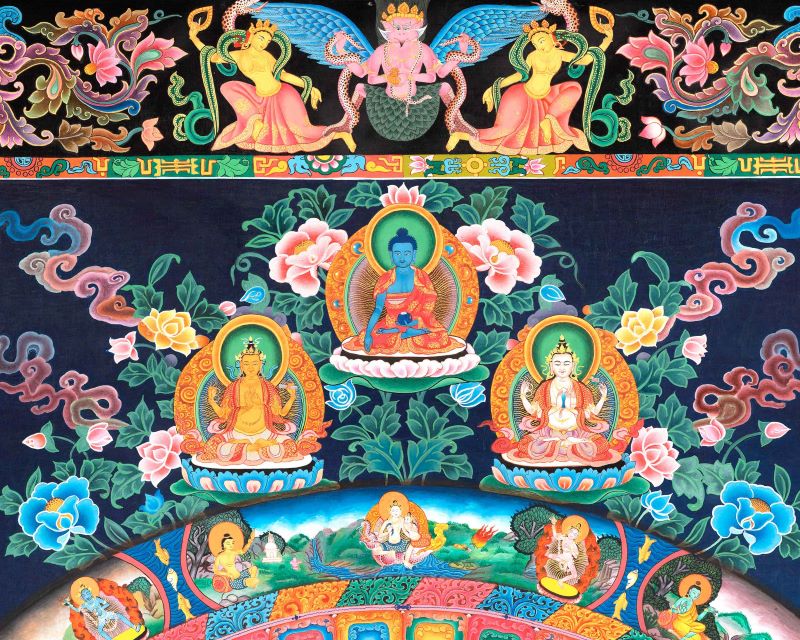
Thangka
Authentic Tibetan Folk Life Perception
Leaving the urban scenic spots, driving slowly to the surrounding Tibetan villages of Lhasa and Shannan, you can approach the most authentic Tibetan folk life. Local villagers maintain traditional living customs: wearing handmade Tibetan costumes, grazing yaks, planting highland barley, and holding traditional folk activities in festivals. You can stay in Tibetan homestays, chat with local Tibetans, understand their living habits and festival customs, and experience the simple and warm plateau folk customs.
Tibetan Food Culture In-Depth Taste
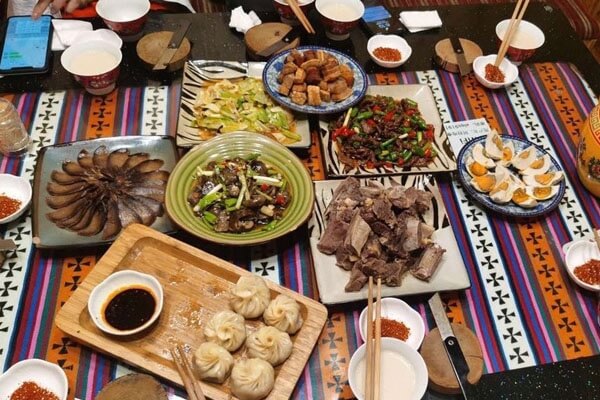
Food is an important carrier of regional culture. A slow tour of Central Tibet allows you to abandon fast food and taste authentic plateau delicacies carefully. Traditional butter tea, highland barley wine, tsampa, yak meat and Tibetan yogurt are not only the daily food of Tibetans, but also the crystallization of plateau survival wisdom. Learning to knead tsampa and brew butter tea with local villagers, feeling the unique dietary culture adapted to the plateau environment, can let you understand the unique life culture hidden behind Tibetan food.
Religious Ritual and Pilgrimage Culture Understanding
Religious culture is the core of Tibetan culture. In Central Tibet, you can witness the most complete pilgrimage rituals all year round. Early in the morning, pilgrims walk slowly along Barkhor Street, rotating prayer wheels and reciting scriptures devoutly. On important Buddhist festivals, temples will hold grand scripture-reciting ceremonies and Buddha-unfolding activities. Watching these traditional rituals and understanding the connotation of Tibetan Buddhist beliefs, you can truly feel the power of faith that has nurtured the Tibetan people for thousands of years.
Practical Tips for Slow-Paced Central Tibet Cultural Tour
To ensure a comfortable and in-depth cultural travel experience, reasonable travel arrangements and necessary preparation are essential. The following practical tips are tailored for slow-paced Central Tibet tours, helping you better integrate into local culture.
1. Reasonable itinerary arrangement: It is recommended to arrange 6-8 days for Central Tibet slow travel, focusing on Lhasa, Shannan and Shigatse. Avoid arranging too many scenic spots every day, reserve 2-3 hours of free time every day for wandering, communication and experience, and refuse itinerary tension. Arrive in Lhasa one day in advance to adapt to the altitude and avoid altitude sickness affecting cultural experience.
2. Cultural taboo compliance: When visiting temples and participating in religious activities, keep quiet and solemn, do not take photos casually, do not step on prayer flags and mani stones, and respect local religious beliefs and folk customs. When communicating with local Tibetans, maintain a polite and respectful attitude to avoid cultural misunderstanding.
3. Best travel time: Many travelers wonder about the best time to visit Central Tibet for cultural travel. The answer is from May to October. The weather is mild, the vegetation is lush, and the plateau scenery is beautiful. Especially in autumn from September to October, the old streets of Lhasa and the valleys of Shannan are quiet and comfortable, which is very suitable for slow walking and cultural perception.
4. Clothing and supplies preparation: The plateau temperature difference is large, even in summer, you need to prepare thick coats. Bring sunscreen, sunglasses and hats to resist strong plateau ultraviolet rays. It is recommended to carry a small notebook to record cultural knowledge and travel insights encountered during the trip.
Conclusion: Slow Down to Meet the True Tibetan Culture
A slow‑paced Central Tibet tour is not only a trip to the plateau, but also a spiritual journey of cultural perception and soul healing. It abandons the impetuous fast sightseeing mode, takes cultural in-depth exploration as the core, and allows every traveler to walk into the depths of Tibetan culture from superficial viewing. From the ancient temples and old streets of Lhasa to the birthplace of civilization in Shannan, and the Buddhist holy land in Shigatse, every inch of land in Central Tibet hides profound historical heritage and warm local customs.
Only by slowing down can you hear the voice of thousands of years of plateau civilization, feel the pious power of Tibetan faith, and perceive the unique charm of integrated plateau nature and culture. If you are tired of crowded scenic spots and rushed travel, choose a slow-paced Central Tibet cultural tour, immerse yourself in the local Tibetan culture, and leave a precious and authentic plateau travel memory.