✨ Highlights:
- 📶 SIM Card & eSIM Options. Learn how to purchase and activate a local Tibet SIM card for foreign tourists, plus eSIM alternatives for passport holders. Compare China Mobile, China Telecom and China Unicom coverage across Lhasa, Yamdrok Lake and Everest Base Camp.
- 🌐 Internet Tips for the Tibetan Plateau. Find reliable Tibet mobile data for overseas travelers, understand network limitations and public WiFi safety advice for international visitors in Tibet.
- 💳 Practical Payment Guidance. Master payment methods for international tourists in Tibet, including international Alipay / WeChat Pay with Visa & Mastercard binding, digital RMB and recommended RMB cash reserves.
- ✅ Troubleshooting & Pre-Trip Prep. Get step-by-step activation instructions, APN settings, common payment pitfalls and a simple one-stop connectivity plan before your plateau journey.
- ❓ FAQs for Quick Reference. Answers to the most frequent questions about roaming, real-name registration and mobile payment requirements for foreign visitors exploring Tibet.
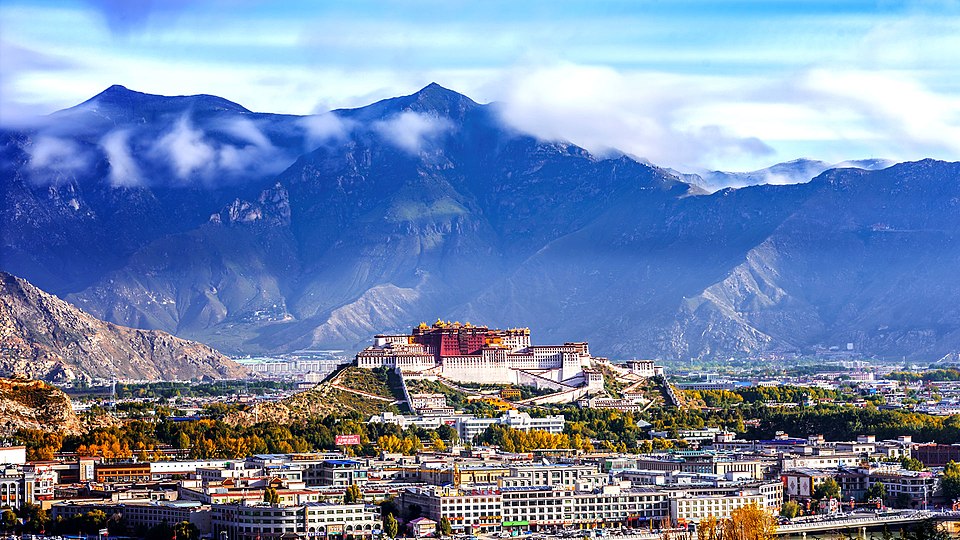
Traveling to Tibet is a once-in-a-lifetime experience for international tourists. Boasting stunning high-altitude landscapes, ancient Tibetan culture, and unique plateau scenery, Tibet attracts countless global travelers every year. However, many international visitors encounter practical challenges during their trip: unstable mobile internet, confusing SIM card application rules, and unfamiliar local payment systems. These minor issues can easily affect travel efficiency and vacation experience.
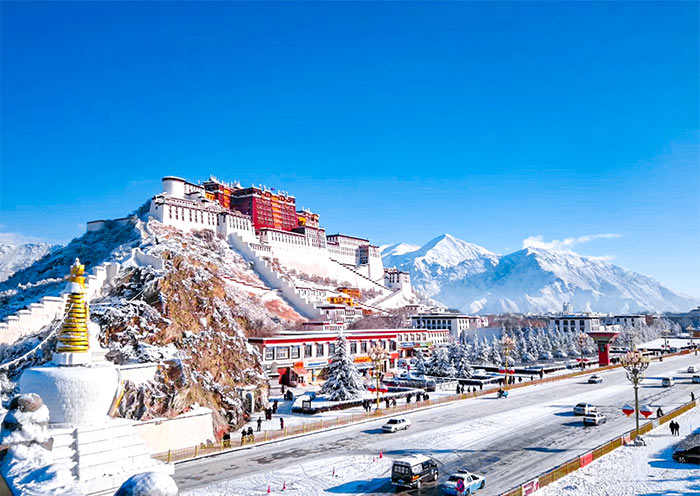
Potala Palace in Winter
To help foreign tourists enjoy a smooth, hassle-free journey, this comprehensive guide shares professional and updated tips covering every detail of SIM Card, Payment & Internet Tips for International Tourists in Tibet. Covering carrier comparison, remote area network coverage, international payment binding, cashless consumption rules, and common troubleshooting, this article serves as a must-read practical manual focusing on Tibet mobile data for overseas travelers and daily travel connectivity solutions for all international visitors exploring Tibet.
Complete Guide to Tibet SIM Card for Foreign Tourists
Unlike domestic travel in most countries, purchasing and activating a mobile SIM card in Tibet follows standardized real-name registration rules, with exclusive tourist packages designed specifically for foreign visitors. International roaming of overseas SIM cards is not recommended here—roaming fees are extremely expensive, and network signals are unstable in plateau and remote areas, often causing network disconnection and delayed service. Choosing a local Chinese tourist SIM card is the most cost-effective and stable solution to solve all your needs for Internet in Tibet for international visitors during your plateau trip.
Top Mobile Carriers in Tibet & Coverage Comparison
Three major official carriers provide full network coverage in Tibet, with obvious differences in signal stability, especially in remote scenic areas. Choosing the right carrier is the key to smooth internet access during plateau travel.
China Mobile: It boasts the widest 4G network coverage in Tibet, covering almost all urban areas, scenic spots, mountain roads, and remote pastoral areas. It is the most reliable choice for tourists traveling to remote destinations such as Namtso, Yamdrok Lake, and Mount Everest Base Camp. The signal stability far exceeds other carriers in high-altitude and sparsely populated areas, with no frequent disconnection.
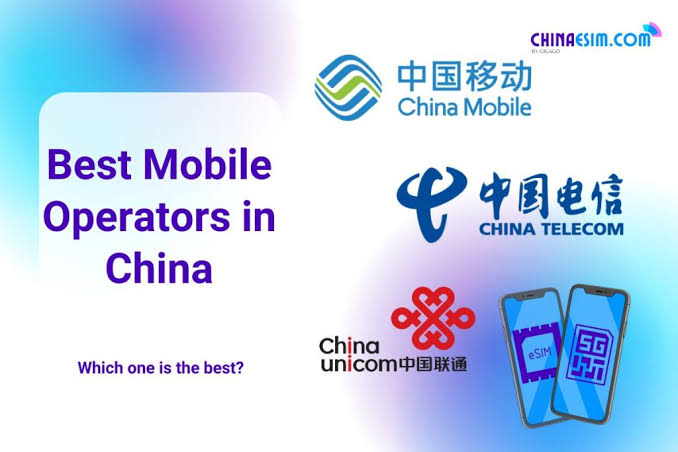
China Telecom: It features stable urban signals and affordable packages, with good coverage in Lhasa, Shigatse, and other core tourist cities. It is suitable for tourists who mainly visit urban scenic spots and have low demand for remote area network access.
China Unicom: Its advantage lies in cost-effective tourist data packages and fast network speed in urban areas. It has launched exclusive CUBe Card for foreign tourists, integrating communication, digital RMB payment and transportation payment functions, which is convenient for international visitors to use comprehensively.
Best Tourist SIM Card Packages & eSIM Options (2026 Updated)
All three carriers launch short-term prepaid packages exclusively for foreign tourists, with no long-term contract restrictions, flexible validity, and sufficient data for travel shooting, navigation, and communication. For tourists who prefer contactless and convenient activation, Tibet eSIM for international tourists is a perfect alternative to physical cards, supporting remote pre-purchase and one-click activation after landing.
The mainstream physical SIM card packages are unified in price and cost-effective:
- 10GB High-speed Data Package: Priced at 99 RMB (about 14 USD), valid for 7–15 days, suitable for short-term Tibet travel. It supports 4G full-network access, free local calls and SMS, and meets daily navigation, photo uploading, and social networking needs.
- 20GB High-speed Data Package: Priced at 169 RMB, valid for 30 days, ideal for in-depth Tibet itinerary covering multiple cities and remote scenic spots.
- Exclusive Foreign Tourist CUBe Card (China Unicom): A newly upgraded all-in-one card for international visitors, integrating mobile data, voice calls, digital RMB payment and public transportation payment. It can be activated with a passport only, no additional APP registration required, realizing one-card multi-purpose.
How to Buy & Activate a SIM Card (Step-by-Step for Foreigners)
Due to China’s real-name registration policy, international tourists cannot buy anonymous SIM cards. The formal and valid purchasing process is as follows:
1. Prepare Documents: Bring your original valid passport (no copies accepted) and complete real-name facial verification on-site, which takes 1–3 minutes.
2. Official Purchasing Channels: Buy at official carrier service halls in Lhasa Airport, Lhasa Railway Station, and urban core areas. Avoid unlicensed street vendors to prevent fake cards or invalid packages.
3. Activation & APN Setting: Staff will assist in on-site activation. For network failure, manually set APN: China Mobile (cmnet), China Unicom (3gnet), China Telecom (ctnet). Most mobile phones support automatic matching, with no complicated manual operation required.
4. eSIM Alternative: For unlocked devices supporting eSIM, you can pre-purchase Tibet dedicated eSIM online before arrival. Activate via QR code after landing, which saves on-site queuing time and is more convenient for international tourists.
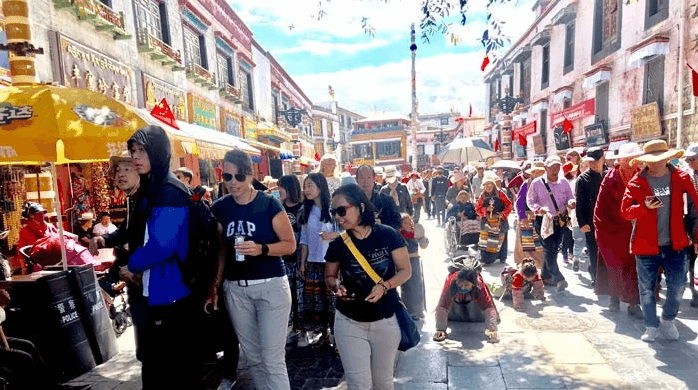
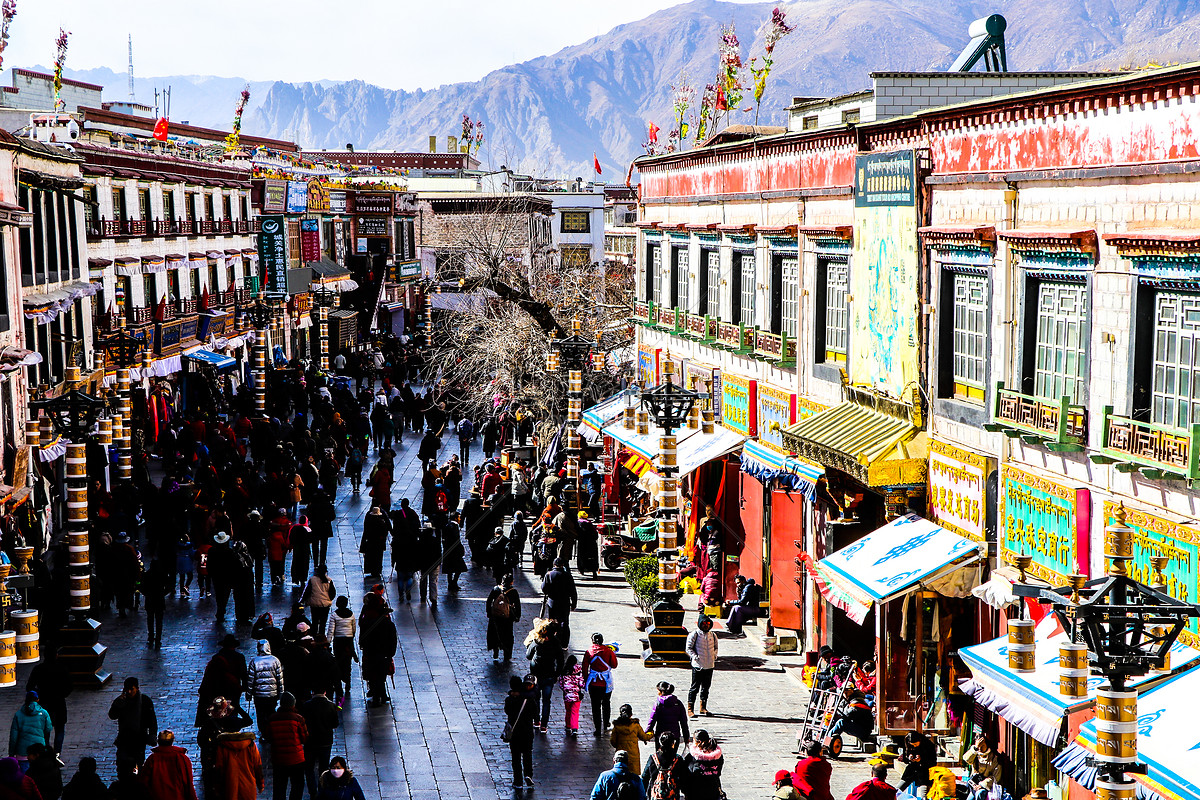
Barkhor Street is a lively combination of local neighborhood, pilgrim circuit, marketplace and historical sites.
Internet Usage Tips for International Visitors in Tibet
Network usage in Tibet has unique plateau characteristics and regional network rules. Many international tourists are confused about why local SIM cards cannot access commonly used overseas apps. This section clarifies core internet rules, usage taboos, and stability optimization tips to avoid travel troubles throughout your trip.
Core Network Rules You Must Know
Local Chinese SIM cards and official network environments in Tibet follow unified mainland network management regulations. Overseas mainstream platforms including Google, WhatsApp, Instagram, Facebook, and YouTube are not accessible under the official network. This is the most common problem for foreign tourists.
If you need to keep in touch with overseas relatives and friends, update social media, or check overseas emails during the trip, it is recommended to prepare a reliable international network tool in advance, or adopt the dual-card solution of local SIM for daily navigation + overseas roaming eSIM for overseas app access.
Network Stability Optimization for Plateau Travel
Affected by high altitude, terrain, and signal transmission distance, individual remote scenic spots in Tibet have weak network signals. The following tips can effectively improve network stability:
- Prioritize China Mobile SIM card for remote itineraries: Its base station coverage in plateau mountainous areas is far better than other carriers, ensuring basic network connection in Everest Base Camp, Palkhor Monastery, and other remote areas.
- Turn on mobile data priority mode: Close automatic Wi-Fi switching to avoid frequent network disconnection caused by unstable scenic spot public Wi-Fi.
- Avoid excessive data consumption in high-altitude areas: High-definition video playback and large file downloading will cause network lag and disconnection; compress photo and video files before uploading.
Public Wi-Fi Usage Precautions
Most hotels, restaurants, and tourist centers in Lhasa, Shigatse and other tourist cities provide free public Wi-Fi, which can be used for casual internet access. However, public network security is low. International tourists are advised to avoid logging in overseas bank accounts, entering payment passwords, or transmitting private personal information on public Wi-Fi to prevent information leakage and property loss.
Practical Payment Methods for International Tourists in Tibet
Cashless payment has been fully popularized in Tibet. Most stores, restaurants, scenic spots, and transportation services support mobile payment, while cash is used for individual small transactions. International tourists do not need to exchange a large amount of RMB cash in advance. Mastering flexible Payment methods for international tourists in Tibet will greatly simplify your consumption experience and avoid unnecessary travel troubles.
Mainstream Payment Methods Ranking (Practicality First)
First Choice: International Version Alipay & WeChat Pay
Both platforms have opened international user registration channels, supporting foreign tourists to bind overseas credit cards (Visa, Mastercard) without applying for a Chinese bank card, which is the most convenient payment method in Tibet.
Operation steps: Download the international version of Alipay or WeChat → Complete real-name authentication with passport → Bind overseas Visa/Mastercard credit card → Scan merchant QR code for direct payment. The single transaction within 200 RMB is basically free of handling fee, and the excess part only charges about 3% service fee, with low cost and simple operation.
Second Choice: Digital RMB SIM Card Payment
China Unicom’s CUBe Card for foreign tourists supports built-in digital RMB payment function. After purchasing and activating the card, tourists can complete consumption payment directly through the SIM card without downloading additional payment apps, which is suitable for tourists with simple payment needs.
Third Choice: RMB Cash
It is recommended to reserve a small amount of RMB cash (200–500 RMB) for small stalls, manual tips, and individual small merchants who do not support mobile payment. Banks and foreign exchange outlets in Lhasa urban area support foreign currency exchange with passports, with convenient procedures.
Payment Scenario Details & Common Problems
– Scenic Spot Tickets & Group Tours: All formal scenic spots and travel agencies support Alipay and WeChat Pay international version payment, with transparent pricing and no additional handling fee.
– Catering & Shopping: Chain restaurants, supermarkets, and specialty stores fully support overseas card-bound mobile payment; local small restaurants and Tibetan specialty stalls prefer mobile payment, and cash is also acceptable.
– Transportation: Taxis, online car-hailing, and urban buses in Tibet support mobile payment; the CUBe Card can directly brush the card to take public transport, which is more convenient.
Payment Avoidance Tips for Foreign Tourists
– Do not exchange cash through private individuals: Choose official banks and regular exchange outlets to avoid counterfeit currency and exchange rate fraud.
– Confirm the handling fee standard before payment: For single transactions exceeding 200 RMB, check the platform handling fee in advance to avoid unexpected costs.
– Bind multiple payment methods: Prepare both Alipay and WeChat Pay to avoid single payment failure affecting consumption.
Ultimate Travel Hack for Smooth Tibet Travel
To sum up, the most practical one-stop solution for international tourists’ network and payment in Tibet is: Choose China Mobile local SIM card for remote scenic spot network stability + Bind international version Alipay/WeChat Pay for full-scenario cashless payment + Reserve a small amount of RMB cash for emergency use.
Before traveling to Tibet, complete mobile payment registration and credit card binding in advance, pre-download offline navigation maps, and save merchant payment QR codes commonly used in travel. These preparations can completely avoid network and payment obstacles, allowing you to focus on enjoying the pure plateau scenery and profound Tibetan culture.
Final Words
Tibet’s unique beauty is worth every global traveler’s expectation. Network connection and payment convenience are the foundation of a perfect trip. With the updated 2026 SIM Card, Payment & Internet Tips for International Tourists in Tibet, international tourists can easily solve all practical problems during their stay in Tibet. No more worrying about network disconnection, payment failure and unfamiliar local rules, just start a relaxed and wonderful plateau travel journey.
FAQs
Q1: Can I use my home country’s SIM card roaming in Tibet?
A: Not recommended. Overseas SIM roaming fees in Tibet are extremely high, and plateau terrain leads to unstable roaming signals, frequent disconnection and slow network speed. Local tourist SIM cards are more stable and cost-effective.
Q2: Do I need a Chinese bank card for mobile payment in Tibet?
A: No. International version Alipay and WeChat Pay support direct binding of overseas Visa and Mastercard credit cards, and real-name authentication can be completed with a passport, without a Chinese bank account.
Q3: Which SIM card is the best for visiting Everest Base Camp Tibet?
A: China Mobile is the best choice. It has the most comprehensive base station coverage in high-altitude remote areas of Tibet, with stable signals and basically no network disconnection, meeting navigation, photo uploading and communication needs.