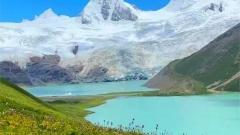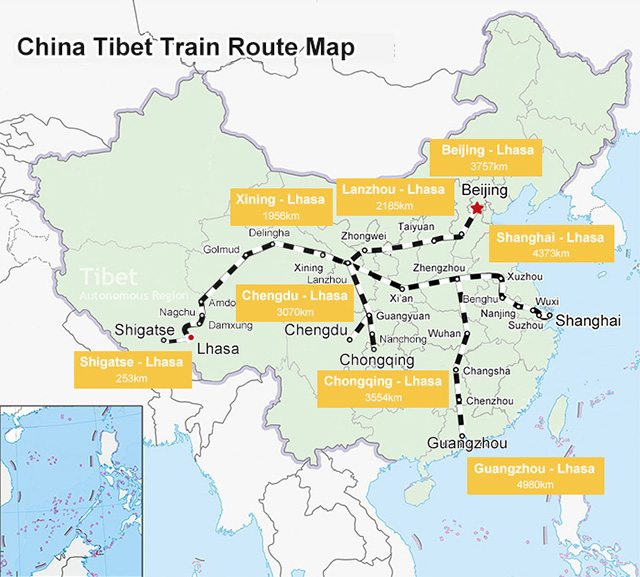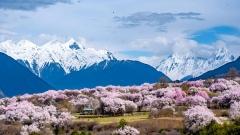

For global travelers who dream of mountain culture, high-altitude trekking, and Tibetan Buddhism, combining Nepal and Tibet into a single cross-border itinerary is the ultimate Himalayan journey.
Nepal’s capital, Kathmandu, serves as a historic cultural hub on the southern slopes of the Himalayas, separated from Tibet by a single giant mountain range. Entering Tibet from Nepal allows you to experience dramatic landscape shifts within days—from lush sub-tropical river valleys up to the vast Tibetan Plateau—while viewing Mount Everest from both its southern and northern faces. Whether you choose a scenic overland expedition or a direct mountain flight, the journey is nothing short of epic.
Route Option 1: Overland Expedition
If you crave dramatic geography, changing climate zones, and immersive road travel, driving overland from Kathmandu across the border into Tibet is an unforgettable experience.
Route Highlights: From Tropical Valleys to Snow-Capped Peaks
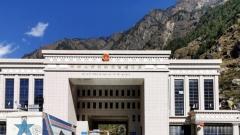
- Zhangmu Port: The historic primary border crossing, famous for its lush greenery, roaring waterfalls, deep gorges, and sub-tropical mountain forests.
- Gyirong Port: Known as the “Back Garden of the Himalayas.” Driving through the Gyirong Valley brings rapid altitude gains, as narrow pine canyons open up into vast alpine meadows and glaciated peaks.
Sample 7–8 Day Overland Cross-Border Itinerary:
- Day 1: Kathmandu ➔ Zhangmu / Gyirong Port (Border Formalities) ➔ Gyirong / Zhangmu Town
- Cross the border, complete customs, and relax in the border town to adapt to the initial elevation gain.
- Day 2: Gyirong / Zhangmu ➔ Lake Peiku Tso ➔ Mount Shishapangma ➔ Tingri
- Drive past the turquoise waters of Lake Peiku Tso and enjoy up-close views of Mount Shishapangma (8,027m).
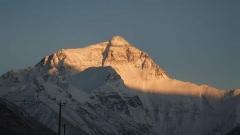
- Day 3: Tingri ➔ Everest Base Camp (North Face) ➔ Rongbuk Monastery ➔ Shigatse
- The trip’s ultimate highlight! Marvel at the north face of Mount Everest and visit Rongbuk Monastery, the highest monastery in the world.
- Day 4: Shigatse ➔ Tashilhunpo Monastery ➔ Gyantse (Pelkor Chode Monastery & Dzong)
- Explore Tashilhunpo Monastery, the traditional seat of the Panchen Lama, and immerse yourself in local Tibetan heritage.
- Day 5: Gyantse ➔ Karola Glacier ➔ Yamdrok Lake ➔ Lhasa
- Pass the towering ice cap of Karola Glacier and the turquoise waters of Yamdrok Lake before arriving in Lhasa at sunset.
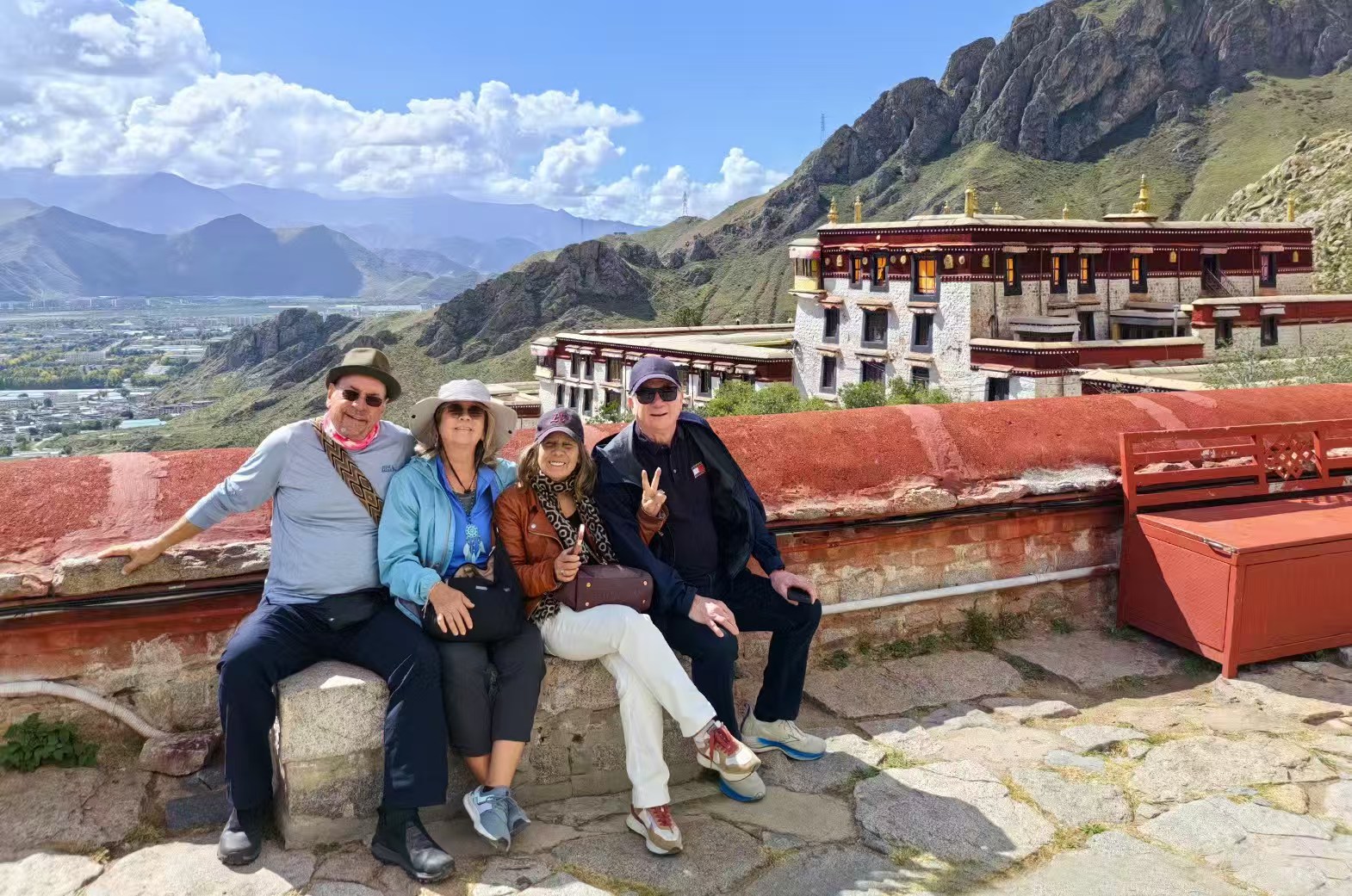
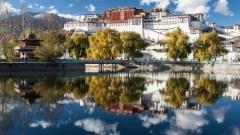
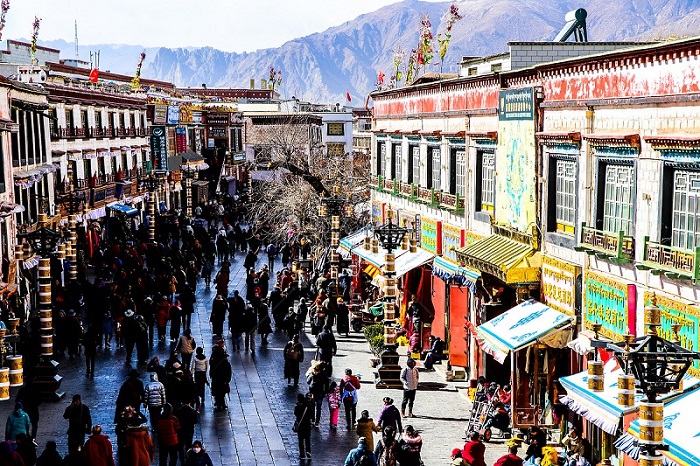
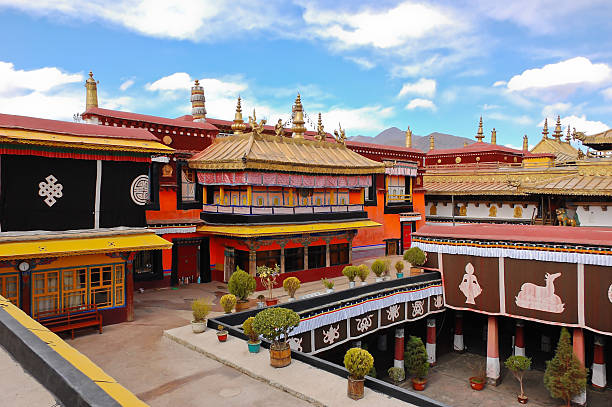
- Days 6–7: Lhasa Cultural Highlights (Potala Palace, Jokhang Temple, Barkhor Street, Drepung Monastery)
- Discover the spiritual heart of Tibet through slow-paced sightseeing and authentic local tea houses.
Route Option 2: Kathmandu to Lhasa Direct Flight
If you have limited time or prefer maximum comfort, taking a direct flight from Kathmandu (KTM) to Lhasa Gonggar Airport (LXA) is the fastest and most convenient choice.
Route Highlight: Flying Over the Roof of the World
This flight is renowned as one of the most breathtaking aerial routes on earth! On a clear day, your flight glides directly over the Himalayan range, offering passengers a rare front-row view of Mount Everest and multiple 8,000-meter peaks right outside the aircraft window.
Sample 5–6 Day Express Flight Itinerary:
-
Day 1: Direct Flight from Kathmandu to Lhasa ➔ Airport Transfer ➔ Hotel Check-in & Rest (Acclimatizing to 3,650m altitude)
-
Day 2–3: Lhasa Cultural Highlights (Potala Palace, Jokhang Temple, Sera Monastery Monk Debates, Barkhor Street)
-
Day 4: Lhasa ➔ Yamdrok Lake Day Excursion
-
Day 5: Lhasa ➔ Lake Namtso / Shigatse Short Extension
-
Day 6: Departure from Lhasa (Board the Qinghai-Tibet Railway or take a flight to domestic China/onward destinations)
Essential Permits & Travel Formalities for Entering Tibet from Nepal
Crossing into Tibet from Nepal involves specific international border requirements that differ from traveling to Tibet from mainland Chinese cities (e.g., Chengdu, Beijing):
-
China Group Visa:
Foreign passport holders entering Tibet directly from Nepal cannot use a standard individual Chinese Tourist Visa (L Visa). Instead, you must apply for a China Group Tourist Visa through an authorized local Tibetan agency via the Chinese Embassy in Kathmandu (this process typically requires 3–4 working days in Kathmandu).
-
Tibet Travel Permit (TTP):
All foreign travelers require a Tibet Travel Permit issued by the Tibet Tourism Bureau. Your travel agency will apply for this document in advance and arrange for your guide to meet you at the border or airport.
-
Alien’s Travel Permit & Border Pass:
Because the overland itinerary visits border regions like Everest Base Camp and Gyirong/Zhangmu, your agency will secure the necessary border clearance permits beforehand.
Insider Travel Tips for the Cross-Border Journey
-
Acclimatization Planning: When traveling overland from Kathmandu (approx. 1,400m) to Gyirong/Zhangmu and Tingri (3,000–4,300m), altitude rises rapidly. Rest well on your first night across the border and avoid strenuous physical exertion.
-
Best Seasons to Travel: April to June and September to November offer the clearest weather along the Himalayas, ensuring prime visibility whether you are driving overland or flying past Everest.
-
Vehicles & Road Conditions: Roads on the Nepal side (Kathmandu to the border) are rugged and require 4WD vehicles. Once you enter Tibet, highways are fully paved, smooth, and traversed in comfortable private SUVs or luxury tour vans.