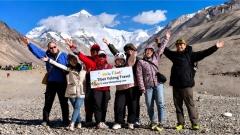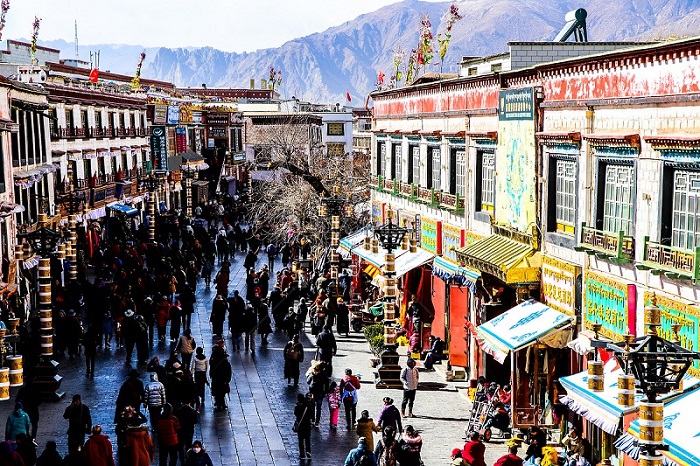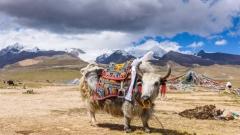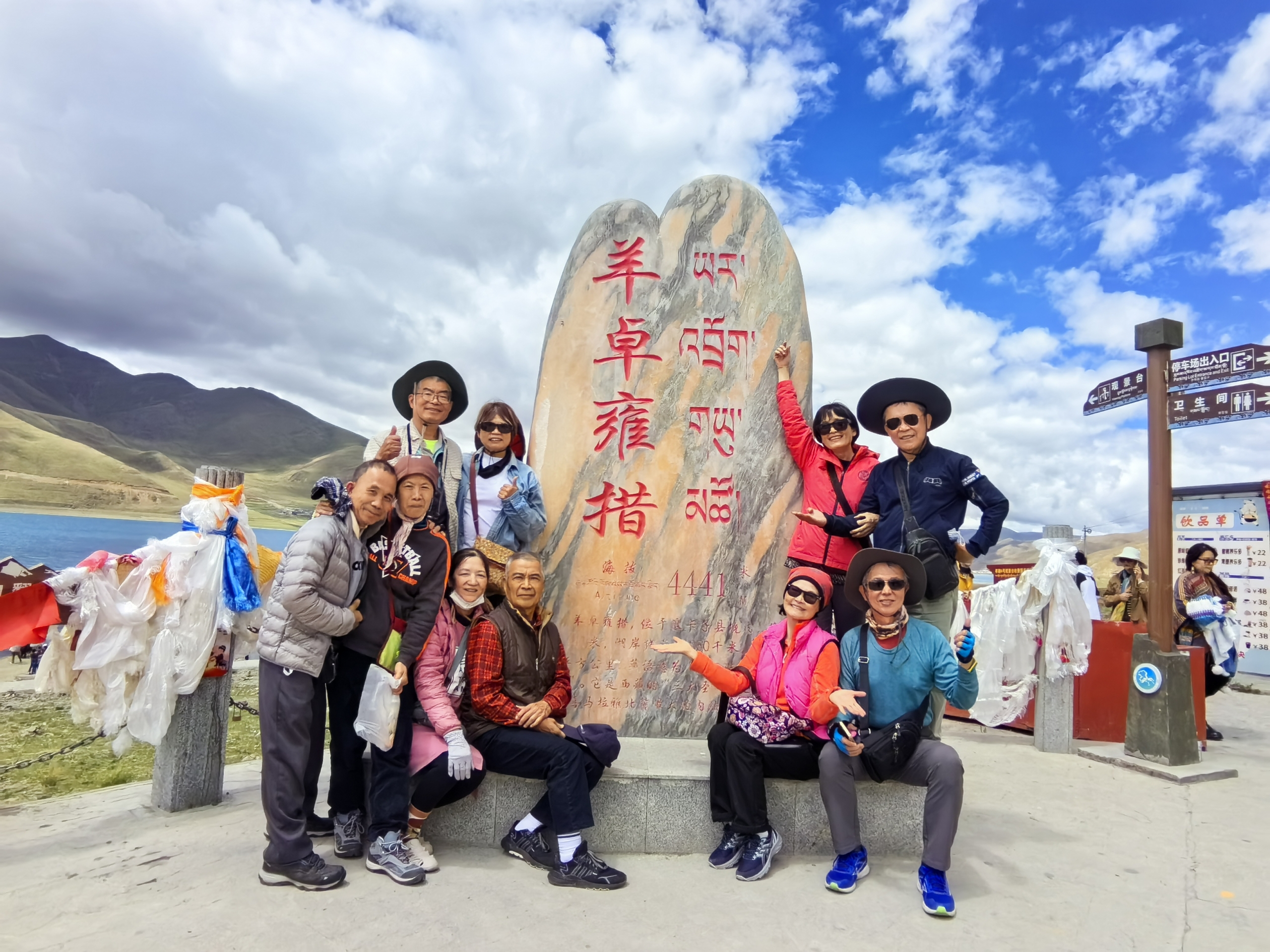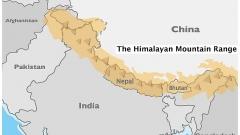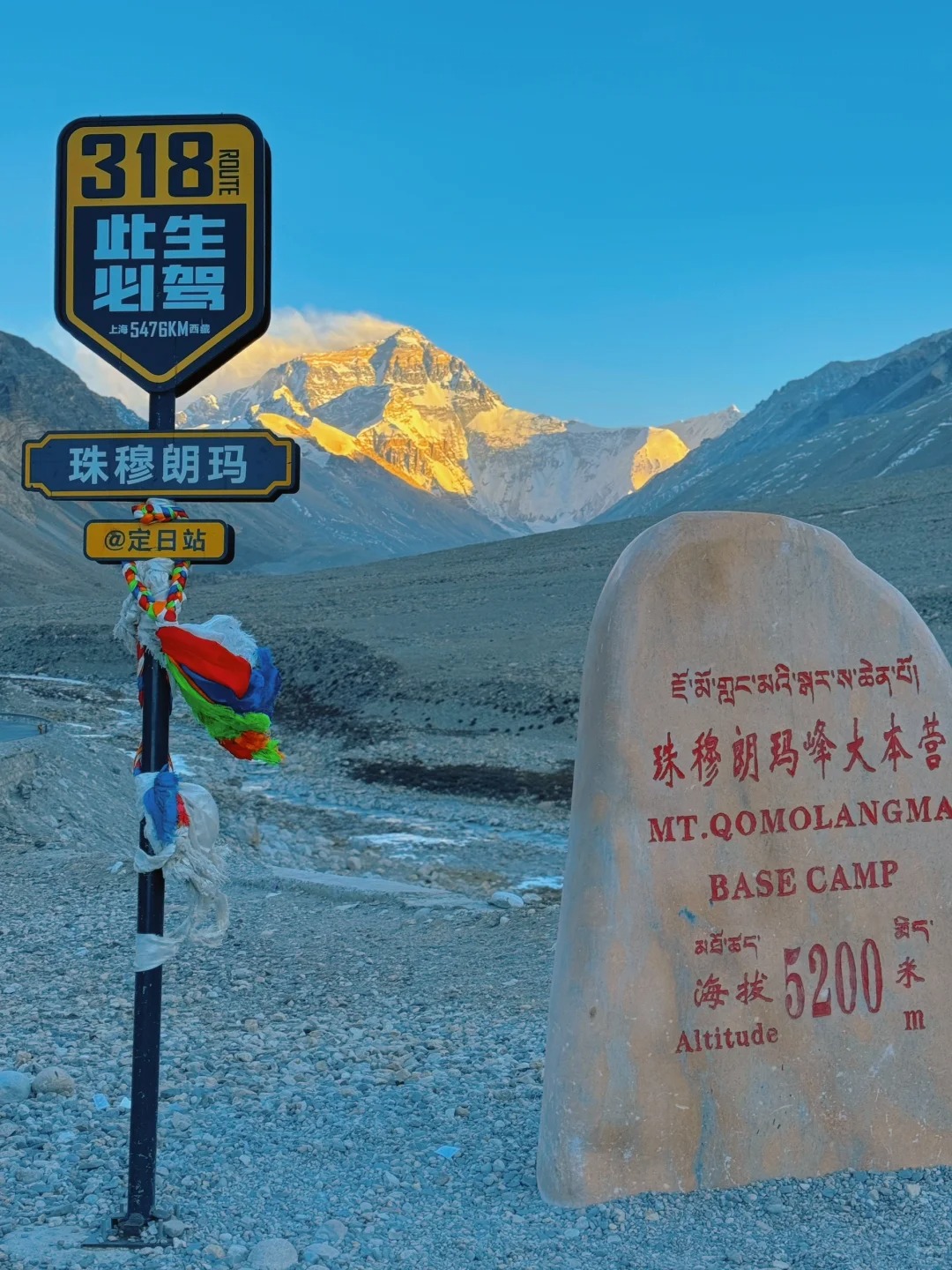

When people think of Nyingchi in Southeastern Tibet, their minds often leap to the famous spring peach blossom festival or the vibrant golden hues of autumn. However, experienced travelers and mountain photographers know a secret: winter is actually one of the most magical, serene, and rewarding times to explore Nyingchi.
Known as the “Jiangnan of Tibet” due to its lush river valleys and mild microclimate, Nyingchi sits at a relatively low average altitude (around 3,000 meters / 9,840 feet) compared to Lhasa or Nagqu. During winter, while much of the high plateau experiences bitter cold, Nyingchi benefits from abundant sunshine, calm winds, and mild daytime temperatures often ranging between 10°C and 15°C (50°F–59°F). Free from monsoon rain clouds and heavy summer mist, winter delivers crisp blue skies and crystal-clear mountain vistas.
Why Winter in Nyingchi is Extraordinary: Top Reasons to Go
If you are planning an authentic, unhurried Tibetan journey, winter in Nyingchi offers distinct advantages that high season simply cannot match:
Highest Rate of Clear Skies & Unobstructed Peak Views
During summer and autumn, moisture carrying clouds off the Indian Ocean frequently veil high alpine peaks. In winter, dry continental air takes over, resulting in transparent atmospheres and exceptional visibility—making it the absolute best season for high-altitude mountain photography.
Exceptional Value & Low-Season Perks
Winter brings significant cost savings across Tibet. Premium hotels, boutique lodges, and private luxury vehicles offer attractive off-season pricing. Major scenic areas and cultural sites often feature reduced entrance fees or free admission under seasonal tourism promotion policies.
Uncrowded Sanctuary & True Local Atmosphere
Without summer tour buses and peak-season crowds, Nyingchi reverts to its serene, authentic rhythm. You can wander ancient pine forests, listen to the whisper of glacial rivers, and enjoy quiet tea sessions at local Tibetan villages without feeling rushed.
Top Scenic Highlights of Nyingchi in Winter
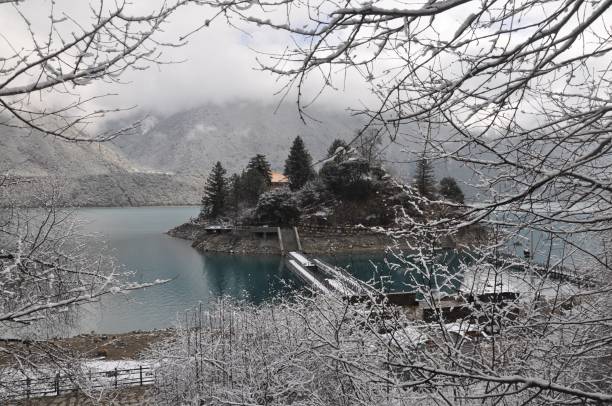
Winter transforms Nyingchi’s diverse topography into a winter wonderland of snow-capped mountains, turquoise rivers, and icy lakes:
Namcha Barwa: Unveiling the “Shy Mountain”
Mount Namcha Barwa (7,782 meters) is famous for hiding its sharp peak behind dense cloud layers for most of the year. In winter, however, clear sunny days reveal the grand pyramid-shaped snow peak in all its glory. Watching the golden sunset cast an orange glow across Namcha Barwa from the Yarlung Tsangpo Grand Canyon is a bucket-list memory.
Lulang Forest: The Alpine Snow Realm
Known as “Dragon King Valley,” Lulang Forest in winter resembles a classic Swiss alpine fairytale. Dense spruce and pine forests are dusted with snow, surrounding quiet Tibetan hamlets with curling fireplace smoke and grazing cattle. Sampling a steaming pot of traditional Lulang Stone Pot Chicken in the crisp air is an absolute must.
Lake Ranwu & Midui Glacier: Frozen Wonders
Further east along the 318 National Highway, Lake Ranwu freezes into a shimmering mirror reflecting surrounding snow-clad crags. Nearby, Midui Glacier—one of China’s lowest-altitude maritime glaciers—stands majestic with giant ice waterfalls and turquoise ice crevasses glinting under the winter sun.
Yarlung Tsangpo Grand Canyon: Turquoise Waters & Snow-Capped Ridges
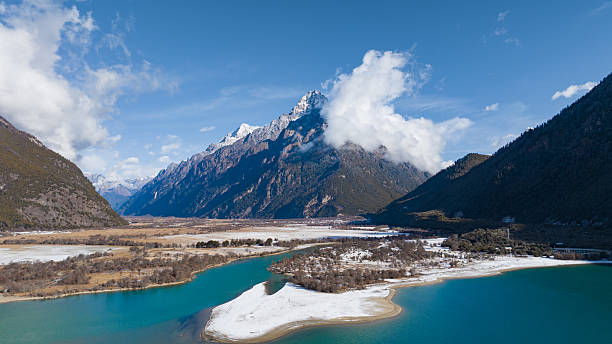
In winter, the Yarlung Tsangpo River calms down from its summer torrents, turning a deep, emerald-turquoise blue. The contrast between the brilliant blue river winding through the canyon floor and the towering white snow peaks above creates incredible photographic compositions.
Practical Winter Travel Tips & Essential Guidance
To ensure a comfortable and safe winter travel experience in Nyingchi, keep these practical tips in mind:
-
Layered Clothing for Temperature Swings: While daytime sun keeps Nyingchi pleasantly mild, temperatures drop rapidly after sunset (often falling below 0°C). Pack thermal base layers, fleece mid-layers, a windproof heavy down jacket, warm gloves, and a fleece beanie.
-
Sun Protection & Hydration: High altitude combined with snow reflection creates intense ultraviolet radiation. Bring polarized sunglasses, high-SPF sunblock, lip balm, and rich moisturizers.
-
Ideal First Stop for Acclimatization: Nyingchi’s lower elevation and rich forest vegetation make it the ideal starting point for acclimating before traveling onward to higher elevations like Lhasa (3,650m) or Yamdrok Lake.
-
Check Road & Pass Conditions: While main highways like the Lhasa-Nyingchi High-Grade Highway are well-maintained year-round, high mountain passes (such as Serkhym-la Pass) can occasionally experience morning frost or snow. Traveling with an experienced high-altitude driver in a reliable 4WD SUV ensures total safety.