Flying from the Sichuan Basin to the roof of the world is one of the most spectacular aviation routes available today. The Chengdu to Lhasa flight offers travelers a swift, comfortable, and visually stunning transition from the humid lowlands of southwestern China to the crisp, high-altitude environment of the Tibetan Plateau. While overland journeys take days of rugged travel, this aerial route condenses the adventure into roughly two and a half hours, making it the preferred choice for those short on time or looking to minimize physical strain before arriving in Tibet. Whether you are embarking on a spiritual pilgrimage, a photography expedition, or a cultural exploration, understanding the logistics of this flight is crucial for a smooth trip.
Here is a quick summary of key points for your journey:
- Direct flights take approximately 2 to 2.5 hours.
- Departures operate from both Chengdu Tianfu (TFU) and Shuangliu (CTU) airports.
- Morning departures offer the best weather stability and mountain views.
- Booking through experienced agencies like Tibet Yulong Travel simplifies permit logistics.
- Gradual acclimatization upon arrival in Lhasa is absolutely essential.
Why Choose a Chengdu to Lhasa Flight?
When planning a trip to Tibet, travelers typically weigh the options between taking the famous Qinghai-Tibet Railway or flying directly. While the train offers a gradual ascent that helps with acclimatization, it requires a significant time commitment—often taking over thirty-six hours from major cities. A Chengdu to Lhasa flight, by contrast, is incredibly efficient. Chengdu serves as the primary aviation hub for southwestern China and acts as the main gateway to Tibet. Its geographical proximity to the plateau means the flight path is relatively short, yet packed with breathtaking scenery.
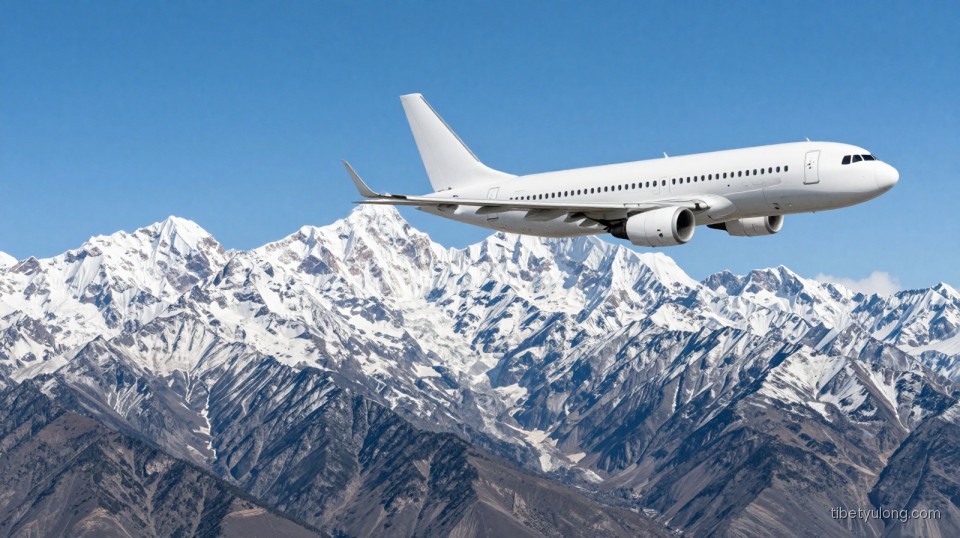
Choosing to fly also allows you to spend more time exploring your destination rather than being confined to transit. For international travelers and domestic tourists alike, spending a few days in Chengdu before the flight is a highly recommended strategy. This not only breaks up the travel fatigue but also provides an opportunity to enjoy Chengdu’s famous culinary scene, visit the giant panda breeding bases, and organize final travel documents. When you eventually board your flight, the dramatic shift in landscape—from lush green valleys to stark, snow-capped peaks—is visible right through your aircraft window, setting the tone for the adventure ahead.
Airlines and Airports for the Chengdu to Lhasa Route
Understanding which airports and airlines operate the Chengdu to Lhasa route is vital for booking the correct tickets. Historically, all flights departed from Chengdu Shuangliu International Airport (CTU). However, with the opening and expansion of Chengdu Tianfu International Airport (TFU), many domestic and regional flights have been relocated. Today, you will find flights departing from both airports, so it is critical to double-check your departure terminal when booking your ticket to avoid missing your flight due to confusion between the two hubs, which are located quite far apart.
Several major Chinese carriers operate this route daily. Air China, Sichuan Airlines, Tibet Airlines, and China Eastern Airlines are among the most frequent operators. Tibet Airlines, in particular, specializes in plateau routes and often has crews highly experienced in navigating the unique meteorological conditions of the Himalayas. The destination is always Lhasa Gonggar Airport (LXA), situated about 60 kilometers south of Lhasa city center in the Yarlung Tsangpo River valley. Because Gonggar Airport is surrounded by mountains, approaches can be complex, which is why airlines assign their most seasoned pilots to these specific flights.
Best Time to Book Your Chengdu to Lhasa Flight
Timing plays a massive role in the experience and reliability of your Chengdu to Lhasa flight. Generally, morning departures are considered the best option. The atmospheric conditions over the Tibetan Plateau are much more stable in the early hours. As the day progresses, thermal heating causes turbulence, strong crosswinds, and cloud cover, which frequently lead to delays or cancellations in the afternoon. If you have the option, always book the earliest flight available.
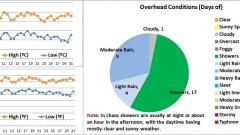
Seasonally, spring (April to May) and autumn (September to October) are widely regarded as the best times to fly this route. During these months, the skies are generally clear, offering unobstructed views of the Himalayan range, including glimpses of Mount Namcha Barwa and other towering peaks. Summer brings the monsoon season, which increases cloud cover and the likelihood of rain-related delays. Winter offers crystal-clear visibility but comes with freezing temperatures. Regardless of the season, booking your tickets well in advance is advisable, especially during Chinese national holidays and the peak summer tourist season, when demand surges and prices increase significantly.
Essential Preparations Before Flying to Lhasa
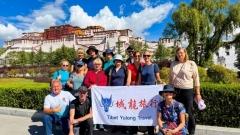
Preparing for a Chengdu to Lhasa flight involves much more than simply packing a suitcase. The most critical requirement for foreign travelers is the Tibet Travel Permit. You cannot board a flight to Lhasa without presenting this document at the check-in counter. Permits are not issued directly to individual tourists; they must be arranged through a registered travel agency. This is where professional services become invaluable. Companies like Tibet Yulong Travel specialize in handling these bureaucratic requirements seamlessly. By coordinating with Tibet Yulong Travel, visitors can ensure their permits, hotel bookings, and ground transportation are organized well in advance, removing the stress of administrative hurdles.
Packing appropriately is another key preparation step. Lhasa sits at an elevation of roughly 3,650 meters (about 12,000 feet). Even if you depart from a sweltering Chengdu summer, the air in Lhasa will be cool, dry, and subject to intense ultraviolet radiation. Layered clothing is essential. Bring a warm jacket, sunglasses, high-SPF sunscreen, and lip balm. Additionally, pack basic medications, including remedies for headaches, upset stomachs, and altitude sickness, though consult your physician before taking any specific altitude medication.
Managing Altitude Sickness Upon Arrival
The most significant challenge of taking a direct Chengdu to Lhasa flight is the rapid change in altitude. You go from Chengdu’s elevation of around 500 meters to Lhasa’s 3,650 meters in just over two hours. This sudden ascent gives your body very little time to adapt to the thinner oxygen levels, increasing the risk of Acute Mountain Sickness (AMS). Symptoms can include headaches, dizziness, nausea, shortness of breath, and disrupted sleep patterns.
To mitigate these effects, your behavior upon landing at Gonggar Airport is crucial. Walk slowly and avoid carrying heavy luggage yourself; let porters or your driver handle the bags. Once you arrive at your hotel in Lhasa, resist the urge to go sightseeing immediately. Spend the first 24 to 48 hours resting. Drink plenty of water, as the high-altitude air is exceptionally dry and dehydration exacerbates AMS symptoms. Avoid alcohol, smoking, and heavy meals during your first couple of days. Many hotels in Lhasa provide oxygen concentrators in their rooms, which can offer great relief if you feel breathless at night. Experienced guides from Tibet Yulong Travel are trained to monitor guests for signs of severe altitude sickness and can arrange medical assistance or supplemental oxygen if necessary, ensuring your safety remains the top priority.
What to Expect During the Flight Experience
The actual experience of flying the Chengdu to Lhasa route is memorable in its own right. Aircraft used on this route are specifically modified for high-altitude operations, featuring enhanced cabin pressurization systems and powerful engines capable of performing in thin air. Shortly after takeoff, the urban sprawl of Chengdu quickly gives way to the rugged terrain of the Hengduan Mountains.
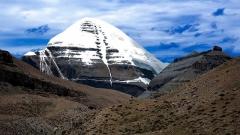
If you are seated on the left side of the aircraft flying towards Lhasa, you are generally treated to better views of the snow-capped peaks, though the right side also offers stunning vistas of deep river gorges. About halfway through the flight, the landscape transforms dramatically. The jagged, forested mountains flatten out into the vast, arid expanse of the Tibetan Plateau. You will see winding rivers resembling silver threads, scattered nomadic tents, and endless stretches of brown and gold earth. The descent into Gonggar Airport follows the Yarlung Tsangpo River valley, providing a thrilling visual finale before the wheels touch down on the runway. Cabin crew on these flights are usually very attentive, often reminding passengers to move slowly upon disembarkation.
Ground Transportation from Lhasa Gonggar Airport
Once you land after your Chengdu to Lhasa flight, you still need to reach the city center. Lhasa Gonggar Airport is located in Gonggar County, approximately an hour’s drive from downtown Lhasa. There are several ways to make this transfer. Official airport shuttle buses run regularly and drop passengers off near the Potala Palace area, but they can be crowded and lack flexibility.
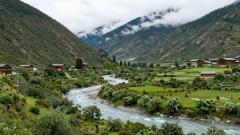
For a smoother experience, pre-arranged private transfers are highly recommended. When you book your itinerary through Tibet Yulong Travel, airport pickup is typically included. A driver will be waiting for you at the arrivals hall holding a sign with your name. This is particularly beneficial after a high-altitude flight, as you won’t have to navigate unfamiliar transport systems while feeling fatigued. The drive itself is scenic, following the river valley and passing traditional Tibetan villages, offering your first real taste of the local culture before you even check into your hotel. Having a reliable local team managing your ground logistics ensures that your transition from the sky to the sacred city of Lhasa is as comfortable and welcoming as possible, allowing you to focus entirely on the magnificent journey ahead.