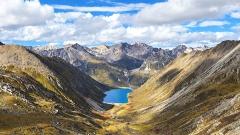
When winter descends upon the Tibetan Plateau, most travelers retreat to warmer climates, leaving the high-altitude landscapes in profound silence. Yet, for dedicated photographers, this is precisely the season to embark on a Pumo Yumtso winter ice photography tour Tibet offers an unparalleled visual feast. Located in Nagarze County of Shannan Prefecture, Pumo Yumtso sits at an elevation of roughly 5,010 meters. Unlike its larger neighbor Yamdrok Lake, which rarely freezes completely, Pumo Yumtso transforms into a vast expanse of solid ice every winter, creating intricate patterns of cracks, bubbles, and frost that rival any glacial landscape on Earth. This comprehensive guide will walk you through everything you need to know about planning your expedition, from understanding the unique ice formations to mastering the technical challenges of shooting in extreme cold and altitude.
✨ Highlights:
- Best months for ice are January through March.
- Acclimatization in Lhasa is absolutely mandatory.
- Bring spare batteries as cold drains power rapidly.
- Wide-angle lenses capture the vast ice textures best.
- Hire local Tibetan drivers familiar with winter road conditions.
Why Choose a Pumo Yumtso Winter Ice Photography Tour Tibet
The decision to undertake a Pumo Yumtso winter ice photography tour Tibet is driven by the sheer uniqueness of the subject matter. During the summer months, Pumo Yumtso is a beautiful turquoise lake surrounded by rolling brown hills and snow-capped peaks. It is photogenic, certainly, but it resembles many other high-altitude lakes scattered across the Himalayas. Winter, however, fundamentally alters its character. When temperatures plummet well below freezing for sustained periods, the lake undergoes a dramatic transformation.
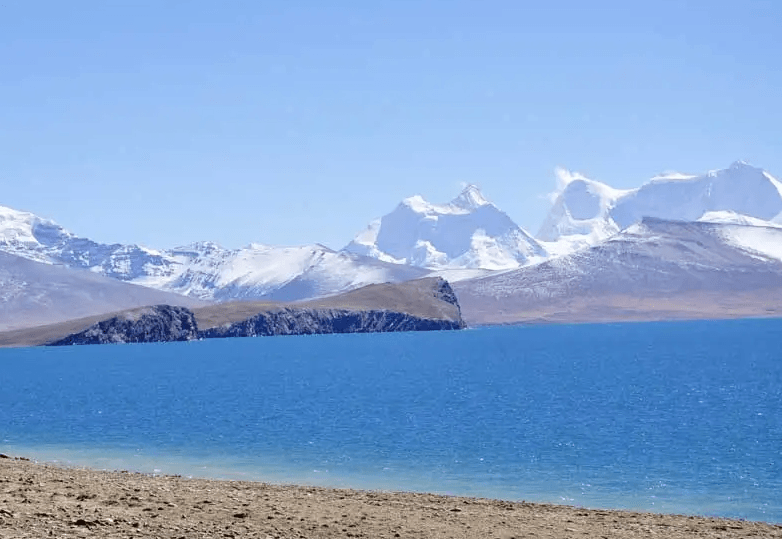
Pumo Yumtso
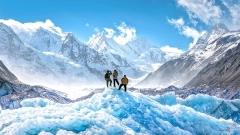
The ice here is not merely a flat, white sheet. Because the water is exceptionally clear and the freezing process happens gradually under intense solar radiation and biting winds, the ice develops remarkable depth and texture. Photographers are drawn to the methane bubbles trapped within the ice layers, appearing like frozen galaxies suspended in glass. The thermal expansion and contraction of the ice create massive pressure ridges and deep fissures, forming geometric patterns that stretch toward the horizon. These natural sculptures provide endless compositional opportunities, making the Pumo Yumtso winter ice photography tour Tibet a pilgrimage for landscape artists seeking raw, unmanipulated beauty.
Furthermore, the winter light on the plateau is extraordinary. The sun hangs lower in the sky, casting long shadows across the ice fields even during midday. The air is incredibly dry and free of the dust and moisture that often haze the summer skies, resulting in piercing clarity. The contrast between the brilliant blue ice, the stark white snow, and the deep azure sky creates a color palette that requires very little post-processing enhancement.
Understanding the Geography and Climate for Your Tibet Ice Photography Trip
To successfully execute a Pumo Yumtso winter ice photography tour Tibet, one must deeply understand the geographical and climatic forces at play. Pumo Yumtso is situated approximately 130 kilometers southwest of Lhasa. The journey typically involves driving over the Kamba La Pass, which stands at nearly 4,800 meters, before descending slightly toward the lake basin. The surrounding terrain is characterized by arid, wind-swept valleys and rugged mountains that form a dramatic backdrop to the frozen lake.
The climate during the winter months—specifically from late December through early March—is harsh but predictable. Daytime temperatures near the lake generally hover between -5°C and 5°C (23°F to 41°F) when the sun is shining brightly. However, once the sun dips behind the mountains, temperatures can plunge rapidly to -15°C or even -20°C (5°F to -4°F). Wind chill is a significant factor; the funneling effect of the surrounding valleys can generate fierce gusts that make standing still with a tripod a test of endurance.
Precipitation is rare during the winter. Snowfall does occur, but it is usually light and quickly swept away or compacted by the relentless winds. This lack of heavy snow is actually advantageous for photographers, as it means the intricate details of the ice surface remain exposed rather than buried. The intense ultraviolet radiation at this altitude also plays a role, sometimes causing the top layer of ice to sublimate directly into vapor, leaving behind fascinating textured surfaces that catch the light beautifully.
Understanding these conditions is crucial for planning your daily shooting schedule. The golden hours around sunrise and sunset offer the most dramatic lighting, but they are also the coldest times of the day. Midday provides flatter light but allows for more comfortable working conditions and better illumination of the deep ice structures where sunlight penetrates the translucent surface.
Essential Camera Gear for the Pumo Yumtso Winter Ice Photography Tour Tibet
Embarking on a Pumo Yumtso winter ice photography tour Tibet demands meticulous preparation regarding equipment. The combination of extreme cold, high altitude, and abrasive wind-blown ice particles can wreak havoc on unprepared gear. Selecting the right tools is the difference between a successful shoot and a frustrating failure.
First and foremost, battery management is your primary technical challenge. Lithium-ion batteries lose their capacity rapidly in sub-zero temperatures. You must carry at least three to four times the number of batteries you would normally use for a full day of shooting. Keep the spare batteries in an inner pocket close to your body heat, rotating them out as the active battery in the camera dies. Some photographers use adhesive hand warmers placed inside the battery grip, though care must be taken to avoid overheating the cells.
For lenses, a versatile kit is essential. An ultra-wide-angle lens (such as a 14-24mm or 16-35mm) is indispensable for capturing the sweeping scale of the frozen lake and emphasizing the foreground ice textures leading toward the distant mountains. A standard zoom (24-70mm) serves well for general landscapes, while a telephoto lens (70-200mm or longer) allows you to isolate specific ice formations, compress the perspective of the mountain ranges, or capture wildlife without disturbing them.
Tripods must be sturdy enough to withstand strong winds but ideally constructed of carbon fiber rather than aluminum. Aluminum legs become painfully cold to touch without gloves and conduct heat away from your hands rapidly. Carbon fiber remains relatively neutral. Ensure your tripod has spiked feet or attach aftermarket ice spikes, as the smooth ice surface makes rubber feet slide dangerously. Hanging your heavy camera bag from the center column hook adds necessary stability against the wind.
Filters play a vital role in a Pumo Yumtso winter ice photography tour Tibet. A circular polarizer is arguably the most important filter you can bring. It cuts through the glare on the ice surface, allowing the camera to see the trapped bubbles and deep fractures beneath. It also deepens the blue of the sky and enhances the contrast of the clouds. Neutral density filters are less critical in winter due to the lower angle of the sun, but graduated ND filters can help balance the exposure between the bright sky and the darker foreground ice during sunrise and sunset.
Finally, protect your gear from condensation. When moving from the freezing outdoors into a heated vehicle or guesthouse, place your camera and lenses inside a sealed plastic bag before bringing them indoors. This forces the condensation to form on the outside of the bag rather than on the delicate glass elements and internal electronics of your camera.
Mastering Light and Composition on the Frozen Lake
The artistic success of your Pumo Yumtso winter ice photography tour Tibet hinges on your ability to read the light and compose compelling scenes from what might initially appear to be a monotonous expanse of white and blue. The frozen lake is a canvas of subtle variations, requiring a trained eye to extract powerful imagery.
Light behaves differently on ice than on water or land. The translucent nature of the ice means it acts as a giant diffuser and reflector simultaneously. During the early morning, when the sun first crests the eastern ridges, the light strikes the ice at a severe angle. This raking light illuminates every tiny ridge, crack, and bubble, creating immense three-dimensional depth. Shadows stretch long across the surface, defining the geometry of the pressure ridges. This is the prime time for wide-angle compositions where foreground interest is paramount.
As the sun climbs higher, the light begins to penetrate deeper into the ice. This is when the famous methane bubbles become most visible. These bubbles, formed by decaying organic matter on the lakebed releasing gas that gets trapped as the water freezes, stack upon each other in mesmerizing columns. To photograph them effectively, get extremely low. Place your camera just inches above the ice, using a wide-angle lens to frame the bubble columns in the foreground with the towering Himalayan peaks in the background. The polarizing filter is crucial here to eliminate the surface reflection and reveal the depths.
Composition on a featureless plain requires deliberate effort. Look for leading lines created by natural cracks in the ice. These fractures often radiate outward from central pressure points, providing natural pathways for the viewer’s eye to follow into the image. Seek out areas where the ice has buckled and shattered, creating chaotic jumbles of crystalline blocks that catch the light like diamonds. Contrast these chaotic foregrounds with the serene, static majesty of the distant mountains.
Do not ignore the minimalist potential of the landscape. Sometimes, the most striking images from a Pumo Yumtso winter ice photography tour Tibet are those that embrace negative space. A single, perfectly formed ice block resting on a vast expanse of smooth, wind-polished ice, set against a gradient blue sky, can convey the profound isolation and purity of the Tibetan winter better than a cluttered frame.
Logistics and Travel Planning for Your Tibet Winter Expedition
Organizing a Pumo Yumtso winter ice photography tour Tibet involves navigating complex logistical challenges. Foreign travelers cannot visit Tibet independently; they must obtain a Tibet Travel Permit and be accompanied by a registered guide and driver. Winter travel amplifies these requirements, as road conditions become unpredictable and safety margins shrink.
The journey almost always originates in Lhasa, which sits at 3,650 meters. Spending at least two to three days in Lhasa prior to heading to Pumo Yumtso is non-negotiable for acclimatization. Altitude sickness is a serious medical concern, and ascending directly to the 5,010-meter elevation of the lake without proper adjustment can result in dangerous complications such as High Altitude Pulmonary Edema (HAPE). Use your time in Lhasa to rest, hydrate extensively, and visit lower-intensity sites like the Jokhang Temple or Barkhor Street.
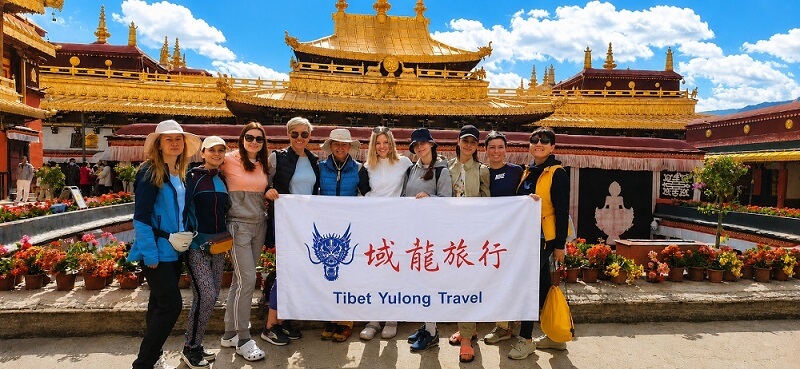
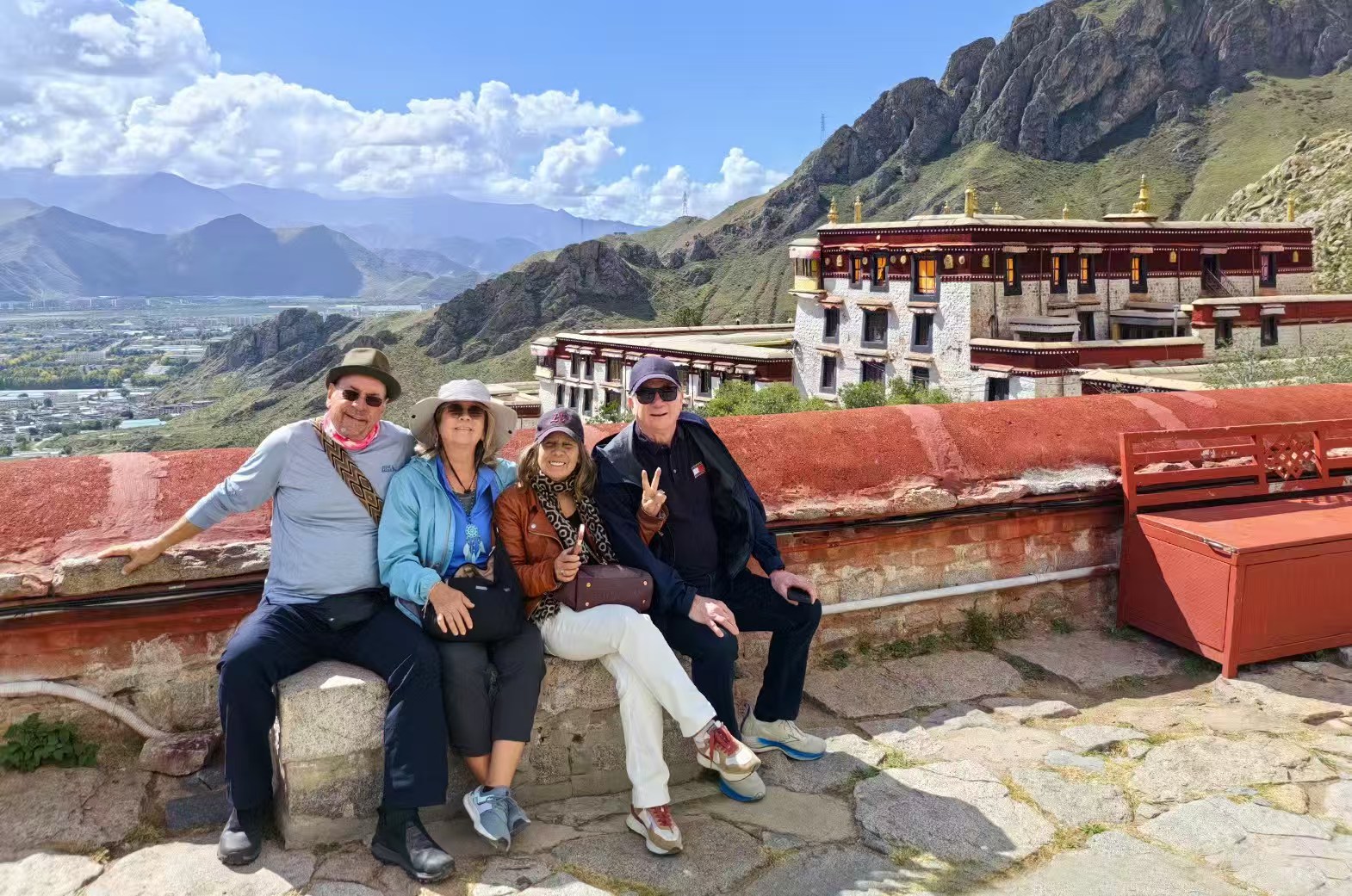
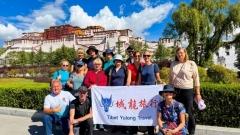
Tibet Tourists with Jokhang Temple
The drive from Lhasa to Nagarze County takes roughly three to four hours, depending on road conditions. The route passes by Yamdrok Lake, offering spectacular views of its partially frozen edges and deep blue waters contrasting with the snow-dusted mountains. While Yamdrok is a stunning stop, remember that your primary destination, Pumo Yumtso, lies further along the route. Winter roads can be treacherous, particularly over the high mountain passes where black ice and sudden snow squalls are common. It is imperative to travel in a reliable four-wheel-drive vehicle equipped with winter tires and emergency supplies.
This is where partnering with experienced local operators becomes invaluable. Agencies specializing in high-altitude travel understand the nuances of winter routing. For instance, professionals associated with Tibet Yulong Travel possess extensive knowledge of the seasonal road conditions and maintain relationships with local communities along the route. Engaging experts who specialize in a Pumo Yumtso winter ice photography tour Tibet ensures that your driver knows exactly which stretches of the lake shore are safe to approach and which areas have thin ice or hidden drop-offs. Their logistical support allows you to focus entirely on your craft rather than worrying about navigation or vehicle breakdowns in remote, freezing environments.
Accommodation options near Pumo Yumtso are limited, especially in winter. Most photography tours opt to stay in Nagarze town, where basic guesthouses offer heated rooms and hot meals, or arrange to return to Gyantse or Lhasa if time permits. Be prepared for rustic conditions. Running water may be frozen in some smaller establishments, and heating is often provided by electric blankets or traditional stoves. Carrying a high-quality sleeping bag rated for extreme cold is highly recommended, even if staying in guesthouses, to ensure a restful night after a grueling day of shooting.
Personal Safety and Health Precautions at High Altitude
A Pumo Yumtso winter ice photography tour Tibet pushes the human body to its limits. The combination of high altitude, freezing temperatures, and intense UV radiation requires strict adherence to safety protocols. Ignoring these can turn a dream photography trip into a medical emergency.
Altitude sickness is the primary invisible threat. Symptoms include severe headaches, nausea, dizziness, shortness of breath, and fatigue. At over 5,000 meters, the oxygen level is roughly half that of sea level. Physical exertion, such as carrying heavy camera gear across uneven ice, accelerates oxygen depletion. Move slowly and deliberately. If you feel symptoms worsening, descend immediately. Do not attempt to push through altitude sickness for the sake of a photograph. Carry supplemental oxygen cylinders in your vehicle; reputable guides will always have these on hand.
Protecting yourself from the cold is equally critical. Frostbite can occur rapidly on exposed skin, particularly on the nose, cheeks, ears, and fingers—the very digits you need to operate your camera. Dress in multiple layers rather than one thick garment. A moisture-wicking base layer prevents sweat from cooling against your skin. An insulating middle layer, such as down or fleece, traps body heat. A windproof and waterproof outer shell protects against the biting gales coming off the ice. Invest in specialized photography gloves that allow fingertip access while keeping the rest of the hand insulated. Thin liner gloves worn beneath heavier mittens allow you to adjust camera settings without exposing bare skin to the freezing air.
Sun protection is often underestimated in winter. The high altitude means a thinner atmosphere filtering less UV radiation, and the snow and ice act as massive reflectors, bouncing sunlight upward into your face. Sunburn can happen in minutes. Apply high-SPF sunscreen generously to all exposed skin, including under your chin and inside your nostrils. Wear UV-blocking sunglasses or glacier goggles at all times when outdoors to prevent snow blindness, a painful condition caused by UV damage to the corneas.
Hydration is another crucial factor. The air on the Tibetan Plateau in winter is extraordinarily dry. Your body loses moisture rapidly through respiration, even if you do not feel thirsty. Drink copious amounts of water throughout the day. Avoid alcohol and excessive caffeine, as both contribute to dehydration and can exacerbate altitude sickness symptoms.
Wildlife Encounters and Environmental Responsibility
While the landscape is the star of a Pumo Yumtso winter ice photography tour Tibet, the region is not devoid of life. Winter brings specific wildlife closer to human-accessible areas as they search for food in the harsh environment. Spotting animals against the stark white and blue backdrop provides incredible photographic opportunities, but it demands ethical behavior.
Tibetan foxes, with their distinctive square faces and thick winter coats, are occasionally seen scavenging near the lake shores or in the surrounding valleys. Pikas, small rabbit-like mammals, remain active year-round, darting between rocks and burrows in the ice. Flocks of migratory birds, including bar-headed geese and various species of ducks, sometimes congregate in areas where the water has not entirely frozen, often near thermal springs or fast-moving inlets. On the distant slopes, herds of kiang (Tibetan wild ass) or bharal (blue sheep) might be spotted navigating the snowy terrain.
When photographing wildlife, always prioritize the animal’s welfare over your shot. Use your telephoto lenses to maintain a respectful distance. Approaching too closely causes unnecessary stress to animals already struggling to survive the brutal winter. Never feed wildlife to lure them closer; this alters their natural foraging behaviors and can make them dependent on humans, which is ultimately fatal in such a harsh ecosystem.
Environmental responsibility extends beyond wildlife interactions. The pristine nature of Pumo Yumtso is fragile. The principle of Leave No Trace must be strictly followed. Pack out every piece of trash, including biodegradable items, as decomposition rates at high altitudes and freezing temperatures are virtually zero. Do not chip away at the ice formations to create better compositions; leave the natural structures intact for the next visitor and for the ecological balance of the lake. Stay on established paths or tracks where possible to minimize your impact on the surrounding tundra, which takes decades to recover from physical disturbance.
By respecting the environment, photographers ensure that the Pumo Yumtso winter ice photography tour Tibet remains a viable and breathtaking experience for future generations. The intersection of technical skill, physical endurance, and deep respect for the natural world is what elevates a simple trip into a truly transformative photographic journey across the roof of the world.