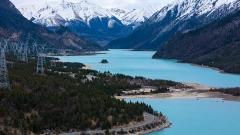
Embarking on a journey across the Roof of the World is an unforgettable experience, but staying healthy requires careful preparation. Among all logistical challenges, hydration remains one of the most critical. The high altitude, dry air, and remote terrain make it essential to understand proper hydration practices before you hit the road. Applying reliable drinking water safety tips for Tibet road trips can mean the difference between a smooth adventure and a medical emergency. Contaminated sources and improper hydration habits frequently lead to gastrointestinal issues or worsened altitude sickness among unprepared travelers.
Before diving into the details, here is a quick summary of the key points you need to remember:
- Always boil or filter natural water sources before consumption.
- Drink small amounts frequently to combat altitude dehydration.
- Avoid untreated tap water in rural towns and villages.
- Carry sufficient bottled water reserves for remote driving stretches.
- Use electrolyte supplements to maintain mineral balance at high elevations.
Why Drinking Water Safety Tips for Tibet Road Trips Are Essential
The Tibetan Plateau presents a unique environment where standard travel rules do not always apply. Elevations frequently exceed 4,000 meters, meaning the air holds significantly less moisture than at sea level. Your body loses water rapidly through respiration and perspiration, even if you do not feel particularly hot or sweaty. This accelerated fluid loss makes understanding drinking water safety tips for Tibet road trips absolutely crucial for every traveler.
Furthermore, infrastructure in remote areas of Tibet is still developing. While major cities like Lhasa have modernized water treatment facilities, smaller settlements along popular overland routes often rely on local wells, glacial streams, or basic municipal systems that may not meet international purification standards. Consuming untreated water in these regions exposes travelers to bacteria, parasites, and viruses that can cause severe stomach cramps, diarrhea, and vomiting. At high altitudes, any illness that causes fluid loss becomes exponentially more dangerous, as dehydration directly exacerbates the symptoms of Acute Mountain Sickness (AMS).
Road trips in Tibet involve long hours of driving between sparse checkpoints. If you fall ill due to poor water quality, medical help might be several hours or even days away. Therefore, proactive management of your water supply and strict adherence to hygiene protocols are not just recommendations; they are survival strategies. Understanding the specific risks associated with the region’s geography and infrastructure helps you appreciate why meticulous planning around your drinking water is so important.
Understanding Water Sources Along Tibetan Routes
When mapping out your route, you will encounter various types of water sources. Knowing which ones are safe and which require treatment is a fundamental aspect of applying drinking water safety tips for Tibet road trips. In larger urban centers such as Lhasa, Shigatse, and Nyingchi, hotels and established restaurants generally provide boiled or commercially bottled water. However, even in these cities, it is wise to avoid drinking directly from the tap unless you have confirmed with your accommodation that the water has been properly filtered and treated.
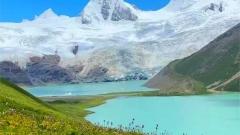
As you venture further onto the plateau, crossing vast grasslands and mountain passes, your options narrow considerably. Many travelers are tempted by the crystal-clear appearance of glacial streams and alpine lakes. It is a common misconception that fast-flowing, cold water at high altitudes is inherently pure. In reality, livestock such as yaks and sheep frequently graze near these water bodies, introducing harmful pathogens like Giardia and E. coli into the water. Never drink directly from natural surface water without treating it first.
In small rural villages, locals might offer you well water or water collected from nearby springs. While their digestive systems are adapted to the local microflora, yours likely are not. Politely decline untreated offerings and rely on your own purified supplies. Groundwater in certain parts of Tibet can also contain naturally occurring heavy minerals or excessive fluoride due to the geological composition of the plateau. Commercial bottling plants process these elements out, but raw well water does not undergo such filtration.
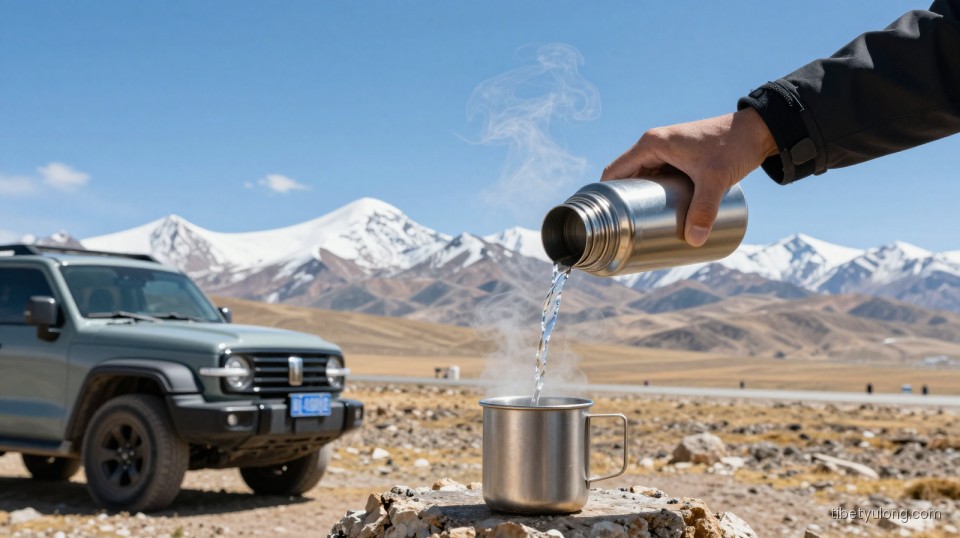
During long drives between towns, you may stop at roadside rest areas or truck stops. The water provided here is usually drawn from local sources and boiled in large thermoses. Boiling is effective against biological contaminants, making this tea water generally safer than raw tap water, but the cleanliness of the storage containers can sometimes be questionable. Carrying your own reusable, sanitized water bottles ensures you control the entire chain of custody from source to sip.
Best Methods for Purifying Water on the Road
Having multiple methods to treat water is one of the most practical drinking water safety tips for Tibet road trips you can implement. Relying on a single method leaves you vulnerable if equipment breaks or supplies run out. Combining techniques provides the highest level of protection against both biological and chemical contaminants.
Boiling remains the most reliable and accessible method. At sea level, bringing water to a rolling boil for one minute kills virtually all disease-causing organisms. However, because water boils at a lower temperature at high altitudes due to decreased atmospheric pressure, you must adjust your boiling time. On the Tibetan Plateau, where elevations often surpass 4,500 meters, water boils at roughly 85°C instead of 100°C. To ensure complete sterilization, allow the water to maintain a rolling boil for at least three to five minutes. Most guesthouses and campsites along the road trip routes provide access to stoves or kettles, making this method highly feasible.
Portable water filters are another excellent tool for overland travelers. Pump filters or gravity-fed systems equipped with hollow fiber membranes can remove bacteria and protozoan cysts effectively. When selecting a filter, check the pore size; a rating of 0.2 microns or smaller is necessary to block common pathogens. Keep in mind that standard mechanical filters do not remove viruses, which are much smaller. If you are drawing water from sources potentially contaminated by human waste, you should pair your filter with a secondary treatment method.
Chemical purification using iodine or chlorine dioxide tablets serves as a lightweight backup. Chlorine dioxide is generally preferred over iodine because it is more effective against Cryptosporidium and leaves a better taste. These chemicals require a specific contact time—usually 30 minutes to four hours depending on the water temperature and clarity—to work effectively. Cold glacial water slows down the chemical reaction, so you may need to wait longer or warm the water slightly before adding the tablets.
Ultraviolet (UV) light purifiers offer a modern, chemical-free solution. Devices like UV pens stir the water and emit light that disrupts the DNA of microorganisms. They are fast and easy to use, but they require batteries or a charge, and they only work effectively in clear water. If your source is turbid or silty, you must pre-filter the water through a cloth or coffee filter before applying UV treatment, otherwise, particles will cast shadows that protect bacteria from the light.
Hydration Strategies at High Altitudes
Securing clean water is only half the battle; knowing how to consume it properly is equally important. Proper hydration pacing is central to all drinking water safety tips for Tibet road trips. At high altitudes, your respiratory rate increases to compensate for lower oxygen levels. Every breath you take expels moisture into the dry air. Combined with the diuretic effect that altitude can trigger, your body sheds fluids much faster than you realize.
Do not wait until you feel thirsty to drink. Thirst is a delayed indicator of dehydration, and by the time it sets in at 5,000 meters, your body is already struggling. Instead, adopt a strategy of continuous, moderate sipping throughout the day. Aim to consume at least three to four liters of fluid daily, adjusting upward if you are hiking, exerting yourself, or experiencing strong winds. However, avoid chugging massive quantities of water at once. Drinking too much too quickly can dilute your blood sodium levels, leading to a dangerous condition called hyponatremia, which shares symptoms with altitude sickness, including headaches, nausea, and confusion.
Water alone is often insufficient to keep you optimally hydrated during strenuous road trips. As you sweat and urinate more frequently, you lose essential electrolytes like sodium, potassium, and magnesium. Incorporating electrolyte powders or tablets into your daily water intake helps your cells absorb and retain moisture more efficiently. This is particularly helpful if you begin to feel the early signs of AMS, such as a mild headache or fatigue. Proper electrolyte balance supports cardiovascular function, helping your heart pump oxygenated blood more effectively in the thin air.
Be mindful of what else you are drinking. Sweetened sodas, energy drinks, and excessive fruit juices can actually dehydrate you due to their high sugar content, which forces your kidneys to excrete more water to process the glucose. Furthermore, alcohol is strictly counterproductive at high altitudes. It depresses your respiratory drive during sleep—a time when your body needs steady breathing to acclimatize—and acts as a potent diuretic. Limit caffeine as well, since it has mild diuretic properties. Stick primarily to purified water, herbal teas, and electrolyte-enhanced beverages.
Packing and Storing Water Safely During Your Journey
Logistics play a massive role in maintaining water safety. One of the most overlooked drinking water safety tips for Tibet road trips involves how you store and transport your water supply. The rugged nature of Tibetan roads means your vehicle will experience constant vibrations, jolts, and temperature fluctuations. Your water storage solutions must withstand these conditions without leaching chemicals or breaking.
Invest in high-quality, BPA-free reusable water bottles made from stainless steel or durable Tritan plastic. Stainless steel is particularly advantageous because it does not retain flavors, is easy to sanitize, and can handle being filled with boiling water if you are relying on thermal sterilization. Avoid cheap, single-use plastic bottles for long-term storage in the vehicle, as the intense UV radiation at high altitudes and the heat inside a parked car can cause the plastic to degrade and leach harmful compounds into your drinking water.
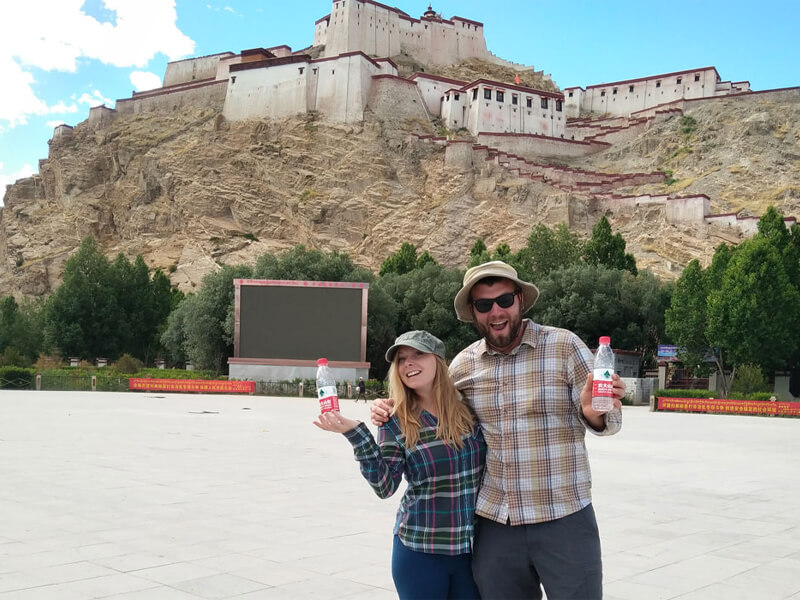
For the vehicle itself, carry large-capacity water jerrycans (typically 10 to 20 liters) designated specifically for drinking and cooking, separate from any water meant for washing or radiator top-ups. Ensure these containers are food-grade and thoroughly cleaned before your trip. Store them in a cool, shaded part of the vehicle, away from direct sunlight and exhaust fumes. If you are purchasing bulk bottled water in Lhasa before heading into remote regions, inspect the seals on every bottle. Counterfeit or improperly sealed bottled water occasionally finds its way into rural shops.
Keep a dedicated thermos flask easily accessible in the passenger cabin. In Tibet, drinking hot water or warm tea is deeply ingrained in the culture and is practically beneficial. Warm liquids are gentler on the stomach at high altitudes and help maintain core body temperature during freezing morning drives. Refill your thermos whenever you stop at a reliable guesthouse or restaurant that offers freshly boiled water.
Recognizing and Preventing Waterborne Illnesses
Even with the best precautions, things can go wrong. Knowing the symptoms of waterborne illnesses allows you to act swiftly, minimizing the impact on your itinerary and health. Traveler’s diarrhea is the most common issue faced by visitors who neglect drinking water safety tips for Tibet road trips. Symptoms include frequent loose stools, abdominal cramping, nausea, and sometimes fever. In a low-altitude environment, this is an inconvenience; on the Tibetan Plateau, the rapid fluid loss can quickly escalate into severe dehydration, triggering or worsening altitude sickness.
Giardiasis, caused by a microscopic parasite found in contaminated water, presents with foul-smelling gas, greasy stools, and bloating that can last for weeks if untreated. Dysentery, characterized by bloody diarrhea and high fever, requires immediate medical intervention. If you or a travel companion develops persistent gastrointestinal symptoms, oral rehydration salts (ORS) become your most valuable medical supply. Mix ORS packets with safely purified water to replace lost fluids and electrolytes systematically.
Prevention is always superior to treatment. Wash your hands rigorously with soap and safe water before eating or preparing food. If clean water is scarce for handwashing, use an alcohol-based hand sanitizer containing at least 60% alcohol. Be cautious with raw foods washed in local water. Salads, unpeeled fruits, and raw vegetables served in small village eateries may have been rinsed in untreated water. Stick to cooked foods and fruits you can peel yourself, like bananas or oranges, to eliminate this hidden vector of contamination.
Additionally, pay attention to ice. In some tourist-oriented cafes in larger towns, drinks might be served with ice. Unless you can verify that the ice was manufactured using purified or boiled water, refuse it. Freezing does not kill bacteria or parasites; it merely puts them into a dormant state until they thaw in your glass and enter your digestive system.
Leveraging Local Knowledge and Professional Support
While self-reliance is key on a road trip, tapping into local expertise significantly enhances your safety margins. Tibetan nomads and local drivers possess generations of knowledge about which streams are safe, which seasonal pools to avoid, and how to identify clean snowmelt. Engaging respectfully with locals and asking for their guidance regarding water sources can provide insights no guidebook offers.
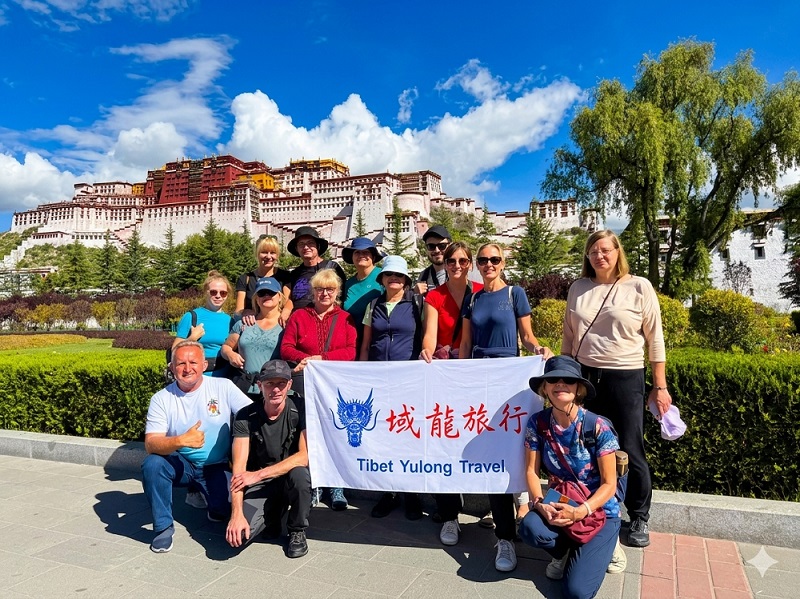
However, navigating the complexities of travel logistics, health, and regional nuances is vastly easier when supported by experienced professionals. Partnering with a reputable agency like Tibet Yulong Travel ensures that your overland journey is meticulously planned with health and safety as top priorities. Their experienced drivers and guides know the exact locations of reliable water refill points along remote routes and carry emergency supplies, including extra bottled water and purification tools. By traveling with Tibet Yulong Travel, you benefit from their deep understanding of the plateau’s challenges, allowing you to focus on the breathtaking landscapes rather than worrying about where your next safe drink will come from. They actively incorporate essential drinking water safety tips for Tibet road trips into their daily itineraries, ensuring guests remain hydrated, healthy, and comfortable regardless of how far off the beaten path the adventure goes.
Ultimately, surviving and thriving on a Tibetan road trip comes down to respecting the environment and preparing for its extremes. Clean water is the foundation of your physical endurance at high altitudes. By combining reliable purification methods, disciplined hydration habits, smart packing strategies, and professional local support, you safeguard your health against the harsh realities of the plateau. Implementing these drinking water safety tips for Tibet road trips transforms a potentially hazardous journey into a secure, life-changing exploration of one of the planet’s most magnificent frontiers.