Planning a journey to Mount Kailash and Lake Manasarovar is one of the most profound travel experiences anyone can undertake. Located in the remote Ngari Prefecture of Tibet, this sacred landscape draws pilgrims and adventurers from across the globe. However, due to its extreme altitude and harsh climate, timing your trip correctly is absolutely crucial for both safety and enjoyment. The high-altitude environment means that weather conditions shift dramatically throughout the year, making certain months far more accessible than others. Whether you are undertaking the traditional kora (circumambulation) or simply seeking the spiritual tranquility of the region, understanding the seasonal dynamics will shape your entire experience. This guide provides comprehensive insights into planning your expedition, incorporating the latest logistical considerations and environmental factors to help you prepare for the journey ahead.
Key Takeaways:
- May and September offer the most stable weather for trekking.
- Winter months bring heavy snow, closing major mountain passes.
- Monsoon season (July-August) increases landslide risks on access roads.
- Saga Dawa festival is the peak time for spiritual pilgrimages.
- Advance permit arrangements are mandatory for all international travelers.
Understanding the Climate Around Kailash Manasarovar
The climate surrounding Kailash Manasarovar is defined by its extreme elevation. Sitting at over 6,600 meters for the mountain peak and roughly 4,590 meters for the lake, the region experiences thin air, intense solar radiation, and rapid temperature fluctuations. Unlike lower-altitude destinations where seasons blend smoothly, here the transitions are stark. Daytime temperatures during warmer months might reach a comfortable 15°C (59°F), but once the sun dips behind the peaks, nighttime temperatures routinely plummet below freezing, even in summer.
Precipitation is relatively low overall, as the Himalayas block much of the moisture coming from the Indian subcontinent. However, what little rain and snow does fall has a massive impact on trail conditions. Wind is another constant factor; the high plateau channels fierce gusts that can make walking difficult and significantly increase the wind chill. Understanding these baseline climatic realities is the first step in determining when to schedule your visit. The window for safe, comfortable travel is surprisingly narrow, demanding careful preparation and realistic expectations from every visitor.
Spring: A Promising Season for Your Kailash Manasarovar Trek
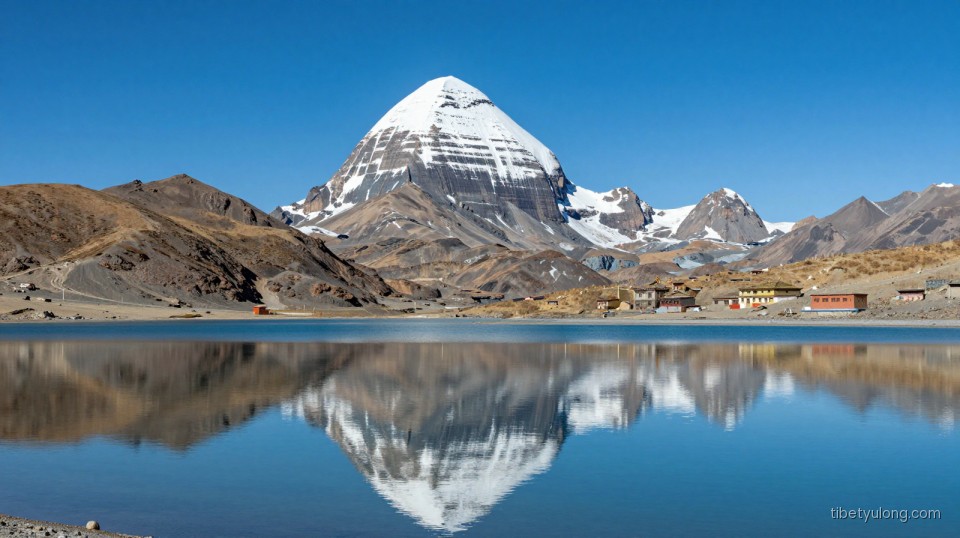
Spring, specifically late April through June, is widely regarded as one of the best times to visit Kailash Manasarovar. During these months, the brutal winter cold begins to retreat, and the high-altitude trails become passable again. May is particularly favored by trekkers and pilgrims alike. The skies are generally clear, offering unobstructed views of the mountain’s striking pyramidal peak, and daytime temperatures are manageable for sustained physical exertion.
One of the most significant events during this period is the Saga Dawa festival, which usually falls in May or early June according to the lunar calendar. This is the holiest time in Tibetan Buddhism, commemorating the birth, enlightenment, and passing of Buddha. Thousands of pilgrims gather at Mount Kailash to complete the kora, replacing the prayer flags at the Tarboche flagpole. If you wish to witness the spiritual magnitude of Kailash Manasarovar at its absolute peak, spring is the ideal choice. However, be prepared for larger crowds and ensure your logistics are booked well in advance, as accommodations in Darchen fill up rapidly during festival weeks.
Summer and the Monsoon Challenges
While July and August represent the warmest months on the Tibetan Plateau, they also coincide with the regional monsoon season. Traveling to Kailash Manasarovar during summer presents a mixed bag of advantages and distinct challenges. On the positive side, the landscape transforms. The barren brown plateaus briefly bloom with sparse alpine vegetation, and the lakes appear incredibly vivid against the green-tinged valleys. Temperatures are at their mildest, making camping slightly more comfortable at night.
However, the increased precipitation brings real logistical hurdles. The access roads leading into the Ngari Prefecture, particularly the stretches from Lhasa or Ali, are susceptible to mudslides, washouts, and flooding. Cloud cover frequently obscures the summit of Mount Kailash, which can be disappointing for photographers and sightseers hoping for crystal-clear panoramas. Furthermore, leeches and soggy ground can make the actual trekking paths around the mountain slippery and unpleasant. While summer remains a viable time to visit, travelers must build flexibility into their itineraries to account for potential weather-related delays on the long drives required to reach the region.
Autumn: The Clear Skies of Kailash Manasarovar
Many seasoned guides consider autumn—specifically September and October—to be the absolute best time to visit Kailash Manasarovar for pure trekking and photography. Once the monsoon rains dissipate, the atmosphere stabilizes, resulting in spectacularly clear skies. The visibility during these months is unmatched, allowing you to see the intricate geological striations of Mount Kailash and the deep sapphire hues of Lake Manasarovar without any atmospheric haze.
September offers a beautiful balance: the trails are dry, the rivers have calmed down, and the biting winter winds have not yet fully arrived. October begins to cool down significantly, especially toward the end of the month, but the crisp air makes for invigorating hiking conditions. The crowds from the spring festival season have thinned out, providing a more solitary and contemplative atmosphere along the kora route. For those prioritizing landscape photography, stable weather, and optimal trekking conditions over cultural festivals, autumn is the premier window to experience this sacred geography.
Winter: When Kailash Manasarovar Closes Its Doors
Winter, spanning from November through March, effectively shuts down tourism and pilgrimage around Kailash Manasarovar. Heavy snowfall blankets the region, burying the trekking trails and making the Dolma La Pass—the highest and most dangerous point on the kora circuit at 5,630 meters—completely impassable. Temperatures drop drastically, often lingering well below -20°C (-4°F), creating severe risks of frostbite and hypothermia.
During these months, local guesthouses in Darchen close, and the nomadic herders move to lower elevations. Road access is frequently blocked by snowdrifts, and emergency rescue services are virtually non-existent due to the harsh conditions. While the landscape under fresh snow is undeniably majestic, attempting to visit Kailash Manasarovar in winter is strongly discouraged for anyone other than highly specialized expedition teams. Standard travel agencies do not operate tours during this period, and permits are generally not issued for tourist travel to the Ngari region in deep winter.
Essential Travel Logistics and Permit Updates
Reaching Kailash Manasarovar requires navigating complex bureaucratic and geographical landscapes. All foreign travelers must obtain a Tibet Travel Permit, an Alien’s Travel Permit for the Ngari region, and sometimes military border permits. These cannot be applied for independently; you must travel with a registered tour operator who handles the paperwork on your behalf. Processing times can take several weeks, so initiating your application two to three months before your intended travel date is standard practice.
As infrastructure in Tibet continues to develop, road conditions to the western regions have gradually improved, though the sheer distance remains daunting. Overland journeys from Lhasa typically take three to four days of driving. Alternatively, flights to Ali Kunsha Airport reduce travel time but require immediate acclimatization to the extreme altitude upon arrival. Staying updated on regional travel regulations is vital, as policies regarding foreign access can shift based on local administrative decisions or environmental conservation efforts.
For seamless navigation of these requirements, partnering with experienced local operators is invaluable. Agencies such as Tibet Yulong Travel specialize in organizing expeditions to Kailash Manasarovar, managing everything from permit acquisitions to vehicle logistics and guide services. Their on-the-ground expertise ensures that travelers comply with all current regulations while maximizing their comfort and safety in one of the world’s most demanding environments. Utilizing a knowledgeable team allows you to focus on the spiritual and physical journey rather than administrative burdens.
Health, Acclimatization, and Physical Preparation
No discussion about visiting Kailash Manasarovar is complete without addressing altitude sickness. The base town of Darchen sits at approximately 4,600 meters, and the kora pushes you above 5,600 meters. Proper acclimatization is not optional; it is a medical necessity. Spend several days in Lhasa (3,650 meters) or Shigatse before heading west. Ascend gradually, stay hydrated, and avoid alcohol or strenuous exercise during your first few days at elevation.
Physical fitness plays a role, but altitude tolerance is largely genetic and unpredictable. Even marathon runners can suffer from Acute Mountain Sickness (AMS). Pack a comprehensive medical kit including acetazolamide (Diamox) for altitude prevention, pain relievers, and gastrointestinal medications. Hiring yaks or porters to carry your heavy gear during the three-day kora is highly recommended, allowing you to conserve energy. Listen to your body—if symptoms like severe headache, vomiting, or breathlessness at rest occur, descending immediately is the only safe course of action. Respecting the altitude ensures your pilgrimage to Kailash Manasarovar remains a transformative experience rather than a medical emergency.