Standing at the foot of the world’s highest peak is a dream shared by mountaineers and trekkers alike. However, before lacing up your boots, understanding the Everest Base Camp elevation is crucial for proper preparation. The mountain straddles the border between Nepal and China’s Tibet Autonomous Region, meaning there are actually two distinct base camps serving climbers from different directions. While they share the same ultimate goal, their altitudes, accessibility, and surrounding landscapes differ significantly. Knowing the exact height of your destination helps you plan acclimatization strategies, pack appropriate gear, and choose the route that best fits your physical capabilities. Whether you approach from the southern trails of Nepal or the northern plateau of Tibet, grasping these elevation details ensures a safer and more rewarding journey to the roof of the world.
Key Takeaways:
- Nepal side sits at 5,364 meters (17,598 feet).
- Tibet side reaches 5,200 meters (17,060 feet).
- Both require careful altitude acclimatization.
- Accessibility differs greatly between the two routes.
- Weather patterns vary based on elevation and geography.
Understanding the Everest Base Camp Elevation
When travelers discuss the Everest Base Camp elevation, they are often surprised to learn there isn’t just one single location. Mount Everest, known as Sagarmatha in Nepal and Chomolungma in Tibet, has two primary base camps situated on opposite sides of the mountain. These camps were originally established to support climbing expeditions attempting the summit via the South Col or North Ridge routes. Today, they serve as major destinations for trekkers who want to experience the majesty of the Himalayas without necessarily attempting the summit.
The concept of base camp elevation goes beyond a simple number on an altimeter. It dictates the oxygen levels available, the temperature ranges you will experience, and the physical toll the environment takes on your body. At over 5,000 meters, the atmospheric pressure is roughly half of what it is at sea level. This means every breath delivers significantly less oxygen to your bloodstream. Understanding this fundamental reality is the first step in preparing for either the Nepalese or Tibetan approach. Both locations demand respect for the altitude, regardless of which specific camp you choose to visit.
Nepal Side: How High is the South Everest Base Camp?
The South Everest Base Camp, located within Nepal’s Sagarmatha National Park, sits at an elevation of 5,364 meters (17,598 feet). This is the most famous and frequently visited of the two camps, drawing tens of thousands of trekkers annually. The journey typically begins with a thrilling flight into Lukla, which itself rests at 2,860 meters. From there, trekkers spend roughly eight to twelve days walking through Sherpa villages, crossing suspension bridges, and gradually gaining altitude before reaching the base camp.
The elevation gain on the Nepal side is substantial and requires a carefully paced itinerary. Trekkers pass through Namche Bazaar at 3,440 meters, Tengboche at 3,860 meters, and Gorak Shep at 5,164 meters before finally arriving at the base camp. This staggered ascent is designed to allow the body to adapt to thinning air. The trail culminates at the Khumbu Icefall, a constantly shifting river of ice where climbers begin their summit attempts. For trekkers, the base camp marks the end of the line, offering close-up views of the icefall and the towering southwest face of Everest.
Because the Nepal side Everest Base Camp elevation is slightly higher than its Tibetan counterpart, the physical demands can feel more intense, especially after days of sustained trekking. The terrain is rugged, involving steep ascents and descents through rocky moraines. Reaching 5,364 meters is a significant achievement, and the sense of accomplishment upon seeing the prayer flags fluttering against the backdrop of the Khumbu Icefall is unmatched. Most guided tours build in specific rest days, particularly at Namche Bazaar and Dingboche, to ensure everyone adapts safely to the increasing height.
Tibet Side: What is the North Everest Base Camp Elevation?
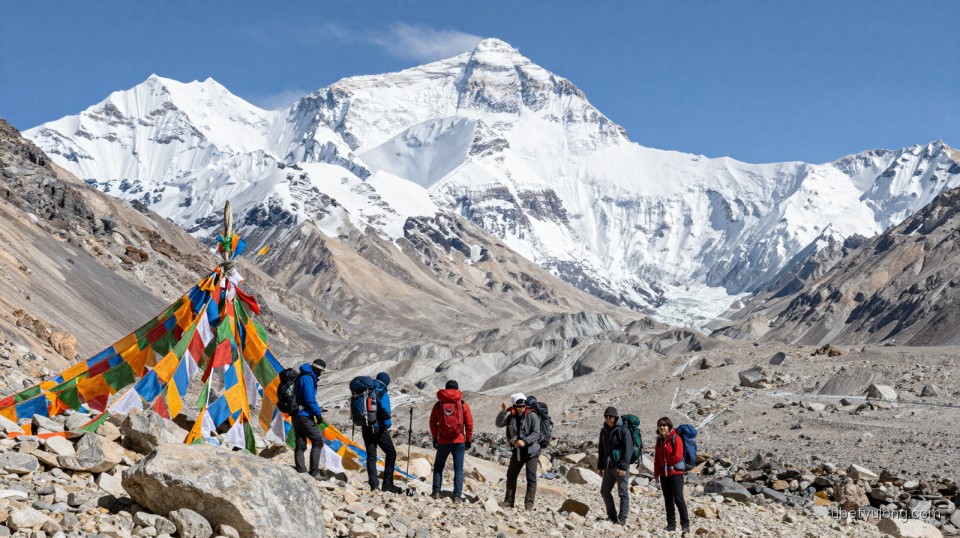
On the northern flank of the mountain, the Tibet Everest Base Camp elevation stands at approximately 5,200 meters (17,060 feet). While slightly lower than the Nepal side, the Tibetan approach offers a vastly different experience. Instead of a multi-day trek through forested valleys, visitors typically drive directly to the base camp area via paved roads branching off the Friendship Highway. This makes the north side significantly more accessible for those who cannot commit to a two-week hiking expedition or prefer not to endure strenuous physical exertion.
Despite being 164 meters lower than the southern camp, the altitude here should never be underestimated. The entire Tibetan Plateau maintains a high average elevation, meaning you are already acclimatized to thinner air before even beginning your journey toward the mountain. The drive usually passes through Tingri, sitting around 4,300 meters, before climbing over the Pang La Pass at 5,200 meters, which offers a spectacular panoramic view of several 8,000-meter peaks, including Everest, Makalu, Lhotse, and Cho Oyu.
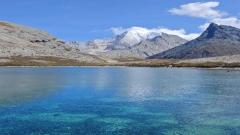
The landscape surrounding the Tibet Everest Base Camp is stark, arid, and dramatically beautiful. Unlike the rocky, ice-covered terrain of the Khumbu region, the north side features vast gravel plains and sweeping views of the mountain’s north face. Accommodation historically consisted of tent guesthouses run by local nomadic families, though permanent structures like the Rongbuk Monastery Guesthouse provide basic shelter nearby. Rongbuk Monastery, situated at about 5,009 meters, holds the title of the highest monastery in the world and serves as a spiritual gateway to the mountain. When planning a trip to this side, working with experienced local operators like Tibet Yulong Travel can greatly enhance the experience. They specialize in navigating the unique permit requirements, arranging reliable transportation across the plateau, and ensuring travelers acclimatize properly before reaching the high-altitude zones.
Comparing the Two Everest Base Camp Elevations
Placing the two elevations side by side reveals interesting differences that influence traveler decisions. The Nepal side at 5,364 meters versus the Tibet side at 5,200 meters might seem like a negligible difference of 164 meters on paper. However, in the extreme environment of the high Himalayas, every hundred meters impacts oxygen saturation and physical fatigue. The southern route forces your body to adapt gradually through days of hiking, while the northern route can transport you to high altitude much faster via vehicle, which carries its own risks if acclimatization protocols are ignored.
Accessibility plays a massive role in how these elevations are experienced. Trekking to 5,364 meters in Nepal requires excellent cardiovascular fitness, sturdy joints, and a willingness to sleep in basic teahouses for over a week. The reward is a deep immersion into Sherpa culture and diverse ecological zones ranging from subtropical forests to alpine deserts. Conversely, reaching 5,200 meters in Tibet is primarily a vehicular journey. This allows older travelers, families, or those with limited time to witness Everest up close without the grueling physical toll of a long trek. However, the rapid ascent means spending extra nights in intermediate towns like Shigatse or Lhasa is absolutely essential to prevent altitude sickness.
The visual perspective also changes based on which Everest Base Camp you visit. From the south, you are nestled deep within the valley, looking up at the terrifying beauty of the Khumbu Icefall. You don’t actually see the summit pyramid clearly from the Nepal base camp; many trekkers hike up Kala Patthar (5,644 meters) the next morning for the iconic viewpoint. On the Tibet side, the unobstructed northern face dominates the skyline directly from the base camp area, providing the classic, postcard-perfect view of the summit pyramid rising above the Rongbuk glacier.
Altitude Sickness and Preparation for High Elevations
Regardless of whether you target the 5,364 meters of Nepal or the 5,200 meters of Tibet, Acute Mountain Sickness (AMS) is the primary health concern. Symptoms include throbbing headaches, nausea, dizziness, loss of appetite, and disrupted sleep patterns. In severe cases, it can progress to High Altitude Pulmonary Edema (HAPE) or High Altitude Cerebral Edema (HACE), both of which are life-threatening emergencies requiring immediate descent.
Preparation must begin well before your arrival in the Himalayas. Cardiovascular training, such as running, cycling, or swimming, improves overall stamina, though no amount of sea-level fitness completely prevents AMS. The golden rule of high-altitude travel is “climb high, sleep low.” This means during your acclimatization hikes, you ascend to a higher point during the day but return to a lower elevation to sleep, allowing your body to produce more red blood cells in a safer environment.
Hydration is another critical factor. The air at Everest Base Camp elevation is incredibly dry, and you lose moisture rapidly through respiration. Drinking three to four liters of water daily helps maintain blood volume and reduces headache severity. Many trekkers and tour operators also recommend consulting a physician about carrying Acetazolamide (Diamox), a medication that accelerates acclimatization by altering blood acidity. However, medication is never a substitute for a sensible itinerary. If symptoms worsen despite resting, descending immediately is the only safe course of action. Professional guides on both the Nepal and Tibet sides are trained to recognize early signs of AMS and will enforce descent protocols when necessary.
Choosing Your Route Based on Elevation and Experience
Deciding between the two sides ultimately comes down to your travel style, physical condition, and what kind of adventure you seek. If you crave a challenging, immersive trekking experience and have two weeks to spare, the Nepal side at 5,364 meters offers an unparalleled journey through rich cultural landscapes and dramatic topography. The physical effort required makes standing at the base camp feel like a hard-earned victory.
If you prefer a more comfortable approach, wish to avoid prolonged hiking, or want to combine Everest with a broader exploration of Tibetan culture, the north side at 5,200 meters is ideal. The ability to drive directly to the base camp vicinity means you conserve energy for exploring monasteries, interacting with locals, and photographing the stunning north face. Utilizing specialized agencies like Tibet Yulong Travel ensures that logistical hurdles, such as securing the mandatory Alien Travel Permit and military border passes, are handled smoothly. Their expertise in high-altitude travel guarantees that your itinerary respects the physiological limits imposed by the Everest Base Camp elevation, allowing you to focus entirely on the breathtaking scenery rather than administrative stress.