Nestled deep within the eastern Himalayas, Motuo is a place that feels entirely disconnected from the modern world. Often referred to as Medog County, this remote region in Tibet remains one of the most challenging yet rewarding destinations for adventurous travelers. For decades, it was famously known as the only county in China without a paved road connecting it to the outside world, accessible only by foot through treacherous mountain passes. Today, while infrastructure has slowly improved, reaching Motuo still demands physical endurance and careful planning. The journey offers an unparalleled transition from freezing alpine glaciers to dense, humid subtropical rainforests, a geographical anomaly found almost nowhere else on Earth. If you are drawn to raw, untouched landscapes and authentic cultural encounters, traveling to Motuo will test your limits and redefine your understanding of wilderness exploration.
Key Takeaways:
- Motuo is located in southeastern Tibet, famous for its extreme isolation.
- The terrain transitions dramatically from snowy peaks to tropical rainforests.
- Reaching the area requires either a strenuous multi-day trek or navigating steep mountain roads.
- Travelers must secure special border permits before entering the region.
- Weather is highly unpredictable, making preparation absolutely critical.
Where Exactly is Motuo Located in Tibet?
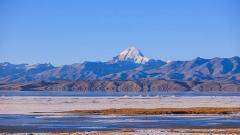
Understanding the geography of Motuo is essential before planning any trip. Situated in the southeastern part of the Tibet Autonomous Region, Motuo falls under the administrative jurisdiction of Nyingchi City. It lies at the southern foot of the Namcha Barwa peak, which stands at an impressive 7,782 meters, and is deeply carved by the Yarlung Tsangpo River as it makes its massive bend toward India, where it becomes the Brahmaputra.
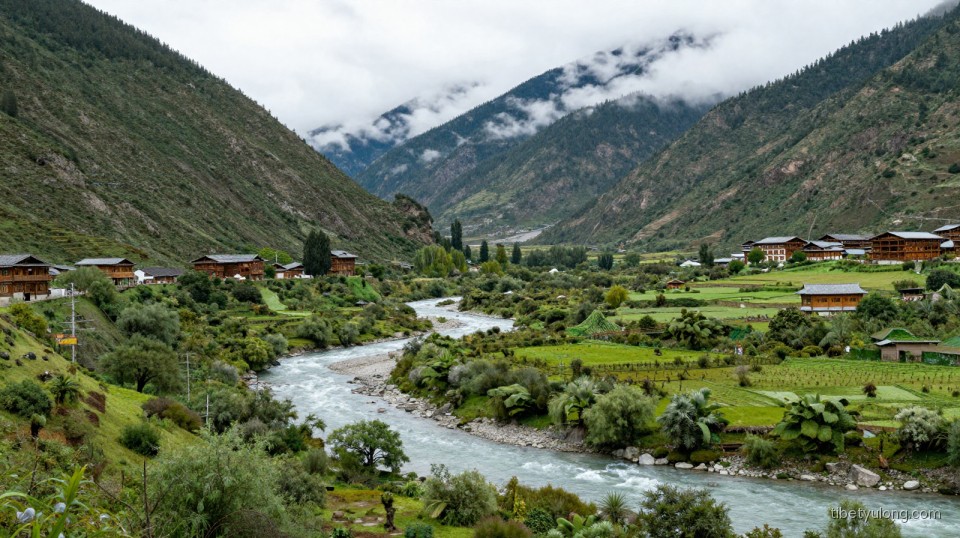
What makes the location of Motuo so geographically fascinating is its topography. Unlike the arid, high-altitude plateaus typically associated with Tibet, this area sits at a much lower elevation, averaging around 1,200 meters above sea level in its valleys. The surrounding mountains act as a shield against cold northern winds, while the river gorge funnels warm, moist air from the Indian Ocean directly into the valley. This creates a unique microclimate where you can find snow-capped peaks towering over lush, tropical vegetation just a few thousand meters below. The sheer vertical drop within such a short horizontal distance makes Motuo a paradise for botanists and nature lovers, harboring thousands of plant species and rare wildlife that exist nowhere else in the region.
Historically, this extreme topography is exactly what kept Motuo isolated. The towering Himalayan ranges blocked easy access, preserving the unique culture of the local Monba and Lhoba ethnic groups who have inhabited these forests for centuries. Even today, the location dictates every aspect of travel here, from the routes you take to the gear you must carry.
The Unforgettable Motuo Travel Experience
Traveling to Motuo is not a typical vacation; it is an expedition. The experience is defined by physical exertion, breathtaking scenery, and a profound sense of accomplishment. Whether you choose to hike the traditional route or drive the newly constructed highways, the journey itself is the primary attraction.
Hiking the Classic Motuo Trekking Route
For hardcore backpackers and hikers, the classic trek into Motuo remains a legendary challenge. The traditional route usually begins in Pai Village, near the Yarlung Tsangpo Grand Canyon. Trekkers must first conquer the Duoxiongla Pass, which sits at an altitude of over 4,200 meters. Crossing this pass is the most dangerous part of the journey, as sudden snowstorms, whiteouts, and avalanches are common even during warmer months. Most hikers aim to cross the pass early in the morning when the weather is relatively stable.
Once over the pass, the descent begins. Over the course of three to four days, hikers walk from barren, rocky alpine zones down through coniferous forests, eventually entering thick, humid broadleaf jungles. The trail is notoriously muddy, filled with leeches during the wet season, and punctuated by precarious suspension bridges swaying over roaring rivers. Every step downward brings a noticeable shift in temperature and ecology. By the time you reach the lower villages of Motuo, the air is thick, warm, and buzzing with insects, a stark contrast to the freezing winds of the pass you crossed days earlier.
Driving to Motuo
In recent years, the completion of the Motuo Highway (Zhamo Road) has changed how people access the region. Driving from Bomi County to Motuo takes several hours, winding through the Galongla Tunnel and descending along steep, narrow cliffside roads. While driving eliminates the grueling multi-day trek over the high passes, it introduces its own set of challenges. The road is highly susceptible to landslides, mudslides, and rockfalls, particularly during the rainy season. Traffic control is strict, and vehicles are often only allowed to enter or exit on specific alternating days to manage the flow on the single-lane sections. Despite these hurdles, driving allows more travelers to witness the incredible biodiversity and dramatic landscapes of Motuo without needing elite mountaineering fitness.
Immersing in Local Culture
Upon arriving in Motuo, the cultural experience is as rich as the natural environment. The local Monba and Lhoba people maintain traditions that have been shaped by their isolated environment. Their architecture features wooden stilt houses designed to keep moisture and wildlife at bay. You will notice distinct dietary habits, heavily reliant on local crops, wild ferns, and chili peppers, which thrive in the subtropical climate. Engaging with locals, respecting their customs, and tasting regional dishes like stone pot chicken cooked with local herbs adds a deeply human element to the wilderness adventure.
Essential Travel Tips for Visiting Motuo
Because of its remoteness and volatile environment, visiting Motuo requires meticulous preparation. Ignoring basic travel protocols can lead to severe consequences in an area where rescue services are limited.
Permits and Documentation
You cannot simply buy a bus ticket and arrive in Motuo. As a border county situated near the McMahon Line, foreign tourists and domestic travelers alike face strict regulations. Chinese citizens must obtain a Border Defense Permit (Bianfangzheng) prior to arrival, usually processed in their hometown or in Lhasa/Nyingchi. Foreign nationals generally face heavier restrictions and may find it difficult or impossible to secure permits for this specific border zone without joining specialized, government-approved expeditions. Always verify the current permit requirements well in advance, as policies can shift based on local conditions.
Best Time to Visit Motuo
Timing your trip is crucial. The optimal window for visiting Motuo is generally from late September to November. During these autumn months, the heavy monsoon rains have subsided, reducing the risk of catastrophic landslides and leech infestations, yet the winter snows have not fully sealed the high mountain passes. Spring, specifically May and June, is another viable window, though rainfall begins to increase. Winter and early spring make the high passes nearly impassable due to deep snow, while July and August bring torrential rains that frequently wash out roads and trails, making travel incredibly dangerous.
Gear and Physical Preparation
If you are trekking, your gear list must be comprehensive. Waterproof hiking boots with excellent ankle support are non-negotiable given the deep mud. Gaiters are essential to prevent leeches from crawling up your legs during the wetter months. Pack lightweight, quick-drying clothing, as cotton will stay wet and cause chafing in the humid lower elevations. Conversely, you need heavy thermal layers for the high-altitude pass crossings. Rain gear should be robust; flimsy ponchos will tear in the dense underbrush. Bring water purification tablets or a reliable filter, as drinking untreated stream water carries significant risks of gastrointestinal illness.
Physical fitness must be taken seriously. The trek involves long days of walking with a loaded pack over uneven, slippery terrain with extreme elevation changes. Cardiovascular training and practice hikes with a weighted backpack should begin months before your departure.
Health and Safety Considerations
Altitude sickness is a real threat when crossing the initial mountain passes, even if Motuo’s valleys are low. Acclimatize properly in Nyingchi or Bomi before attempting the journey. Carry medication for altitude sickness, as well as a basic first aid kit including antiseptics, bandages, blister treatments, and anti-diarrheal pills. Communication networks are sparse; do not rely on having a consistent mobile phone signal once you leave the main towns. Inform someone reliable of your itinerary and expected return date before venturing into the deeper trails.
Planning Your Journey with Professional Support
Navigating the logistical complexities of a trip to this part of Tibet can be overwhelming for independent travelers. Arranging transport, securing permits, and hiring knowledgeable local guides who understand the shifting trail conditions are tasks that benefit greatly from professional assistance. Agencies specializing in Tibetan expeditions, such as Tibet Yulong Travel, offer tailored itineraries that handle the bureaucratic and logistical hurdles of reaching remote areas like Motuo. Utilizing experienced operators ensures that you have access to reliable drivers, proper acclimatization schedules, and emergency protocols, allowing you to focus entirely on the physical journey and the stunning landscapes rather than stressing over administrative details. When venturing into one of the most isolated regions on the planet, having a trusted team managing the groundwork transforms a potentially hazardous undertaking into a life-changing adventure.