Standing at 6,638 meters in the remote corners of western Tibet, Mount Kailash draws thousands of pilgrims and adventurers every year. But before lacing up your boots, you might be wondering: is Mount Kailash hard to trek? The short answer is yes, it presents significant physical and mental challenges, primarily due to extreme altitude and unpredictable weather. However, with proper preparation, pacing, and the right logistical support, it is an achievable goal for many reasonably fit individuals. This guide breaks down the reality of the journey so you can plan effectively.
Key Takeaways:
- High altitude (up to 5,630m) makes the trek physically demanding.
- The standard circuit takes about three days to complete.
- No climbing gear is needed, but sturdy hiking equipment is essential.
- Proper acclimatization prevents dangerous altitude sickness.
- Hiring local guides ensures smoother logistics and safety.
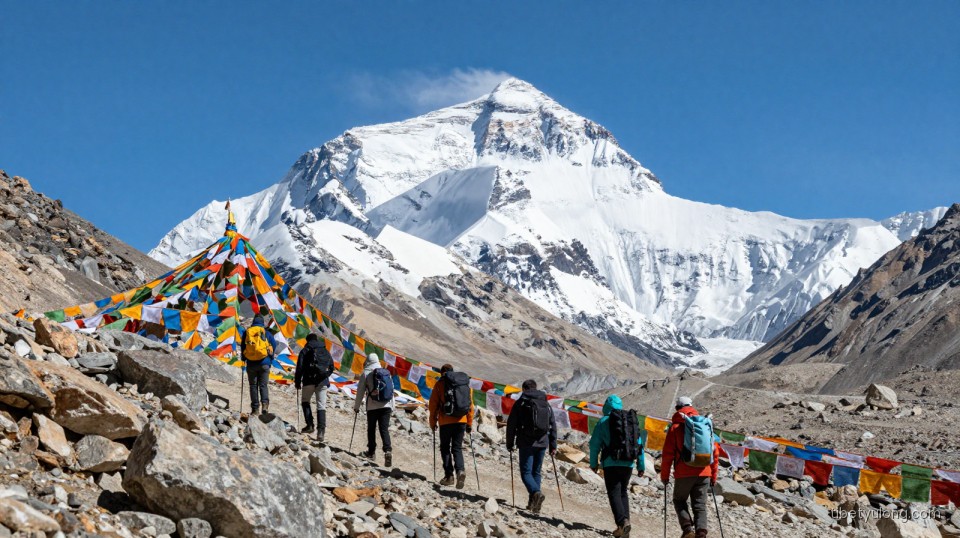
Is the Mount Kailash Trek Really That Hard?
When assessing the difficulty of a trek, people often look at technical terrain. Mount Kailash does not require rock climbing skills, ropes, or ice axes for the standard pilgrimage route. Instead, the difficulty lies almost entirely in the environment. You are walking through a high-altitude desert where oxygen levels are roughly half of what they are at sea level. Every step feels heavier, and your heart works overtime just to maintain a steady pace.
The trail itself consists of rocky paths, dirt tracks, and occasionally snowy patches depending on the season. While there are no sheer cliff faces to navigate on the main route, the relentless elevation changes wear down even experienced hikers. The psychological aspect also plays a role; the remoteness means medical facilities are virtually non-existent once you leave the base village of Darchen. Knowing that you must rely on your own stamina and your team’s support adds a layer of mental pressure to the physical exertion.
For those who maintain a regular fitness routine back home—incorporating cardio, leg strengthening, and long weekend hikes—the physical act of walking the trail is manageable. The true test is how your body reacts to the thin air. Some seasoned marathon runners struggle immensely here, while casual walkers who acclimatized properly breeze through. Therefore, labeling the trek as universally “hard” or “easy” misses the point; it is highly individual and heavily dependent on altitude tolerance.
How Long Does It Take to Complete the Trek?
The standard circumambulation, known as the kora, covers approximately 52 kilometers. Most travelers and pilgrims complete this circuit over three days. Rushing the trek is strongly discouraged, as ascending too quickly drastically increases the risk of acute mountain sickness.
Day One: Darchen to Dirapuk Monastery (Approx. 20 km)
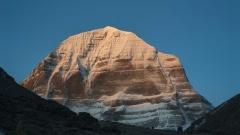
The first day begins in Darchen, the gateway town sitting at about 4,675 meters. From here, you follow the Lha-chu valley westward. The trail is relatively gradual compared to later stages, offering sweeping views of the mountain’s southern face before turning north. You will pass prayer flags fluttering in the wind and perhaps encounter Tibetan nomads herding yaks. The day ends at Dirapuk Monastery, situated around 5,000 meters. This campsite provides the most iconic, unobstructed view of Mount Kailash’s dramatic north face. Walking time usually ranges from six to eight hours, depending on your pace and rest stops.
Day Two: Dirapuk to Zutulpuk via Dolma La Pass (Approx. 18 km)
This is universally considered the hardest day of the trek. You wake up early to tackle the Dolma La Pass, which peaks at a staggering 5,630 meters. The ascent is steep, rocky, and breathless. Reaching the top is a profound moment for both spiritual pilgrims and adventure seekers, marked by thousands of colorful prayer flags left by previous travelers. After a brief pause at the summit, you begin a steep descent past Gauri Kund, a small, strikingly colored lake. The trail then flattens out into the Dzong-chu valley, leading you to the second camp near Zutulpuk Monastery at around 4,790 meters. Expect this day to take seven to nine hours of continuous effort.
Day Three: Zutulpuk back to Darchen (Approx. 14 km)
The final day is the easiest in terms of elevation, as you gradually descend back toward Darchen. The trail follows the Barka-chu river gorge, passing through scrubby landscapes and occasional nomadic settlements. Because the altitude drops steadily, your energy levels often return, making the walk feel much lighter. Most trekkers finish this leg in four to five hours, arriving back in Darchen by early afternoon, leaving time to rest and reflect on the journey.
Some highly experienced, fast-moving trekkers attempt the kora in two days, while elderly pilgrims performing full-body prostrations may take weeks. For the average visitor, sticking to the three-day itinerary remains the safest and most enjoyable approach.
Essential Preparation for a Successful Trek
Success on this trek relies far more on what you do weeks before arriving than on the trail itself. Cardiovascular endurance is your best asset. Months prior to your trip, focus on aerobic exercises like running, cycling, or stair climbing. More importantly, practice hiking with a loaded daypack on uneven terrain. Your joints and muscles need to adapt to the repetitive impact of downhill walking, which is notoriously tough on the knees during the descent from Dolma La.
Gear selection matters immensely. Temperatures fluctuate wildly. Even in peak summer months, nighttime temperatures at Dirapuk can plummet well below freezing, while daytime sun exposure at high altitude can feel scorching. Layering is mandatory. A moisture-wicking base layer, an insulating mid-layer like a down jacket, and a windproof, waterproof outer shell form the core system. Invest in well-broken-in, ankle-supporting hiking boots. Blisters at 5,000 meters are not just annoying; they can severely compromise your mobility and ruin the experience.
Hydration and nutrition require conscious effort. At high altitudes, your body loses moisture rapidly through respiration, yet the cold suppresses your natural thirst signals. Force yourself to drink water consistently throughout the day. Avoid alcohol entirely during the trek, as it exacerbates dehydration and altitude symptoms. Pack calorie-dense snacks like nuts, chocolate, energy bars, and dried fruits. The guesthouses along the route offer basic meals—usually noodles, rice, and tea—but relying solely on them might not provide enough sustained energy for the demanding walking days.
Managing Altitude Sickness on the Trail
Altitude sickness is the primary reason people fail to complete the trek. Symptoms range from mild headaches, nausea, and dizziness to life-threatening conditions like pulmonary or cerebral edema. The golden rule is never to ascend higher if you are feeling significantly unwell.
Acclimatization cannot be rushed. Spending at least two to three days in Lhasa or Shigatse before traveling to western Tibet allows your body to begin producing more red blood cells. Once in Darchen, spend a full day resting before starting the kora. During the trek, adopt a slow, rhythmic walking pace. Pilgrims have walked this route for centuries at a deliberate speed for good reason; sprinting or pushing your heart rate too high invites trouble.
Consult your doctor before traveling regarding altitude medication such as acetazolamide. While it helps accelerate acclimatization for many, it is not a magic shield against poor pacing or underlying health issues. Carry a comprehensive personal first-aid kit including pain relievers, anti-nausea medication, and blister care supplies. If severe symptoms develop—such as confusion, inability to walk straight, or a wet cough—immediate descent is the only reliable treatment. Do not wait to see if it improves overnight.
Choosing the Right Season and Logistics
Timing your visit dictates your entire experience. The window for trekking Mount Kailash is relatively narrow. May, June, September, and October generally offer the most stable weather. July and August fall within the monsoon season, bringing cloud cover that obscures the peak and rain that turns trails into muddy hazards. Winter months render the pass nearly impassable due to heavy snow and lethal cold.
Logistics in western Tibet are complex. Foreign travelers cannot visit independently; you must travel with an organized tour operator who secures the necessary Tibet Travel Permit and Alien Travel Permit. Navigating these regulations alone is frustrating and often impossible. Working with established agencies like Tibet Yulong Travel simplifies the process significantly. They handle permit applications, arrange reliable transportation across the vast distances from Lhasa or the Nepalese border, and provide experienced local guides who understand the terrain and emergency protocols. Having a dedicated team managing vehicle breakdowns, securing basic guesthouse beds during peak pilgrimage festivals, and monitoring your health allows you to focus purely on the physical and spiritual challenge of walking.
Local support extends beyond paperwork. Hiring yaks or horses to carry heavy luggage is common practice and highly recommended. Carrying a heavy backpack unnecessarily drains your energy reserves when you need them most. Porters and guides from the local community also enrich the experience, sharing cultural context about the mountain’s significance to Buddhism, Hinduism, Jainism, and the Bon religion. Respect for the local environment and culture is paramount; always walk clockwise around the mountain, stay on established trails, and pack out all waste.
Completing the circuit around Mount Kailash is rarely described as a casual vacation. It demands respect, preparation, and resilience. Yet, standing beneath the towering black rock draped in snow, watching the sunrise paint the sky over the Tibetan plateau, makes every grueling step worthwhile. By understanding the real challenges, pacing yourself wisely, and organizing your logistics thoroughly, you transform a daunting question into a deeply rewarding personal achievement.