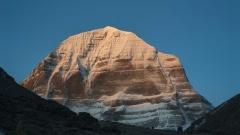
Standing at 6,638 meters in the remote southwestern corner of Tibet, Mount Kailash is not just a mountain; it is the spiritual center of the universe for four major religions. The Mount Kailash trekking experience, locally known as the “kora,” is a 52-kilometer circumambulation that draws pilgrims and adventurers from across the globe. Unlike typical mountaineering expeditions, climbing the summit is strictly forbidden out of religious respect. Instead, trekkers walk around its base, navigating high-altitude passes, vast barren plains, and sacred monasteries. This journey tests physical endurance while offering profound cultural immersion. Whether you are seeking spiritual enlightenment or a rugged Himalayan adventure, understanding the realities of this trek is essential before lacing up your boots.
Key Takeaways:
- Total distance is roughly 52 kilometers over three days.
- Highest point reaches Drolma La Pass at 5,630 meters.
- No technical climbing skills are required, but excellent fitness is mandatory.
- Best seasons are May-June and September-October.
- Hiring local guides and yaks for luggage is highly recommended.
Understanding the Mount Kailash Trekking Route
The standard Mount Kailash trekking route begins and ends in Darchen, a small settlement situated at an elevation of 4,675 meters. From here, the trail forms a loop around the mountain, traditionally walked in a clockwise direction by Hindus and Buddhists, while followers of the Bön religion walk counterclockwise. The entire circuit is generally divided into three main walking days, allowing trekkers to acclimatize gradually and manage the intense physical demands of the terrain.
The first day typically covers about 20 kilometers from Darchen to Dirapuk Monastery. The trail follows the Lha Chu valley, offering relatively gentle gradients compared to the subsequent days. Trekkers pass through Tarboche, where the massive flagpole marks the starting point of the annual Saga Dawa festival. As you walk, the western face of Mount Kailash slowly comes into view, presenting a stunning geometric pyramid shape against the deep blue Tibetan sky. Dirapuk Monastery sits directly opposite the imposing north face of the mountain, providing one of the most iconic viewpoints of the entire journey.
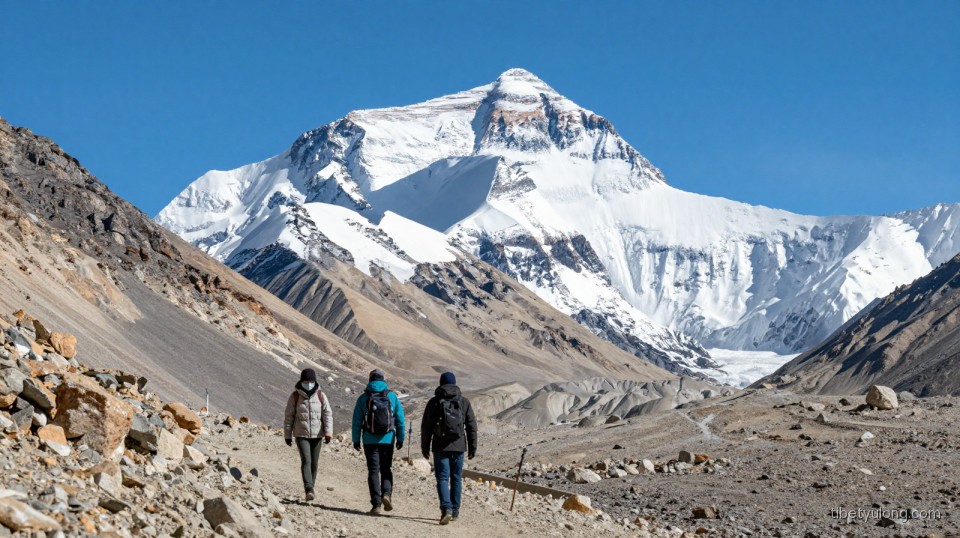
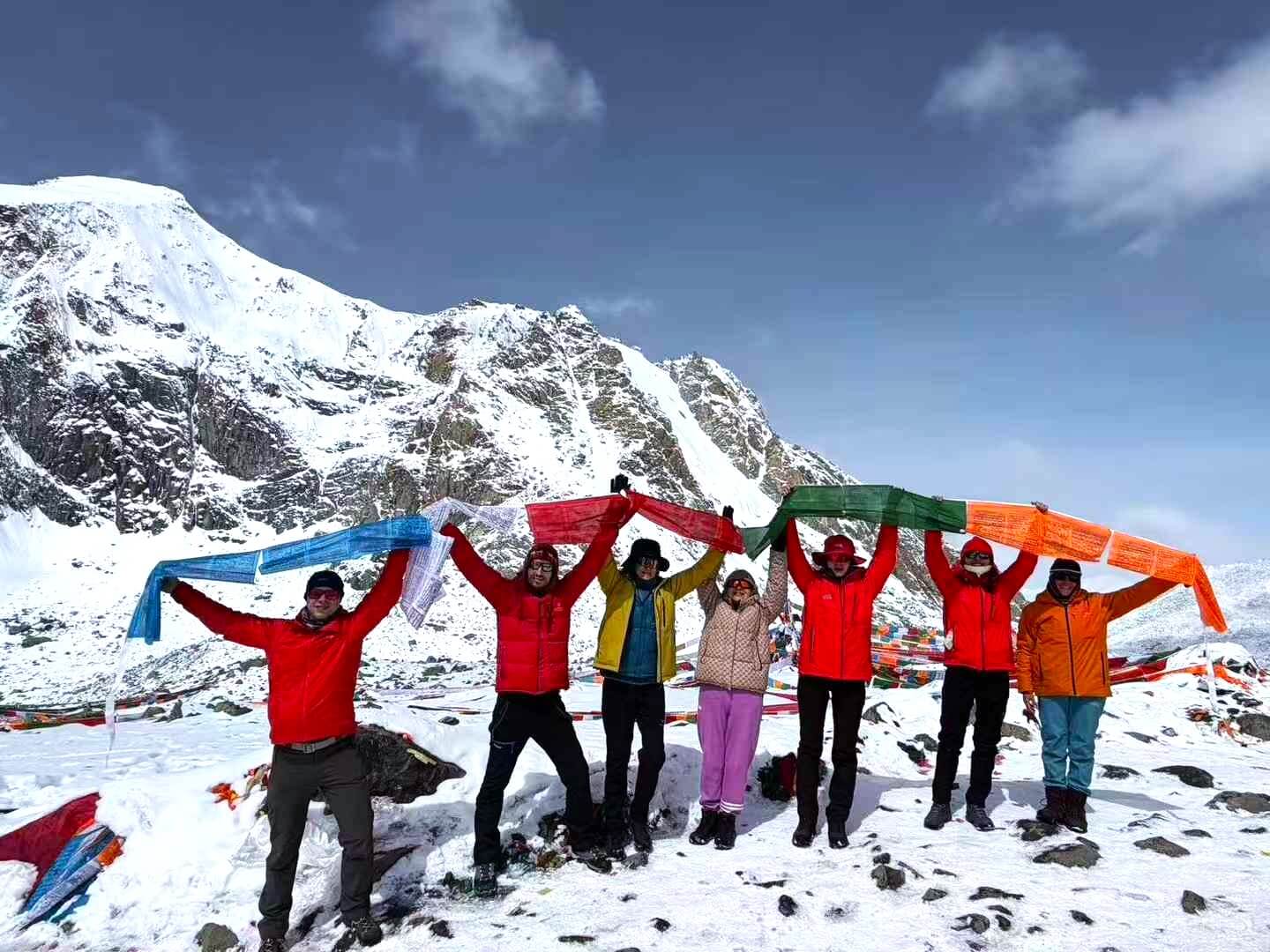
The second day is widely considered the most grueling part of the Mount Kailash trekking experience. Covering approximately 18 kilometers from Dirapuk to Zutulpuk Monastery, this leg requires crossing the Drolma La Pass at a staggering 5,630 meters. The ascent to the pass is steep and relentless, demanding slow, deliberate steps due to the thin air. Upon reaching the top, trekkers are greeted by prayer flags fluttering violently in the wind and views of the sacred Gauri Kund lake below. The descent from the pass is equally challenging, featuring loose scree and steep drops that test knee joints and stamina. Reaching Zutulpuk Monastery at the end of this day brings immense relief, as the hardest section of the trail is complete.
The third and final day is a much easier 14-kilometer walk from Zutulpuk back to Darchen. The trail follows the Barka Chu river valley, gradually descending in elevation. The landscape shifts from rocky alpine terrain to softer grasslands where nomadic herders often graze their yaks and sheep. Returning to Darchen completes the kora, leaving trekkers with a profound sense of accomplishment and a deeper connection to the landscape they have just traversed.
Physical Demands and Altitude Challenges
Altitude sickness is the single greatest challenge during Mount Kailash trekking. The entire route stays above 4,600 meters, with the highest point exceeding 5,600 meters. At these elevations, oxygen levels are roughly half of what they are at sea level. Even seasoned marathon runners can find themselves gasping for breath after a few dozen steps. Symptoms of Acute Mountain Sickness (AMS), including severe headaches, nausea, dizziness, and insomnia, are common and must be monitored closely.
Proper acclimatization is non-negotiable. Most experienced operators recommend spending at least two to three days in Lhasa or Shigatse, and additional time in Darchen, before attempting the kora. Rushing the acclimatization process can lead to life-threatening conditions such as High Altitude Pulmonary Edema (HAPE) or High Altitude Cerebral Edema (HACE). Trekkers must listen to their bodies, stay hydrated, avoid alcohol, and be prepared to descend immediately if symptoms worsen.
Beyond altitude, the physical terrain demands strong cardiovascular fitness and sturdy legs. The uneven ground, river crossings, and steep ascents require constant attention. While no technical rock climbing or ice axes are needed, the sheer length of the daily walks combined with heavy backpacks (if not using porters) makes this a strenuous undertaking. Training beforehand with long hikes carrying a weighted pack at lower elevations is highly advised to prepare muscles and joints for the shock of high-altitude exertion.
Best Time for Mount Kailash Trekking
Timing your trip correctly is crucial for a safe and enjoyable experience. The window for Mount Kailash trekking is remarkably short due to the extreme weather conditions of the Tibetan Plateau. The optimal months are May, June, September, and early October. During these periods, daytime temperatures are manageable, usually hovering between 5°C and 15°C, and the skies are generally clear, offering unobstructed views of the peak.
July and August constitute the monsoon season in this region. While rainfall is less intense than in Nepal or southern Tibet, clouds frequently obscure the mountain, and sudden downpours can turn trails into muddy, slippery hazards. River crossings also become significantly more dangerous during these months due to snowmelt and rain swelling the waterways.
Winter, from November through April, is entirely unsuitable for all but the most hardened locals. Heavy snowfall blocks the Drolma La Pass, temperatures plummet well below -20°C, and basic guesthouses along the route close down completely. Attempting the kora during winter poses severe risks of frostbite and isolation. Therefore, planning your expedition within the narrow spring or autumn windows ensures the safest trail conditions and the most rewarding visual experience.
Essential Gear and Preparation
Packing appropriately can make or break your Mount Kailash trekking journey. Weather on the plateau is notoriously unpredictable; it is entirely possible to experience blazing sunshine, freezing winds, and snow flurries all within a single afternoon. Layering is the fundamental strategy. A moisture-wicking base layer, an insulating mid-layer like a down jacket, and a waterproof, windproof outer shell are mandatory.
Footwear deserves special attention. Sturdy, broken-in hiking boots with ankle support are essential to navigate the rocky, uneven paths safely. Blisters caused by new or ill-fitting boots can quickly derail the trek. Thick wool socks, gaiters to keep debris out of your boots, and trekking poles to reduce strain on your knees during descents should all be included in your gear list.
Sun protection is another critical category. The UV radiation at over 5,000 meters is intensely powerful. High-SPF sunscreen, UV-blocking sunglasses, lip balm with sunblock, and a wide-brimmed hat are necessary to prevent severe sunburn and snow blindness. Additionally, carrying a comprehensive personal first-aid kit containing painkillers, blister treatments, rehydration salts, and any prescribed altitude medication is vital, as medical facilities along the route are virtually non-existent.
Cultural Significance and Etiquette
Engaging in Mount Kailash trekking means stepping into a deeply sacred space. For Hindus, the peak is the earthly manifestation of Mount Meru, the abode of Lord Shiva. For Buddhists, it is the center of the universe associated with Demchok. Jains revere it as the site where their first saint attained liberation, and Bön practitioners consider it the soul of their ancient religion. You will share the trail with devout pilgrims who may be performing full-body prostrations for the entire 52 kilometers—a practice that takes weeks to complete.
Respecting this spiritual environment is paramount. Always walk the kora in the correct direction (clockwise unless you are Bön). Do not step over religious artifacts, mani stones, or prayer flags. When passing monasteries or stupas, keep them to your right. Ask for permission before photographing pilgrims or monks, as many consider unsolicited photography intrusive. Maintaining silence and reverence near sacred sites enhances both your experience and your relationship with fellow travelers on the path.
Logistics and Planning Your Journey
Organizing a trip to this remote region requires careful logistical planning. Foreign travelers cannot visit Tibet independently; they must obtain a Tibet Travel Permit and travel with a registered guide. Accessing Darchen involves a long overland drive from Lhasa or crossing the border from Nepal via the Gyirong port. The roads are improving but remain long and arduous, often requiring several days of driving just to reach the trailhead.
Accommodation along the route consists of basic guesthouses and tent camps near Dirapuk and Zutulpuk. Facilities are rudimentary, offering simple beds, communal dining areas serving noodles or rice, and pit toilets. Hot showers are rarely available, so trekkers should bring wet wipes and hand sanitizer for personal hygiene.
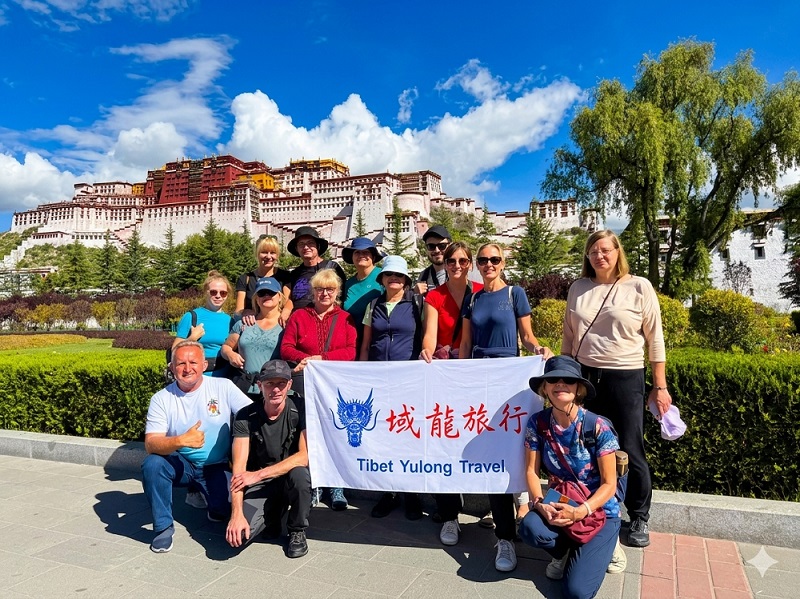
Many travelers choose to hire yaks or horses to carry their heavy luggage, allowing them to walk with only a light daypack. Local yak herders act as handlers, and arranging this service through reputable agencies ensures fair pricing and animal welfare. Working with specialized operators like Tibet Yulong Travel can significantly streamline this complex process. Their expertise in securing permits, arranging reliable transportation, and providing experienced local guides familiar with the Mount Kailash trekking route removes much of the administrative burden, allowing you to focus entirely on the physical and spiritual aspects of the journey. Proper logistical support is not just a convenience here; it is a fundamental component of a safe and successful expedition around one of the world’s most revered peaks.