High on the Tibetan Plateau, where the air is thin and the mountains touch the sky, time seems to move at a different pace. For travelers who arrive expecting only grueling treks or austere monastic schedules, the reality of local culture often comes as a beautiful surprise. Tibetans have cultivated a deeply rooted approach to leisure, one that weaves relaxation seamlessly into the fabric of their daily routines. Understanding how Tibetans embrace their everyday life offers a profound lesson in mindfulness, community, and finding joy in simple pleasures.
Unlike the fast-paced urban environments found in many parts of the world, the rhythm here is dictated by nature, seasons, and spiritual practices. Yet, this does not mean life lacks enjoyment. In fact, the ways Tibetans choose to unwind are rich, communal, and deeply satisfying. From morning rituals involving steaming cups of tea to afternoon gatherings under canvas tents, the pursuit of comfort and happiness is a shared cultural priority.
Key points
-
Community Tea Culture: Daily life revolves around sharing butter tea at home and socializing in sweet tea houses.
-
Outdoor Leisure: Tibetans deeply enjoy nature through sunbathing and “Lingka” (picnicking) in parks or green spaces.
-
Mindful & Active Play: Traditional dice games, archery, music, and simple family storytelling foster strong social bonds.
-
Spiritual Relaxation: Daily practices like walking a kora or visiting monasteries serve as a peaceful, moving meditation.
The Morning Ritual of Butter Tea
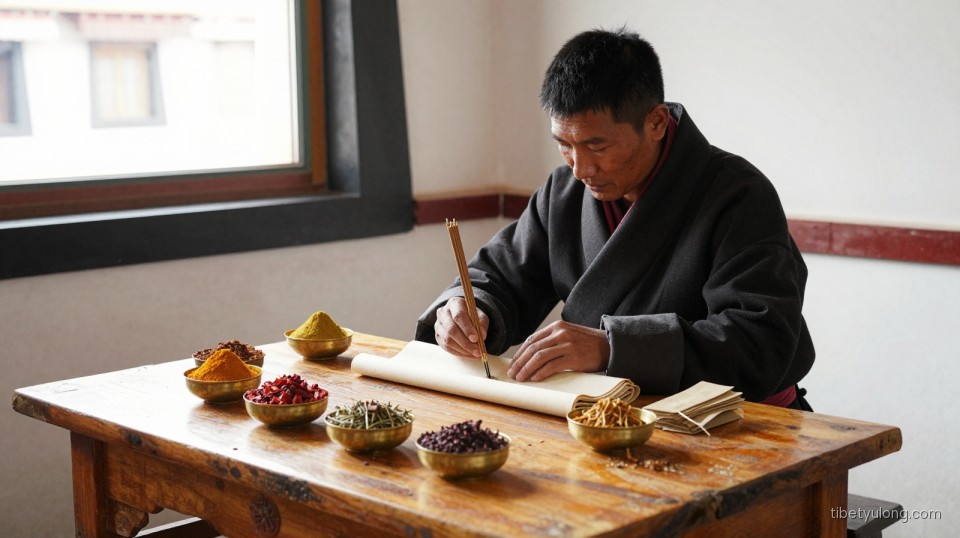
No discussion about how Tibetans start their day is complete without mentioning butter tea, known locally as po cha. This isn’t just a beverage; it is the cornerstone of hospitality and personal comfort. Made by churning black tea with yak butter and salt, the drink provides essential calories and warmth needed to face the chilly plateau mornings. But beyond its nutritional value, the preparation and consumption of butter tea represent a vital moment of pause.
In a traditional household, the rhythmic sound of the wooden churn working the tea is often the first noise of the morning. Families gather around the hearth, passing wooden bowls back and forth. A host will continuously refill a guest’s bowl, ensuring it is never entirely empty, which serves as a constant gesture of care. For Tibetans, sitting together over butter tea is a primary way to connect before the day’s work begins. It is a quiet, grounding ritual that sets a peaceful tone for their everyday life, allowing them to share news, discuss plans, or simply sit in comfortable silence.
Sunbathing: The Art of Doing Nothing
If you walk through the streets of Lhasa or any major town on the plateau, you will notice people sitting against sun-drenched walls, eyes closed, faces tilted toward the sky. With over 3,000 hours of sunshine annually, the region is famously known as the “City of Sunlight,” and Tibetans have mastered the art of soaking it in. Sunbathing here is not about getting a tan; it is a cherished leisure activity and a natural remedy for the high-altitude cold.
During the cooler months, finding a warm patch of sunlight is akin to finding a cozy spot by a fireplace. Elders sit on low wooden benches, spinning prayer wheels slowly while absorbing the warmth. Younger generations might gather in parks, spreading out blankets and sharing snacks. This practice reflects a broader philosophy held by Tibetans: the belief that nature provides what is needed for well-being, and taking the time to receive it is a valid and necessary form of rest. It is a striking example of how they integrate effortless relaxation into their everyday life without guilt or rush.
Lingka: Picnicking Under the Trees
When the weather warms up, usually around late spring and throughout the summer, the tradition of “Lingka” takes over. Lingka translates roughly to “park” or “garden,” but the term also refers to the popular custom of outdoor picnicking. Entire families, groups of friends, and even coworkers will pack up food, carpets, and large canvas tents, heading to the nearest green space, riverbank, or wooded area to spend the day outdoors.
A Lingka outing can last anywhere from a few hours to several days during major festivals. People set up elaborate campsites, decorating their tents with colorful fabrics and arranging comfortable seating on thick rugs. The menu typically includes momos (dumplings), thukpa (noodle soup), dried meats, fresh fruits, and plenty of sweet tea or barley beer. Children run freely along the riverbanks, while adults play dice games, sing folk songs, or engage in long, meandering conversations. For Tibetans, Lingka is the ultimate expression of enjoying everyday life outside the confines of home or work, reinforcing social bonds through shared meals and open skies.
Sweet Tea Houses: The Social Hubs
While butter tea belongs to the home, sweet tea dominates the public social scene. Introduced decades ago, sweet milk tea has become an absolute staple, and the teahouses serving it are the beating hearts of local communities. In cities like Lhasa or Shigatse, you will find numerous teahouses tucked into alleyways, filled with the chatter of locals.
These establishments are remarkably egalitarian. Monks in maroon robes sit next to merchants in modern jackets; farmers share tables with students. The atmosphere is loud, lively, and incredibly welcoming. Patrons order tea by the thermos or by small glasses, accompanied by simple noodles or fried bread. People come here to debate politics, gossip about neighbors, conduct business, or simply pass the afternoon watching the world go by. The teahouse culture demonstrates how Tibetans prioritize human connection. Spending hours in a crowded, noisy room sipping sweet tea is a fundamental part of their everyday life, offering a sense of belonging and community that screens and smartphones cannot replicate.
Games, Music, and Friendly Competition
Leisure for Tibetans is rarely a solitary endeavor, and playfulness is woven deeply into their culture. Traditional games are a common sight in both rural villages and urban courtyards. Sho, a traditional dice game played with cowrie shells and wooden tokens, is immensely popular among men of all ages. The game involves strategy, luck, and a lot of good-natured trash-talking. Crowds often gather around players, cheering and laughing at unexpected turns.
Archery is another beloved pastime, particularly in rural areas and during festivals. Unlike the silent, intense sport seen in the Olympics, Tibetan archery is highly social. Competitors sing, dance, and tease each other between shots. Women often participate in singing circles, harmonizing traditional folk songs that tell stories of love, landscapes, and historical figures. Music and dance are not reserved solely for stages; they happen spontaneously in living rooms, around campfires, and in village squares. These activities highlight how Tibetans use play and art to decompress, turning ordinary moments of their everyday life into celebrations of skill and camaraderie.
Spiritual Practices as a Form of Rest
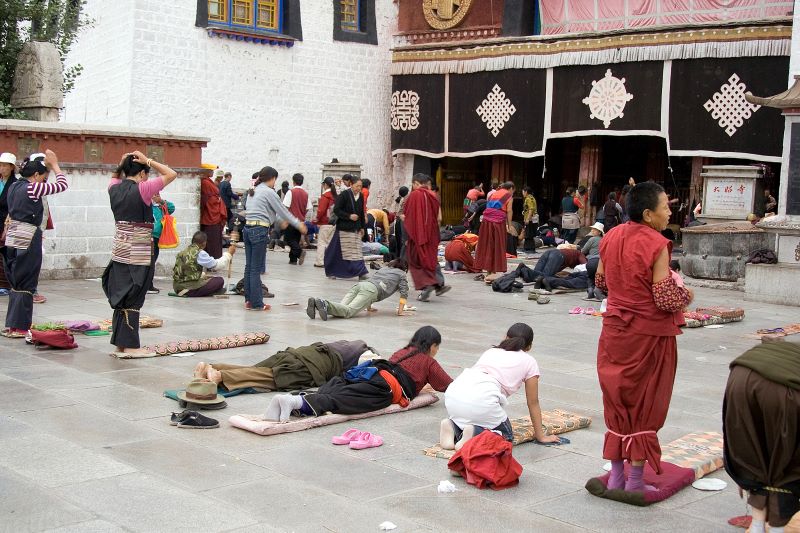
To an outsider, religious practices might seem like obligations or labor, but for Tibetans, spirituality is intrinsically linked to mental peace and relaxation. The act of walking a kora—a circumambulation path around a sacred site like a temple, monastery, or mountain—is a daily routine for many. It is exercise, yes, but it is also a moving meditation. As people walk clockwise, spinning handheld prayer wheels and murmuring mantras, they enter a state of calm focus that washes away the stress of daily chores.
Similarly, visiting monasteries is not always about formal worship. Many Tibetans visit these spaces simply to be in a tranquil environment. They light butter lamps, offer prayers, and then sit quietly in the courtyards, listening to the chanting of monks or the wind rustling through prayer flags. This integration of spiritual practice into leisure time shows how Tibetans view mental and physical relaxation as interconnected. Nurturing the spirit is considered just as important as resting the body, making these quiet moments a non-negotiable part of their everyday life.
Family Bonds and Evening Gatherings
As the sun dips behind the Himalayas and the temperature drops rapidly, the focus shifts inward. The home becomes the ultimate sanctuary. Tibetan families tend to be close-knit, often with multiple generations living under one roof or in very close proximity. Evenings are dedicated to family time, free from the distractions that plague modern households elsewhere.
Dinner is a communal affair, usually centered around hearty dishes like yak meat stews, tsampa (roasted barley flour mixed into a dough), and seasonal vegetables. After eating, families gather around the stove, which serves as the heating center of the home. Elders recount folklore, myths, and personal histories, passing down oral traditions to younger listeners. There is no rush to finish dinner and retreat to separate rooms. The evening stretches out, filled with laughter, storytelling, and shared warmth. This emphasis on family cohesion ensures that the end of the day is a comforting return to loved ones, anchoring the everyday life of Tibetans in deep emotional security.
Embracing the Pace of the Plateau
What visitors quickly realize is that the concept of wasting time does not exist here in the same way it does in industrialized societies. Sitting for three hours drinking tea, walking slowly around a temple, or spending an entire afternoon lying on the grass are not viewed as unproductive. They are the very things that make life worth living. Tibetans have maintained a lifestyle where rest is respected, community is prioritized, and joy is found in the immediate surroundings rather than in material accumulation.
By observing how Tibetans structure their downtime, travelers can learn to slow down their own internal clocks. The plateau demands physical acclimatization, but it also invites psychological adjustment. Letting go of the urge to constantly be doing something opens the door to truly experiencing the landscape and its people. Whether you are joining a local family for a bowl of noodles, learning the rules of a dice game, or simply closing your eyes to feel the midday sun on your face, participating in these traditions reveals the authentic heartbeat of the region. Ultimately, the way Tibetans navigate their everyday life stands as a testament to the enduring power of simplicity, presence, and shared humanity.