Traveling across the high-altitude plateaus of western China offers moments that few other destinations can match. Among the most memorable is the yak riding experience for families on Tibetan grassland, where wide-open spaces, nomadic traditions, and gentle giants come together in perfect harmony. For parents seeking an authentic outdoor adventure that engages children without relying on screens or theme parks, stepping onto the back of a domesticated yak provides a window into centuries-old pastoral life. The rhythmic sway of the animal, the scent of wildflowers, and the endless blue sky create a sensory journey that resonates long after the trip ends. Whether you are planning a multi-day exploration or a brief afternoon excursion, understanding the nuances of this activity ensures a smooth, enjoyable outing for travelers of all ages.
✨ Highlights:
- Yaks offer a uniquely stable and slow-paced ride ideal for young children.
- Proper layering is essential due to rapid temperature shifts on the plateau.
- Local herders provide expert guidance, ensuring safety throughout the journey.
- Respecting nomadic customs and the environment enhances the overall experience.
- Planning through experienced operators like Tibet Yulong Travel simplifies logistics.
Understanding the Yak Riding Experience for Families on Tibetan Grassland
The domestic yak (Bos grunniens) has been the backbone of high-altitude survival for millennia. Unlike their wild counterparts, which roam remote areas and can be unpredictable, domesticated yaks raised by local herders are accustomed to human interaction. Their temperament is generally docile, making them suitable mounts for a family-oriented activity. When considering a yak riding experience for families on Tibetan grassland, it is important to understand that these animals move at a leisurely pace. They do not gallop like horses; instead, they walk with a deliberate, rolling gait that feels remarkably steady once you settle into the rhythm.
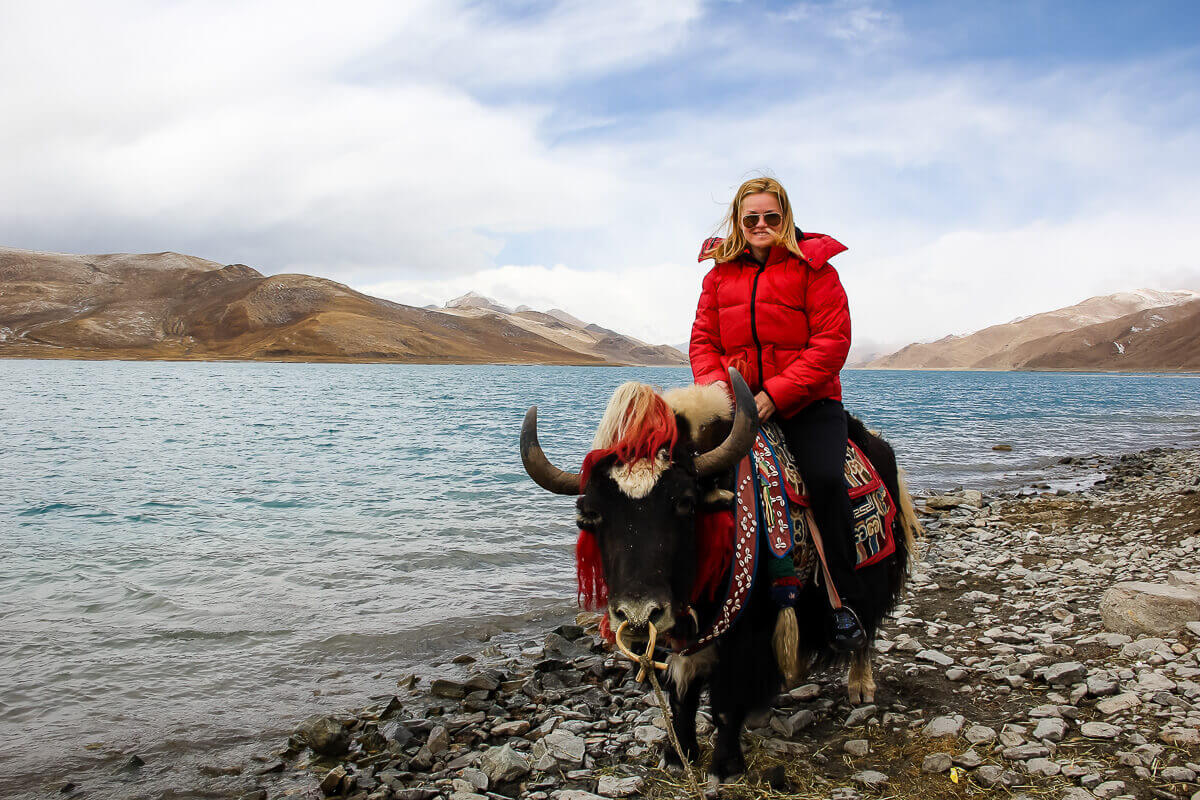
For children, this slow movement is a significant advantage. The fear of speed is often the primary barrier preventing younger travelers from enjoying equestrian activities. Yaks eliminate this anxiety. Their broad backs and thick coats also provide a surprisingly comfortable seat, especially when outfitted with traditional woven saddles or padded blankets by the handlers. The entire dynamic shifts from an adrenaline-fueled sport to a peaceful, observational journey across the landscape.
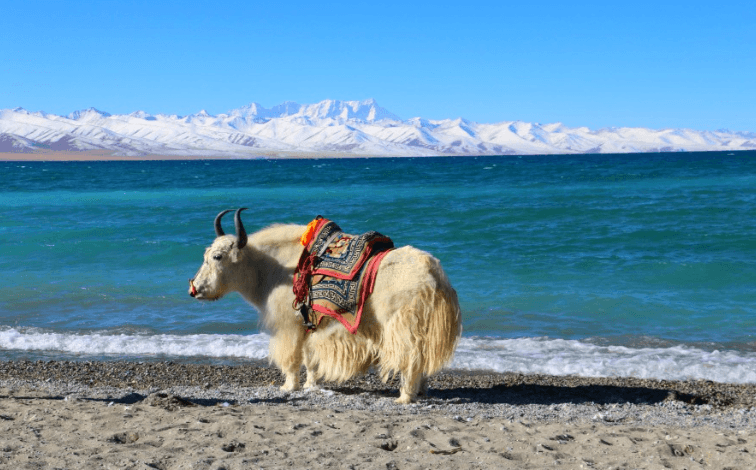
Yak in Namtso
Families should view this activity not merely as transportation, but as an educational encounter. Children learn about animal husbandry, the importance of livestock in extreme environments, and the deep bond between nomadic people and their herds. It bridges the gap between tourist observation and genuine cultural participation, offering a tactile connection to the region’s heritage.
Why Choose a Yak Riding Experience for Families on Tibetan Grassland Over Horseback
When visiting the plateau, horseback riding is frequently offered alongside yak trekking. However, for families with younger children or those unfamiliar with riding, the yak riding experience for families on Tibetan grassland presents distinct advantages. Horses, even well-trained ones, can be reactive to sudden noises, unfamiliar objects, or abrupt movements—behaviors common among excited children. Yaks, by contrast, possess a stoic nature. Their reactions are slower, and their threshold for agitation is significantly higher.
Furthermore, the physical build of a yak contributes to rider security. Their low center of gravity and wide stance make them incredibly stable on uneven terrain. While horses might stumble on rocky patches or soft marshy ground near rivers, yaks navigate these obstacles with innate confidence, having evolved specifically for this topography. This stability translates directly into peace of mind for parents watching their children ride.
Another factor is the cultural immersion aspect. While horses are used globally, the yak is intrinsically linked to the Himalayan and Tibetan plateau regions. Riding one connects your family directly to the specific geography and history of the area. It transforms a generic outdoor activity into a culturally specific narrative that children can share and remember distinctly. The visual impact of riding a massive, long-haired animal against a backdrop of snow-capped peaks creates photographs and memories that differ vastly from standard trail rides found elsewhere in the world.
Selecting the Right Location for Your Family Adventure
Not all grasslands offer the same quality of experience. When planning your yak riding experience for families on Tibetan grassland, geography plays a crucial role in comfort and accessibility. Areas such as the pastures surrounding Lhasa, the vast expanses of Nagqu, and the scenic valleys near Shigatse are popular starting points. Each location offers different altitudes, scenery, and levels of tourist infrastructure.
For families traveling with very young children or elderly members, selecting a lower-altitude grassland is advisable to minimize the risk of altitude sickness. Valleys situated between 3,500 and 4,000 meters often provide lush vegetation and milder weather compared to the higher northern plateaus exceeding 4,500 meters. These lower areas also tend to have better road access, reducing travel fatigue before the activity even begins.
Proximity to established settlements matters as well. Remote, untouched wilderness sounds appealing, but families require accessible facilities—restrooms, shelter from sudden rain, and quick access to medical support if needed. Opting for grasslands located near small towns or established nomadic camps ensures that logistical needs are met without sacrificing the feeling of being out in nature. Researching specific routes beforehand, or consulting with knowledgeable guides, helps pinpoint locations where herders regularly welcome visitors and maintain safe, well-cared-for animals specifically suited for carrying guests.
Preparing Children for High Altitude and Outdoor Conditions
A successful yak riding experience for families on Tibetan grassland depends heavily on physical preparation. The plateau environment is unforgiving to those who underestimate it. Altitude sickness does not discriminate by age; in fact, children may struggle to articulate symptoms like headache, nausea, or dizziness, manifesting instead as irritability or lethargy. Ascending gradually is the golden rule. Spend at least two to three days acclimatizing in a major city like Lhasa before venturing out to open grasslands for extended activities.
Hydration must be aggressively managed. The air at high elevation is exceptionally dry, and respiratory rates increase naturally to compensate for lower oxygen levels, leading to rapid moisture loss. Encourage children to drink water constantly, even if they do not feel thirsty. Avoid sugary drinks which can exacerbate dehydration, and limit heavy meals immediately before riding, as digestion slows down at altitude and a full stomach increases discomfort during the swaying motion.
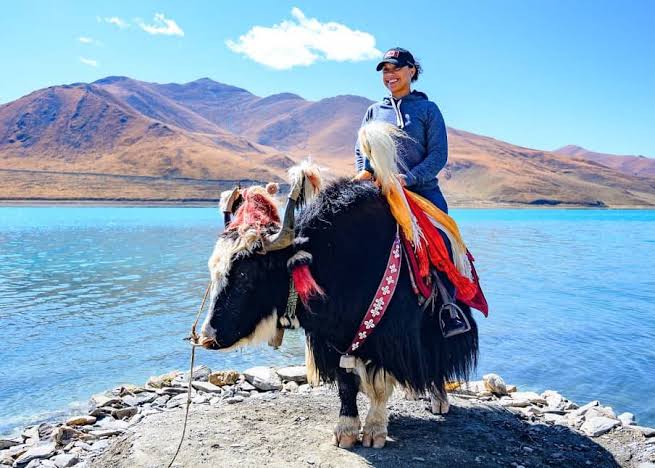
Clothing requires a strategic approach. Weather on the grasslands can shift from warm sunshine to biting wind and cold rain within minutes. Layering is non-negotiable. Start with a moisture-wicking base layer, add an insulating fleece or down mid-layer, and finish with a windproof, waterproof outer shell. Sun protection is equally critical; UV radiation intensifies dramatically with elevation. Wide-brimmed hats, high-SPF sunscreen applied generously, and UV-blocking sunglasses protect delicate skin and eyes. Ensuring children are physically comfortable allows them to focus on the wonder of the experience rather than battling the elements.
Safety Protocols During the Yak Ride
Safety is paramount when orchestrating any animal-based activity for minors. A reputable provider facilitating a yak riding experience for families on Tibetan grassland will implement strict protocols. First, always ensure that each child is accompanied by an adult or a dedicated handler. Young children under a certain age or weight should ride tandem with a parent, secured firmly within the saddle area. Older children capable of riding solo must still have a handler walking directly beside the yak, holding the lead rope at all times.
Before mounting, take time to introduce the children to the animal. Allow them to observe the yak, speak softly, and perhaps touch its flank under the handler’s supervision. This demystifies the large creature and reduces panic. Handlers typically select the calmest, oldest females or gelded males for guest rides, avoiding younger, more energetic bulls.
During the ride, establish clear rules with your children. No sudden shouting, no waving arms wildly, and no attempting to steer the animal independently. Explain that the yak knows the path and the handler controls the direction. If a child feels unbalanced or frightened, instruct them to grip the saddle horn or the thick hair on the yak’s neck and call out calmly to the handler rather than trying to jump off. Jumping from a moving yak, even a slow one, poses a significant risk of injury due to the height and uneven ground. Trusting the process and the expertise of the local herdsmen is the foundation of a safe excursion.
Cultural Etiquette and Respecting Nomadic Traditions
Engaging in a yak riding experience for families on Tibetan grassland is an invitation into someone else’s home and livelihood. The grasslands are not empty parks; they are working landscapes managed by nomadic families whose survival depends on their herds. Teaching children respect for this context elevates the trip from mere recreation to meaningful cultural exchange.
Always ask permission before photographing herders, their tents, or their livestock. While many are accustomed to visitors and happy to oblige, pointing a camera without consent is considered rude. If invited into a nomad’s black tent, accept offerings of butter tea or dried cheese graciously, even if you only take a small sip or bite. Refusing hospitality outright can cause offense. Use both hands when receiving items, a gesture of respect deeply ingrained in local custom.
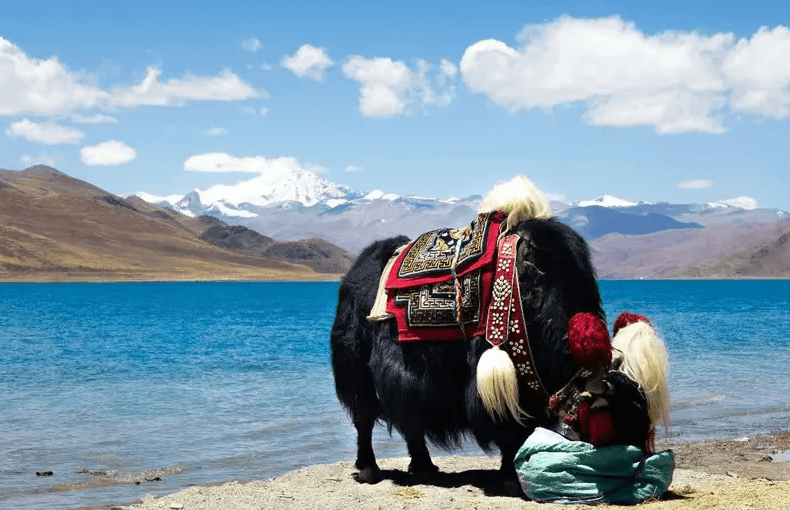
Environmental stewardship is another crucial lesson. The fragile alpine ecosystem recovers slowly from damage. Ensure your family leaves absolutely no trace. Carry out all trash, including organic waste like fruit peels, which decompose extremely slowly at high altitudes. Stay on established paths to avoid trampling sensitive vegetation. Explain to children that the grass feeds the yaks, and damaging it harms the animals they just rode. Instilling these values during the trip fosters responsible global citizenship long after returning home.
What to Expect: Routes, Duration, and Scenery
Managing expectations ensures satisfaction. A typical yak riding experience for families on Tibetan grassland is not designed for covering vast distances quickly. Routes usually consist of short loops or linear paths along riverbanks, through flower-filled meadows, or toward nearby sacred sites like mani stone piles or prayer flag poles. Durations range from thirty minutes for toddlers testing the waters, to two or three hours for older children and adults wanting a deeper immersion.
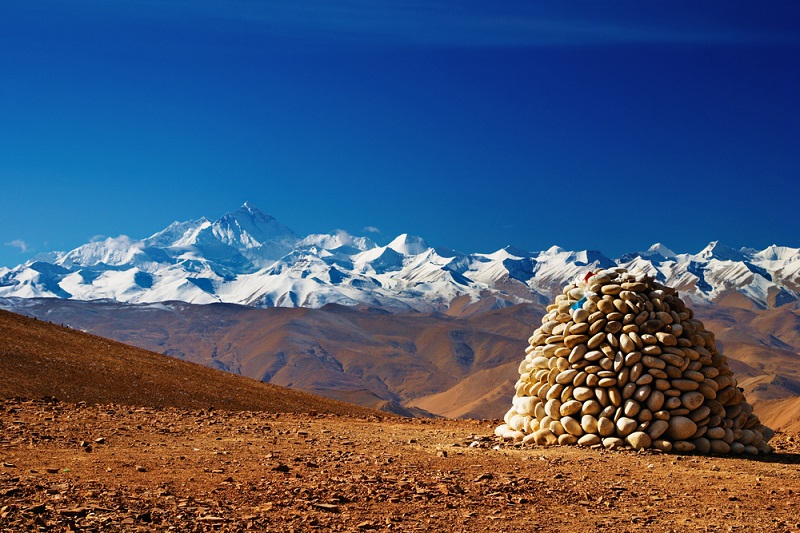
The scenery encountered during these rides defines the magic of the plateau. Depending on the season, families might traverse carpets of blooming gentians and edelweiss in summer, or witness golden-brown expanses stretching to the horizon in autumn. Glacial meltwater streams often cut through the pastures, their banks serving as natural rest stops where yaks pause to drink. The backdrop invariably features dramatic mountain ranges, sometimes crowned with permanent snow, contrasting sharply with the deep blue sky punctuated by towering cumulus clouds.
Wildlife sightings add unexpected excitement. Marmots standing upright on burrows, flocks of bar-headed geese overhead, or herds of wild asses grazing at a distance turn the ride into a living nature documentary. Guides familiar with the area know where animals congregate and can point out subtle details in the landscape—ancient rock carvings, medicinal plants used by locals, or distant monasteries clinging to cliffsides—that independent travelers would easily miss.
Logistics and Booking Through Experienced Operators
Organizing independent travel on the remote plateau presents challenges regarding permits, transportation, and finding reliable local contacts. This is why many families opt to arrange their yak riding experience for families on Tibetan grassland through specialized agencies. Operators with deep roots in the region handle the complex logistics, allowing parents to focus entirely on their children and the experience itself.
Tibet Yulong Travel stands out as a facilitator for families navigating these arrangements. With extensive knowledge of local conditions, seasonal variations, and community relationships, they connect travelers with trustworthy herding families who prioritize guest safety and comfort. Rather than arriving at a random pasture hoping to negotiate a ride, booking through established channels guarantees that appropriate animals are prepared, saddles are fitted correctly, and handlers are expecting your arrival.
These operators also assist with broader itinerary integration. A yak ride rarely exists in isolation; it forms part of a larger journey encompassing monastery visits, lake excursions, and cultural performances. Coordinating transport to remote grassland locations requires robust vehicles capable of handling unpaved tracks, something professional services provide reliably. Furthermore, they monitor weather patterns and advise on optimal timing, preventing situations where families arrive only to find conditions unsuitable for riding. Leveraging local expertise mitigates risks and maximizes the enjoyment derived from every hour spent on the plateau.
Packing Essentials for a Family Day on the Plateau
Beyond clothing layers, specific gear enhances comfort during your yak riding experience for families on Tibetan grassland. A small daypack carried by the parent (not strapped to the yak, which can spook them) should contain essentials. Lip balm with SPF prevents painful cracking caused by dry winds. Hand sanitizer and wet wipes are vital for cleaning sticky fingers after snacks or touching animals.
Bring high-energy, easily digestible snacks. Nuts, chocolate, and dried fruits provide quick calories without weighing down the stomach. Avoid foods with strong odors that might agitate the animals or attract insects. A lightweight thermos filled with warm water or sweet tea offers immediate comfort if temperatures drop suddenly or a child feels chilly at elevation.
Motion sickness remedies deserve consideration. Even though yaks move slowly, the lateral rocking motion differs significantly from walking or driving. Children prone to car sickness might react similarly. Consult a pediatrician before the trip regarding appropriate medications or acupressure bands. Having ginger candies on hand provides a natural, mild remedy for queasy stomachs. Finally, pack a basic first-aid kit containing adhesive bandages, antiseptic wipes, and any personal medications your children require daily. Preparation prevents minor inconveniences from derailing the entire adventure.
Capturing Memories Without Disrupting the Moment
Documenting the journey is natural, but balancing photography with presence requires intention. During your yak riding experience for families on Tibetan grassland, designate specific times for photos rather than keeping cameras constantly raised. The initial mounting, scenic overlooks, and dismounting provide natural photo opportunities without distracting the rider or the animal during transit.
Smartphones are convenient but suffer in bright sunlight and cold temperatures, which drain batteries rapidly. Keep devices close to body heat inside inner pockets until needed. If using dedicated cameras, secure them with wrist straps. Dropping equipment onto rocky ground or startling a yak with a falling object creates unnecessary hazards.
Encourage children to engage their other senses. Ask them what the wind smells like, how the yak’s coat feels beneath their gloves, or what sounds the grass makes brushing against the animal’s legs. These conversations generate richer memories than static images alone. Consider bringing a small journal for older kids to sketch the landscape or write down observations immediately after the ride while details remain fresh. Combining visual documentation with reflective storytelling preserves the emotional resonance of the day far more effectively than a digital gallery alone.
Post-Ride Activities and Continuing the Journey
The conclusion of the ride marks a transition, not an end. After dismounting, spend time thanking the handlers and interacting further with the yaks on solid ground. Offering a piece of flatbread or approved feed (always ask the owner first) creates a bonding moment that reinforces positive associations with animals and nature for children.
Many grassland stops feature adjacent activities. Families might try archery using traditional bows, participate in simple butter tea making demonstrations, or explore nearby geological formations. Integrating these secondary experiences prevents the yak ride from feeling rushed and builds a comprehensive picture of nomadic life. Picnicking on the grass with views of the grazing herd extends the relaxation and allows children to run freely in a safe, open environment after being confined to the saddle.
As you depart the grasslands and return to urban centers or hotels, use the travel time to debrief. Discuss what surprised them, what challenged them, and what they learned about the people who live there permanently. This reflection solidifies the educational value of the trip. Planning your broader itinerary with providers like Tibet Yulong Travel ensures seamless transitions between these diverse activities, maintaining momentum and enthusiasm throughout your family’s exploration of the high plateau. The combination of careful preparation, cultural respect, and professional support transforms a simple animal ride into a cornerstone memory of your travels.