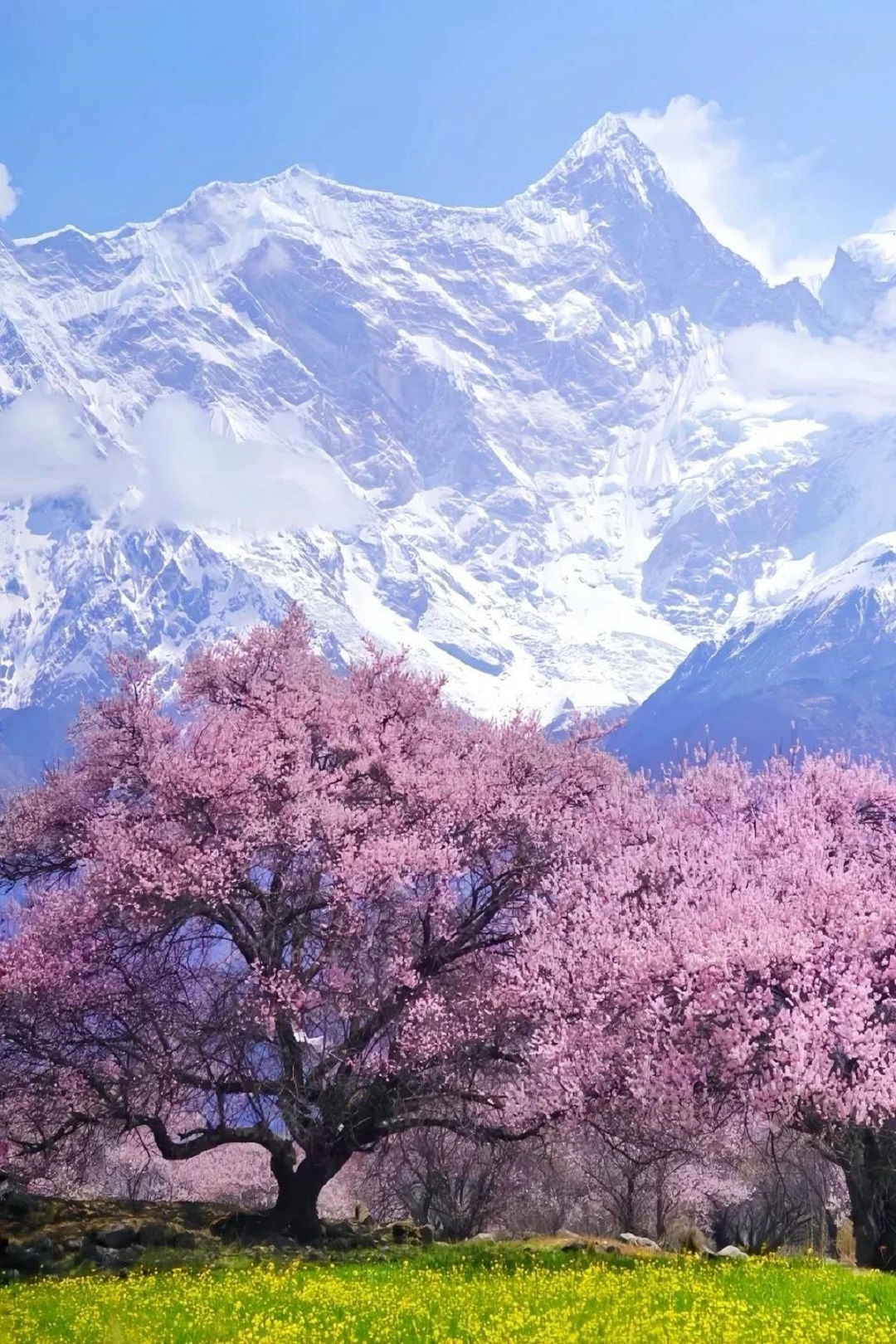
When travelers dream of the Himalayas, ancient monasteries perched on cliffs, and vast high-altitude plateaus, they are usually picturing Central Tibet. This region holds the spiritual, cultural, and historical heart of the Tibetan world. Yet, despite its fame, many people remain unsure about exactly where it is located or how to plan a trip there. Understanding the geography, culture, and logistics of visiting Central Tibet is essential before you start packing your bags for one of the most unique journeys on earth.
key points
Core Location & Culture: Central Tibet (Ü-Tsang) is the historical and spiritual heart of the region, anchored by sacred sites like Lhasa’s Potala Palace and Jokhang Temple.
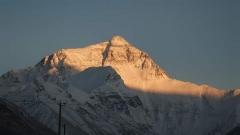
Best Travel Time: The ideal visiting window is from April to October, with autumn offering clear skies for iconic views like Mount Everest.
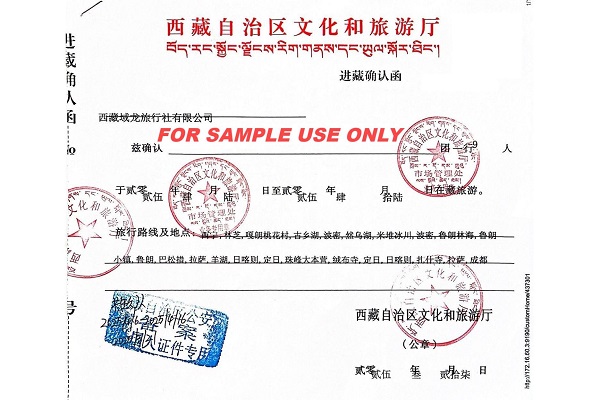
Travel Logistics: Foreign travelers must book through an organized agency to secure mandatory permits (Tibet Travel Permit) and access entry by air or train.
Health & Practicalities: Acclimatization is essential for high altitudes (above 3,500m), along with mandatory sun protection, proper layering, and respect for local Buddhist customs.
The Geography and Location of Central Tibet
To understand where Central Tibet is, we first need to look at the broader Tibetan Plateau, often referred to as the “Roof of the World.” The plateau spans a massive area across several countries, but when people speak of Central Tibet, they are generally referring to the core regions known traditionally as Ü-Tsang. In modern administrative terms, this largely corresponds to the central and western parts of the Tibet Autonomous Region (TAR) in China.
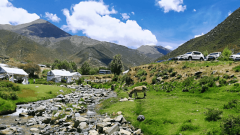
Geographically, Central Tibet sits at an average elevation of over 4,000 meters (about 13,000 feet). It is bounded by the towering Himalayas to the south, separating it from Nepal, Bhutan, and India. To the north, it transitions into the desolate and beautiful Changtang plateau. The eastern edges gradually slope down toward the forested gorges of Kham, while the west stretches toward the sacred Mount Kailash and the borders of Ladakh.
The defining geographical feature of this region is the Yarlung Tsangpo River, which carves its way through the landscape, creating fertile valleys that have supported Tibetan civilization for centuries. Cities like Lhasa, Shigatse, and Gyantse are all nestled within these river valleys, serving as the primary hubs for anyone traveling through Central Tibet. Lhasa, the capital of the TAR, is universally considered the gateway and the absolute center of this region.
Why Central Tibet Matters Culturally and Spiritually
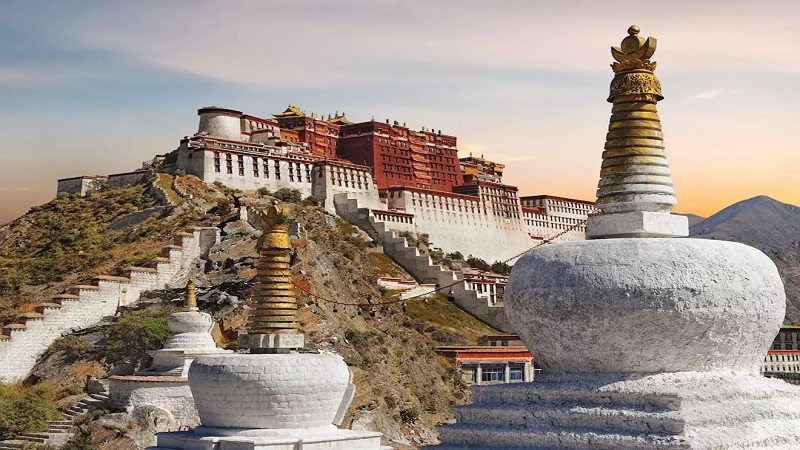
You cannot separate the location of Central Tibet from its profound cultural significance. This is the birthplace of the Tibetan Empire and the historical seat of Tibetan Buddhism. For centuries, the Dalai Lamas resided here, governing both spiritual and temporal affairs from the iconic Potala Palace in Lhasa.
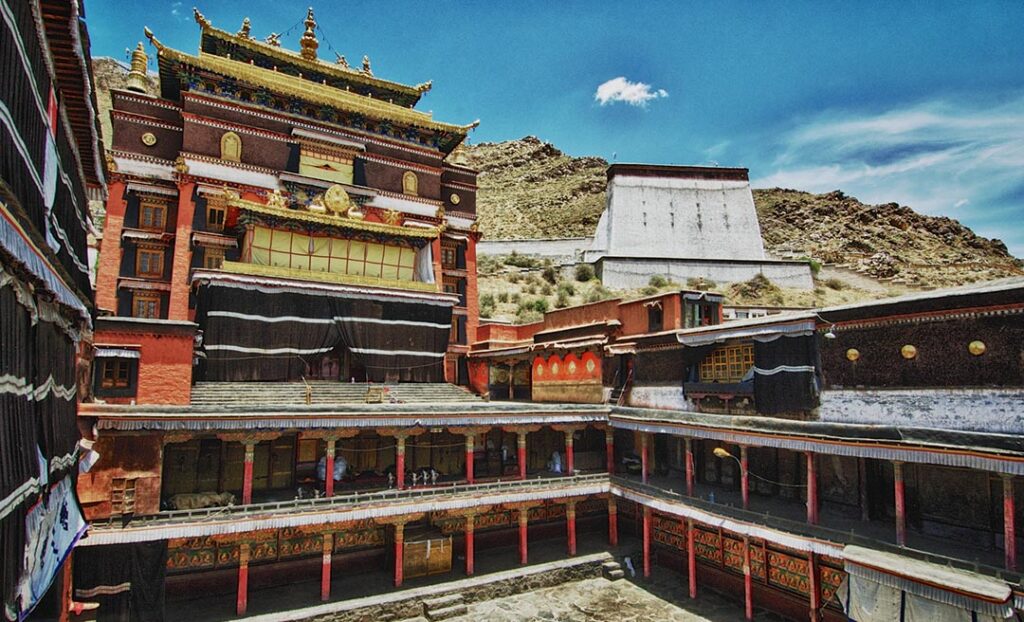
The concentration of major monasteries in Central Tibet is unmatched. Sites like Drepung, Sera, and Ganden monasteries form a triangle around Lhasa, drawing pilgrims and scholars from across the Buddhist world. Further west, Tashilhunpo Monastery in Shigatse serves as the traditional seat of the Panchen Lama. These institutions are not merely historical relics; they are living centers of practice, debate, and devotion.
For travelers, immersing yourself in this cultural landscape means witnessing daily kora (circumambulation) routes filled with locals spinning prayer wheels, smelling the juniper incense burning at temple entrances, and hearing the deep chants of monks during morning prayers. The cultural weight of Central Tibet is what transforms a simple sightseeing trip into a deeply moving experience.
Best Time to Plan Your Journey
Timing is everything when planning a trip to such a high-altitude environment. The climate in Central Tibet is characterized by cold winters, mild summers, and intense sunlight year-round due to the thin atmosphere.
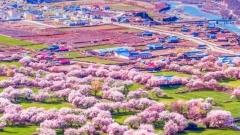
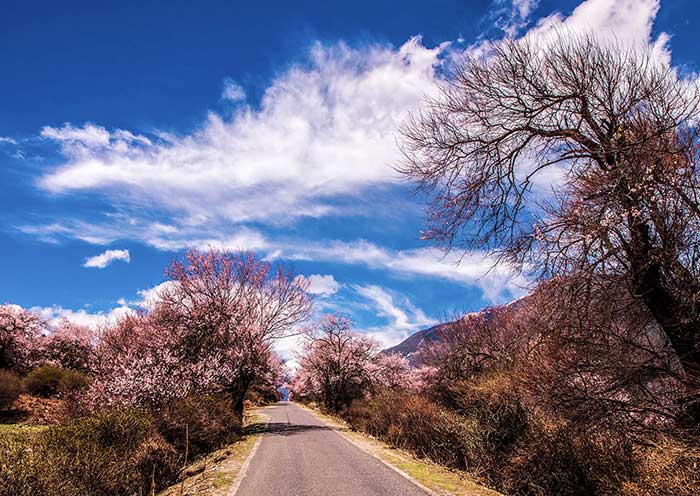
Generally, the best time to visit Central Tibet is from April to October. During these months, the temperatures are more forgiving, and the mountain passes are less likely to be blocked by heavy snowfall. Spring (April to May) offers clear skies and blooming landscapes in the lower valleys, making it ideal for photography and trekking.
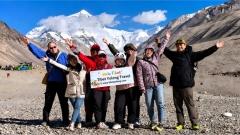
Summer (June to August) coincides with the monsoon season. While rainfall increases, it usually comes in short afternoon showers rather than days of continuous rain. However, clouds can sometimes obscure the highest Himalayan peaks. Autumn (September to October) is widely considered the peak season. The skies are incredibly clear, offering unobstructed views of Mount Everest and other giants, and the daytime temperatures are comfortable for exploring outdoor sites.
Winter visits (November to March) are possible and offer a chance to see the region without the crowds, but you must be prepared for freezing temperatures, especially at night, and potential road closures in higher areas.
How to Get There: Transportation Options
Reaching Central Tibet requires some logistical planning, as the region’s remote geography limits access points. There are two primary ways to enter: by air or by rail.
Flying directly into Lhasa Gonggar Airport is the fastest option. There are regular flights connecting Lhasa with major Chinese cities such as Chengdu, Chongqing, Xi’an, and Beijing. Some international travelers also fly into Kathmandu, Nepal, and take a connecting flight over the Himalayas into Lhasa, which offers spectacular aerial views of Mount Everest.
Alternatively, the Qinghai-Tibet Railway provides a legendary overland route. Trains depart from cities like Xining, Lanzhou, and Beijing, traversing the high plateau before arriving in Lhasa. The train journey takes significantly longer, but it allows your body to gradually adjust to the increasing altitude, which can help mitigate altitude sickness. The train cars are specially pressurized and equipped with oxygen supplies for passenger comfort.
If you are entering from Nepal, the overland border crossing via the Friendship Highway (passing through Gyirong Port) is another route. This road journey takes you through stunning landscapes, passing by Mount Everest Base Camp on the Tibetan side before continuing eastward into Central Tibet.
Navigating Permits and Regulations
One of the most critical aspects of visiting Central Tibet is understanding the permit requirements. Unlike most destinations, independent travel by foreign passport holders is not permitted in the Tibet Autonomous Region. You must travel with an organized tour arranged through a registered travel agency.
Your travel agency will handle the application for the Tibet Travel Permit (TTP), which is mandatory for entering the region and boarding flights or trains to Lhasa. To apply, you typically need to provide your passport details and Chinese visa information well in advance—usually at least three to four weeks before your planned arrival.
Beyond the basic TTP, if your itinerary includes specific areas outside Lhasa, such as Mount Everest Base Camp, Shigatse, or Mount Kailash, you will need additional permits like the Alien’s Travel Permit or Military Border Pass. Again, your tour operator will arrange these on your behalf once you are in Lhasa or before you depart for those specific regions. Always keep your original passport and permits accessible, as checkpoints are common on roads throughout Central Tibet.
Dealing with High Altitude Safely
Altitude sickness is a genuine concern for anyone traveling to Central Tibet. With elevations rarely dropping below 3,500 meters, the air contains significantly less oxygen than at sea level. Symptoms can range from mild headaches and fatigue to severe nausea and shortness of breath.
The golden rule is to ascend slowly and rest upon arrival. When you first reach Lhasa, spend your initial day or two doing very little. Avoid strenuous exercise, alcohol, and heavy meals. Drink plenty of water to stay hydrated, as the high-altitude air is extremely dry.
Many travelers consult their doctors before the trip regarding medications like Acetazolamide (Diamox), which can help prevent or reduce the severity of altitude sickness. If symptoms worsen despite resting, descending to a lower altitude is the only reliable cure. Fortunately, most visitors acclimatize successfully within a few days and can then proceed with their itineraries comfortably.
Must-See Destinations in the Region
A well-planned itinerary in Central Tibet balances urban exploration, spiritual sites, and natural wonders.
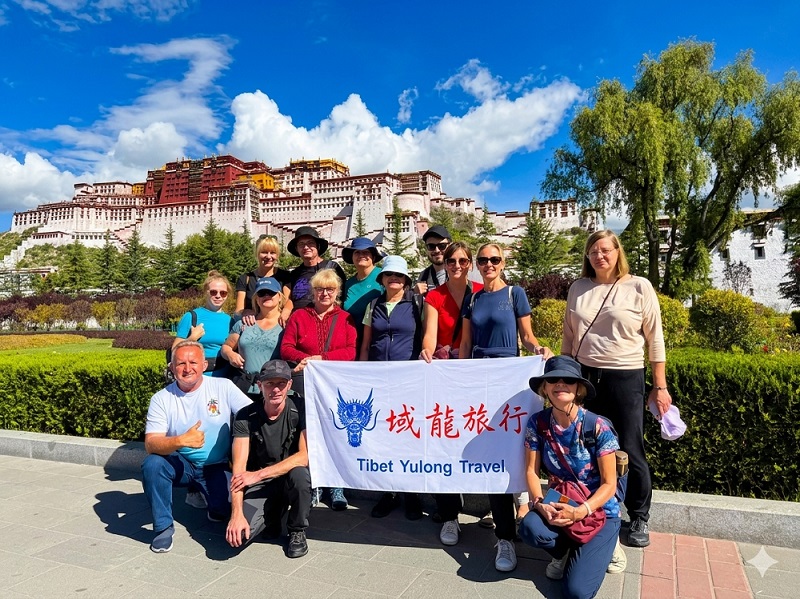
Lhasa is always the starting point. The Potala Palace dominates the skyline and requires a few hours to explore its labyrinthine chapels and royal quarters. Below it lies the Jokhang Temple, the most sacred site in Tibetan Buddhism, surrounded by the bustling Barkhor Street where pilgrims walk the kora and vendors sell religious artifacts.
Venturing west from Lhasa, the route to Gyantse and Shigatse is highly recommended. Gyantse is home to the impressive Pelkor Chode Monastery and its unique multi-tiered Kumbum stupa. Continuing to Shigatse, Tibet’s second-largest city, allows you to visit Tashilhunpo Monastery and experience a slightly slower pace of life compared to Lhasa.
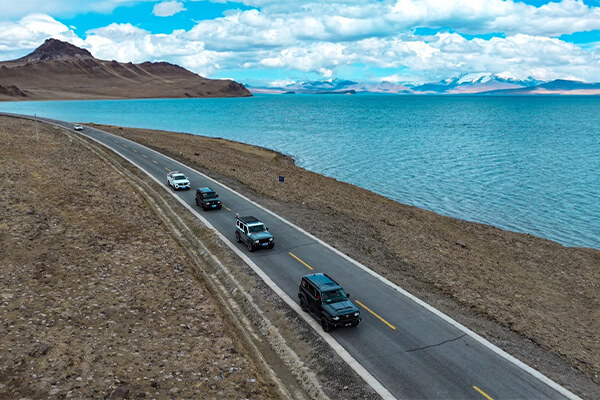
For nature enthusiasts, driving further south to Yamdrok Lake reveals waters of an impossible, vivid turquoise set against barren brown mountains. For the ultimate adventure, the journey continues southwest to Everest Base Camp, allowing you to stand at the foot of the world’s highest peak, though this requires extra permits and several days of rugged driving.
Practical Travel Tips for the Road
Packing correctly for Central Tibet means preparing for extreme temperature fluctuations. Even in summer, mornings and evenings can be near freezing, while midday sun can feel intensely hot. Layering is essential. Bring thermal base layers, fleece jackets, and a windproof, waterproof outer shell.
Sun protection is non-negotiable. The UV radiation at high altitudes is fierce. Pack high-SPF sunscreen, lip balm with SPF, polarized sunglasses, and a wide-brimmed hat. The dry air also demands good moisturizer and nasal saline spray to prevent discomfort.
Regarding food, local Tibetan cuisine relies heavily on yak meat, barley (tsampa), butter tea, and dairy products. While these provide excellent energy for the altitude, they might not suit every palate. Fortunately, larger towns like Lhasa and Shigatse have numerous restaurants serving Sichuan, Nepali, and Western dishes. Carry snacks like nuts, chocolate, and dried fruit for long drives between towns where dining options are sparse.
Finally, respect local customs. Always ask for permission before photographing monks or local residents. Walk clockwise around religious monuments, stupas, and mani stones. Dress modestly when entering temples, removing hats and sunglasses, and never step on thresholds. By showing respect for the traditions of Central Tibet, you ensure a richer, more welcoming experience in this extraordinary part of the world.