Tibetan opera, known locally as Lhamo, is one of the most captivating cultural experiences you can have while traveling through the Tibetan Plateau. If you are wondering where to watch Tibetan opera performance in Lhasa, you will find that this ancient theatrical art form is deeply woven into the daily life and spiritual fabric of the city. Unlike conventional theater, Lhamo combines chanting, dancing, mask-wearing, and storytelling to narrate Buddhist legends and historical epics. The vibrant costumes and haunting vocal styles create an atmosphere that transports audiences back centuries. Whether you stumble upon a spontaneous park gathering or attend a formal stage production, witnessing this art form is a highlight of any journey to Tibet. Understanding the venues and timing is essential for travelers hoping to catch an authentic show without missing out on this intangible cultural heritage.
Before diving into the detailed guide, here are the key points regarding where to watch Tibetan opera performance in Lhasa:
- Norbulingka hosts major open-air opera shows during summer festivals.
- Zholkhang Theater offers professional indoor performances year-round.
- Local parks feature informal weekend gatherings by amateur troupes.
- Shoton Festival is the peak season for large-scale opera events.
- Specialized travel agencies like Tibet Yulong Travel can arrange exclusive viewings.
Understanding Tibetan Opera Before Deciding Where to Watch Tibetan Opera Performance in Lhasa
To truly appreciate what you are watching, it helps to understand the roots of Tibetan opera. Originating in the 14th century, Lhamo was founded by Thang Tong Gyalpo, a bridge builder and monk who used theatrical performances to raise funds for constructing iron chain bridges across Tibet’s treacherous rivers. Over the centuries, it evolved from simple religious rituals into a highly stylized performing art recognized by UNESCO as an Intangible Cultural Heritage of Humanity.
The performances are characterized by their distinct lack of elaborate stage sets. Instead, the narrative relies heavily on the actors’ movements, vocalizations, and the symbolic colors of their masks. A white mask typically represents purity and kindness, often worn by elderly characters or benevolent figures, while black masks signify power or sometimes malevolence. Blue masks are usually reserved for hunters or warriors. The singing style is unique, featuring high-pitched, resonant chants that carry across open spaces without the need for modern amplification.
Knowing these elements transforms the experience from merely watching a foreign play to understanding a living historical document. When researching where to watch Tibetan opera performance in Lhasa, keep in mind that the setting—whether a grand courtyard or a shaded park—often dictates the style and length of the performance you will witness. Traditional plays can last anywhere from a few hours to several days, though modern adaptations for tourists and contemporary audiences are usually condensed into manageable one-to-two-hour segments.
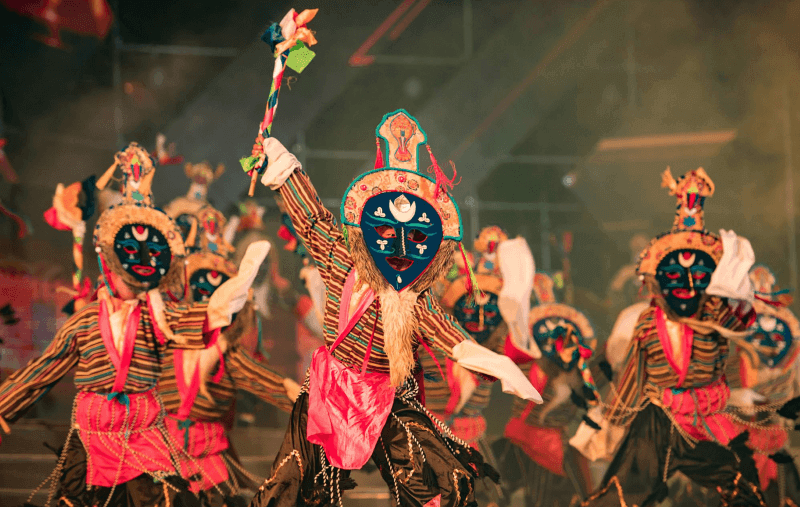
Tibetan Opera: A ‘living fossil’ of Tibetan culture
Norbulingka: The Summer Palace Venue for Tibetan Opera
When locals and seasoned travelers discuss where to watch Tibetan opera performance in Lhasa, Norbulingka almost always tops the list. Known as the historic summer retreat of the Dalai Lamas, this sprawling botanical garden and architectural complex becomes the epicenter of Tibetan culture during the warmer months. The lush environment, filled with towering trees, blooming flowers, and tranquil ponds, provides a natural amphitheater that has hosted performances for generations.
During the Shoton Festival, which typically falls in August according to the Gregorian calendar, Norbulingka transforms into a massive outdoor celebration. Families pitch tents on the grassy lawns, share traditional foods like momos and yak butter tea, and gather around the central stages to watch opera troupes from all over Tibet compete and perform. The atmosphere is less like a quiet theater visit and more like a vibrant, communal picnic infused with spirituality and art.
Even outside the Shoton Festival, Norbulingka occasionally hosts smaller performances, particularly on weekends or during other significant Tibetan holidays. The open-air nature of the venue means that the acoustics rely entirely on the performers’ powerful voices and the rhythmic beating of drums and cymbals. Sitting under the canopy of ancient trees while listening to the soaring melodies of Lhamo is an unforgettable sensory experience. For those prioritizing authenticity and atmosphere when deciding where to watch Tibetan opera performance in Lhasa, securing a spot on the grass at Norbulingka during a festival is unparalleled.
Zholkhang and Professional Indoor Theaters in Lhasa
While outdoor festivals are spectacular, weather in Tibet can be unpredictable. Therefore, knowing where to watch Tibetan opera performance in Lhasa indoors is crucial for travelers visiting during colder months or those who prefer a structured seating arrangement. The Zholkhang (often associated with the cultural centers near the Potala Palace area) and various municipal theaters serve as the primary venues for professional, staged productions.
These indoor venues offer a different dynamic compared to the sprawling parks. Here, lighting, sound engineering, and choreography are carefully controlled to enhance the visual storytelling. Troupes such as the Tibet Autonomous Region Tibetan Opera Troupe regularly perform in these spaces, presenting both classical repertoire and newly composed works that reflect contemporary themes while maintaining traditional vocal and dance techniques.
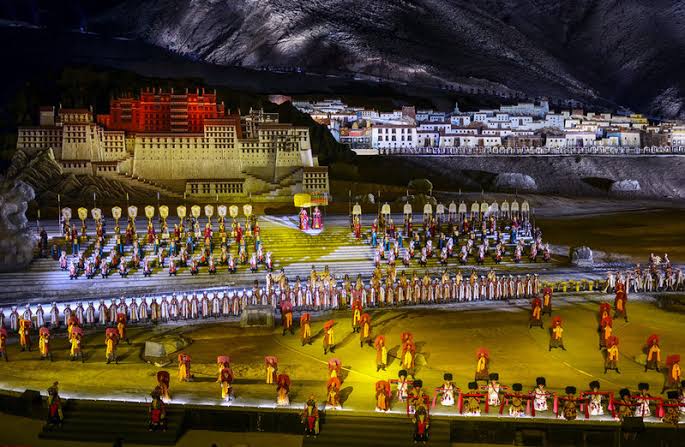
Princess Wencheng Opera show
Attending a show in a professional theater allows you to observe the intricate details of the costumes up close. The heavy brocades, the meticulously painted masks, and the precise hand gestures become much clearer in an intimate indoor setting. Furthermore, these performances often provide bilingual programs or subtitles, making it easier for international visitors to follow the complex mythological plots. If your search for where to watch Tibetan opera performance in Lhasa leads you to a desire for comfort and clarity, checking the schedules at local cultural centers and booking tickets for an evening indoor show is highly recommended.
Community Parks and Informal Weekend Gatherings
Not every opera experience in Lhasa requires a ticket or a formal schedule. Some of the most genuine encounters happen spontaneously in the city’s public parks. Places like Lukhang Park, situated just behind the Potala Palace, and the smaller neighborhood squares frequently host amateur troupes and passionate locals who gather to sing, dance, and practice Lhamo on weekends and sunny afternoons.
These informal gatherings are not staged for tourists; they are a vital part of community socialization. Elderly residents often lead the singing, passing down oral traditions to younger generations who join in the accompanying dances. As a visitor, you are generally welcome to stand at the periphery, observe, and even take photographs, provided you do so respectfully and without disrupting the flow of their practice.
Finding these impromptu performances requires a bit of exploration and a willingness to wander off the main tourist paths. Ask your hotel staff or local guides about neighborhood gatherings. This grassroots approach to discovering where to watch Tibetan opera performance in Lhasa offers a raw, unfiltered look at how deeply embedded this art form remains in everyday Tibetan life. There is no stage lighting or amplified sound—just the pure resonance of human voices echoing against the backdrop of the Himalayas.
The Role of Festivals: Shoton and Beyond
Timing your visit correctly is just as important as choosing the right venue. The Shoton Festival, originally a yogurt banquet marking the end of monks’ summer retreat, has evolved into the grandest showcase of Tibetan opera. During this period, figuring out where to watch Tibetan opera performance in Lhasa becomes incredibly easy because the entire city participates. Performances begin early in the morning at Drepung Monastery with the unveiling of a giant Thangka, followed by days of continuous opera at Norbulingka and other designated stages.
However, Shoton is not the only opportunity. Other significant dates on the Tibetan lunar calendar, such as Losar (Tibetan New Year) and Saga Dawa, also feature cultural performances, though they may be smaller in scale or held within monastery courtyards rather than public parks. Monasteries like Sera and Ganden occasionally host ritualistic dances and operatic recitations tied to specific religious observances.
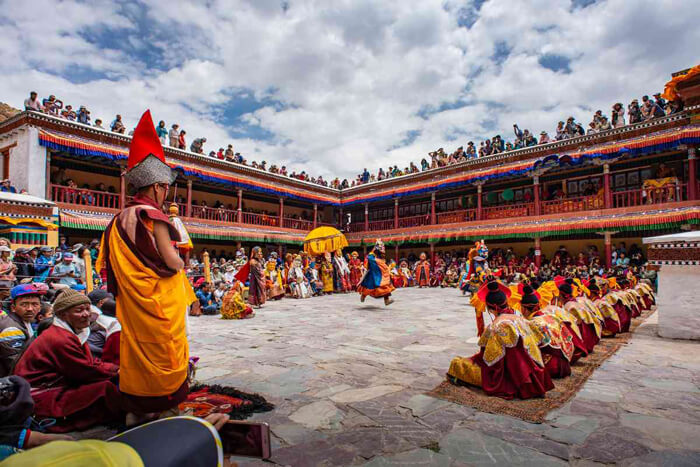
Losar Tibetan New Year Tour
Travelers should research the lunar calendar before finalizing their itinerary. Because Tibetan festivals follow the lunar cycle, their corresponding Gregorian dates shift annually. Aligning your trip with these cultural milestones guarantees that your inquiry into where to watch Tibetan opera performance in Lhasa yields the most vibrant and accessible results. The festive energy during these times elevates the performance from a mere artistic display to a profound communal celebration.
Practical Tips for Attending a Tibetan Opera Show
Once you have identified where to watch Tibetan opera performance in Lhasa, preparing for the actual event ensures a comfortable and respectful experience. First, consider the altitude. Lhasa sits at approximately 3,650 meters above sea level. Outdoor performances, especially those lasting several hours at Norbulingka, require physical stamina. Arrive well-acclimatized, stay hydrated, and avoid strenuous activity immediately before sitting down for a long show.
Dress in layers. Even during summer, mornings and evenings in Lhasa can be surprisingly chilly, while the midday sun at high altitude is intensely strong. Bring sunscreen, a wide-brimmed hat, and sunglasses if you are attending an open-air daytime performance. Conversely, if you are heading to an indoor theater, standard smart-casual attire is appropriate.
Photography etiquette varies by venue. In public parks and during festivals, taking photos of amateur groups is usually acceptable, but always ask for permission first, perhaps with a smile or a gesture. In professional theaters, flash photography and recording are strictly prohibited as they distract the performers and violate copyright norms. Respecting these boundaries is essential when engaging with local culture.
Finally, bring snacks if you are heading to a park festival. Locals pack elaborate picnics, and joining in the tradition of eating while watching the opera enhances the communal feel of the event. Vendors are usually present during major festivals selling dried yak meat, noodles, and sweet teas.
How Tibet Yulong Travel Can Enhance Your Cultural Experience
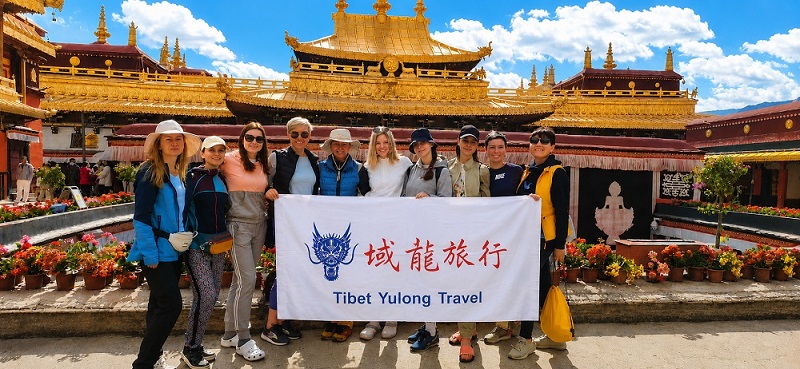
Navigating the logistics of cultural tourism in Tibet can be challenging due to language barriers, permit requirements, and constantly changing local schedules. This is where specialized operators make a significant difference. When researching where to watch Tibetan opera performance in Lhasa, partnering with an experienced agency like Tibet Yulong Travel can transform a standard sightseeing trip into a deeply immersive cultural journey.
Tibet Yulong Travel specializes in curating itineraries that go beyond the typical tourist landmarks. Their local guides possess intimate knowledge of the city’s cultural pulse, meaning they know exactly which parks are hosting amateur troupes on any given weekend or how to secure prime seating at indoor theater productions. They handle the complexities of travel permits and transportation, allowing you to focus entirely on absorbing the art and history around you.
Furthermore, Tibet Yulong Travel often facilitates interactions that independent travelers might miss. Through their network, guests might be introduced to artisans who craft the elaborate opera masks or invited to smaller, private rehearsals that are closed to the general public. By leveraging their expertise, your quest to discover where to watch Tibetan opera performance in Lhasa becomes seamless, ensuring you witness the most authentic and captivating renditions of Lhamo available during your stay.
Preserving the Legacy of Lhamo in Modern Times
As Lhasa modernizes, there is an ongoing effort to ensure that traditional arts do not fade into obscurity. Government initiatives and cultural organizations actively fund training programs for young performers, ensuring the vocal techniques and choreographic traditions are passed down accurately. Schools dedicated to Tibetan performing arts regularly recruit students, providing them with rigorous training in both classical texts and musical instrumentation.
This dedication to preservation means that travelers asking where to watch Tibetan opera performance in Lhasa today are witnessing a living, breathing art form rather than a museum relic. The integration of modern staging techniques in indoor theaters helps attract younger Tibetan audiences, while the steadfast adherence to tradition in outdoor festivals satisfies purists and cultural historians alike.
For the conscious traveler, supporting these performances by purchasing tickets, attending festivals, and respecting the art form contributes directly to its survival. Tourism plays a vital role in demonstrating the economic and cultural value of Lhamo, encouraging continued investment in its practitioners. Every time a visitor seeks out where to watch Tibetan opera performance in Lhasa and takes a seat among the audience, they participate in the ongoing story of this magnificent theatrical tradition.
Exploring Beyond Lhasa for Regional Variations
While Lhasa is the cultural heart of Tibet and the best starting point, the opera tradition extends far beyond the capital. If your interest deepens after exploring where to watch Tibetan opera performance in Lhasa, you might consider venturing to regions like Shigatse or Gyantse. Different areas developed their own distinct troupes and stylistic variations over the centuries.
For instance, the Kyormolung troupe is famous for its refined acting, while the Chungba troupe is renowned for its acrobatic elements. These regional differences add layers of complexity to the art form. Travel agencies, including Tibet Yulong Travel, can design extended routes that allow you to compare these regional styles, turning a single performance viewing into a comprehensive study of Tibetan theatrical diversity. Venturing into smaller towns often provides opportunities to see performances in their most original, village-level context, where the boundary between performer and audience is practically non-existent.
Understanding these regional nuances enriches the initial experience gained in the capital. It highlights that the answer to where to watch Tibetan opera performance in Lhasa is just the introduction to a vast, plateau-wide network of storytelling that has survived centuries of change. The masks may look similar, but the rhythms, dialects, and narrative focuses shift beautifully as you travel further from the center, offering endless discoveries for the culturally curious traveler.