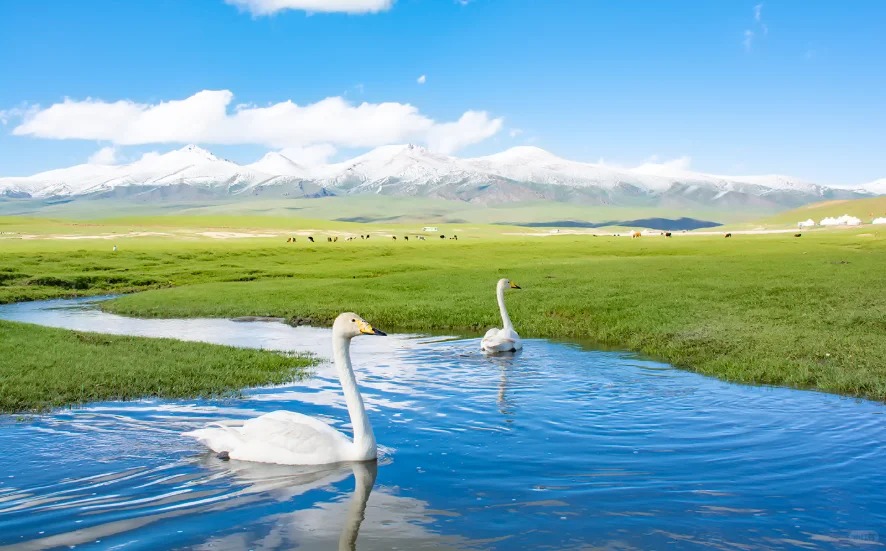
Tibet, renowned for its majestic snow-capped mountains, turquoise sacred lakes, and deep Tibetan Buddhist heritage, is a bucket-list destination for travelers worldwide. However, for first-time visitors, navigating average elevations above 4,000 meters, complex road conditions, and special entry permits (such as the Tibet Travel Permit) can make independent travel daunting.
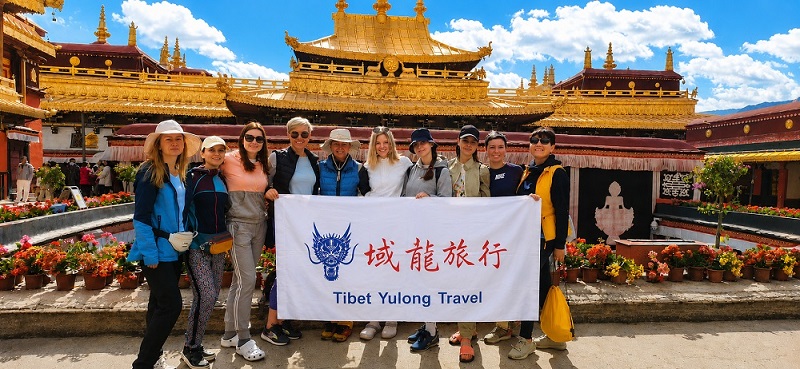
Opting for a well-structured Group Tour (especially 2–12 person boutique small groups) allows professional operators to handle all entry paperwork, ensuring maximum safety, comfort, and peace of mind on the plateau.
Below are the top recommended group tour routes for first-time travelers, along with detailed insights on why these itineraries work best.
Key Takeaways
Three Golden Group Tour Routes:
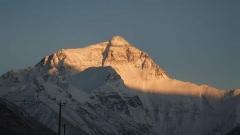
6–7 Days “Lhasa + Yamdrok Lake + Shigatse + Everest Base Camp”: The ultimate classic challenge route.
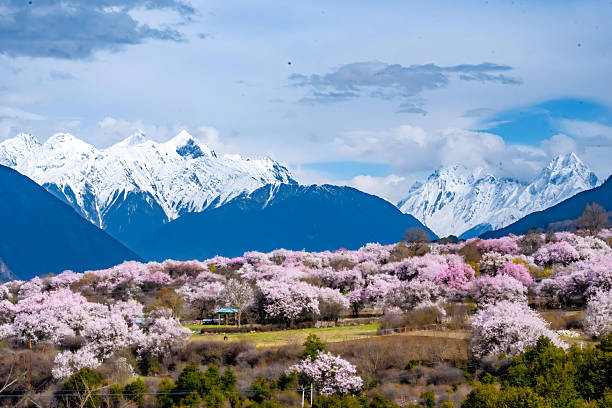
7–8 Days “Nyingchi + Lhasa + Yamdrok Lake”: The lowest-altitude, oxygen-rich acclimatization route.
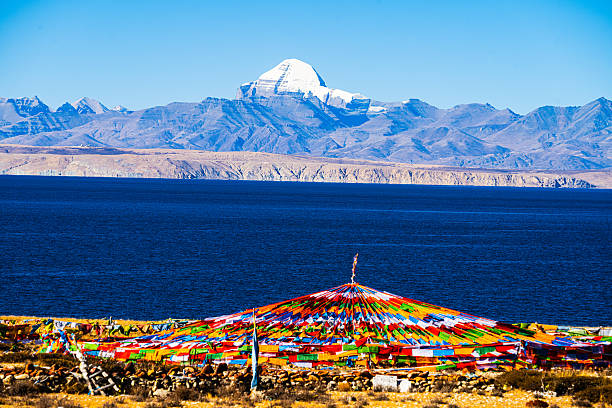
4–5 Days “Lhasa Sunshine City + Holy Lakes”: A compact route focusing on core cultural highlights and lake scenery.
Core Advantages of Group Tours: All-in-one handling of the Tibet Travel Permit, professional local guides, and onboard medical oxygen systems to eliminate stress for first-time visitors.
Why Recommended for First-Timers: Routes are designed following a gradual elevation ascent to prevent Acute Mountain Sickness (AMS), offering high safety and exceptional value.
Top 3 Recommended Tibet Group Tour Itineraries for First-Timers
1. The Classic Ultimate Route: Lhasa + Yamdrok Lake + Shigatse + Everest Base Camp (6–7 Days)
Route: Lhasa (3,650m) ➔ Yamdrok Lake (4,441m) ➔ Karola Glacier ➔ Shigatse (3,800m) ➔ Gyatso La Pass ➔ Everest Base Camp (5,200m) ➔ Return to Lhasa
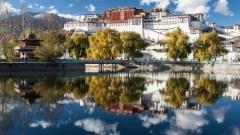
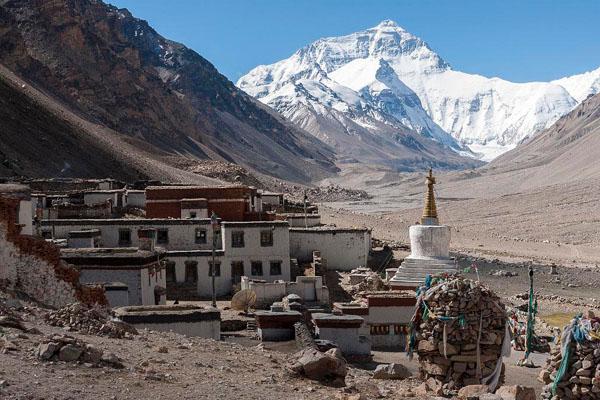
Highlights: Potala Palace, Jokhang Temple, Barkhor Street, Yamdrok Lake, Tashilhunpo Monastery, Mt. Everest golden sunset & starry night sky.
2. The Low-Altitude Acclimatization Route: Nyingchi + Lhasa + Yamdrok Lake (7–8 Days)
Route: Nyingchi Airport/Lhasa ➔ Yarlung Tsangpo Grand Canyon (2,800m) ➔ Basum Tso ➔ Lulang Forest ➔ Lhasa (3,650m) ➔ Yamdrok Lake ➔ Lhasa
Highlights: Namcha Barwa Peak, Yarlung Tsangpo Grand Canyon, Swiss-like Lulang forest, emerald Basum Tso, and Potala Palace.
3. The Cultural & Scenic Highlights Route: Lhasa City + Holy Lake Tour (4–5 Days)
Route: Lhasa Arrival ➔ Lhasa Cultural Highlights (Potala Palace / Jokhang Temple / Sera Monastery) ➔ Yamdrok Lake (or Namtso) ➔ Departure
Highlights: Immerse in Tibetan Buddhist culture, sip traditional sweet tea, and visit iconic high-altitude sacred lakes.
Why Are These Routes Highly Recommended for First-Time Travelers?
1. Scientific Altitude Acclimatization (Gradual Ascent)
The biggest concern for first-time visitors to Tibet is Acute Mountain Sickness (AMS). The recommended itineraries strictly follow a “low-to-high” elevation progression:
The Nyingchi Route: Nyingchi sits at an average elevation of only 2,900–3,000 meters, featuring lush vegetation and higher oxygen density. Spending 2–3 days adapting here before traveling up to Lhasa helps travelers avoid severe mountain sickness almost entirely.
The Everest Route: Rather than heading straight to the 5,200-meter Everest Base Camp, the tour spends over 3 days acclimatizing in Lhasa (3,650m) and Shigatse (3,800m), giving your body ample time to produce red blood cells and adapt safely.
2. Efficiently Covers 80%+ of Tibet’s Core Landmarks
First-time visitors often dream of standing before the Potala Palace, seeing the turquoise waters of Yamdrok Lake, and gazing up at Mount Everest. These curated routes seamlessly combine world heritage sites (palaces, monasteries), natural wonders (glaciers, lakes, snow peaks), and local culture into one balanced itinerary.
3. Hassle-Free Permits & Professional Safety Support
Paperwork Made Easy: Special border areas (like Everest Base Camp) require Border Passes, while international travelers require a Tibet Travel Permit. Joining a group tour leaves all administrative applications entirely to the tour agency.
Medical & Emergency Backup: Professional tour vehicles carry high-pressure oxygen cylinders, portable oxygen canisters, and medical kits. Experienced local guides are trained to monitor high-altitude health indicators and respond swiftly, ensuring complete peace of mind for guests and their families.
Practical Tips for First-Time Travelers to Tibet
Choose Small Groups (8–12 Pax): Compared to large 30+ person coaches, boutique small groups offer more flexible photo stops, personalized attention, and closer health monitoring by your guide.
Avoid Showers & Strenuous Activity on Day 1: Upon arriving in Lhasa by flight or train, head directly to your hotel to rest. Avoid hot showers on the first night to prevent blood vessel dilation, which can worsen headaches or cause a cold.
Stay Relaxed: Mild headaches or tightness in the chest are normal physiological responses during initial acclimatization. Stay hydrated, eat high-calorie meals, and stay calm—most travelers fully adapt within 24 to 48 hours!
The breathtaking majesty of Tibet is an experience unlike any other. By choosing a well-planned group tour itinerary that prioritizes health and comfort, you can leave all the complex logistics to the experts and focus entirely on creating memories in the Roof of the World!