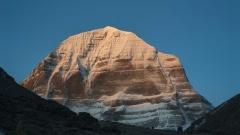
For centuries, Mount Kailash has stood as one of the most revered spiritual destinations on Earth. Pilgrims and adventurers alike dream of completing the sacred circumambulation around its striking pyramid-shaped peak. However, planning a journey to this remote corner of western Tibet involves navigating complex logistics, strict regulations, and extreme physical challenges. As travelers look ahead to organizing their trips, understanding the practical realities is just as important as the spiritual preparation. Whether you are drawn by Hindu, Buddhist, Jain, or Bon traditions, or simply by the raw beauty of the Himalayas, thorough research is your first step. This guide addresses the most frequently asked questions about visiting Mount Kailash, helping you prepare for a safe and meaningful pilgrimage.
Key Takeaways:
- Foreign travelers must obtain specific permits through authorized agencies.
- The best time to visit is generally from May to September.
- High altitude sickness is a serious risk requiring proper acclimatization.
- The standard kora trek takes about three days to complete.
- Physical fitness and mental resilience are essential for the journey.
Can Foreigners Actually Visit Mount Kailash?
Yes, foreign nationals can visit Mount Kailash, but independent travel is strictly prohibited. The Chinese government regulates access to the Tibet Autonomous Region heavily, meaning all international visitors must travel as part of an organized tour with a licensed operator. You cannot simply book a flight, arrive in Tibet, and hike to the mountain on your own. Every aspect of your journey—from transportation and accommodation to guides and permits—must be arranged beforehand.
To legally enter Tibet and proceed to the Mount Kailash region, you will need several documents. The primary requirement is the Tibet Travel Permit, which your tour agency applies for on your behalf using your passport and Chinese visa details. Additionally, because Mount Kailash is located near sensitive border areas, you will also need an Alien Travel Permit and a Military Border Pass. These extra layers of bureaucracy mean that planning should begin many months in advance. Working with experienced operators who understand the nuances of these regulations is critical to ensuring your paperwork is approved without delays.
What Is the Best Time of Year for the Kailash Yatra?
Timing your trip correctly is vital for both safety and comfort. The weather in western Tibet is notoriously harsh, with brutal winters rendering the high passes impassable. The optimal window for a Mount Kailash pilgrimage typically falls between May and September. During these months, daytime temperatures are milder, and the heavy snowfall that blocks trekking routes has usually melted.
May and June offer clear skies and relatively stable weather, making them popular choices for trekkers. July and August bring warmer temperatures but also coincide with the monsoon season, which can occasionally push rain clouds into western Tibet, leading to muddy trails and obscured views of the peak. September is often considered the sweet spot; the monsoon rains have retreated, the air is crisp, and the visibility of the mountain is spectacular. Regardless of when you go within this window, nighttime temperatures at base camps and high passes can still drop below freezing. Packing layered clothing designed for extreme temperature fluctuations is non-negotiable.
How Difficult Is the Mount Kailash Trek Physically?
The circumambulation, known locally as the “kora,” covers approximately 52 kilometers (about 32 miles). While this distance might seem manageable for seasoned hikers, the defining challenge of the Mount Kailash trek is the altitude. The journey begins at Darchen, which sits at roughly 4,600 meters (15,000 feet) above sea level, and climbs to the Dolma La Pass at an exhausting 5,630 meters (18,470 feet). At these elevations, the oxygen level is nearly half of what it is at sea level.
You do not need to be a professional mountaineer to complete the kora, but you must possess a solid baseline of cardiovascular fitness. Regular hiking, running, or cycling in the months leading up to your trip will help prepare your body. More importantly, you must respect the process of acclimatization. Most itineraries build in several days in Lhasa or Shigatse before driving overland to Mount Kailash, allowing your body to adjust gradually to the thinning air. Rushing this process significantly increases the risk of Acute Mountain Sickness (AMS), which can escalate into life-threatening conditions like pulmonary or cerebral edema if ignored. Listening to your guide and communicating any symptoms immediately is crucial.
What Does the Typical Mount Kailash Itinerary Look Like?
A standard pilgrimage itinerary spans anywhere from 15 to 20 days, depending on your starting point and mode of transportation. Many travelers fly into Lhasa, spend a few days exploring local monasteries and acclimatizing, and then embark on a multi-day overland drive across the Tibetan Plateau to reach Darchen, the gateway town for the kora.
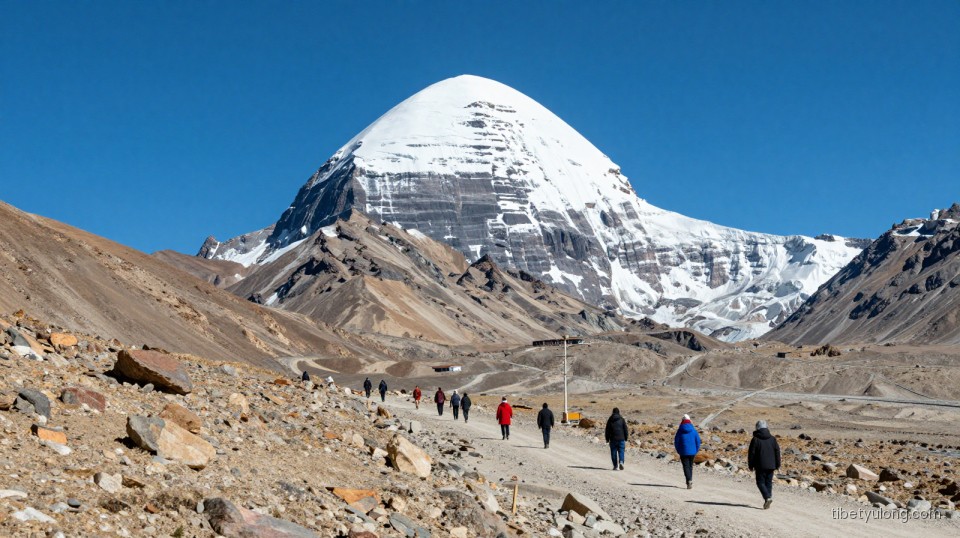
The actual trek around Mount Kailash usually takes three days. On the first day, you hike from Darchen to Dirapuk Monastery, covering about 20 kilometers while enjoying stunning views of the mountain’s north face. The second day is the most grueling, involving the steep ascent to the Dolma La Pass before descending to Zutulpuk Monastery. The third day features a shorter, gentler walk back to Darchen, completing the circuit. For those who feel physically unable to carry their gear or walk the entire distance, hiring local yaks or porters is a common practice. Some older pilgrims even hire horses for certain sections, though walking is considered more spiritually meritorious.
How Should You Prepare for High Altitude at Mount Kailash?
Preparation for high altitude begins long before you board your flight. Consulting with a physician who specializes in travel medicine is highly recommended. They may prescribe medications like acetazolamide to aid in acclimatization and prevent AMS. It is important to start taking such medications exactly as directed, usually a day or two before ascending.
Once on the ground, hydration becomes your most important daily habit. The dry, thin air at high altitudes accelerates dehydration, so you should drink significantly more water than you normally would, aiming for at least three to four liters daily. Avoid alcohol and heavy, greasy foods during your initial days at elevation, as these can exacerbate altitude symptoms. Eat light, carbohydrate-rich meals that are easier for your body to digest when oxygen levels are low. Furthermore, pacing yourself on the trail is essential. Walk slowly, take frequent breaks, and never push through severe headaches or dizziness. Your guides will monitor your condition, but self-awareness is your best defense against altitude-related illness.
What Are the Accommodation and Food Conditions Like?
Travelers heading to Mount Kailash must manage their expectations regarding infrastructure. Western Tibet is incredibly remote, and luxury amenities are virtually nonexistent outside of Lhasa. In Darchen, you will find basic guesthouses offering simple beds, shared bathrooms, and limited heating. During the three-day kora, accommodations consist of rudimentary monastery guesthouses or tent camps at Dirapuk and Zutulpuk. Sleeping bags rated for sub-zero temperatures are mandatory, as blankets provided by local camps are rarely sufficient for the cold nights.
Food options along the route are similarly basic. Tour operators typically bring cooks who prepare meals in portable kitchen tents. You can expect simple, nourishing dishes like noodle soups, rice, boiled vegetables, and Tibetan bread. Because fresh produce is difficult to transport to such remote areas, bringing your own supply of high-energy snacks—such as nuts, chocolate, energy bars, and dried fruits—is a smart strategy. Staying fueled with adequate calories is necessary to maintain your energy levels during the strenuous daily hikes.
Why Choose Experienced Operators for Your Mount Kailash Journey
Navigating the logistical complexities of a pilgrimage to Mount Kailash requires expertise. From securing hard-to-get permits to arranging reliable vehicles capable of handling rough plateau roads, the margin for error is slim. Established agencies with deep roots in Tibetan tourism provide invaluable support. Companies like Tibet Yulong Travel have spent years building relationships with local authorities, drivers, and guides, ensuring smoother operations for their clients. Their familiarity with the terrain, weather patterns, and medical protocols means they can handle emergencies efficiently, whether that involves arranging supplemental oxygen or coordinating an evacuation if a traveler falls ill. Partnering with a knowledgeable team transforms a daunting logistical puzzle into a focused, spiritual experience.
Understanding the Spiritual Significance of Mount Kailash
Beyond the physical challenge, understanding why millions revere Mount Kailash adds profound depth to the journey. Hindus believe it is the earthly abode of Lord Shiva, where he sits in eternal meditation. Buddhists associate the peak with Demchok, a deity representing supreme bliss. Jains consider it the site where their first saint achieved liberation, while followers of the ancient Bon religion view it as the center of the universe. This shared reverence creates a unique atmosphere on the trail, where pilgrims from different faiths walk side by side, spinning prayer wheels and chanting mantras. Respecting these traditions—such as always walking clockwise around the mountain (or counter-clockwise if following the Bon tradition)—is a fundamental part of the etiquette expected from every visitor.