When planning a journey to the roof of the world, one question inevitably comes up: how high is Lhasa above the sea level? Sitting at an average elevation of 3,656 meters (approximately 11,995 feet), the city is one of the highest urban centers on the planet. This remarkable Lhasa altitude defines not just the landscape, but the entire experience of visiting this ancient Tibetan capital. Whether you are drawn by the spiritual aura of centuries-old monasteries or the breathtaking Himalayan scenery, understanding the elevation is essential for a safe and enjoyable trip.
key points
Extreme Altitude Baseline: Lhasa sits at 3,656 meters (11,995 feet), where the oxygen level is roughly 65% of that at sea level.
Transit Impact on Acclimatization: Taking the Qinghai-Tibet train provides a more gradual altitude adaptation compared to the sudden jump of flying into Lhasa.
Essential Health Precautions: Managing altitude sickness requires resting for the first 24–48 hours, drinking plenty of water, avoiding overexertion, and moving slowly.
High-Altitude Culture & Lifestyle: Local architecture, high-energy foods (like butter tea and tsampa), and daily routines are naturally adapted to the high elevation.
The Exact Elevation of Lhasa
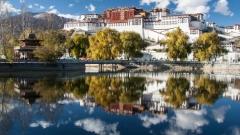
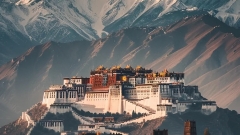
The official Lhasa altitude is generally cited as 3,656 meters above sea level, measured around the Potala Palace and the central urban area. However, because the city is built within the Lhasa River valley, the elevation varies slightly depending on where you are. Lower areas near the riverbanks sit closer to 3,600 meters, while surrounding hills and certain monastery complexes push well past 3,700 meters. Compared to other famous high-altitude destinations like Cusco in Peru (3,400 meters) or La Paz in Bolivia (3,640 meters), Lhasa holds its own as a truly elevated destination.
This specific Lhasa altitude places the city firmly in the category of extreme elevation travel. At nearly four kilometers above sea level, the atmosphere behaves very differently than it does at lower elevations. The sky appears deeper blue, sunlight feels more intense, and the horizon seems impossibly vast. For many travelers, simply stepping off the plane or train and feeling the crisp, thin air is a memorable part of the adventure.
Why Lhasa Altitude Matters for Travelers
Understanding the implications of Lhasa altitude goes beyond reading a number on a map. As elevation increases, atmospheric pressure drops, meaning there is less oxygen available in every breath you take. At 3,656 meters, the air contains roughly 65% of the oxygen found at sea level. For most visitors arriving from low-lying cities, this sudden change requires physiological adjustment.
Altitude sickness, medically known as Acute Mountain Sickness (AMS), is the primary concern tied to Lhasa altitude. Symptoms can range from mild headaches, dizziness, and fatigue to nausea and shortness of breath during simple tasks like climbing stairs. It is important to note that physical fitness at sea level does not guarantee immunity to AMS. Young athletes and older leisurely travelers alike can experience symptoms. The key factor is how quickly you ascend and how well your body adapts to the reduced oxygen levels.
Because of this, most experienced guides recommend treating the first 24 to 48 hours in the city with extreme care. Your body needs time to produce more red blood cells and adjust its breathing rate to compensate for the thinner air. Ignoring the reality of the Lhasa altitude and rushing into strenuous sightseeing is the most common mistake first-time visitors make.
How to Reach Lhasa and the Impact on Acclimatization
The method you choose to reach the city significantly influences how your body reacts to the Lhasa altitude. There are two primary ways to arrive: by air or by rail.
Flying directly into Lhasa Gonggar Airport is the fastest option, but it involves a rapid ascent. You might leave a city near sea level in the morning and find yourself standing at 3,656 meters by the afternoon. This sudden shift gives the body zero time to gradually adapt, making the initial hours crucial for rest. If you choose to fly, plan absolutely nothing for your first day other than resting at your hotel, drinking water, and allowing your system to stabilize.
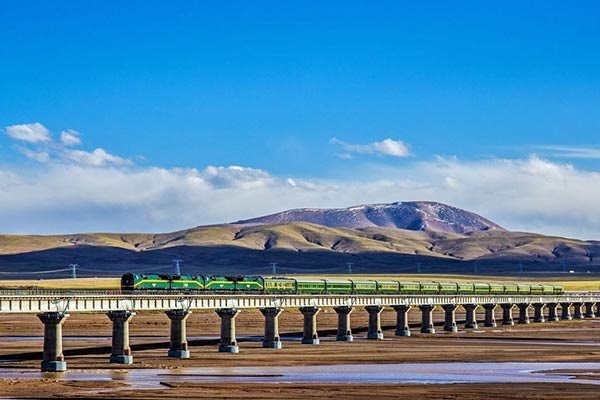
Taking the Qinghai-Tibet Railway is often considered the better approach for managing Lhasa altitude. The train journey takes significantly longer—up to 40 hours from Beijing—but it offers a gradual ascent through the Tibetan Plateau. Modern trains on this route are equipped with supplemental oxygen systems that pump extra oxygen into the cabins once the train crosses higher passes, helping passengers ease into the elevation. While the train still eventually reaches altitudes higher than Lhasa itself during the journey over the Tanggula Pass, the prolonged exposure helps many travelers acclimatize more comfortably before arriving in the city.
Practical Tips for Handling Lhasa Altitude
Successfully navigating the Lhasa altitude relies on preparation, patience, and smart habits during your stay. Here are several proven strategies to keep you comfortable and healthy.
Hydration and Diet
At high elevations, the air is exceptionally dry, and your respiratory rate increases, causing you to lose moisture much faster than usual. Drinking plenty of water is non-negotiable. Aim for three to four liters a day, even if you do not feel thirsty. Avoid alcohol and limit caffeine during your first few days, as both can accelerate dehydration and exacerbate altitude symptoms. Stick to light, easily digestible meals rich in carbohydrates. Heavy, greasy foods force your digestive system to work harder, consuming oxygen that your body desperately needs elsewhere.
Pacing Your Activities
The golden rule of dealing with Lhasa altitude is to move slowly. Walk at a deliberate, unhurried pace. When exploring sites like the Jokhang Temple or wandering through Barkhor Street, take frequent breaks. Do not attempt to climb the numerous steps of the Potala Palace on your first day; save this iconic visit for later in your itinerary when your body has adjusted. Listen to your body—if you feel a headache coming on, stop, rest, and hydrate rather than pushing through.
Medication and Medical Support
Many travelers consult their doctors before departure regarding medications like Acetazolamide (commonly known as Diamox), which can help speed up the acclimatization process. Always seek professional medical advice before taking any medication. Once in Lhasa, hotels are well-prepared for altitude-related issues. Most accommodations offer oxygen concentrators in the rooms or portable oxygen canisters at the front desk. Using supplemental oxygen at night can vastly improve sleep quality, which is often disrupted at high elevations due to periodic breathing patterns.
Daily Life and Culture at High Elevation
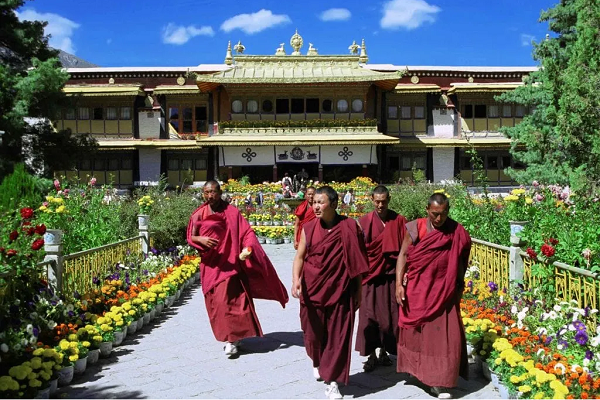
Living at the Lhasa altitude has profoundly shaped local culture, architecture, and daily routines. The traditional Tibetan diet is engineered for high-elevation survival. Butter tea, made from yak butter, salt, and strong black tea, provides essential calories and hydration while helping to combat the dry climate. Tsampa, roasted barley flour mixed with tea or butter, is a staple that offers dense, slow-burning energy perfect for life above 3,600 meters.
Architecture also reflects the environment. Traditional buildings feature thick stone walls designed to retain heat during freezing nights and small windows to minimize heat loss while protecting against the intense ultraviolet radiation that accompanies the Lhasa altitude. The famous whitewashed facades of the Potala Palace and surrounding monasteries are not just aesthetic choices; the white lime wash helps reflect the harsh sun.
Locals have lived at this elevation for centuries, developing genetic adaptations that allow them to thrive where visitors struggle. You will notice residents moving effortlessly up steep staircases and engaging in vigorous activities without the breathlessness that plagues newcomers. Respecting this environment means acknowledging that your body is a guest here, requiring time and care to function properly.
Exploring Beyond the City Center
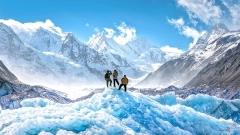
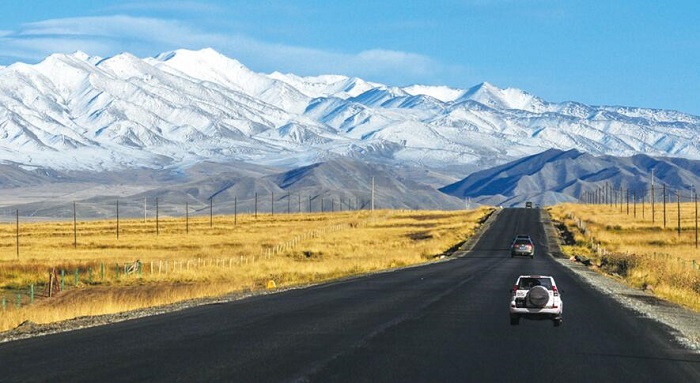
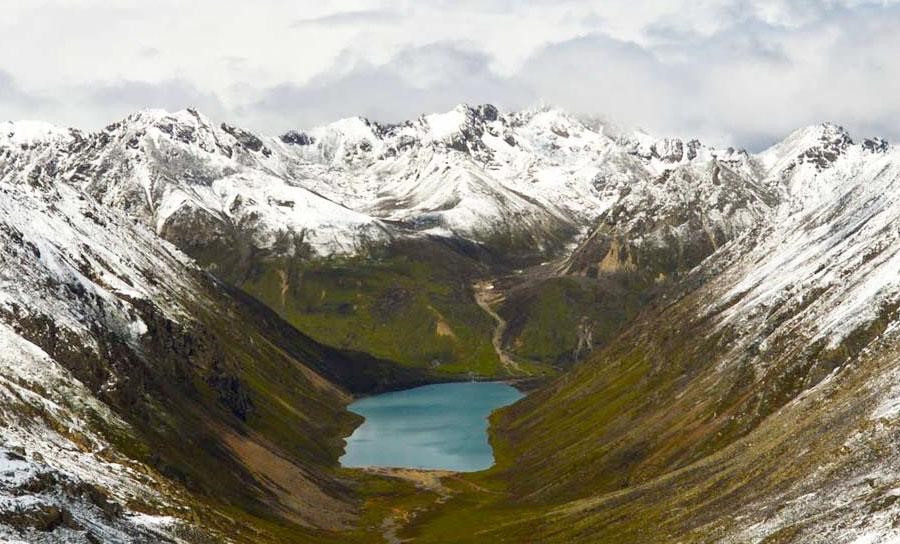
While the core Lhasa altitude sits at 3,656 meters, venturing outside the city center means encountering even higher elevations. Day trips to sacred lakes like Namtso or Yamdrok require crossing mountain passes that exceed 5,000 meters. These excursions should only be attempted after spending at least three to four days fully acclimatized in Lhasa. Returning to the city after a high pass offers a surprising sensation: descending back to 3,656 meters suddenly feels remarkably low and oxygen-rich compared to the peaks you just crossed.
Even within the immediate vicinity, monasteries such as Sera and Drepung are situated on hillsides slightly above the main urban sprawl. Walking the kora (pilgrimage circuit) around these sites involves steady inclines. Treating these walks as gentle hikes rather than casual strolls ensures you enjoy the stunning views and chanting monks without overexerting yourself.
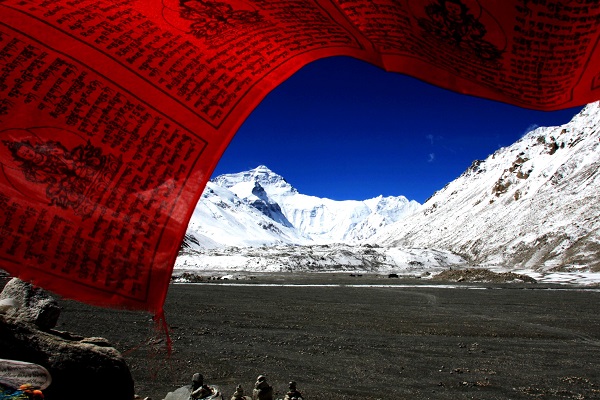
Travelers who respect the realities of the elevation consistently report that their experience improves dramatically after the second day. The initial heaviness lifts, breathing normalizes, and the true magic of the city reveals itself. The clarity of the light, the vibrant colors of prayer flags snapping in the wind, and the deep sense of history all feel sharper at this height. Ultimately, the Lhasa altitude is not a barrier to enjoying Tibet; it is an integral part of what makes the journey so extraordinary. By preparing adequately, pacing yourself, and listening to your body, you can safely explore one of the most fascinating cities on earth, suspended between the earth and the sky.