Cycling across the roof of the world is not merely a physical challenge; it is a profound journey into one of the most remote and spiritually rich landscapes on Earth. For adventurous travelers seeking an unforgettable experience, the Tibetan Plateau offers some of the most demanding and rewarding roads imaginable. Whether you are a seasoned endurance cyclist or a passionate traveler looking to push your limits, having a reliable Tibet Cycling Tour Guide is essential before you clip into your pedals. The sheer scale of the mountains, the thin air, and the vast open spaces create an environment unlike anywhere else.
The routes discussed here have been ridden by thousands of cyclists over the years, each leaving their mark on the wind-swept passes and quiet valleys. Preparing for these journeys requires careful planning regarding acclimatization, gear selection, and logistical support. This comprehensive guide breaks down the most classic routes, providing practical insights to help you navigate the high-altitude terrain safely and enjoyably.
key points
Classic Cycling Routes: Highlights famous high-altitude routes including the Lhasa-to-Kathmandu Friendship Highway, the Qinghai-Tibet Highway, sacred lake loops (Yamdrok & Namtso), and the remote Mount Kailash route.
Acclimatization & Safety: Gradual elevation gain, proper rest (especially initial days in Lhasa/Xining), and awareness of Acute Mountain Sickness (AMS) are essential for safety.
Permits & Logistics: Foreign cyclists must book through registered agencies to secure mandatory Tibet Travel Permits and Alien Travel Permits before riding.
Gear, Weather & Nutrition: Success requires layered clothing (for extreme temperature swings), self-reliant bike repair tools, high hydration/calorie intake, and riding during optimal months (May–June, Sept–Oct).
Lhasa to Kathmandu: The Legendary Friendship Highway
No discussion about cycling in Tibet is complete without mentioning the route from Lhasa to Kathmandu via the Friendship Highway. Often considered the crown jewel of high-altitude cycling, this route spans roughly 950 kilometers from the Tibetan capital to the Nepal border at Gyirong, continuing onward to Kathmandu. It is the most frequently referenced path in any Tibet Cycling Tour Guide due to its perfect blend of cultural landmarks, dramatic scenery, and manageable infrastructure.
The journey typically begins in Lhasa, where cyclists spend several days acclimatizing to the 3,650-meter elevation. Visiting Potala Palace, Jokhang Temple, and the local monasteries helps your body adjust while immersing you in Tibetan culture. From Lhasa, the road winds westward through the Yarlung Tsangpo River valley toward Shigatse, Tibet’s second-largest city. The riding here involves rolling hills and long stretches of flat tarmac, allowing you to find your rhythm.
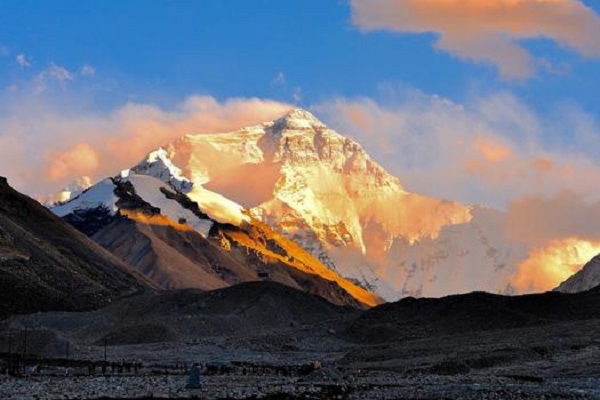
Beyond Shigatse, the route climbs toward Lhatse and eventually reaches the base of Mount Everest. The detour to Everest Base Camp is a highlight for many riders. Navigating the switchbacks up to Pang La pass at 5,200 meters offers your first panoramic views of the Himalayan giants, including Everest, Makalu, Cho Oyu, and Lhotse. The descent into the Rongbuk Valley is thrilling, but the subsequent climb out demands excellent physical conditioning.
As you continue west toward Tingri and the Gyirong border crossing, the landscape shifts from arid plateaus to deep, forested gorges near the Nepalese frontier. The transition in climate and topography is striking. Cyclists must be prepared for rapidly changing weather conditions, where intense sunshine can quickly give way to hail or snow, even in summer. Ensuring you have layered clothing and reliable rain gear is a fundamental tip found in every comprehensive Tibet Cycling Tour Guide.
The Epic Northern Traverse: Qinghai-Tibet Highway
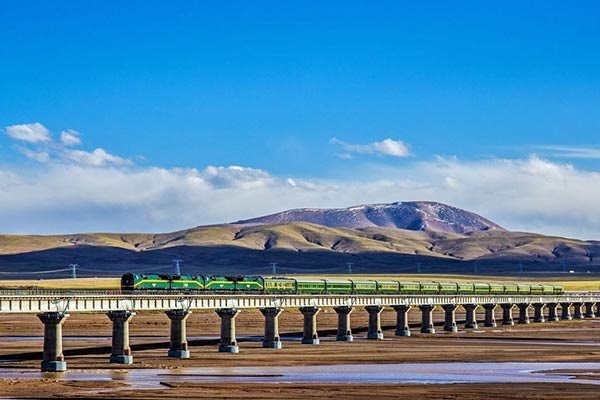
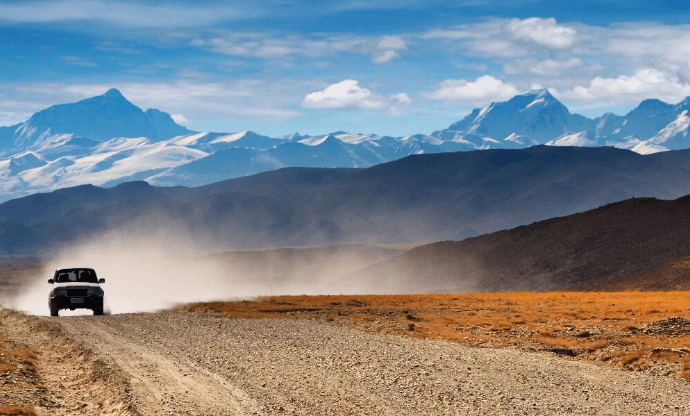
For those who prefer long, sweeping vistas over steep mountain passes, the Qinghai-Tibet Highway presents a different kind of challenge. Starting in Xining, Qinghai Province, and ending in Lhasa, this route covers approximately 1,900 kilometers. It is the highest paved road in the world, spending hundreds of kilometers above 4,500 meters. While it lacks the dramatic vertical relief of the Friendship Highway, the relentless altitude makes it a true test of endurance.
Riding the Qinghai-Tibet Highway means crossing the vast expanse of the Hoh Xil nature reserve, an uninhabited area teeming with wildlife such as Tibetan antelopes and wild yaks. The road itself is generally in good condition, featuring wide shoulders that make cycling relatively safe compared to narrower mountain roads. However, the distances between towns and supply points can be vast. Cyclists often need to carry extra food, water, and camping equipment, making self-sufficiency a critical skill.
A major landmark on this route is Tanggula Pass, standing at 5,231 meters. Reaching this point is a monumental achievement for any cyclist. The weather here is notoriously unpredictable, and strong headwinds are common. Many riders choose to start this route in late spring or early autumn to avoid the harshest winter storms while still benefiting from stable riding conditions. Incorporating this route into your itinerary requires meticulous preparation, which is why consulting a detailed Tibet Cycling Tour Guide beforehand is highly recommended.
Exploring Sacred Lakes: Yamdrok and Namtso Loops
If traversing international borders or crossing entire provinces feels too daunting, focusing on the sacred lakes near Lhasa provides spectacular alternatives. Yamdrok Lake and Namtso Lake are two of Tibet’s holiest bodies of water, and cycling around them or to their shores offers deeply memorable experiences without the extreme logistical demands of longer expeditions.
Yamdrok Lake is located about 100 kilometers southwest of Lhasa. The ride involves a grueling but short climb over Kamba La pass at nearly 4,800 meters. Once over the crest, the lake reveals itself in stunning shades of turquoise and sapphire, framed by snow-capped peaks. Many cyclists combine a trip to Yamdrok with the route toward Gyantse, creating a multi-day loop that showcases traditional Tibetan farming villages and ancient fortresses like the Gyantse Kumbum.
Namtso Lake, situated north of Lhasa at an elevation of 4,718 meters, is one of the highest large lakes in the world. The ride to Namtso involves crossing Nagenla Pass, which sits at a breathless 5,190 meters. The descent to the lake shore is fast and exhilarating. Spending a night at Tashi Dor monastery on the lake’s edge allows cyclists to witness incredible starry skies unmarred by light pollution. These shorter lake routes are frequently highlighted in a Tibet Cycling Tour Guide as ideal introductory rides for those wanting to test their high-altitude capabilities before attempting longer crossings.
The Wild West: Mount Kailash Pilgrimage Route
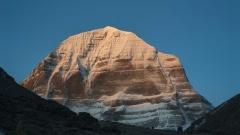
For the ultimate adventure, cycling to Mount Kailash in western Tibet represents the pinnacle of remote touring. This route extends far beyond Lhasa, pushing deep into the Ngari Prefecture. The distances are immense, the population is sparse, and the environment is unforgiving. Only the most experienced and well-prepared cyclists should attempt this journey.
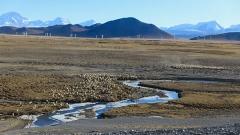
The ride from Lhasa to Darchen, the staging town for Mount Kailash, covers over 1,200 kilometers of rugged terrain. You will cross multiple passes exceeding 5,000 meters and ride alongside pristine rivers and untouched grasslands. Western Tibet operates on a different pace; encounters with nomadic herders living in yak-hair tents are common, offering a glimpse into a lifestyle that has remained unchanged for centuries.
Logistics are the primary concern here. Resupply points are separated by days of riding. Cyclists must carry extensive repair kits, medical supplies, and sufficient nutrition. The altitude remains consistently high, meaning recovery after hard riding days takes significantly longer than at sea level. Despite the hardships, arriving at the foot of Mount Kailash—a peak revered by four different religions—is a profoundly moving experience. Any serious Tibet Cycling Tour Guide will emphasize that this route requires months of physical training and thorough logistical planning.
Essential Preparation and Practical Advice
Success on these classic routes depends heavily on preparation. High-altitude cycling places unique stresses on the human body. Acute Mountain Sickness (AMS) is a real danger, and understanding its symptoms—headaches, nausea, dizziness, and fatigue—is crucial. The golden rule is to ascend gradually. Spend at least three to four days in Lhasa or Xining before beginning your ride, and never rush the acclimatization process.
Bicycle maintenance in remote areas requires self-reliance. Dust, rough roads, and heavy loads accelerate wear on drivetrains and tires. Carry spare tubes, patch kits, a chain breaker, extra spokes, and brake pads. Tubeless tire setups are increasingly popular among Tibet cyclists because they resist pinch flats caused by rocky surfaces. Ensure your bike is thoroughly serviced before departure, and practice repairing it under less-than-ideal conditions at home.
Permits are another vital consideration. Foreign travelers cannot cycle independently in Tibet without proper documentation. A Tibet Travel Permit is mandatory, along with an Alien Travel Permit for restricted areas like Everest Base Camp or Mount Kailash. These must be arranged through a registered travel agency well in advance. Riding without the correct permits will result in being turned back at checkpoints. This administrative reality is a core component of any accurate Tibet Cycling Tour Guide, and ignoring it will derail your trip before it begins.
Weather dictates everything on the plateau. The best time for cycling is generally from May to June and September to October. July and August bring the monsoon rains, which can wash out roads and obscure mountain views. Winter months bring extreme cold and snow-blocked passes. Packing layers is essential; temperatures can swing from freezing at dawn to warm under the midday sun. Windproof jackets, thermal base layers, and UV-protection sunglasses are non-negotiable items.
Nutrition and hydration require conscious effort. The dry air and increased respiration rate at altitude mean you lose moisture rapidly, often without realizing it. Drink constantly, aiming for at least four to five liters of water daily. Caloric needs also skyrocket when cycling at high elevations. Local staples like tsampa (roasted barley flour), yak butter tea, and noodles provide excellent energy, but bringing familiar snacks from home ensures you have quick calories during long climbs.
Embarking on a cycling journey across Tibet is a transformative endeavor. The physical exertion required to pedal over 5,000-meter passes is matched only by the spiritual reward of witnessing landscapes few people ever see. By selecting one of these classic routes and following the principles outlined in this Tibet Cycling Tour Guide, you set the foundation for a safe, challenging, and deeply enriching adventure. Respect the environment, honor the local culture, and listen to your body. The plateau demands patience, but it repays that patience with memories that will last a lifetime.