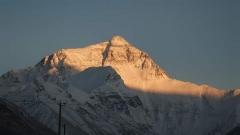
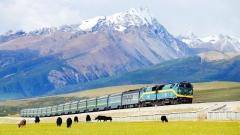
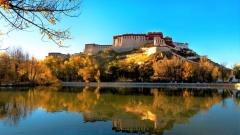
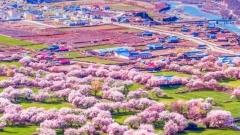
Planning a trip to the Roof of the World requires careful preparation, especially when deciding on your wardrobe. The extreme altitude, intense ultraviolet radiation, and dramatic temperature fluctuations between day and night make packing a unique challenge. Understanding what to wear in Tibet is not just about comfort; it is about safety and adapting to an environment that changes rapidly from scorching sunshine to freezing winds within a single afternoon. Because the climate varies significantly throughout the year, your clothing strategy must be tailored to the specific month of your visit. This guide breaks down exactly how to dress for every season, ensuring you stay comfortable whether you are exploring the streets of Lhasa or trekking near Mount Everest.
key points
Core Layering System: Master a 3-layer system—moisture-wicking base layer (avoid cotton), insulating mid-layer (fleece/down), and windproof/waterproof outer shell.
Seasonal Dressing: Adapt gear by season—heavy sub-zero parkas for winter (Dec–Feb), rainproof layers for summer monsoon (Jun–Aug), and versatile layers for spring/autumn temperature swings.
Essential Accessories: Pack mandatory sun/dryness protection including UV400 sunglasses, high-SPF lip balm/moisturizer, wide-brimmed hats, and broken-in hiking footwear.
Cultural Respect: Dress modestly with shoulders and knees covered when entering temples, monasteries, and local communities.
The Core Layering Strategy for High Altitudes
Before diving into specific months, you need to understand the foundational principle of dressing for high-altitude environments. The layering system is the most effective way to manage your body temperature. Instead of wearing one thick garment, you should stack multiple thin layers. This allows you to add or remove clothing as the temperature shifts throughout the day.
The base layer sits directly against your skin. Its primary job is moisture management. Avoid cotton entirely, as it retains sweat and will make you freeze once the sun goes down. Opt for merino wool or synthetic moisture-wicking fabrics. The mid-layer provides insulation. Fleece jackets, lightweight down vests, or wool sweaters work perfectly here. They trap body heat while remaining breathable. The outer layer is your shield against the elements. A windproof and waterproof hard shell jacket is non-negotiable. The winds on the Tibetan plateau can be fierce, and sudden rain or snow showers are common even outside of winter.
Winter Months: December, January, and February
Winter in Tibet is bitterly cold, dry, and incredibly windy. While tourist numbers drop significantly, the skies are often crystal clear, offering unobstructed views of the Himalayan peaks. When figuring out what to wear in Tibet during these months, warmth is your absolute priority.
Your base layer needs to be heavy-weight thermal underwear, preferably made of thick merino wool. Over this, add a heavy fleece or a thick wool sweater as your mid-layer. Your outer layer must be a heavy-duty down parka rated for sub-zero temperatures. Wind chill can easily push temperatures well below minus twenty degrees Celsius, so a parka with a hood and a windproof exterior is essential.
For your lower half, insulated trousers or thermal leggings worn under heavy hiking pants are required. Jeans are a terrible choice because they offer no insulation and restrict movement. Protect your extremities with thick wool socks, insulated waterproof boots with good grip, heavy gloves, and a warm beanie that covers your ears. A neck gaiter or balaclava is also highly recommended to protect your face from the biting wind.
Early Spring: March and April
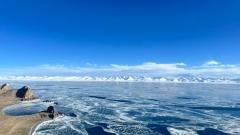
March marks the transition from deep winter to spring, but do not be fooled by the calendar. The weather remains very cold, especially at night and in higher elevation areas like Namtso Lake or Everest Base Camp. By April, daytime temperatures in lower valleys like Lhasa begin to rise, making the afternoons relatively pleasant.
During March, stick closely to your winter wardrobe. Heavy thermals, thick fleece, and a substantial down jacket are still mandatory. As April arrives, you can start relying more on the layering system. You might find yourself peeling off your heavy down jacket during a sunny afternoon walk around the Potala Palace, replacing it with a lighter puffy jacket or a thick fleece.
Wind remains a significant factor in early spring. Keep your windproof outer shell accessible at all times. Dust storms can occasionally sweep through the region, so bringing a scarf or a buff to cover your nose and mouth is a smart move. Footwear should remain sturdy and insulated, particularly if you plan to venture outside the main cities.
Late Spring: May
May is widely considered one of the best times to visit the region. The weather stabilizes, the landscapes begin to turn green, and the temperatures become much more forgiving. However, knowing what to wear in Tibet in May still requires respect for the altitude-driven climate.
Daytime temperatures in Lhasa and Shigatse can reach a comfortable fifteen to twenty degrees Celsius, but nights will still drop close to freezing. A medium-weight base layer is usually sufficient now. Swap your heavy winter parka for a versatile three-in-one jacket or a combination of a fleece mid-layer and a windproof shell. A lightweight down jacket is perfect for chilly mornings and evenings.
Sun protection becomes increasingly important in May. The UV rays at over 3,600 meters above sea level are exceptionally strong. Long-sleeved shirts made of UPF-rated fabric are ideal. Wide-brimmed hats, high-quality sunglasses with UV400 protection, and generous amounts of sunscreen are daily necessities. Sturdy, broken-in hiking shoes are better than heavy winter boots at this time of year.
Summer Monsoon: June, July, and August
Summer brings the monsoon season to the plateau. While it rarely rains all day, short, intense afternoon showers are frequent. Temperatures are at their warmest, with daytime highs sometimes exceeding twenty-two degrees Celsius in the lower valleys, though it never truly feels hot due to the constant breeze.
Packing for summer means prioritizing rain gear and breathability. Lightweight, quick-drying synthetic fabrics are your best friend. Leave the heavy thermals at home; instead, pack light long-sleeved shirts and convertible hiking pants. Your outer layer must be a high-quality, breathable waterproof rain jacket. Ponchos are popular among travelers here because they also cover your backpack, but a proper rain shell offers better mobility.
Despite the warmer air, evenings still require a warm layer. A medium-weight fleece or a light down jacket is necessary once the sun sets behind the mountains. Waterproof hiking boots are crucial during the summer months to navigate muddy trails and puddles. An umbrella can be handy in the cities, but the high winds often render them useless in rural areas. Continue to prioritize sun protection, as the clouds do little to block the intense high-altitude UV radiation.
Autumn Transition: September and October
Autumn is another peak season for travel. The monsoon rains retreat, leaving behind brilliant blue skies and crisp, cool air. September offers a beautiful balance of mild days and cool nights, while October sees a rapid drop in temperature, signaling the approach of winter.
In September, your wardrobe will look similar to May. Focus on versatile layering. Light base layers, warm mid-layers like fleece or wool sweaters, and a reliable windproof jacket will keep you comfortable. As October progresses, you need to reintroduce heavier items. A thicker down jacket becomes necessary again, especially if you are traveling to higher altitudes or camping.
When considering what to wear in Tibet during autumn, remember that the temperature difference between day and night reaches its peak. You might be hiking in a t-shirt at two in the afternoon and shivering in a down jacket by seven in the evening. Quick adaptability is key. Comfortable, supportive footwear remains essential, as the dry autumn ground is excellent for trekking.
November: The Return of Winter
November acts as the gateway back to winter. The temperatures plummet rapidly, the winds pick up, and the first significant snowfalls often occur. Tourist crowds thin out, and the landscape takes on a stark, beautiful, frozen aesthetic.
You need to bring back your winter gear. Heavy thermal base layers, thick insulating mid-layers, and a serious down parka are required. Windproof outer shells are vital, as the November winds cut through standard clothing effortlessly. Insulated boots, heavy gloves, and thermal headwear are no longer optional; they are survival necessities if you spend extended time outdoors.
Essential Accessories for Every Month
Regardless of the month you choose to visit, certain accessories are universally required. The high altitude means the atmosphere is thinner, offering less protection from the sun. Sunglasses are not just a fashion statement; they prevent snow blindness and protect your eyes from harsh glare reflecting off white monastery walls and snow-capped peaks. Polarized lenses are highly recommended.
Lip balm with SPF and heavy-duty moisturizer are critical. The air is incredibly dry year-round, and chapped lips and cracked skin are common complaints among unprepared travelers. A wide-brimmed hat or a cap with a neck flap protects your face and neck from sunburn. Buffs or multifunctional scarves are incredibly versatile, serving as neck warmers, dust masks, or headbands depending on the immediate conditions.
Footwear deserves special attention. Never bring brand-new shoes on your trip. Blisters at high altitude heal slowly and can ruin your experience. Break in your hiking boots weeks before departure. Additionally, pack several pairs of quality socks. Merino wool socks regulate temperature and resist odors, making them superior to cotton alternatives for multi-day treks or long overland journeys.
Cultural Considerations for Your Wardrobe
Beyond weather, cultural respect plays a significant role in deciding what to wear in Tibet. Tibetan culture is deeply rooted in Buddhism, and visitors will spend considerable time inside monasteries, temples, and sacred sites. Modesty is expected and appreciated.
Avoid wearing shorts, tank tops, or revealing clothing, regardless of how warm the summer afternoons might feel. Shoulders and knees should always be covered when entering religious buildings. Loose-fitting, long trousers and long-sleeved shirts are both culturally appropriate and practically beneficial for sun protection. When visiting local villages or interacting with nomadic communities, dressing conservatively shows respect for their traditions and helps foster positive interactions.
Finally, consider the colors you wear. Brightly colored outdoor gear is practical for visibility during treks, but when walking through sacred spaces or attending local festivals, muted or neutral tones blend in more respectfully. Packing clothes that serve dual purposes—functional for the rugged terrain yet appropriate for cultural sites—will save space in your luggage and ensure you are prepared for every aspect of your journey across the plateau.