Traveling to the Roof of the World is a dream for many adventurers, but the remote location and unique permit requirements often make it seem like an expensive endeavor. If you are figuring out how to budget Tibet tour effectively, you will be glad to know that visiting this high-altitude region does not have to drain your bank account. With careful planning and smart choices, you can significantly lower your expenses while still experiencing the breathtaking landscapes, ancient monasteries, and rich culture of the Tibetan Plateau.
The key to saving money lies in understanding where the major costs come from—transportation, accommodation, permits, and daily meals—and finding strategic workarounds for each. Whether you are a backpacker on a tight shoestring or a mid-range traveler looking to stretch your funds further, these eight proven methods will help you reduce your overall Tibet travel cost.
Key points
Travel Timing & Transport: Travel during shoulder seasons (April–June, Oct–Nov) and take the Qinghai-Tibet train instead of flights to cut major transit costs.
Join Small Group Tours: Save significantly on fixed guide, driver, and vehicle costs by joining group tours rather than booking private trips.
Budget Local Stays & Food: Choose Tibetan guesthouses over luxury hotels, and eat at local teahouses or Sichuan eateries instead of tourist-focused restaurants.
Smart Planning & Packing: Book tours early to secure better rates, focus on essential attractions, and pack high-altitude supplies in advance to avoid overpriced local purchases.
1. Travel During the Shoulder Season
Timing is everything when it comes to pricing. The peak tourist season in Tibet generally runs from July to October, coinciding with warmer weather and major festivals. During these months, flight prices surge, hotel rates double, and tour operators charge premium fees due to high demand. If you want to learn how to budget Tibet tour successfully, shifting your travel dates is the most impactful first step.
Consider visiting during the shoulder seasons, specifically April to early June, or late October to November. During these transitional months, the weather is still manageable for sightseeing, but the crowds thin out considerably. Airlines and hotels lower their prices to attract visitors, and local agencies often offer discounted group packages. While winter (December to March) offers the absolute lowest prices, extreme cold and potential road closures might limit your itinerary. The shoulder season strikes the perfect balance between affordability and accessibility, drastically reducing your Tibet travel cost without compromising the quality of your trip.
2. Take the Train Instead of Flying
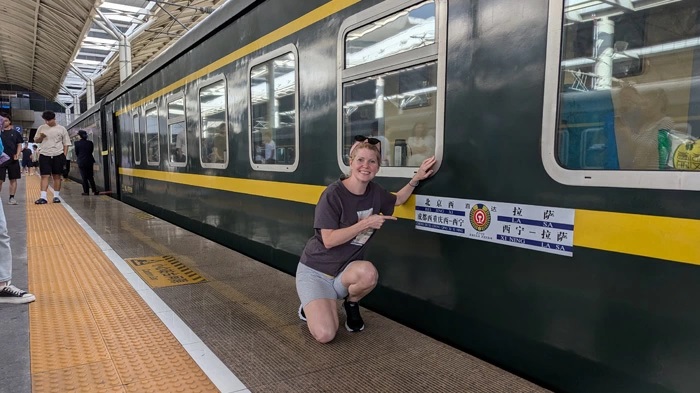
Transportation into Tibet usually accounts for the largest single chunk of your budget. Flying directly into Lhasa Gonggar Airport from major cities like Beijing, Shanghai, or Chengdu is convenient but notoriously expensive, especially if booked last minute. To keep your expenses down, consider taking the Qinghai-Tibet Railway.
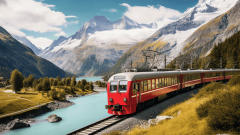
The train journey to Lhasa is not just a mode of transport; it is widely considered one of the most scenic railway trips on the planet. Departing from Xining is particularly popular because it shortens the train ride to about 21 hours while still allowing you to experience the stunning high-altitude scenery, including the Hoh Xil nature reserve and Tanggula Pass. Hard sleeper tickets are significantly cheaper than domestic flights. Furthermore, spending time gradually ascending by train helps your body acclimatize to the altitude, potentially saving you money on medical supplies or extra rest days upon arrival. When calculating how to budget Tibet tour logistics, the train is almost always the most economical choice.
3. Join a Group Tour Rather Than Booking Privately
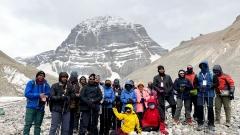
Foreign travelers and non-Chinese ID holders cannot travel independently in Tibet; you must book through a registered travel agency and be accompanied by a guide. This requirement means you will inevitably pay for organized logistics. However, the way you structure this booking makes a massive difference in your final bill.
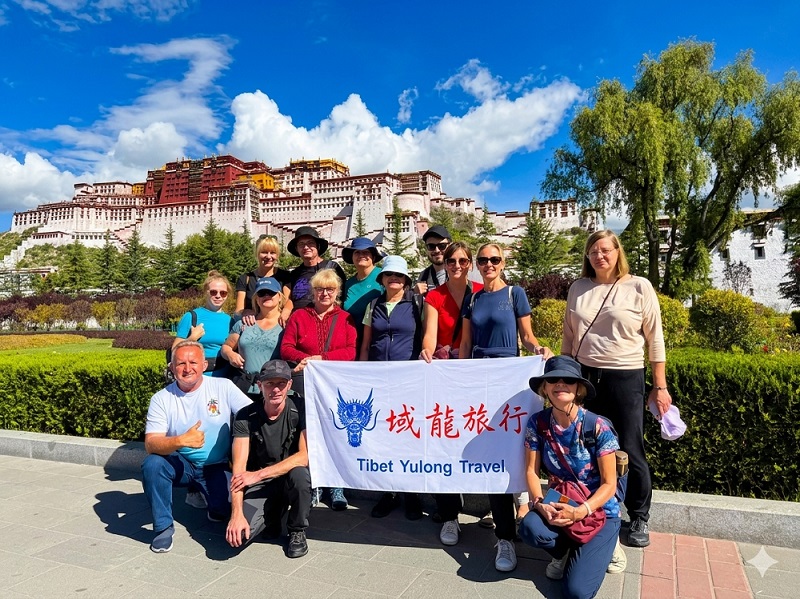
Private tours require you to cover the entire cost of the vehicle, driver, and guide yourself. If you are traveling solo or as a couple, this per-person cost skyrockets. Instead, opt for group tours. By joining a pre-arranged group, you split the costs of transportation, guide fees, and sometimes even accommodation among several travelers. Many agencies operating out of Chengdu or Kathmandu regularly organize small group departures. Connecting with other travelers online through forums before your trip to form a custom group is another excellent strategy. Sharing these fixed costs is arguably the most effective method for lowering your Tibet travel cost.
4. Choose Guesthouses Over Luxury Hotels
Lhasa and other major towns like Shigatse and Gyantse offer a wide range of accommodations, from international five-star chains to basic local guesthouses. If your primary goal is saving money, bypass the luxury hotels entirely.
Tibetan-style guesthouses and budget hostels provide clean, safe, and culturally immersive places to sleep at a fraction of the price of standard hotels. Many budget accommodations are located in the Barkhor Street area near the Jokhang Temple, meaning you save additional money on local taxis since major attractions are within walking distance. These guesthouses often feature communal areas where you can meet fellow travelers, share tips, and even find people to split costs with for side excursions. When researching how to budget Tibet tour accommodations, prioritize locally run guesthouses that offer hot water and heating, ensuring comfort without the hefty price tag.
5. Eat at Local Tibetan Restaurants
Food expenses can quietly eat into your daily budget, especially if you stick to hotel restaurants or establishments catering exclusively to Western tourists. Dining in hotel restaurants in Lhasa often comes with a heavy markup. To truly minimize your Tibet travel cost, venture out into the streets and eat where the locals eat.
Tibetan cuisine is hearty, filling, and very affordable. Dishes like Thukpa (noodle soup), momos (dumplings), and Tingmo (steamed bread) are inexpensive and provide the necessary calories for high-altitude exploration. Small teahouses around the Barkhor circuit serve sweet milk tea and simple noodle dishes for just a few dollars. Additionally, Lhasa has numerous Sichuan restaurants offering cheap, flavorful meals. Buying snacks, bottled water, and fruit from local supermarkets rather than convenience stores near tourist sites will also help you keep your daily food budget strictly under control.
6. Stick to Essential Attractions
Entry fees for monasteries and historical sites add up quickly. While it is tempting to visit every single landmark listed in your guidebook, paying entrance fees for dozens of locations will inflate your budget unnecessarily. Part of knowing how to budget Tibet tour itineraries involves being selective and prioritizing the experiences that matter most to you.
Focus on the essential highlights. In Lhasa, the Potala Palace and Jokhang Temple are unmissable, but you might not need to pay entry fees for every smaller monastery in the city. Many monasteries charge separate photography permits inside their halls; politely declining to take photos inside saves you these micro-fees. Outside Lhasa, natural landscapes like Yamdrok Lake or the view of Mount Everest from the base camp area do not always require expensive individual attraction tickets beyond your standard route permits. Discuss your budget constraints openly with your travel agency so they can design an itinerary that avoids unnecessary entrance fees.
7. Book Your Agency Well in Advance
Procrastination is the enemy of budget travel. Securing your travel agency, guides, and permits well ahead of your intended travel dates gives you leverage and options. Last-minute bookings often force you into whatever private tours or expensive hotel rooms are left available.
Start communicating with registered Tibetan travel agencies at least two to three months before your trip. This lead time allows you to compare quotes from multiple operators, negotiate prices, and secure spots on cheaper group departures. It also ensures your Tibet Travel Permit is processed smoothly without the need for expensive expedited services. Early booking is a fundamental pillar of any strategy focused on reducing your overall Tibet travel cost.
8. Pack Smart to Avoid High-Altitude Purchases
Lhasa has modern supermarkets and pharmacies, but buying specialized gear or medications after you arrive is always more expensive than bringing them from home. High-altitude environments require specific preparations, and purchasing items like heavy-duty sunscreen, lip balm, thermal layers, or altitude sickness medication locally can strain your daily budget.
Pack all necessary warm clothing, sturdy walking shoes, sun protection, and a basic first-aid kit before you leave. Bring your preferred brand of altitude sickness prevention medication after consulting with your doctor at home. Carrying a reusable water bottle also saves you from constantly buying plastic bottles, which are priced higher in remote areas. Being self-sufficient means you spend your money on experiences rather than overpriced necessities. Mastering how to budget Tibet tour packing lists ensures you are financially prepared for the unique demands of the plateau.
Reducing your expenses on the Tibetan Plateau requires a mix of flexibility, advance planning, and a willingness to embrace local ways of traveling. By choosing trains over planes, sharing costs with groups, eating local food, and traveling during quieter months, you can transform an intimidatingly expensive trip into an accessible adventure. Understanding how to budget Tibet tour logistics empowers you to focus less on your wallet and more on the profound spiritual and natural beauty that awaits you. Every dollar saved on logistics is a dollar you can use to extend your stay, support local artisans, or simply bring home with you after the journey of a lifetime.