
✨ Highlights:
- 🕉️ Genuine spiritual immersion: A Tibet monastery pilgrimage offers foreign visitors unique access to ancient Tibetan Buddhist rituals, kora walks, and local pilgrim culture unavailable in regular sightseeing tours.
- 📋 Complete travel preparation guide: Learn professional Tibet monastery pilgrimage preparation for foreign visitors, including permits, altitude sickness prevention, dress codes, and religious etiquette.
- 🏯 Curated monastery recommendations: Cover the best monasteries to visit on a Tibet pilgrimage, including Jokhang Temple, Sera Monastery and Potala Palace, ideal for an authentic Tibet pilgrimage for international travelers.
A Tibet Monastery Pilgrimage Experience for Foreign Visitors ranks among the most genuine, spiritually rewarding travel experiences on the Qinghai-Tibet Plateau. Perched on the rooftop of the world, Tibet’ ancient monasteries serve as the backbone of Tibetan Buddhism, preserving millennia-old traditions, sacred rituals, and intangible cultural heritage. Unlike casual city sightseeing, a genuine Tibet monastery pilgrimage prioritizes spiritual immersion, cultural reverence, and authentic local interactions. This in-depth travel guide elaborates on every key detail for international tourists, covering professional preparation, top pilgrimage monasteries, traditional rituals, etiquette rules, and practical travel advice to help you plan a respectful and unforgettable spiritual journey.
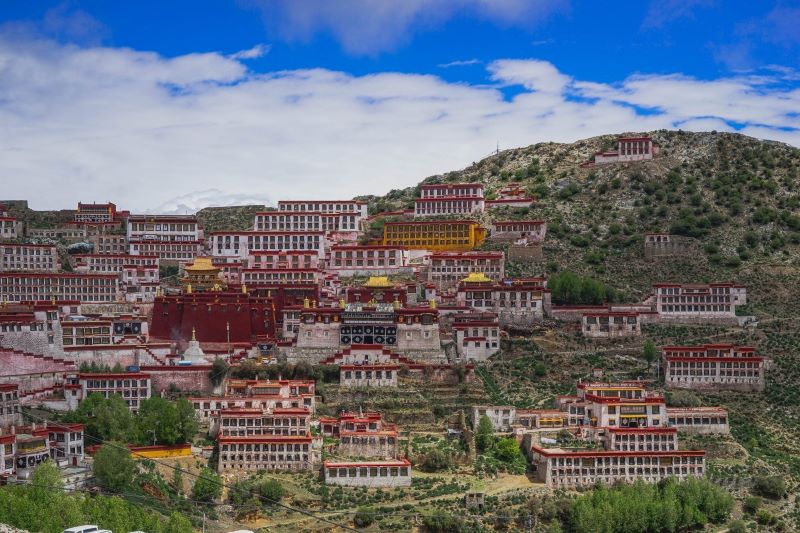
Ganden Monastery
Why Choose a Tibet Pilgrimage for International Travelers
Against the backdrop of homogenized mass tourism, cultural and spiritual travel has become a premium choice for overseas visitors. Tibet’s monasteries are not merely historical landmarks but living spiritual communities where devout pilgrims and practicing lamas uphold age-old Buddhist traditions. A dedicated Tibet pilgrimage for international travelers offers three unique, irreplaceable travel advantages.
Firstly, it grants access to authentic Tibetan Buddhist culture. Major monasteries across Tibet retain complete Buddhist doctrines, classical plateau architecture, and intact religious customs. Foreign travelers can observe real-time Buddhist practices, from daily scripture chanting to professional monk debates, gaining first-hand cultural insights that cannot be obtained from online materials or books.
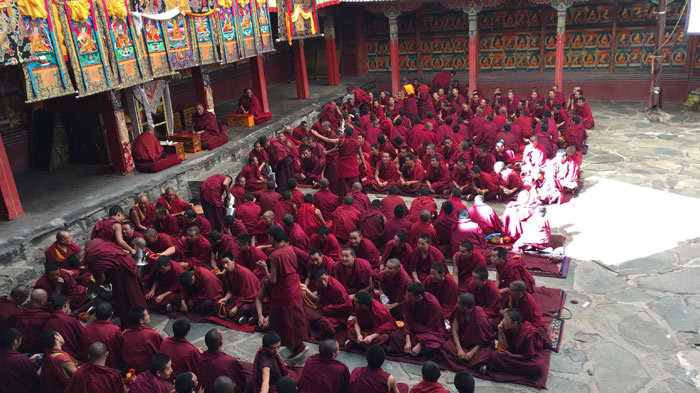
Monks in Tashilunpo Monastery
Secondly, it delivers profound spiritual healing. The high-altitude pure land features solemn temple halls, spinning prayer wheels, and sincere pilgrims, creating a tranquil and sacred atmosphere. Away from the noise and pressure of modern urban life, visitors can relax their minds, relieve mental fatigue, and feel the gentle, powerful spiritual energy unique to the Tibetan plateau.
Thirdly, it provides exclusive niche travel value. Unlike regular domestic tourism, foreign visitors need official permits and guided tours to access Tibetan monastery sites. This standardized travel mechanism avoids overcommercialized crowds and guarantees a pure, in-depth pilgrimage experience with strong cultural uniqueness.
Professional Tibet Monastery Pilgrimage Preparation for Foreign Visitors
A smooth and rewarding monastery pilgrimage depends on systematic pre-travel planning. As international tourists face unique entry policies, altitude adaptation challenges, and cultural taboos, proper Tibet monastery pilgrimage preparation for foreign visitors is essential to avoid travel risks and enhance your overall spiritual experience.
Official Travel Documents and Permit Requirements
Foreign visitors are not permitted to travel independently in Tibet. All overseas travelers must join officially authorized group tours operated by qualified local travel agencies. In addition to a valid passport and Chinese visa, a specialized Tibet Travel Permit is mandatory for entering and visiting all monasteries and scenic zones in the region. Professional local travel teams will assist with permit applications in advance. Travelers must carry the permit throughout the entire journey for official inspections, and all itinerary arrangements must follow licensed tour guides.
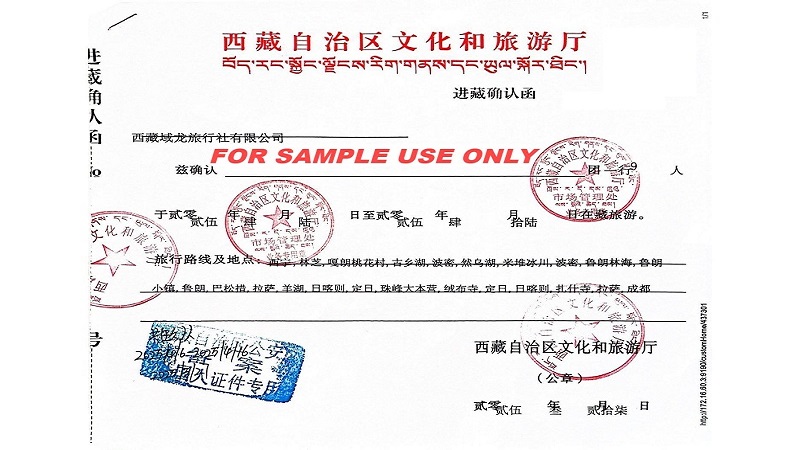
Tibet Travel Permit – Tibet Yulong
Altitude Sickness Prevention and Physical Preparation
Most famous Tibetan monasteries are located above 3600 meters above sea level, featuring low oxygen density, dry air, and strong ultraviolet radiation. To adapt well, foreign visitors should avoid strenuous exercise within the first 48 hours after arrival, maintain sufficient water intake, and ensure adequate rest. It is recommended to prepare altitude reaction medication, moisturizing skincare products, and professional sun protection gear. Dressing in layers is also necessary due to the large temperature difference between day and night on the plateau.
Cultural and Psychological Preparation
Monasteries are sacred religious venues rather than ordinary tourist spots. Before arrival, foreign visitors should learn basic Tibetan Buddhist etiquette and local pilgrimage customs, abandoning casual sightseeing mindsets. Maintaining a humble, respectful attitude helps travelers blend into the local religious atmosphere and achieve deeper spiritual perception during the visit.
Best Monasteries to Visit on a Tibet Pilgrimage
Tibet is home to thousands of historic monasteries with distinct religious and architectural characteristics. For foreign visitors pursuing classic, authentic spiritual travel, it is crucial to know the best monasteries to visit on a Tibet pilgrimage. The following three core monasteries represent the essence of Tibetan Buddhist culture, covering sacred Buddha halls, classic religious rituals, and iconic plateau landscapes.
Jokhang Temple: The Holiest Core of Tibetan Pilgrimage
As the most sacred temple in Tibetan Buddhism, Jokhang Temple serves as the ultimate pilgrimage destination for local believers and a core stop for foreign monastery tours. Constructed in the 7th century, the temple blends Tibetan, Han, Nepalese, and Indian architectural styles, boasting profound historical and cultural value. Its inner shrine preserves the world-renowned Jowo Rinpoche golden Buddha statue, the most revered sacred relic in Tibetan Buddhism.
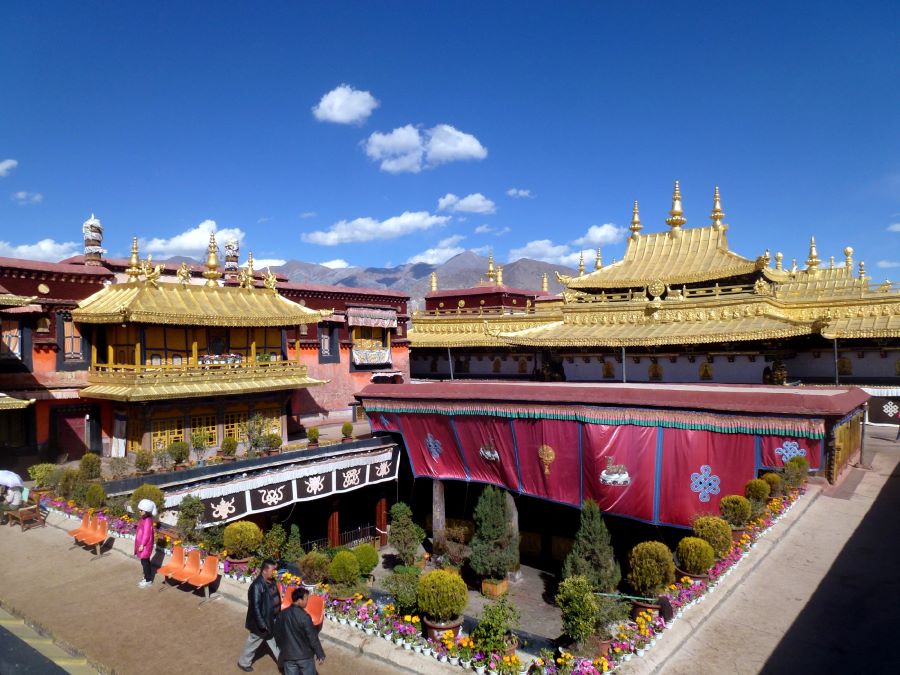
Jokhang temple
The most immersive local experience here is the Barkhor Kora pilgrimage. Every morning and evening, countless devout pilgrims circle the temple clockwise, spinning prayer wheels and reciting Buddhist mantras. Foreign visitors can join the slow-paced kora walk, follow local pilgrims’footsteps, and feel the pure, powerful faith atmosphere. Wandering along ancient Barkhor Street and watching flickering butter lamps allows travelers to truly understand the soul of Tibetan pilgrimage culture.
Sera Monastery: Witness Live Buddhist Monk Debates
Founded in 1419, Sera Monastery is globally famous for its daily Buddhist debates and ranks as the most interactive monastery for foreign visitors. Except on Sundays, young lamas gather in the monastery’s debating courtyard every afternoon to launch intense philosophical debates on Buddhist doctrines.
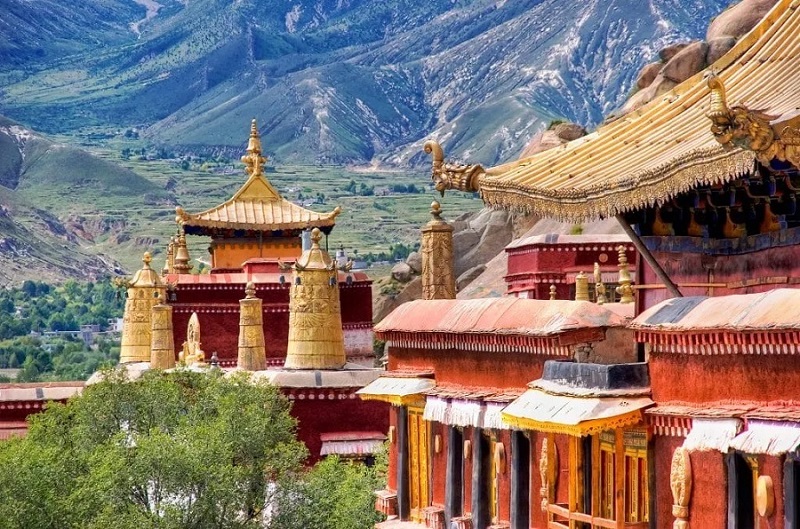
Sera Monastery
The unique debating scene—standing lamas clapping loudly to raise questions and sitting lamas responding calmly—presents a vivid display of Tibetan Buddhist academic inheritance. Foreign visitors are advised to arrive before 2:30 PM to secure good viewing spots. Flash photography is prohibited, but regular shooting is allowed. Observing these debates helps international travelers intuitively understand the rigorous academic tradition and living heritage of Tibetan Buddhism.
Potala Palace: Landmark of Tibetan Buddhist Culture
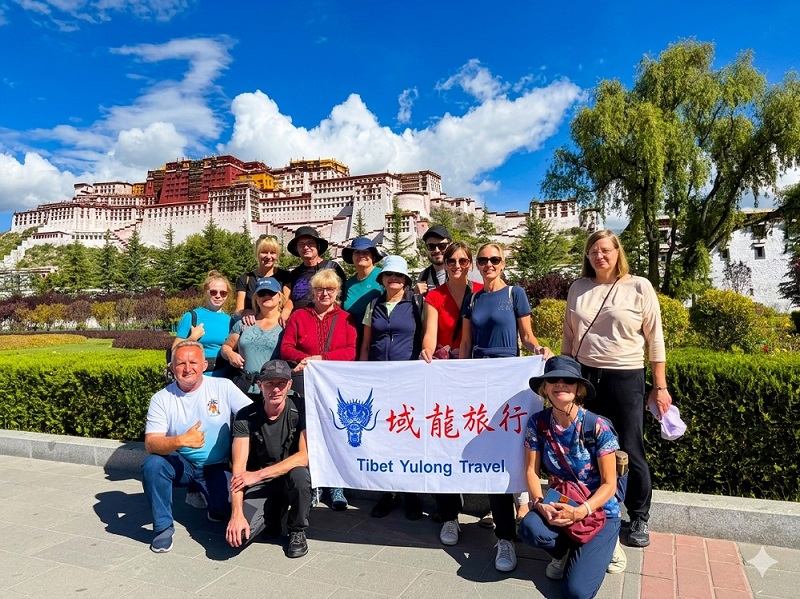
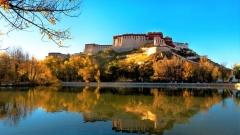
As a world cultural heritage site and Tibet’s iconic landmark, the Potala Palace is an indispensable part of foreign pilgrimage itineraries. Perched on Lhasa’s Red Hill, this grand palace complex houses countless precious Buddha statues, ancient scriptures, and Buddhist relics. Its magnificent architectural layout and golden rooftops symbolize the supreme status of Tibetan Buddhism on the plateau.
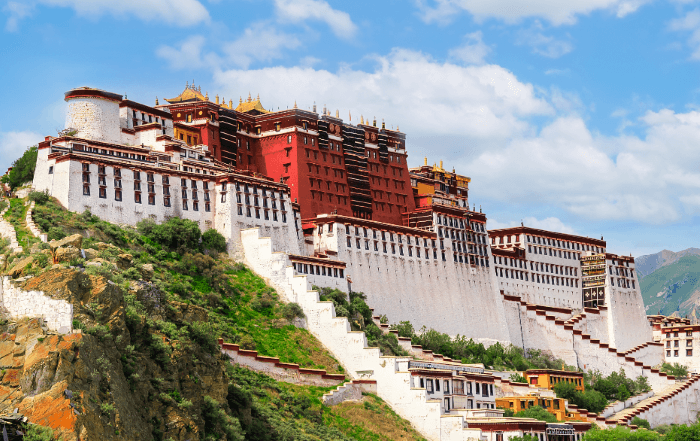
Potala Palace
Different from routine sightseeing, pilgrimage-style visits focus on quiet appreciation and spiritual perception. Visitors should follow guide arrangements to tour halls in order, admire well-preserved cultural relics, and experience the solemn religious heritage. Morning visits are highly recommended for soft natural light and a concentrated pilgrim atmosphere, avoiding crowded afternoon hours.
Authentic Pilgrimage Rituals for Foreign Visitors to Experience
The highlight of any Tibet monastery pilgrimage lies in participating in traditional local rituals, rather than simple photo-taking. These simple, sacred activities allow foreign travelers to integrate into local faith culture and gain genuine spiritual resonance.
Clockwise Kora Circumambulation
Clockwise circling is the most fundamental rule of Tibetan Buddhist pilgrimage. All sacred facilities, including temples, stupas, prayer wheels, and mani walls, must be circled clockwise, symbolizing the accumulation of good fortune and the elimination of troubles. Foreign visitors can join local pilgrims to complete the Jokhang Temple and Barkhor kora at a slow pace, calming the mind and experiencing the pious faith of local believers.
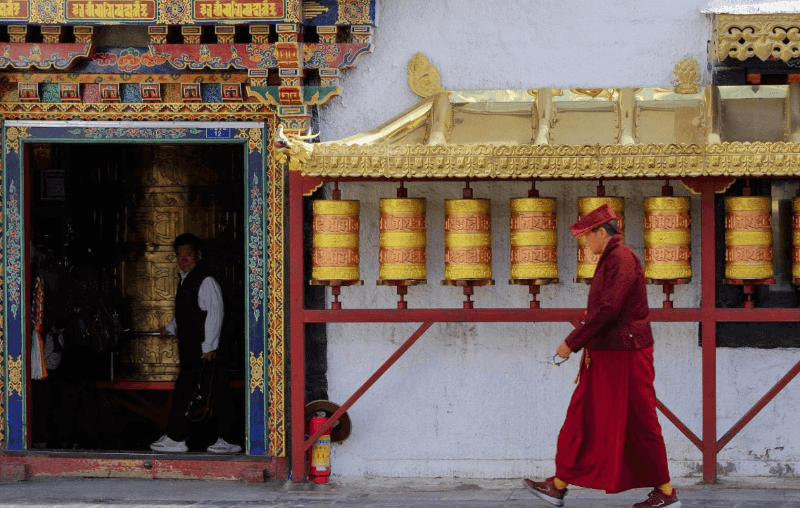
Barkhor Pilgrimage Circuit
Spinning Traditional Prayer Wheels
Carved with the six-syllable mantra, prayer wheels are spread across all major pilgrimage routes and monasteries. Local pilgrims believe each clockwise rotation equals one recitation of Buddhist scriptures. Foreign visitors can gently spin the prayer wheels along pilgrimage routes, strictly following the clockwise direction. This simple ritual helps travelers integrate into the local pilgrimage rhythm and feel the warmth of plateau faith.
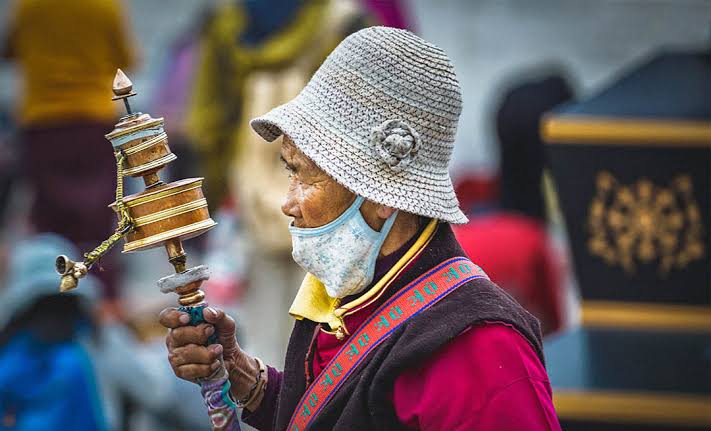
Lighting Sacred Butter Lamps
Butter lamps represent piety, hope, and peace in Tibetan Buddhism. Under professional guide supervision, foreign visitors can light butter lamps in designated monastery areas. The flickering flames symbolize dispelling darkness and blessing peace, offering travelers a quiet, sincere spiritual purification experience.
Essential Pilgrimage Etiquette and Rules for Foreigners
Respecting local religious etiquette is the core principle of a civilized Tibet monastery pilgrimage. Standard behaviors protect the sanctity of religious venues and ensure a harmonious travel experience for both visitors and local believers.
Modest Dress Code Requirements
Visitors must wear modest clothing that covers the shoulders and knees. Shorts, mini skirts, and strapless outfits are not allowed inside temple halls. Hats and sunglasses should be removed when entering inner shrines to show respect for Buddha and local religious traditions.
Quiet and Orderly Visiting Norms
All monastery areas require a quiet environment. Travelers should avoid loud talking, running, or noisy behaviors. Mobile phones should be set to silent mode. It is forbidden to touch Buddha statues, ancient scriptures, and religious instruments randomly, and stepping on temple thresholds is strictly prohibited in local culture.
Standard Photography Regulations
Most inner shrine halls ban photography and video recording. Foreign visitors must confirm shooting rules with tour guides in advance. Flash photography is entirely forbidden in monastery zones to prevent damage to ancient cultural relics and interference with ongoing religious activities.
Respect for Pilgrims and Monks
Travelers should not block the pilgrimage routes of local believers or disturb practicing lamas. Maintaining a polite, humble attitude during observation and communication is essential for cross-cultural respect.
Practical Tips to Enhance Your Pilgrimage Experience
To help foreign visitors gain an in-depth, comfortable Tibet Monastery Pilgrimage Experience for Foreign Visitors, we have summarized professional, field-tested travel tips for international tourists.
First, choose the optimal travel season. The best time for monastery pilgrimage is from May to October, with mild weather, sufficient oxygen, and beautiful plateau scenery. Winter tourism features fewer crowds and more primitive religious atmospheres, ideal for travelers pursuing pure spiritual immersion.
Second, book professional bilingual tour guides. Local experienced guides are proficient in religious culture, pilgrimage rituals, and etiquette norms. They can deliver accurate cultural explanations, helping foreign visitors understand the profound connotation behind temple architecture and rituals instead of superficial sightseeing.
Third, try in-depth local accommodation experiences. Standardized monastery homestays and local plateau residences allow travelers to experience the daily life of lamas and the quiet night atmosphere of sacred temples, creating exclusive and memorable travel memories.
Fourth, arrange a reasonable low-density itinerary. Avoid arranging excessive monastery visits in a single day. Plateau altitude fatigue will affect spiritual perception. It is recommended to visit 1 to 2 core monasteries daily, reserving sufficient time for slow walking, observation, and spiritual reflection.
Final Thoughts
A genuine Tibet Monastery Pilgrimage Experience for Foreign Visitors is far more than ordinary tourism—it is a precious cross-cultural spiritual journey. Wandering across the pure plateau land, exploring ancient sacred monasteries, following devout local pilgrims, and respecting traditional Tibetan Buddhist culture allow every international traveler to purify the mind, relieve urban impetuosity, and feel the timeless power of faith on the rooftop of the world.
With scientific pre-travel Tibet monastery pilgrimage preparation for foreign visitors, standardized guided arrangements, and sincere cultural respect, every overseas tourist can harvest a unique, profound, and unforgettable spiritual pilgrimage in Tibet’s sacred Buddhist lands.