The vast, windswept plains of the Qinghai-Tibet Plateau hold secrets that few travelers ever witness. Among the most magnificent of these is the Tibetan kiang, the largest wild ass species on Earth. For dedicated nature enthusiasts and photographers, Tibetan kiang wild ass wildlife spotting in northern Tibet represents one of the ultimate wilderness experiences. This remote region, characterized by its extreme altitude and untouched landscapes, provides a sanctuary where these striking animals roam freely in large herds. Unlike heavily commercialized safari destinations, observing wildlife here requires patience, preparation, and a deep respect for the fragile alpine ecosystem. The experience of watching a herd of kiangs galloping across the golden steppe, their reddish-brown coats contrasting sharply against the snow-capped mountains, is a memory that stays with you forever. This comprehensive guide covers everything you need to know to successfully plan your expedition into this extraordinary habitat.
✨ Highlights:
- Best seasons for kiang observation are late spring and autumn.
- The Changtang Nature Reserve is the primary habitat in northern Tibet.
- Maintain a safe distance of at least 300 meters from herds.
- High-altitude acclimatization is mandatory before traveling north.
- Professional local guides significantly increase sighting success rates.
Understanding the Tibetan Kiang: Biology and Behavior
To excel at Tibetan kiang wild ass wildlife spotting in northern Tibet, one must first understand the animal itself. The Tibetan kiang (Equus kiang) is a marvel of evolutionary adaptation, perfectly suited to survive in one of the harshest environments on the planet. Standing between 1.3 to 1.5 meters at the shoulder, they are robust, muscular animals with a distinctive appearance. During the summer months, their coat takes on a rich, vibrant reddish-brown hue, which gradually transitions to a thicker, paler sandy-brown in the winter to provide insulation against the brutal cold.
A defining characteristic of the kiang is the stark white underbelly and the dark, almost black dorsal stripe running from the mane to the tail. Their legs are relatively short but incredibly powerful, built for endurance rather than explosive speed, though they can easily reach speeds of up to 60 kilometers per hour when threatened. Unlike domestic donkeys or some other wild equids, kiangs have never been successfully tamed. They retain a fierce independence and a deep wariness of humans, which makes observing them in the wild both challenging and deeply rewarding.
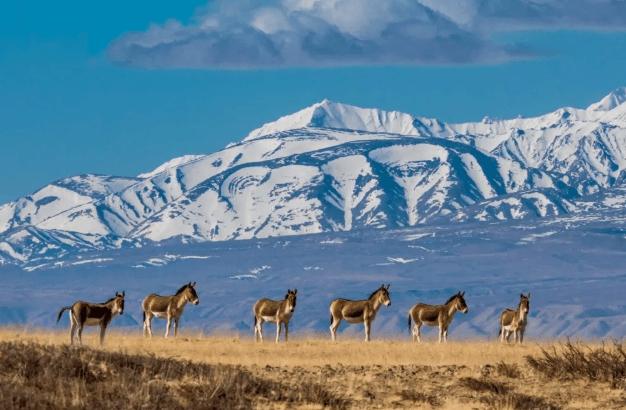
Behaviorally, kiangs are highly social animals. Outside of the breeding season, they form large herds that can sometimes number in the hundreds, particularly in areas where forage is abundant. These herds are typically led by an older, experienced female. Stallions tend to be solitary or form small bachelor groups, only joining the main herds during the mating season in late summer. Observing their social dynamics—the playful sparring of young males, the vigilant posture of the lead mare, and the synchronized movement of the herd across the plain—is a fascinating aspect of the wildlife experience.
Their daily routine revolves around grazing and accessing water. Kiangs primarily feed on grasses, sedges, and low-lying shrubs. They are crepuscular, meaning they are most active during the early morning and late afternoon hours. During the intense midday sun, even at high altitudes, they often rest in shallow depressions they dig into the ground. Understanding these behavioral patterns is crucial for anyone planning a successful wildlife spotting excursion.
Prime Habitats for Tibetan Kiang Wild Ass Wildlife Spotting in Northern Tibet
Northern Tibet, often referred to as the Changtang region, is the undisputed heartland of the Tibetan kiang. The word “Changtang” translates to “northern plain” in Tibetan, and it accurately describes this vast, elevated expanse of steppes, lakes, and rolling hills situated at an average elevation of over 4,500 meters. When focusing on Tibetan kiang wild ass wildlife spotting in northern Tibet, several specific zones offer the highest probability of encounters.
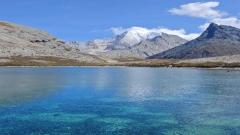
The Changtang National Nature Reserve is the most critical protected area for this species. Spanning hundreds of thousands of square kilometers, it is one of the largest nature reserves in Asia. Within this reserve, the areas surrounding the major saline and freshwater lakes are particularly productive. Lakes such as Siling Co, Namtso, and Dong Co act as vital watering holes. Because kiangs need to drink regularly, especially lactating females, the grasslands within a few kilometers of these lakeshores are prime locations for observation.

Siling Co Lake
Another exceptional area is the region stretching between Nagqu and the town of Nyima. The route connecting these settlements passes through classic kiang habitat—wide, open valleys flanked by arid mountains. Travelers moving along these remote roads frequently spot herds grazing in the middle distance. The Aru Basin, located further west in the Changtang, is also renowned for its dense populations of kiangs, alongside other rare species like the wild yak and the Tibetan antelope.
It is important to note that the habitat preferences of the kiang dictate where you should look. They favor flat or gently rolling terrain where they can utilize their keen eyesight to spot predators from afar. They generally avoid steep, rocky gorges or densely vegetated areas. Therefore, when scanning the landscape, focus your attention on the broad, sweeping grasslands and the gentle slopes leading down to water sources.
Best Seasons and Timing for Wildlife Spotting
Timing is everything when planning an expedition for Tibetan kiang wild ass wildlife spotting in northern Tibet. The extreme climate of the plateau means that accessibility and animal behavior change drastically throughout the year. Choosing the right season will significantly impact the quality of your experience and your chances of witnessing large herds.
Late spring, specifically May and June, is widely considered one of the best periods for wildlife observation. During this time, the harsh winter snows have mostly melted, revealing the fresh green shoots of alpine grasses. The kiangs are actively feeding to regain weight lost over the winter. Furthermore, this period coincides with the birthing season. Seeing young foals, with their fluffy, pale coats, keeping pace with their mothers is a highlight for any wildlife enthusiast. The weather in late spring is relatively stable, though sudden snow squalls are still possible.
Autumn, from September to early November, offers another excellent window. The summer rains have subsided, leaving the landscape crisp and clear. Visibility is at its peak, which is essential for spotting animals across vast distances. The herds begin to aggregate into larger groups as they prepare for the coming winter. The lighting during autumn is also spectacular for photography, with long, golden shadows stretching across the plains during the morning and evening hours.
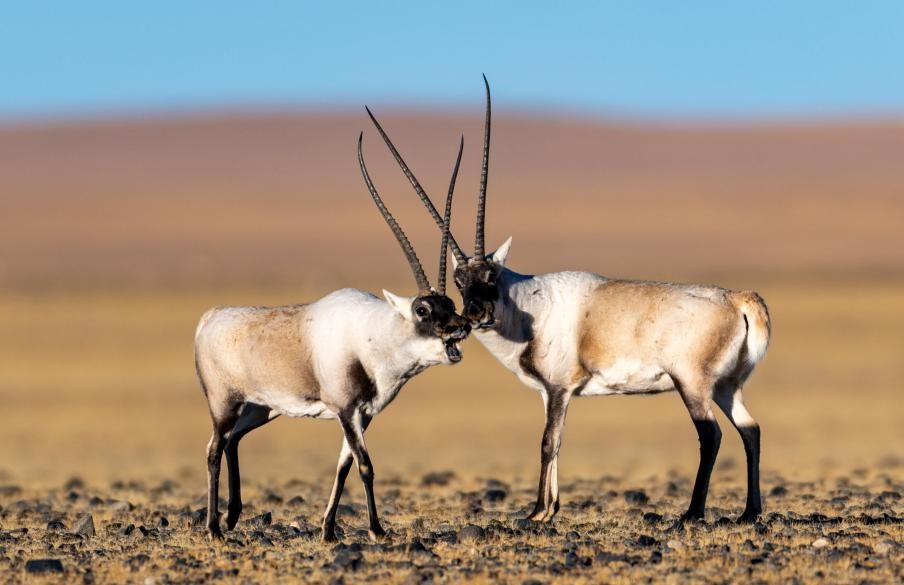
Tibetan antelope (chiru)
Winter (December to March) is exceptionally harsh. Temperatures routinely plummet well below minus thirty degrees Celsius, and heavy snowfall can block roads for weeks. While the contrast of the kiangs’ winter coats against the snow is visually stunning, the logistical challenges and physical risks make winter travel unsuitable for all but the most hardened expeditions. Summer (July and August) brings the monsoon rains, turning dirt tracks into impassable mud bogs and reducing visibility due to frequent cloud cover and rainstorms. Therefore, avoiding the extremes of summer and winter is advisable for most travelers.
Regarding the time of day, dawn and dusk remain the golden rules. Plan to be out of your vehicle and positioned in a good vantage point at least an hour before sunrise. The animals are moving, feeding, and interacting during these cooler parts of the day. By mid-morning, they often settle down to rest, making them much harder to spot and observe dynamically.
Essential Preparation and Logistics for Northern Tibet Travel
Embarking on a journey for Tibetan kiang wild ass wildlife spotting in northern Tibet is not a casual tourist endeavor; it is a serious expedition that demands meticulous preparation. The remoteness of the Changtang region means there is virtually no infrastructure once you leave the main towns. There are no hotels, no restaurants, no gas stations, and no cell phone signals in the deep wilderness.
First and foremost is the issue of permits. Foreign travelers cannot visit northern Tibet independently. You must obtain a Tibet Travel Permit, an Alien’s Travel Permit, and, crucially, special permits to enter the restricted military and border zones that overlap with much of the Changtang wildlife habitat. These permits must be arranged well in advance through a registered travel agency. Attempting to bypass this system will result in being turned back at checkpoints and potential legal consequences.
Acclimatization to high altitude is a non-negotiable safety requirement. Northern Tibet sits at elevations between 4,500 and 5,200 meters. Altitude sickness can be fatal if ignored. Travelers should spend at least three to four days acclimatizing in Lhasa (3,650 meters) or Nagqu (4,500 meters) before pushing further north. Ascending too quickly leads to Acute Mountain Sickness (AMS), High Altitude Pulmonary Edema (HAPE), or High Altitude Cerebral Edema (HACE). Carrying supplemental oxygen and medications like acetazolamide, under medical advice, is standard practice.
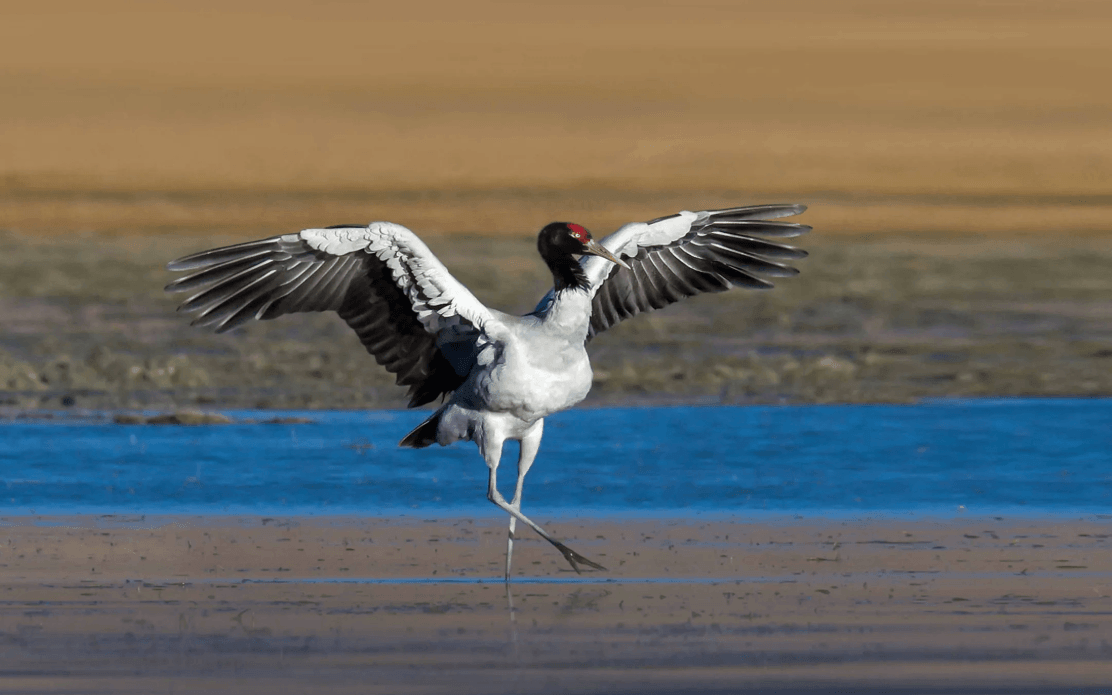
Black-Necked Crane
Your choice of transportation is critical. Standard two-wheel-drive vehicles are useless in the Changtang. You need a reliable, high-clearance 4×4 vehicle, ideally a Toyota Land Cruiser, which is the standard workhorse of the Tibetan plateau. You must carry multiple spare tires, extra fuel in jerry cans (enough for several hundred kilometers without resupply), basic mechanical tools, and recovery gear like shovels and traction boards. A satellite phone or GPS messenger device is highly recommended for emergencies.
Camping gear must be rated for extreme conditions. Four-season tents, sleeping bags rated to minus twenty degrees Celsius, and insulated sleeping pads are essential. Even in summer, nighttime temperatures on the northern plateau hover near freezing. You must also bring all your food and water purification methods, as natural water sources may contain parasites or high mineral content.
Given these immense logistical hurdles, partnering with an experienced operator is the smartest approach. Agencies like Tibet Yulong Travel specialize in organizing complex overland expeditions into remote areas of the plateau. They handle the intricate permit applications, provide seasoned local drivers who know the unpaved tracks intimately, and supply the necessary camping equipment and provisions. Utilizing a professional service like Tibet Yulong Travel ensures that your focus remains entirely on the wildlife and the landscape, rather than stressing over vehicle breakdowns or navigation errors in a featureless terrain.
Ethical Observation and Photography Guidelines
When engaging in Tibetan kiang wild ass wildlife spotting in northern Tibet, ethical conduct must be the foundation of your trip. The Changtang ecosystem is incredibly fragile, and the wildlife has evolved in an environment with minimal human interference. Our presence is an intrusion, and we must minimize our impact to ensure these animals continue to thrive.
The most important rule is maintaining a respectful distance. Kiangs are naturally wary. If a herd lifts its heads in unison, stops grazing, and stares directly at you, you are already too close. If they begin to trot away nervously, you have caused unnecessary stress. Use binoculars or telephoto lenses to bridge the gap rather than driving closer. A general guideline is to stay at least 300 meters away from large herds, and even further from solitary stallions or females with very young foals.
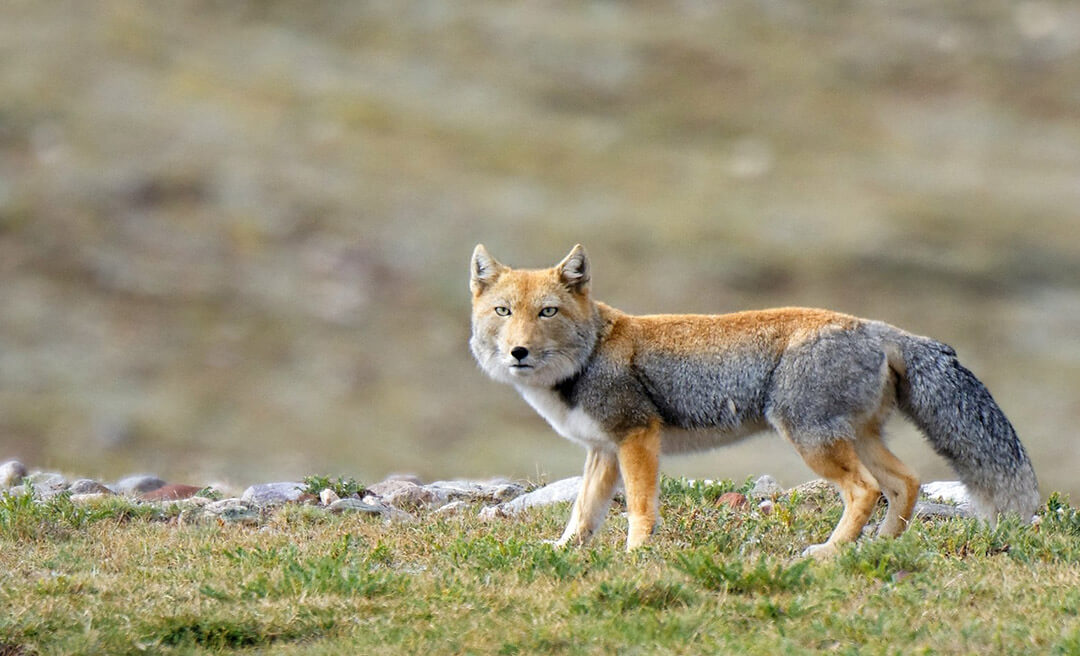
Tibet fox (Tibet sand fox)
Never chase wildlife with your vehicle. In the past, irresponsible tourists have driven parallel to running kiangs to get better photographs. This is not only illegal within nature reserves but also highly dangerous for the animals. Running at full speed expends precious energy reserves that the kiangs need to survive the harsh winters. It can also cause pregnant females to miscarry or separate young foals from their mothers. Always let the animals dictate the terms of the encounter.
Photography requires patience. Instead of trying to sneak up on a herd, find a vantage point near a known grazing area or water source, park your vehicle out of direct sight if possible, and wait quietly. Often, if you remain still and silent, the kiangs will eventually resume their activities and may even slowly graze their way closer to you out of curiosity. Using a lens of at least 400mm, preferably 600mm, is necessary to capture detailed images without encroaching on their space.
Leave No Trace principles apply strictly in the Changtang. Pack out every piece of trash, including organic waste. Do not drive off established tracks unless absolutely necessary, as tire ruts in the fragile alpine tundra can take decades to heal and disrupt the root systems of the sparse vegetation that the kiangs rely upon for food. Respect the nomadic herders who share this landscape; their livestock and the wild herbivores have coexisted for centuries, and disrupting this balance harms everyone.
Other Wildlife Encounters in the Changtang Region
While the primary goal may be Tibetan kiang wild ass wildlife spotting in northern Tibet, the Changtang region is a biodiversity hotspot for high-altitude fauna. A successful expedition usually yields sightings of several other remarkable species, adding layers of excitement to the journey.
The Tibetan antelope, or chiru, is perhaps the most famous co-inhabitant of the kiang. Known for their incredible migrations and the fine wool that unfortunately made them targets for poachers in the past, their populations have rebounded significantly due to strict conservation efforts. Seeing a group of male chiru with their long, slender black horns standing against the skyline is a breathtaking sight.
The wild yak (Bos mutus) is the giant of the plateau. Unlike their domesticated cousins, wild yaks are massive, dark, and formidable. Bulls can weigh over a ton. They tend to prefer slightly higher, more rugged terrain than the kiangs, but overlaps occur. Observing a herd of wild yaks moving slowly across a snowy valley commands instant awe and respect.
Predators are also present, though much harder to spot. The Tibetan wolf is the primary predator of the kiang, targeting the old, the sick, or the young. Spotting a wolf pack testing a herd of kiangs is a rare but dramatic wildlife event. Snow leopards inhabit the rocky fringes of the Changtang, while brown bears occasionally wander the plains searching for marmots or roots.
Birdlife is surprisingly diverse. The black-necked crane, a sacred bird in Tibetan culture, breeds in the wetlands of the Changtang. Bar-headed geese, Himalayan griffon vultures, and various species of larks and finches add movement and sound to the otherwise quiet landscape. Keeping a pair of high-quality binoculars ready ensures you do not miss the smaller details of this grand ecosystem.
Conservation Status and Protecting the Species
Understanding the conservation context enriches the experience of Tibetan kiang wild ass wildlife spotting in northern Tibet. Historically, the kiang faced threats from habitat degradation, competition with domestic livestock for scarce forage, and occasional hunting. However, the establishment of the Changtang Nature Reserve and stricter wildlife protection laws implemented by the Chinese government have greatly improved their status.
Today, the Tibetan kiang is listed as Least Concern on the IUCN Red List, a testament to successful conservation strategies in a challenging environment. Estimates suggest there are tens of thousands of individuals roaming the plateau. However, “Least Concern” does not mean invulnerable. Climate change poses a looming threat to the Qinghai-Tibet Plateau. Glacial retreat, changing precipitation patterns, and the warming of the permafrost could fundamentally alter the vegetation dynamics of the Changtang, potentially reducing the carrying capacity for large herbivores.
Furthermore, the expansion of infrastructure, such as new roads and fencing associated with pastoral management, can fragment habitats and block traditional migration routes. Responsible tourism plays a role in conservation by demonstrating the economic value of living wildlife to local communities. When nomadic herders see that travelers come specifically to view the kiangs and other animals, and when tourism revenue supports local economies, the incentive to protect these species increases.
Travelers should educate themselves on these issues before arriving. Supporting organizations that work on plateau conservation, respecting all reserve regulations, and sharing your experiences responsibly helps build global awareness for the preservation of this unique corner of the world.
Practical Tips for a Successful Expedition
To maximize your chances of successful Tibetan kiang wild ass wildlife spotting in northern Tibet, consider these practical field tips gathered from experienced plateau travelers and guides.
Dust is a constant companion in the Changtang. Protect your camera gear meticulously. Bring multiple lens cloths, air blowers, and sealable plastic bags. Changing lenses in the open wind is a recipe for getting dust on your sensor; try to zoom with a single versatile telephoto lens whenever possible.
Hydration is critical, even if you do not feel thirsty. The dry, thin air accelerates dehydration, which worsens altitude sickness symptoms. Drink several liters of water daily. Avoid alcohol entirely during the initial days of your expedition, as it depresses respiration and exacerbates altitude issues.
Learn to read the landscape. Kiangs often use the same trails to move between grazing grounds and water sources. Look for beaten paths in the grass, fresh droppings (which resemble those of a large horse), and areas where the grass has been cropped short. These signs indicate recent activity and suggest a good place to set up and wait.
Engage with your local guides. Drivers and guides provided by experienced agencies like Tibet Yulong Travel possess generational knowledge of the land. They know where the herds congregate in different seasons and can spot movement on the horizon that untrained eyes would miss. Trust their judgment regarding weather changes and route selections.
Finally, cultivate patience. Wildlife spotting is not a scheduled event. You may drive for hours seeing nothing but empty plains, and then suddenly crest a hill to find a hundred kiangs resting in a valley below. Embrace the vastness, the silence, and the sheer scale of northern Tibet. The reward of finally locking eyes with a wild kiang across the open steppe is worth every moment of waiting.