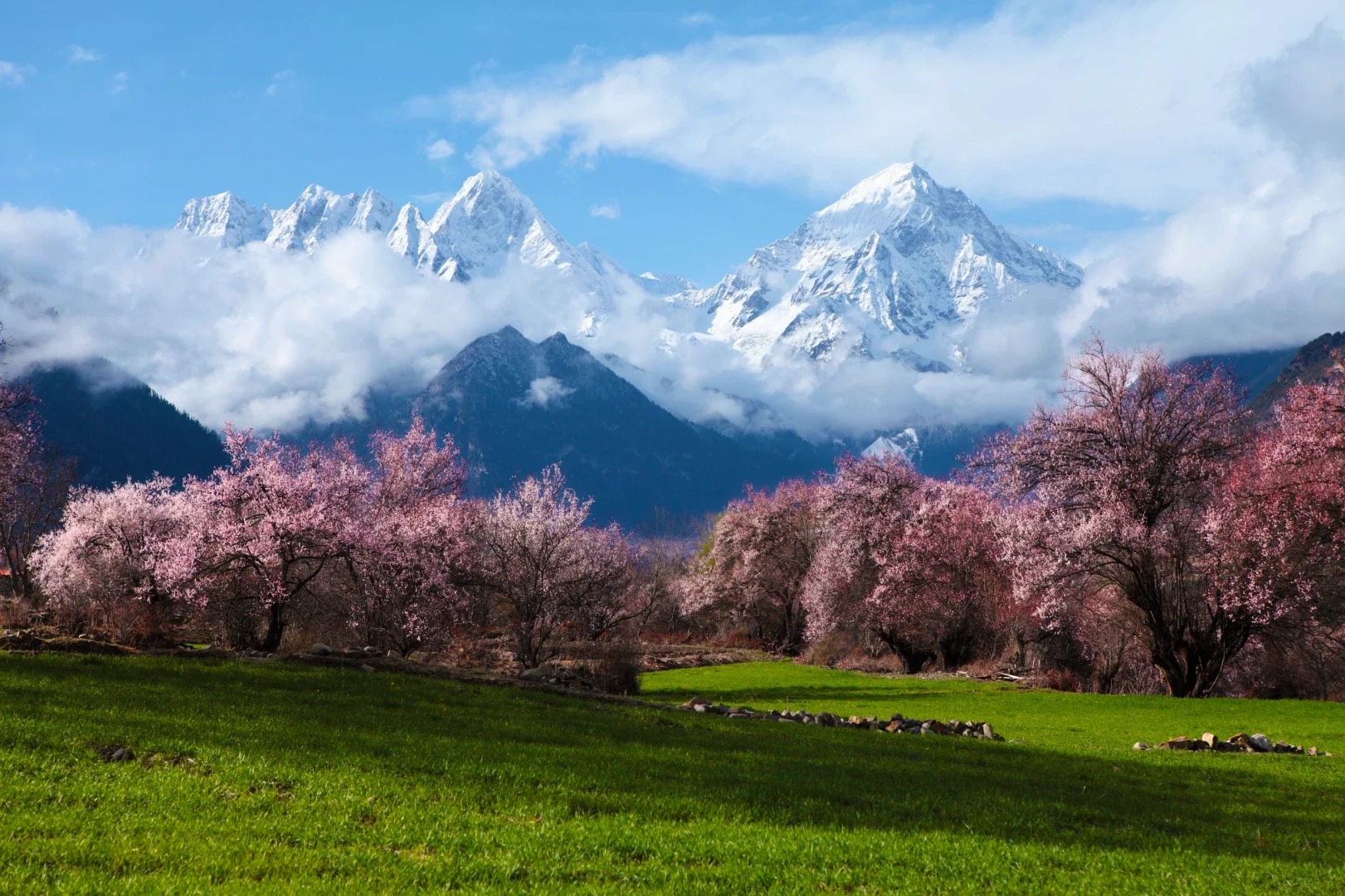
Traveling to the high plateaus of the Himalayas offers more than just breathtaking landscapes; it provides a gateway into one of the world’s most profound spiritual traditions. For many international travelers, participating in a meditation retreat at a Tibetan monastery for foreigners is a transformative experience that combines rigorous mindfulness practice with deep cultural immersion. These retreats allow visitors to step away from the noise of modern life and engage with ancient contemplative practices guided by experienced monks. Whether you are a seasoned meditator or a curious beginner, understanding the logistics, cultural expectations, and physical demands of such a journey is essential. Proper preparation ensures that your time spent within the monastery walls is both respectful to the local community and deeply beneficial to your personal growth.
Key Takeaways:
- Permits and travel documents require advance planning for foreign nationals.
- Physical acclimatization to high altitudes is mandatory before starting intensive practice.
- Monastic etiquette demands modest dress and strict adherence to daily schedules.
- Retreats range from silent Vipashyana styles to traditional Tibetan analytical meditation.
- Engaging specialized agencies like Tibet Yulong Travel simplifies complex logistical arrangements.
Understanding a Meditation Retreat at a Tibetan Monastery for Foreigners
A meditation retreat at a Tibetan monastery for foreigners is not merely a vacation with a spiritual theme; it is an immersive educational and contemplative experience. Historically, Tibetan monasteries were closed institutions, but over the past few decades, several have opened their doors to international practitioners. This shift was driven by a desire to share the Dharma globally and to foster cross-cultural understanding. When you join a program designed specifically for non-Tibetan participants, the curriculum is usually adapted to bridge language gaps while maintaining the integrity of the traditional teachings.
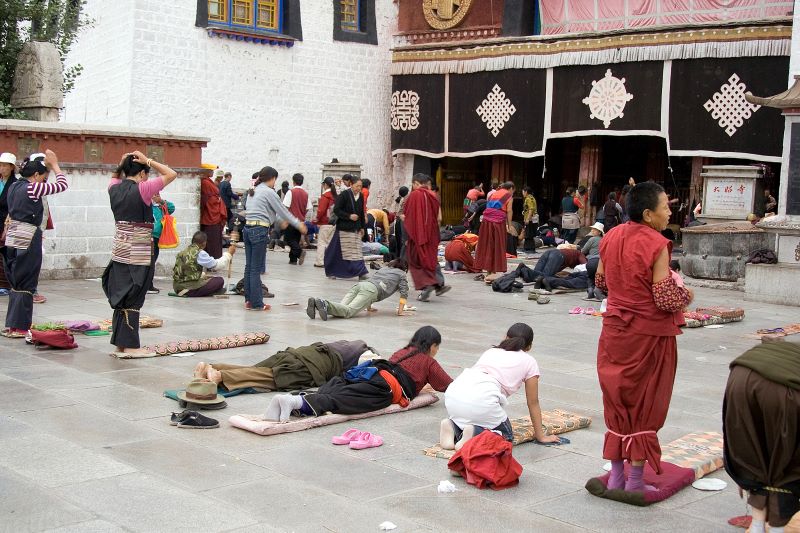
You can see many devotees worshipping at the entrance of Jokhang Temple.
These programs typically take place in designated guest houses or specific wings of the monastery, ensuring that foreign guests do not disrupt the daily religious obligations of the resident monks. The instruction is often provided by bilingual lamas or through translators who can convey the nuances of Tibetan Buddhist philosophy. Participants learn foundational practices such as Shamatha (calm abiding) to stabilize the mind, and Vipashyana (insight) to investigate the nature of reality. Some retreats also introduce preliminary practices known as Ngondro, which involve prostrations, mantra recitations, and mandala offerings. The environment is intentionally austere, stripping away modern distractions to force the practitioner inward. Silence is frequently maintained throughout the day, broken only during teaching sessions or necessary communications.
Choosing the Right Tibetan Monastery for Your Spiritual Journey
Selecting the appropriate venue is perhaps the most critical decision you will make when planning a meditation retreat at a Tibetan monastery for foreigners. Not all monasteries accept international guests, and those that do offer vastly different experiences based on their lineage, location, and facilities. The Gelug, Kagyu, Nyingma, and Sakya schools of Tibetan Buddhism each emphasize slightly different approaches to meditation. Researching these lineages helps align your personal spiritual goals with the monastery’s teachings.
Geography plays a massive role in your experience. Monasteries located within the Tibet Autonomous Region (TAR), such as those near Lhasa or Shigatse, offer unparalleled historical authenticity but come with stringent regulatory hurdles. Foreign nationals are not permitted to travel independently within the Xizang Autonomous Region. All visits must be arranged through a licensed local travel agency with the required Tibet Travel Permit. Tibetan Buddhist centres and monasteries in India and Nepal. Monasteries in Dharamsala, India, or Kathmandu, Nepal, provide easier access and established infrastructure for Westerners, often featuring comfortable guesthouses and English-speaking staff.
When evaluating options, consider the duration of the retreat. Some programs last a weekend, while others extend for weeks or even months. Beginners should start with shorter durations to gauge their tolerance for the silence, the diet, and the physical posture required for long sitting sessions. Look for monasteries that have a documented history of hosting foreigners, as they will have systems in place for dietary restrictions, medical emergencies, and cultural orientation.
Navigating Permits, Visas, and Logistics
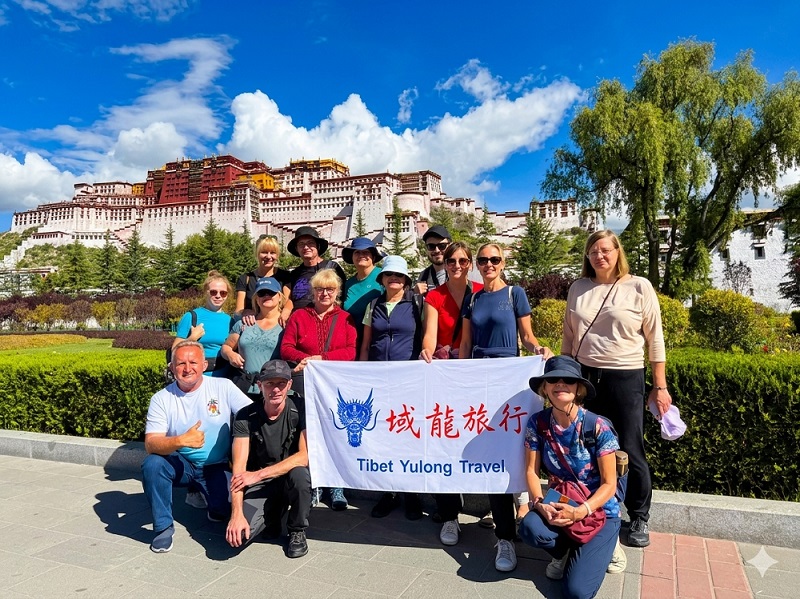
The bureaucratic landscape surrounding travel to Tibetan regions is complex, particularly for those intending to stay at a monastery for an extended period. If your chosen destination is within the Tibet Autonomous Region, you must obtain a Tibet Travel Permit in addition to your standard Chinese visa. This permit cannot be applied for individually; it must be processed through a registered travel agency. This is where partnering with experienced operators becomes invaluable. Agencies like Tibet Yulong Travel specialize in navigating these administrative waters, handling permit applications and arranging officially approved cultural visits to religious sites, in full compliance with local regulations.
For monasteries located in other Tibetan-populated areas of China, such as the Kham or Amdo regions, a standard Chinese tourist visa is generally sufficient, though certain sensitive areas may still require special alien travel permits. It is crucial to verify current entry requirements well in advance, as regulations can shift without much notice. If you are traveling to Tibetan monasteries in India or Nepal, the visa process is significantly more straightforward, usually involving a standard tourist visa or visa-on-arrival, depending on your nationality.
Logistics extend beyond paperwork. Transportation to remote monasteries often involves long journeys over rough terrain. Flights into high-altitude airports like Lhasa Gonggar or Daocheng Yading carry risks of immediate altitude sickness. Overland routes via train or bus allow for gradual acclimatization but require substantial time. Once you arrive, local transport might consist of shared jeeps or even hiking. Coordinating these moving parts requires meticulous planning. Ensuring you have reliable contacts on the ground—whether through your travel agency or the monastery’s liaison—is essential for a smooth arrival.
Preparing Physically and Mentally for High Altitude Contemplation
Undertaking a meditation retreat at a Tibetan monastery for foreigners means subjecting your body and mind to two simultaneous stressors: high altitude and intensive mental focus. Most authentic monasteries are situated at elevations ranging from 3,000 to over 4,500 meters above sea level. At these heights, oxygen levels are significantly depleted, leading to potential altitude sickness characterized by headaches, nausea, fatigue, and shortness of breath. Attempting to meditate deeply while your body is struggling for oxygen is counterproductive and potentially dangerous.
Physical preparation must begin months before your departure. Cardiovascular conditioning improves your body’s efficiency in utilizing oxygen. However, fitness alone does not guarantee immunity to altitude sickness. Upon arrival, you must build in several days of pure rest before beginning any formal retreat schedule. Hydration is paramount; drink significantly more water than you normally would. Avoid alcohol, heavy meals, and strenuous exercise during your first few days. Consulting a physician regarding prophylactic medications, such as acetazolamide, is highly recommended.
Mental preparation is equally vital. If you have never meditated before, attempting a multi-day silent retreat will likely result in frustration rather than enlightenment. Build a daily sitting practice at home in the months leading up to your trip. Start with fifteen minutes a day and gradually increase to an hour. Familiarize yourself with the specific techniques taught at your chosen monastery. Read foundational texts on Tibetan Buddhism to understand the philosophical context of the practices. This intellectual groundwork prevents confusion during teachings and allows you to dive directly into the experiential aspect of the retreat. Understand that boredom, physical discomfort, and emotional turbulence are normal parts of the process. Cultivating patience and self-compassion beforehand equips you to handle these inevitable challenges gracefully.
Daily Life and Schedule During the Monastery Retreat
Life inside a Tibetan monastery operates on a rhythm dictated by centuries of tradition, entirely divorced from the secular concept of weekends or holidays. When you commit to a meditation retreat at a Tibetan monastery for foreigners, you surrender your personal autonomy regarding time management. The day typically begins long before dawn. Wake-up calls often sound between 4:00 AM and 5:00 AM, signaled by conch shells, bells, or the chanting of monks echoing through the courtyards.
The morning usually commences with communal prayers or pujas in the main assembly hall. While foreigners may not be expected to know the liturgical chants, attendance is often required or strongly encouraged as a form of respect and participation. Following the morning service, breakfast is served. Expect simple, vegetarian fare—often tsampa (roasted barley flour) mixed with butter tea, porridge, or basic bread. The diet is designed to sustain the body without agitating the mind; heavy, spicy, or meat-based foods are generally avoided during intensive practice periods.
The core of the day consists of alternating meditation sessions and teachings. Sitting periods can last anywhere from forty-five minutes to two hours, interspersed with walking meditation to prevent blood clots and relieve joint stiffness. Teachings are delivered by resident lamas, focusing on texts, logic, or direct pointing-out instructions. Afternoons might include periods of free time, though this is meant for resting, reading Dharma books, or quiet reflection, not for exploring the town or using smartphones. Many retreats enforce strict technology bans, requiring guests to surrender phones and laptops upon arrival.
Evenings conclude with further chanting, dedication of merit, and a light dinner. Lights out is early, usually by 9:00 PM or 10:00 PM, ensuring adequate rest for the next pre-dawn awakening. The repetition is intentional. By removing the need to make decisions about what to eat, when to sleep, or how to spend your time, the mind is freed to focus entirely on the object of meditation. Embracing this rigid structure, rather than fighting it, is the key to unlocking the benefits of the retreat.
Cultural Etiquette and Respecting Monastic Traditions
Entering a Tibetan monastery as a foreign guest carries a profound responsibility to honor the sacred space and its inhabitants. Ignorance of local customs is rarely accepted as an excuse for disrespectful behavior. Dress codes are strictly enforced. Both men and women must wear modest clothing that covers the shoulders and knees at all times. Loose-fitting, layered garments are ideal, as temperatures fluctuate wildly between sun and shade, and between day and night. Avoid bright, flashy colors or clothing with offensive slogans; neutral, earthy tones are preferred.
Physical interaction follows specific protocols. Never touch a monk or nun, especially those of the opposite sex. When receiving a blessing, a text, or even a cup of tea from a lama, use both hands as a sign of reverence. Pointing your feet toward an altar, a statue, or a senior monk is considered highly offensive; always sit cross-legged or tuck your feet beneath you. Photography is another area requiring extreme caution. Always ask for explicit permission before photographing monks, interior shrine rooms, or rituals. In many cases, photography inside temples is strictly forbidden to protect ancient murals from flash damage and to maintain the sanctity of the space.
Dining etiquette also reflects Buddhist principles. Do not waste food. Eat silently if the retreat mandates noble silence. When offered butter tea, it is polite to accept it; if you do not want more, leave your cup partially full rather than refusing outright, which can be seen as rejecting hospitality. Understanding the concept of karma and merit is helpful. Monks dedicate their lives to accumulating merit for the benefit of all sentient beings. By behaving respectfully, supporting the monastery financially through donations, and practicing diligently, you contribute positively to this ecosystem rather than acting as a mere tourist extracting an experience.
Practical Tips for a Successful Meditation Retreat at a Tibetan Monastery for Foreigners
Cultural visits, guided introduction to Tibetan Buddhist meditation traditions, short quiet observation sessions. First, pack appropriately for the climate and the practice. Bring a high-quality meditation cushion or zafu if you have specific ergonomic needs, as monastery cushions may be too firm or flat for unaccustomed bodies. Thermal base layers, a heavy down jacket, warm socks, and a beanie are essential, even in summer, because stone monastery buildings retain cold and heating is minimal or non-existent.
Health and hygiene demand proactive management. Bring a comprehensive personal medical kit including painkillers, gastrointestinal medication, blister plasters, and any prescription drugs you require. Pharmacies in remote mountain towns may not stock familiar brands or specific medications. Wet wipes and hand sanitizer are crucial, as running hot water for bathing might only be available on specific days or not at all. Protect your skin and eyes from the intense ultraviolet radiation found at high altitudes by packing high-SPF sunscreen, lip balm, and polarized sunglasses.
Financially, do not rely on credit cards or ATMs once you leave major cities. Bring sufficient cash in local currency to cover donations, incidental purchases, and emergencies. Monasteries operate on dana (generosity); while some structured retreats have fixed fees, contributing generously supports the maintenance of the temple and the education of young monks. Finally, manage your expectations. Enlightenment is unlikely to occur over a two-week trip. Approach the retreat with humility, a willingness to be uncomfortable, and an open heart. The true value lies in the tools and perspectives you acquire, which you then integrate into your daily life long after you have descended from the mountains. Utilizing professional services like Tibet Yulong Travel can alleviate the stress of logistics, allowing you to focus entirely on your inner journey from the moment you depart until you return home.