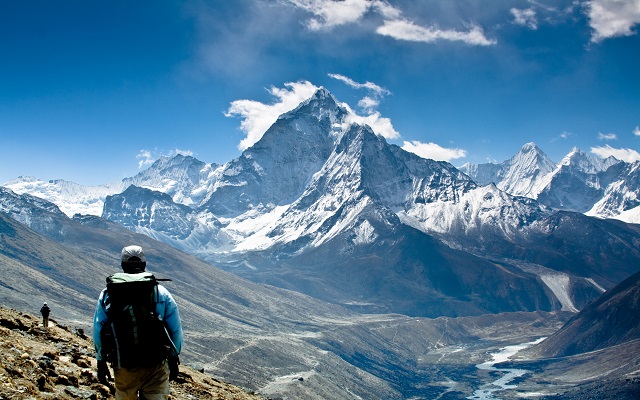
The journey from Ganden Monastery to Samye Monastery stands as one of the most celebrated hiking routes on the Tibetan Plateau. For decades, adventurers have sought out this path to experience raw mountain landscapes, ancient spiritual sites, and the profound silence of high-altitude wilderness. Planning a successful journey requires careful attention to logistics, physical preparation, and route knowledge. A well-structured Ganden to Samye classic trek camping itinerary ensures that hikers can navigate the demanding terrain safely while fully absorbing the cultural and natural beauty along the way. Whether you are a seasoned mountaineer or an enthusiastic trekker looking for your next great challenge, understanding the nuances of this route is essential. The following guide breaks down every aspect of the journey, providing actionable insights to help you prepare for one of the most rewarding outdoor experiences in Asia.
✨ Highlights:
- The trek typically takes 4 to 5 days to complete.
- Altitudes range from 3,800 meters to over 5,200 meters.
- Independent hiking requires specific travel permits.
- Camping gear must be rated for sub-zero temperatures.
- Acclimatization before starting the trail is mandatory.
Understanding the Ganden to Samye Classic Trek Camping Itinerary
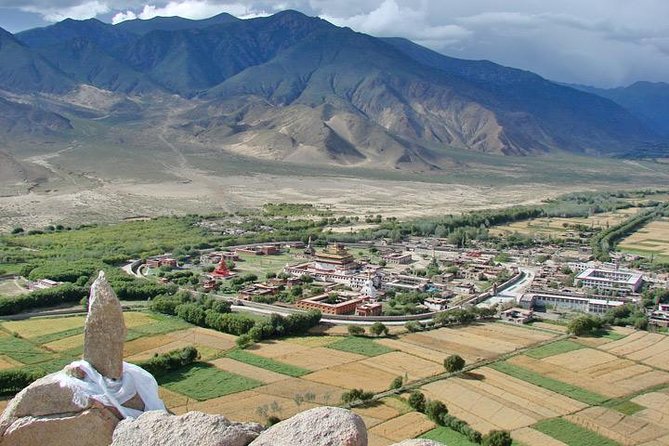
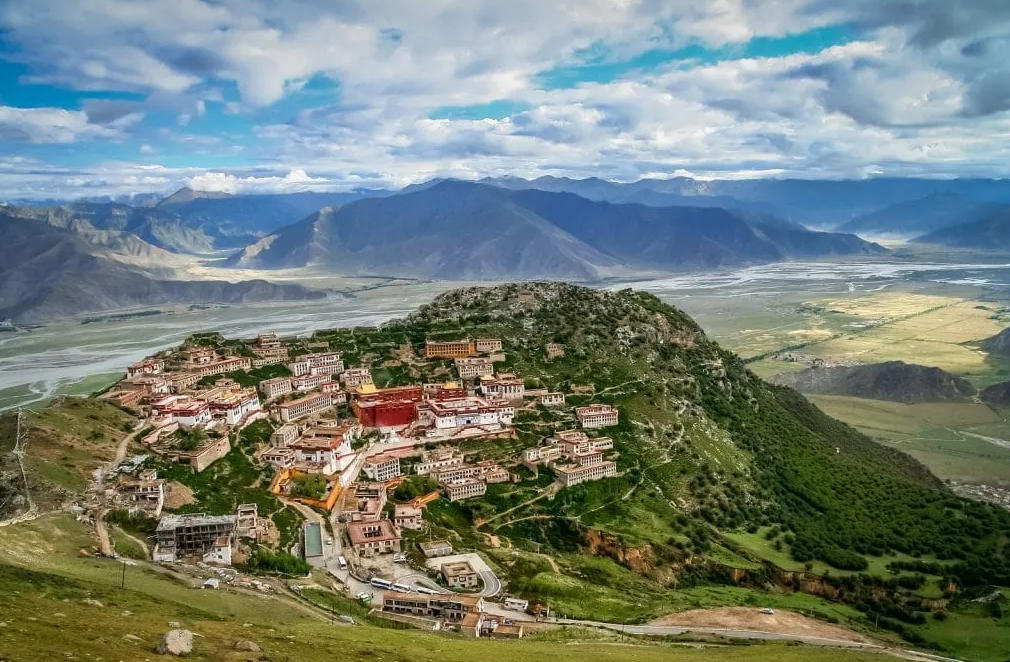
Before lacing up your boots, it is crucial to understand what makes the Ganden to Samye classic trek camping itinerary so unique. This route connects two of the most historically significant monasteries in Tibet. Ganden Monastery, perched on the slopes of Wangbur Mountain, was founded in the early 15th century and serves as the traditional seat of the Gelug school of Tibetan Buddhism. Samye Monastery, located in the Yarlung Tsangpo river valley, holds the distinction of being the first Buddhist monastery built in Tibet. Walking between these two sacred sites offers a pilgrimage-like experience, blending physical endurance with deep cultural immersion.
The total distance of the trek is approximately 80 kilometers, though the exact mileage varies depending on the specific trails chosen by your guides or the natural shifts in the landscape. The terrain is incredibly diverse. Hikers will traverse alpine meadows carpeted with wildflowers during the warmer months, cross rocky moraines left behind by retreating glaciers, and ascend steep ridges that offer panoramic views of the surrounding high Tibetan mountain ranges. Because there are no guesthouses or tea houses along the core sections of the trail, carrying all necessary supplies and setting up camp each night is a fundamental part of the experience. This self-sufficient style of travel demands thorough preparation and a clear understanding of the daily distances involved.
When to Embark on Your High-Altitude Adventure
Timing plays a massive role in the success and enjoyment of this trek. The Tibetan Plateau experiences harsh winters, making the colder months unsuitable for camping at high elevations. The optimal window for following a Ganden to Samye classic trek camping itinerary falls between late May and mid-October. Within this broader period, there are distinct seasonal variations to consider.
Late spring to early summer brings blooming rhododendrons and lush green valleys. However, this period also marks the beginning of the monsoon season, which can introduce afternoon rain showers and occasional cloud cover that obscures mountain peaks. Mid-autumn, specifically September and early October, is widely regarded as the best time to hike. During these weeks, the skies are generally crystal clear, offering unobstructed views of the snow-capped peaks, and the daytime temperatures are comfortable for walking. Nighttime temperatures will still drop below freezing at higher camps, but the lack of heavy precipitation makes camping significantly more manageable. Regardless of when you choose to go, weather in the mountains is inherently unpredictable, and trekkers must always be prepared for sudden changes in conditions.
Detailed Day-by-Day Route Breakdown
A standard Ganden to Samye classic trek camping itinerary spans four to five days, allowing for a steady pace that respects the challenges of high altitude. Rushing through the route increases the risk of acute mountain sickness and diminishes the overall experience. Below is a comprehensive breakdown of the typical daily progression.
Day 1: Lhasa to Ganden Monastery and Initial Acclimatization
Most journeys begin in Lhasa, where trekkers should ideally spend several days acclimatizing to the elevation of 3,650 meters. On the first official day of the trekking schedule, you will drive from Lhasa to Ganden Monastery, a journey that takes roughly an hour and a half. Upon arrival, instead of immediately setting off into the wilderness, it is highly recommended to spend the day exploring the monastery complex. Walking around the kora (pilgrimage circuit) of Ganden helps your body adjust to the altitude, which sits around 4,300 meters. You will sleep either in a local guesthouse near the monastery or set up your first camp nearby, preparing your gear for the days ahead.
Day 2: Ganden Monastery to Yama Do Camp
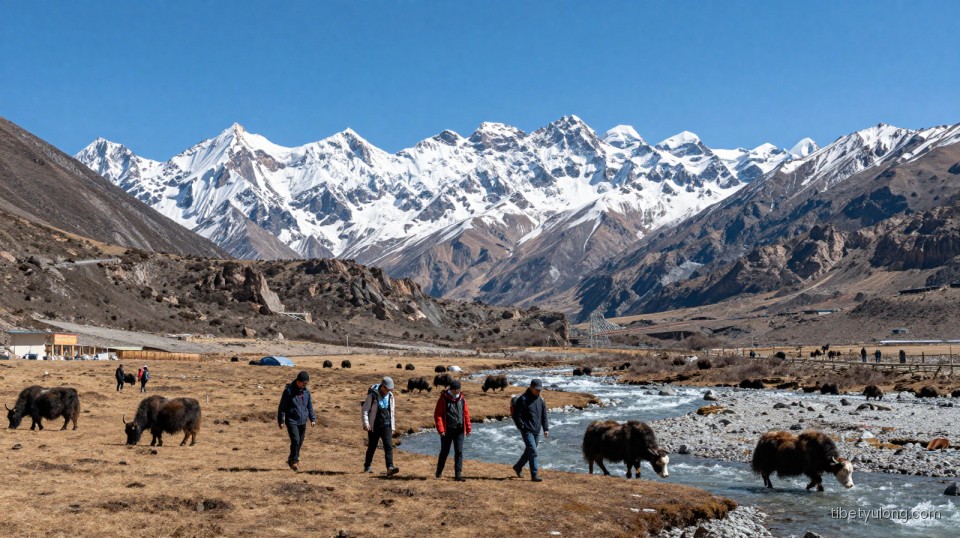
The true hiking begins on the second day. Leaving Ganden, the trail initially climbs steadily through shrubland and rocky terrain. The ascent is gradual but persistent, testing your cardiovascular endurance as you push above 4,500 meters. After several hours of walking, the trail enters a beautiful, wide valley where herders often graze their yaks during the summer months. The destination for the day is typically the Yama Do camping area, situated near a small stream that provides a vital water source. The walking time for this day usually ranges from five to six hours, covering roughly 12 to 15 kilometers. Setting up camp at Yama Do allows you to rest and hydrate before tackling the highest passes the following day.
Day 3: Crossing the Shuga La Pass to Tsotup Chu Valley
This is widely considered the most challenging and rewarding day of the entire Ganden to Samye classic trek camping itinerary. You will wake up early to begin the ascent toward the Shuga La pass, which reaches a staggering elevation of approximately 5,200 meters. The climb is steep, and the thin air makes every step feel heavier than the last. Trekkers must maintain a slow, rhythmic pace, listening closely to their bodies. Reaching the summit of the pass is a monumental achievement, rewarded by breathtaking views of jagged peaks, turquoise alpine lakes, and vast stretches of untouched wilderness. After spending some time at the top, the route descends sharply into the Tsotup Chu valley. The descent requires careful footing on loose scree and rocky paths. Camp is usually established in the lower valley, where the elevation drops back to a more comfortable level, providing much-needed relief for the lungs.
Day 4: Tsotup Chu Valley to Ani Pagong Nunnery Area
The fourth day offers a welcome change of pace. The trail follows the river through the Tsotup Chu valley, characterized by relatively flat and easy walking compared to the previous day’s grueling pass crossing. The scenery shifts dramatically as you descend into lower elevations. Lush vegetation replaces the barren rocks, and the sound of rushing water accompanies your steps. Along the way, you may encounter local nomadic families tending to their livestock. The day’s endpoint is often near the Ani Pagong Nunnery or a designated camping ground further down the valley. This section of the trek highlights the ecological diversity of the region, transitioning from alpine tundra to rich forested areas. Walking time is generally around five to seven hours, covering a longer distance due to the flatter terrain.
Day 5: Final Descent to Samye Monastery
The final day of the trek involves a continuous descent toward the Yarlung Tsangpo River basin. As you lose elevation rapidly, the air becomes thicker and noticeably warmer. The trail winds through dense forests, passing small villages and agricultural terraces where locals cultivate barley and other hardy crops. The anticipation builds as you approach the end of the route. Finally, the golden roofs of Samye Monastery come into view, signaling the completion of your journey. Arriving at Samye is a deeply satisfying moment. Many trekkers choose to spend the remainder of the day resting and exploring the unique mandala-inspired architecture of the monastery before arranging transport back to Lhasa or Tsetang.
Essential Gear and Packing List for the Trail
Executing a Ganden to Samye classic trek camping itinerary successfully relies heavily on having the right equipment. Because you are entirely self-sufficient between monasteries, every item in your pack must serve a purpose. Weight management is critical; carrying unnecessary items at altitudes exceeding 5,000 meters will quickly drain your energy.
Your shelter system must be robust. A four-season tent capable of withstanding strong winds and potential snowfall is non-negotiable. Pair this with a sleeping bag rated for at least -15°C (5°F) and a high-quality insulated sleeping pad to protect against the frozen ground. Clothing should follow a strict layering system. Start with moisture-wicking base layers, add insulating mid-layers like fleece or down jackets, and finish with a waterproof and windproof outer shell. Sturdy, broken-in hiking boots with excellent ankle support are essential for navigating the rocky, uneven terrain of the Shug La Pass. The route crosses two high passes above 5,000m: Shug La and Chitu La.
For cooking and hydration, bring a reliable multi-fuel stove, as standard canister stoves often fail in extreme cold and high altitude. Pack enough fuel for the duration of the trek, along with lightweight pots, utensils, and water purification tablets or a filtration system. Relying solely on boiling water consumes too much fuel over multiple days. Other critical items include trekking poles to reduce strain on your knees during steep descents, a comprehensive first-aid kit, high-SPF sunscreen, UV-protection sunglasses, and a headlamp with extra batteries. If you are traveling with a support team, pack animals or porters will carry the bulk of the communal gear, but your personal daypack should still contain water, snacks, rain gear, and warm layers.
Navigating Permits and Travel Regulations
Foreign travelers cannot simply arrive at the trailhead and start walking. Navigating the bureaucratic requirements is a major component of planning a Ganden to Samye classic trek camping itinerary. First and foremost, all foreign nationals require a Tibet Travel Permit to enter the Tibet Autonomous Region. This permit is issued by the local tourism authorities and can only be obtained through a registered travel agency.
A Panoramic View of Samye Monastery
Beyond the Tibet Travel Permit, an Alien’s Travel Permit (PSB permit) is required for this trek, as it travels through remote areas of Shannan Prefecture. A Military Permit is only needed for border or specially restricted zones and is not required for the classic Ganden–Samye route. Permit rules are subject to sudden change, your licensed agency will confirm the latest requirements before departure. Furthermore, independent travel is not permitted in Tibet; foreign visitors must be part of an organized tour accompanied by a licensed local guide. Attempting to bypass these regulations can result in denied entry, fines, or removal from the region. Working with an experienced operator ensures that all paperwork is handled correctly and efficiently, allowing you to focus on the physical and mental preparation for the hike rather than administrative hurdles.
Physical Preparation and Altitude Sickness Prevention
The physical demands of this route cannot be overstated. While technical climbing skills are not required, exceptional cardiovascular fitness and muscular endurance are. In the months leading up to your departure, engage in regular aerobic exercises such as running, cycling, or swimming. More importantly, incorporate long hikes with a weighted backpack into your training regimen. Simulating the conditions of the trail—walking uphill for several hours with weight on your back—is the best way to prepare your muscles and joints.
Altitude sickness, or Acute Mountain Sickness (AMS), is the most significant health risk on the Ganden to Samye classic trek camping itinerary. Symptoms include severe headaches, nausea, dizziness, fatigue, and shortness of breath. Prevention starts before you even reach the trailhead. Spend at least three to four days in Lhasa prior to the trek, avoiding strenuous activity, alcohol, and heavy meals while your body adjusts to the baseline elevation. Once on the trail, adhere to the golden rule of high-altitude trekking: climb high, sleep low, and never rush. Hydration is equally critical; drink at least three to four liters of water daily, even if you do not feel thirsty. Many trekkers consult their physicians before the trip regarding prophylactic medications like acetazolamide, which can aid acclimatization. If severe symptoms develop, particularly signs of High Altitude Pulmonary Edema (HAPE) or Cerebral Edema (HACE), immediate descent is the only effective treatment.
Choosing Between Guided Tours and Support Teams
Given the regulatory environment and logistical complexities, organizing a Ganden to Samye classic trek camping itinerary almost always involves hiring a support team. Even if you prefer to walk without a guide constantly by your side, you will need pack animals—typically yaks or horses—and handlers to transport tents, food, and cooking equipment. Managing pack animals at high altitudes requires specialized local knowledge that most international visitors simply do not possess.
Reputable local operators provide immense value beyond basic logistics. Companies with deep roots in the region, such as Tibet Yulong Travel, specialize in crafting seamless trekking experiences. By leveraging their expertise, travelers gain access to well-maintained equipment, knowledgeable guides who understand the subtle shifts in mountain weather, and cooks who can prepare nutritious meals at high camps. An experienced agency handles the intricate web of permits, arranges reliable transportation to and from the trailheads, and ensures that emergency protocols are in place. Partnering with a professional team transforms a potentially stressful logistical challenge into a smooth, immersive adventure, allowing you to direct all your energy toward enjoying the spectacular landscapes.
Cultural Etiquette and Environmental Responsibility
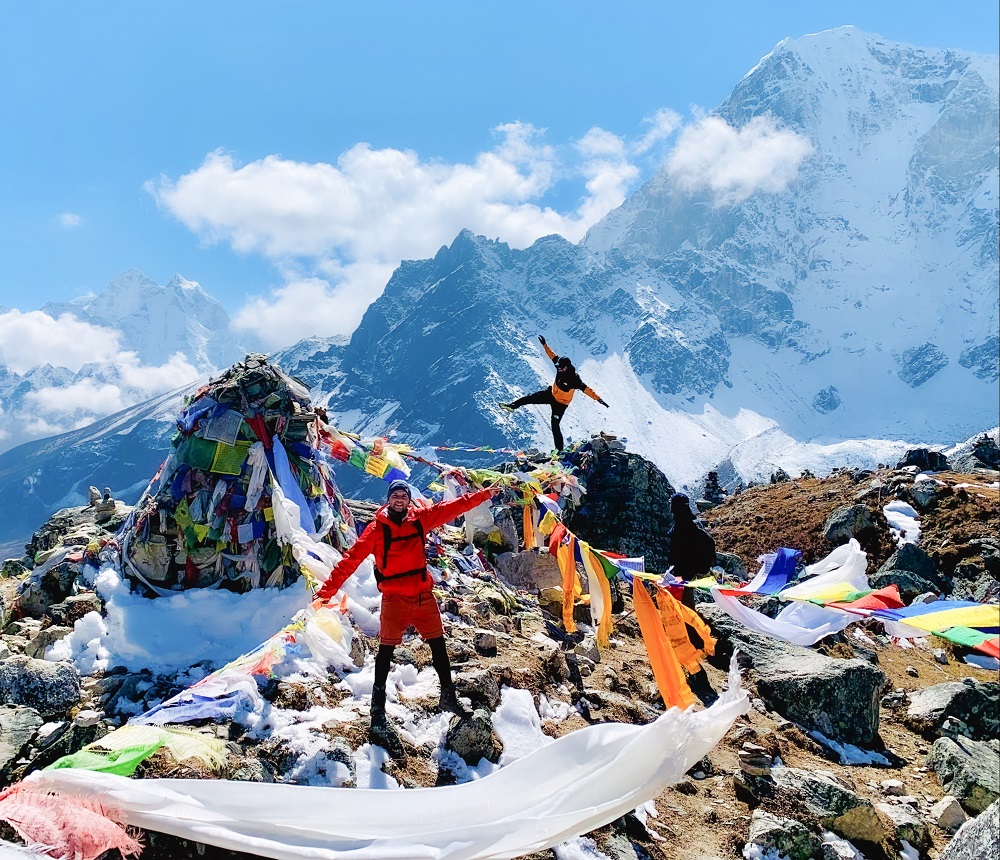
Walking the path between Ganden and Samye means stepping into a deeply spiritual landscape. The mountains, passes, and valleys are considered sacred by the local Tibetan population. Respecting this cultural context is paramount. When passing mani stones (rocks carved with Buddhist mantras), stupas, or prayer flags, always keep them to your left, moving in a clockwise direction, which aligns with traditional pilgrimage practices. Never sit on or step over religious artifacts. If you encounter local herders or monks along the trail, greet them respectfully. Asking for permission before taking photographs of individuals or their livestock is a basic courtesy that goes a long way in building positive interactions.
Ganden Monastery
Environmental stewardship is equally important. The fragile alpine ecosystem recovers very slowly from damage. Adhere strictly to Leave No Trace principles throughout your Ganden to Samye classic trek camping itinerary. Pack out all trash, including organic waste like food scraps, which can disrupt local wildlife diets and take a long time to decompose at high altitudes. Use established camping spots whenever possible to avoid trampling delicate vegetation. When nature calls, dig a cathole at least 15 centimeters deep and far away from any water sources. Human waste management is a serious concern on popular trekking routes, and responsible behavior ensures that the trail remains pristine for future generations of hikers.
Nutrition and Hydration Strategies on the Trail
Maintaining adequate nutrition at high altitudes is notoriously difficult. As elevation increases, the human appetite naturally suppresses, yet caloric expenditure skyrockets due to the effort of walking and the body’s increased metabolic rate to process thinner air. Planning your meals carefully is a vital part of any Ganden to Samye classic trek camping itinerary. Focus on calorie-dense, easily digestible foods. Carbohydrates should form the foundation of your diet, as they require less oxygen to metabolize compared to fats and proteins. Instant oatmeal, rice, noodles, and dried fruits are excellent staples.
If you are traveling with a cook provided by your support team, they will likely prepare warm, hearty meals such as vegetable soups, noodle dishes, and Tibetan staples like tsampa (roasted barley flour). Warm meals significantly boost morale after a freezing night in a tent. For snacks during the walking hours, keep nuts, chocolate, energy bars, and hard candies easily accessible in your pockets or the hip belt of your backpack. Hydration must be proactive. Do not wait until you are thirsty to drink. Adding electrolyte powders to your water helps replace salts lost through heavy breathing and sweating, preventing cramps and fatigue. Avoid alcohol entirely during the trek, as it accelerates dehydration and exacerbates the symptoms of altitude sickness.
Emergency Protocols and Communication
Despite meticulous planning, emergencies can occur in remote mountain environments. Cell phone coverage along the Ganden to Samye trail is virtually nonexistent outside of the immediate vicinity of the monasteries and certain high ridges. Therefore, relying on standard mobile networks for communication is not a viable safety strategy. Professional trekking groups typically carry satellite phones or satellite messengers, allowing guides to contact emergency services or coordinate evacuations if a trekker becomes seriously ill or injured.
Before departing, ensure that your travel insurance explicitly covers high-altitude trekking and emergency medical evacuation via helicopter. Many standard travel insurance policies exclude activities above 4,000 or 5,000 meters. Read the fine print carefully. Familiarize yourself with the symptoms of severe altitude illness and establish a clear protocol with your guide regarding when to turn back. There is no shame in abandoning the trek if your health is compromised; the mountains will always be there. A comprehensive emergency plan, combined with the expertise of local professionals like those at Tibet Yulong Travel, provides a critical safety net that allows you to undertake this demanding adventure with greater peace of mind.