Lhasa is a city where spirituality and daily life intertwine seamlessly, and nowhere is this more evident than in its kitchens. For travelers seeking a deeper connection with the culture, participating in a Tibetan cooking class in Lhasa learn momos and thukpa offers an unforgettable immersion into the region’s culinary heritage. Rather than simply eating at a restaurant, you step behind the stove, working alongside local cooks who have perfected these recipes over generations. The experience transforms your understanding of high-altitude cuisine, revealing how simple ingredients are elevated through technique and tradition. From kneading dough for delicate dumplings to simmering rich, spiced broths, every step tells a story of survival, adaptation, and celebration on the roof of the world.
✨ Highlights:
- Hands-on instruction for making traditional Tibetan dumplings.
- Techniques for preparing authentic, warming noodle soup.
- Insights into high-altitude ingredients and local markets.
- Cultural exchange with experienced home cooks and chefs.
- Practical tips for recreating Himalayan dishes at home.
Why a Tibetan Cooking Class in Lhasa Learn Momos and Thukpa is Essential
Travelers often return from Tibet with vivid memories of towering monasteries and vast landscapes, but the flavors of the plateau frequently remain a mystery. Booking a Tibetan cooking class in Lhasa learn momos and thukpa bridges the gap between sightseeing and true cultural understanding. Food is the most accessible gateway into any society, and Tibetan cuisine is uniquely shaped by its extreme environment. At an elevation exceeding 3,600 meters, water boils at a lower temperature, which fundamentally alters cooking times and methods. Understanding these environmental constraints helps you appreciate why certain dishes evolved the way they did.
When you learn to cook these staple dishes, you are not just following a recipe; you are participating in a living tradition. Momos and thukpa are not merely tourist attractions—they are daily sustenance for locals. By mastering them, you gain a profound respect for the resourcefulness of the Tibetan people. Furthermore, these classes provide a relaxed, joyful environment to interact with locals outside the typical tourist-guide dynamic. You share laughs over misshapen dumplings, trade stories while waiting for broth to simmer, and ultimately sit down together to enjoy the fruits of your labor. This communal aspect of dining is central to Tibetan hospitality.
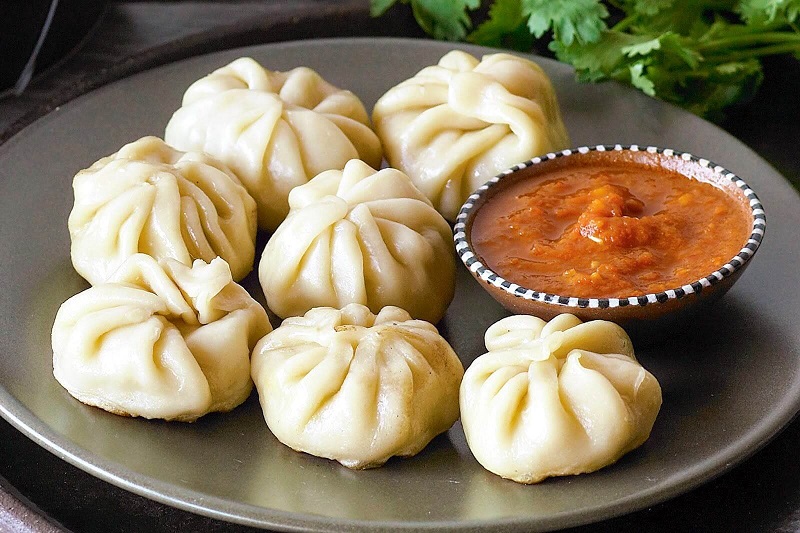
Momos
Many visitors find that after taking a cooking class, their subsequent meals in Lhasa are entirely transformed. You begin to notice the subtle differences in dough thickness, the balance of spices in the broth, and the quality of the meat used. Your palate becomes educated, turning every meal into a comparative tasting experience. For those who love to travel through their stomachs, this culinary education is as vital as visiting the Potala Palace or Jokhang Temple.
The Cultural Significance of Momos in Tibetan Cuisine
Momos are arguably the most famous Tibetan culinary export, beloved across the Himalayas and increasingly popular worldwide. However, eating them in a bustling Lhasa teahouse is only half the experience. Understanding their origins, variations, and cultural importance adds layers of meaning to every bite. Historically, momos were reserved for special occasions and festivals due to the time-intensive nature of their preparation. Today, they are a ubiquitous street food and restaurant staple, yet the reverence for a perfectly crafted momo remains unchanged.
The anatomy of a momo is deceptively simple: a wrapper and a filling. Yet, achieving the perfect ratio and texture requires practice. In a traditional setting, the dough is made from just flour and water, sometimes with a pinch of salt. Because of the high altitude, the gluten develops differently, requiring specific kneading techniques to ensure the wrapper is elastic enough to stretch thin without tearing, yet sturdy enough to hold the juices of the filling during steaming.
Fillings vary widely depending on the season and the family’s preferences. Yak meat is the most traditional and iconic choice, offering a rich, slightly gamey flavor that pairs beautifully with the mild dough. However, mutton, beef, and a variety of vegetable fillings—such as cabbage, potato, and cheese—are also common. The secret to a great momo filling lies in the fat content and the seasoning. Cooks often mix lean meat with fatty cuts to ensure the interior remains moist and succulent after steaming. Aromatics like garlic, ginger, scallions, and sometimes Sichuan peppercorns or local wild herbs are finely minced and folded into the mixture.
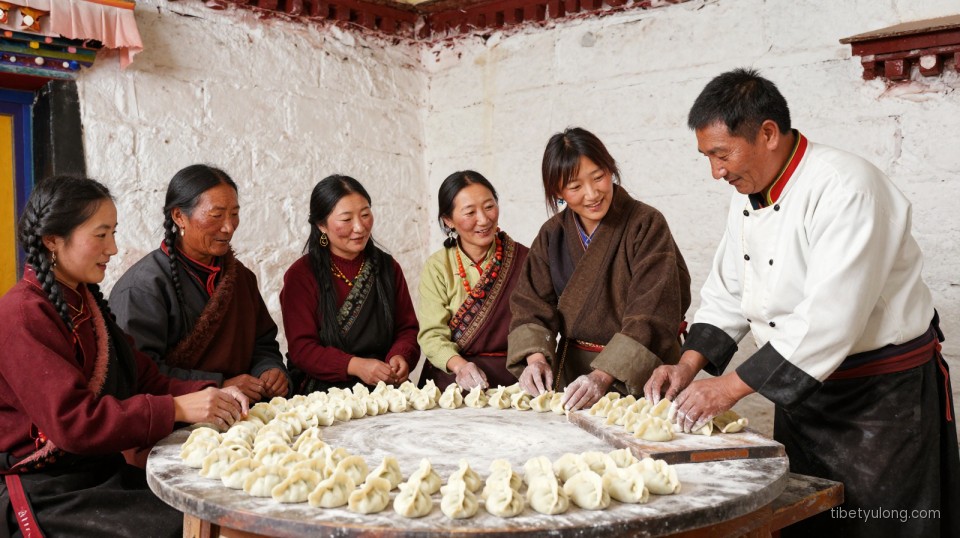
Beyond the ingredients, the folding technique is a point of pride. During a class, instructors will demonstrate various shapes, from the classic crescent with pleated edges to the round, purse-like style topped with a small twist. Each shape serves a functional purpose, ensuring even cooking and preventing the dumpling from bursting. Learning these folds is a meditative process, requiring patience and dexterity. It is a skill passed down through families, often taught to children at a young age, making it a deeply ingrained cultural practice rather than just a culinary technique.
Mastering Thukpa: The Ultimate Tibetan Comfort Food
If momos are the celebratory star of Tibetan cuisine, thukpa is its comforting soul. This hearty noodle soup is the ultimate remedy for the biting cold of the Himalayan climate. Taking the time to learn how to prepare thukpa properly reveals a dish of surprising depth and complexity, far removed from the instant noodle soups familiar to many Western travelers. Thukpa is a testament to the Tibetan ability to create nourishing, flavorful meals from a relatively limited pantry of high-altitude ingredients.
The foundation of any great thukpa is its broth. Unlike delicate consommés, Tibetan soup bases are robust and deeply savory. They are typically built by simmering bones—often yak or mutton—for hours to extract maximum flavor and collagen, which gives the broth a rich, satisfying mouthfeel. Instructors will teach you how to skim impurities to achieve a clear yet flavorful base, and how to layer aromatics like ginger, garlic, and dried chilies to build warmth without overwhelming the palate.
Tibetan Cooking Class in Lhasa: Learn Momos and Thukpa
The noodles themselves are traditionally hand-pulled or cut, a skill that takes considerable practice to master. The dough for thukpa noodles is usually slightly firmer than momo dough, designed to withstand prolonged boiling without turning mushy. Watching a skilled cook stretch and fold the dough before slicing it into uniform ribbons is mesmerizing. In a cooking class, you will get hands-on experience attempting this technique, learning how the feel of the dough dictates its readiness.
Vegetables and proteins are added according to availability and preference. Cabbage, spinach, radishes, and tomatoes are common additions, providing color, texture, and essential vitamins. Meat is often sliced thinly so it cooks quickly in the hot broth. One of the most critical lessons in making thukpa is understanding the timing of when to add each ingredient. Root vegetables go in early to soften, while leafy greens are stirred in at the very last moment to retain their vibrant color and slight crunch.
Seasoning is the final, crucial step. While salt is the primary seasoning, many cooks use a touch of soy sauce or a local fermented paste to deepen the umami profile. Some variations include a drizzle of chili oil or a sprinkle of fresh cilantro just before serving. Learning to balance these flavors—savory, spicy, fresh, and rich—is the hallmark of a successful thukpa. When you finally sit down to eat a bowl you have crafted yourself, the warmth spreading through your body feels profoundly earned.
What to Expect During Your Culinary Experience
Enrolling in a culinary workshop in Lhasa is vastly different from attending a sterile cooking school in a major metropolis. The atmosphere is intimate, rustic, and deeply personal. Most classes take place in traditional Tibetan homes or small, locally run guesthouses where the kitchen is the heart of the household. You will likely be welcomed with a cup of sweet milk tea or butter tea, immediately grounding you in the local rhythm of hospitality.
The session usually begins with an introduction to the ingredients. Your instructor will lay out the components needed for both momos and thukpa, explaining their origins and how they are sourced. You might handle fresh yak meat, smell locally harvested wild garlic, or examine the specific type of wheat flour preferred for high-altitude baking. This sensory exploration is a vital part of the learning process, helping you understand the raw materials before transforming them.
Instruction is highly interactive and hands-on. Rather than watching a demonstration from afar, you will be standing at the counter, your hands covered in flour, working alongside your teacher. The pace is generally relaxed, allowing ample time for questions and mistakes. If your first few momos look lopsided or burst during steaming, your instructor will patiently guide your hands to correct the pressure and folding technique. This supportive environment removes the pressure of perfection, focusing instead on the joy of learning.
Language barriers are rarely an issue, as many classes catering to international travelers are conducted in English or facilitated by bilingual guides. However, even when words fail, the universal language of cooking takes over. Demonstrations, gestures, and shared laughter easily bridge communication gaps. You will learn not just recipes, but the intuitive feel of Tibetan cooking—how to judge dough elasticity by touch, or how to know the broth is ready by its aroma.
The climax of the experience is, naturally, the meal. Once the momos are steamed and the thukpa is ladled into bowls, everyone gathers around a low wooden table to eat together. Sharing the food you have collectively prepared fosters a sense of camaraderie that is hard to replicate in standard tours. It is a moment of genuine cultural exchange, where conversations flow as freely as the hot soup, covering topics from daily life in Lhasa to the travelers’ journeys across the plateau.
Key Ingredients That Define High-Altitude Flavors
To truly appreciate what you are learning, it is helpful to understand the unique pantry of Tibetan cuisine. The harsh environment of the Qinghai-Tibet Plateau limits agricultural diversity, forcing cooks to rely heavily on a few key staples that thrive in cold, arid conditions. Barley is the undisputed king of Tibetan agriculture, primarily consumed as tsampa (roasted barley flour). While tsampa is less prominent in momos and thukpa, the wheat flour used for noodles and dumpling wrappers shares the same resilient characteristics required for high-altitude cultivation.
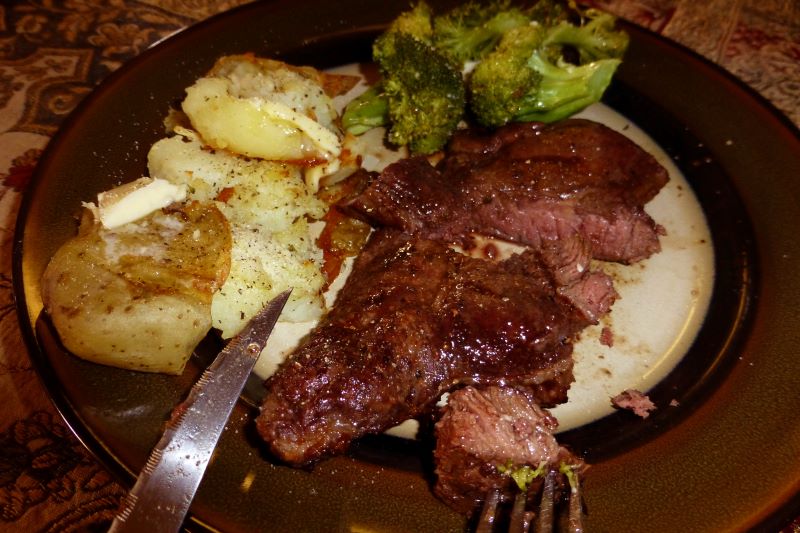
Yak products form the backbone of the local diet. Yak meat is leaner than beef but possesses a distinct, earthy richness that defines traditional momos and thukpa broths. Yak butter is another cornerstone, though it is more commonly associated with tea and tsampa than with soup. Nevertheless, the rendered fat from yaks is often used in cooking, imparting a unique flavor profile that cannot be exactly replicated with standard supermarket ingredients back home.
Yaksteak-yak meat
Aromatics play a crucial role in elevating these hearty ingredients. Garlic and ginger are used generously, providing not only flavor but also believed medicinal properties to combat the cold and aid digestion at high altitudes. Scallions and cilantro offer fresh, bright notes that cut through the richness of the meat. Spices are used judiciously; unlike the complex spice blends of neighboring Indian or Sichuan cuisines, Tibetan cooking favors simplicity, allowing the natural flavors of the high-quality, locally sourced ingredients to shine. Sichuan peppercorns occasionally make an appearance, adding a subtle numbing heat that complements the savory profiles.
Understanding these ingredients helps you realize why substituting them with standard Western grocery store items can alter the final dish. During your class, instructors often provide advice on how to adapt recipes for home kitchens, suggesting alternatives that capture the essence of the original flavors when authentic Tibetan ingredients are unavailable.
Exploring Lhasa Markets Before Your Class
Many comprehensive culinary experiences begin long before you enter the kitchen. A visit to a local market is often included or highly recommended as a precursor to your cooking session. Walking through the bustling alleys of Lhasa’s markets, such as the areas surrounding the Barkhor Street or local neighborhood bazaars, provides vital context for the dishes you are about to prepare.
Here, you will see mountains of dried chilies, sacks of various flours, and stalls displaying fresh seasonal vegetables brought in from lower valleys. Butchers expertly carve yak and mutton, while vendors sell fresh cheeses and homemade noodles. Navigating these markets with a local guide or your cooking instructor transforms a simple shopping trip into an educational tour. You learn how to select the best cuts of meat for dumpling fillings, how to identify fresh versus wilted greens for your soup, and how locals negotiate prices.
This market immersion deepens your appreciation for the supply chain that sustains Lhasa. It highlights the effort required to bring fresh produce to such a remote, high-altitude city. When you later chop those same vegetables or knead that flour, you carry the memory of the vibrant market stalls with you, connecting the raw ingredient directly to its source and the people who cultivate it.
Health Benefits and Altitude Considerations
Cooking and eating in Lhasa require mindfulness regarding altitude. The human body reacts differently to food and hydration at 3,600 meters. Tibetan cuisine has naturally evolved to address these physiological needs. Thukpa, for instance, is an excellent dish for acclimatization. The hot, liquid-heavy nature of the soup aids in hydration, which is critical at high altitudes where the air is exceptionally dry. The easily digestible noodles and nutrient-dense vegetables provide sustained energy without overtaxing the digestive system, which slows down in thin air.
Momos, being steamed rather than fried, are also a relatively light and healthy option. The steaming process retains moisture and nutrients, avoiding the heavy oils that can cause discomfort for travelers still adjusting to the elevation. The inclusion of garlic and ginger in both dishes is not merely for flavor; these ingredients are traditionally valued for their warming properties and ability to stimulate circulation, helping the body cope with the cold mountain climate.
During a cooking class, instructors often share these practical health insights. You learn not just how to cook, but why Tibetans cook the way they do. This holistic approach to food—as medicine, warmth, and sustenance—adds a layer of wellness philosophy to your culinary education, encouraging mindful eating habits that you can carry back to sea level.
Tips for Recreating Tibetan Dishes at Home
The true value of a cooking class lies in your ability to recreate the experience once you return home. While sourcing exact ingredients like fresh yak meat might be impossible depending on where you live, the techniques and flavor profiles are highly adaptable. Instructors typically emphasize the importance of mastering the dough first. Whether you use standard all-purpose flour or a blend with whole wheat, the tactile skills learned for kneading and rolling are universally applicable to various types of dumplings and noodles.
For thukpa, building a strong bone broth is the most transferable skill. Even if you use beef or chicken bones instead of yak, the method of slow simmering, skimming, and layering aromatics remains identical. Experimenting with local root vegetables and greens allows you to create a personalized version of the soup that honors the Tibetan template while utilizing your regional farmers’ market produce.
Making the signature dipping sauce for momos is another easy win. The fiery, tangy sauces served alongside dumplings usually rely on tomatoes, chilies, garlic, and sesame or local oils. Blending these into a smooth, spicy condiment can instantly elevate ordinary steamed dumplings into a Himalayan-inspired meal. Keeping detailed notes during your class, asking about substitutions, and practicing the folding techniques repeatedly are the best ways to ensure your Lhasa culinary memories translate successfully into your home kitchen.
Arranging Your Culinary Journey with Tibet Yulong Travel
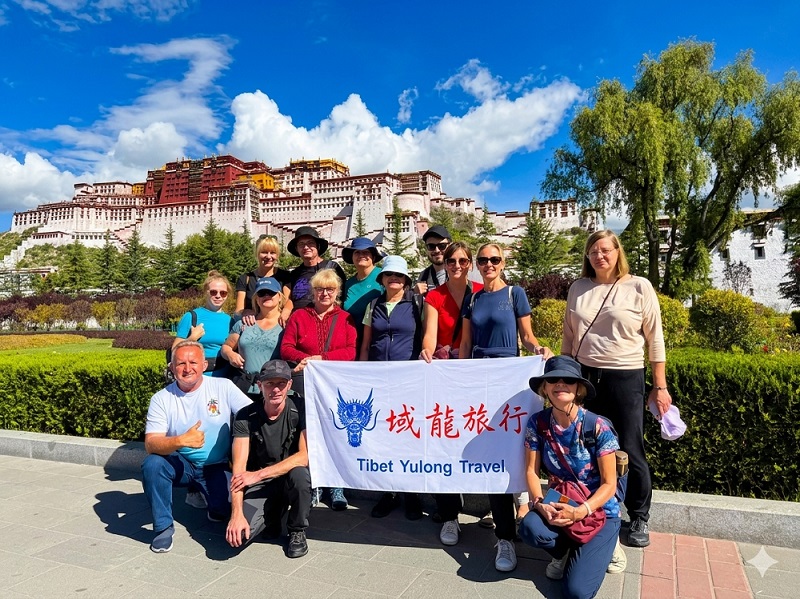
Navigating travel logistics in Tibet requires careful planning due to permit regulations and the unique challenges of high-altitude transit. Integrating a specialized activity like a cooking class into your itinerary is best handled by experienced professionals. Tibet Yulong Travel specializes in crafting immersive itineraries that go beyond standard sightseeing, offering travelers authentic cultural engagements, including culinary workshops in Lhasa. Their deep local connections ensure access to reputable, welcoming hosts who provide genuine, hands-on experiences rather than commercialized tourist traps.
By coordinating your trip through Tibet Yulong Travel, you benefit from seamless logistics—from securing necessary travel permits to arranging transportation and ensuring proper acclimatization schedules before engaging in active pursuits like a cooking class. Their expertise guarantees that your focus remains entirely on the joy of learning, kneading dough, and savoring the rich flavors of the plateau, knowing that every detail of your journey is expertly managed.