
🌸 Highlights:
- 🏔️ Snow mountains + pink blossoms — the only place in Tibet where wild peach forests frame 7,000m peaks
- 📅 Peak window: March 25 – April 10 — highest probability of full bloom plus clear views of Namcha Barwa
- 📍 4 must-see villages – Gala, Suosong, Bomi Valley, and Gongbo’gyamda, each blooming at a different time
- 🚗 Low-altitude entry – Nyingchi sits at ~3,000m, making it the gentlest acclimatization route into Tibet
- 💰 Tour costs from ~$1,200/person for 8-day small-group departures during blossom season
- 🎉 Nyingchi Peach Blossom Festival – cultural performances, Tibetan cuisine, and photography events from mid-March
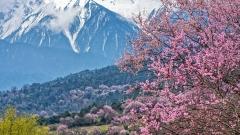
Every March and April, while most of Tibet is still shaking off winter, Nyingchi in southeastern Tibet explodes into color. A Tibet spring peach blossom tour is unlike any other flower-watching experience in Asia — millions of wild peach trees, some centuries old, burst into pale pink bloom along river valleys, on hillsides, and in front of snow-capped Himalayan peaks. This is not a manicured garden show. It is a raw, high-altitude spring landscape where blossom forests, turquoise rivers, and 7,000-meter mountains share the same frame.
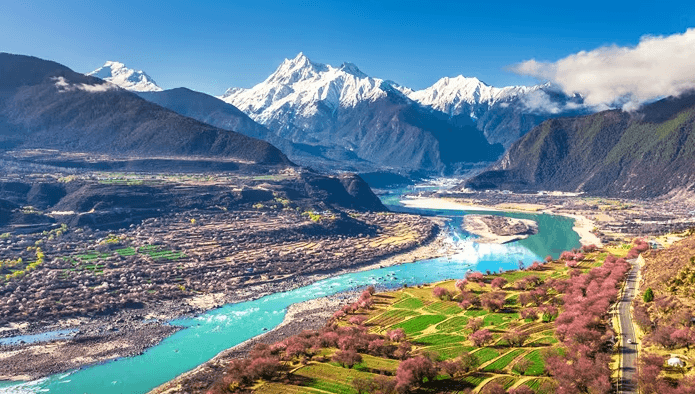
A Nyingchi peach blossom tour Tibet March April has become one of the most sought-after seasonal travel experiences in China, and for good reason. Unlike Lhasa (3,650m) or the Everest region, Nyingchi’s average elevation hovers around 2,900–3,100m, which means travelers can fly directly into Mainling Airport and begin acclimatizing gently. The combination of accessible altitude, dramatic scenery, and a concentrated blooming window makes it ideal for first-time visitors to Tibet and seasoned photographers alike.
In this guide, we break down exactly when to go, where the best blossoms are, how to build a 7- to 10-day itinerary, what to pack, and how much you should expect to pay.
When Do the Peach Blossoms Peak in Nyingchi?
If you are wondering about the best time to see peach blossoms in Nyingchi, Tibet, the answer depends on which valley you plan to visit. Nyingchi’s blossom season is governed by altitude. Because the region spans river valleys at 2,700m up to mountain pastures above 3,500m, the flowers open progressively from lower to higher elevations and from south to north. This is excellent news for planners: you can chase the bloom by moving between districts rather than betting everything on a single week.
2026 Bloom Forecast by Area
At the lowest elevation, around 2,700 meters, Bomi and its Peach Blossom Valley bloom first, typically opening around March 15 and lasting through April 10. This is the earliest and longest-lasting blossom area in Nyingchi, with a 60-kilometer corridor of wild peach trees.
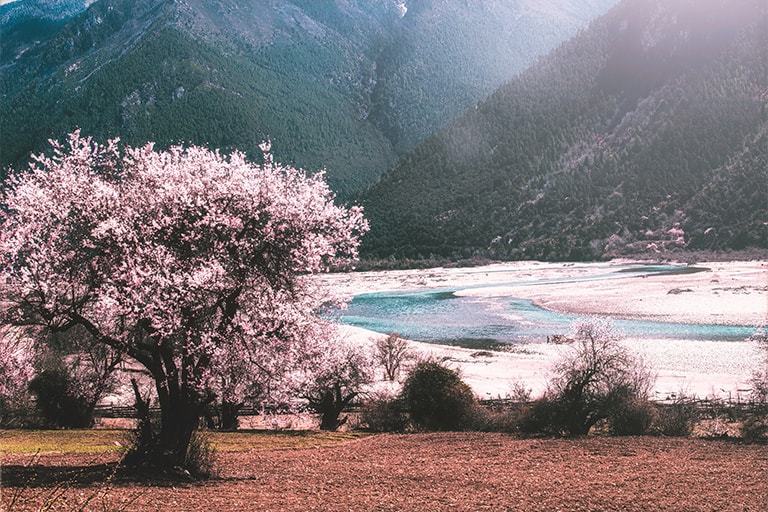
Slightly higher, at roughly 2,900 meters, Gala Peach Blossom Village and Lang County both come into bloom around March 17 and remain colorful through approximately April 7. Gala is the main festival venue and the closest major blossom site to Bayi Town, while Lang County offers quieter river-valley scenery with fewer tour groups.
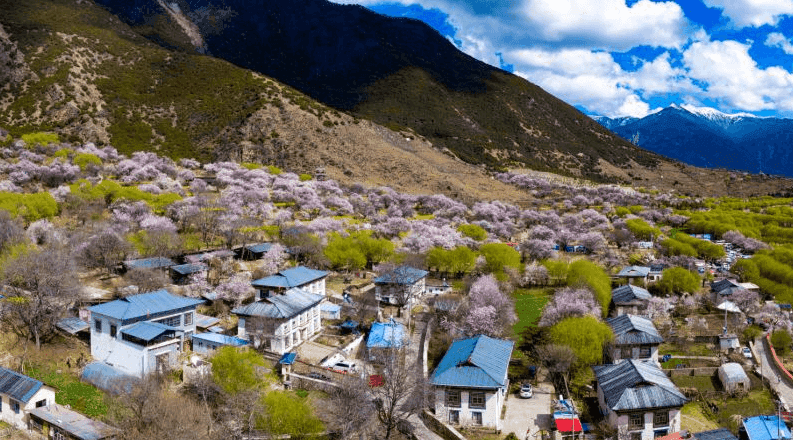
At about 3,000 meters, Suosong Village in Milin opens a few days later, around March 20, and can continue blooming until April 20 thanks to its sheltered microclimate inside the Yarlung Zangbo Grand Canyon. This extended window makes Suosong a reliable choice for travelers arriving in early to mid-April, and it is the single best spot for combining peach blossoms with a direct view of Namcha Barwa.
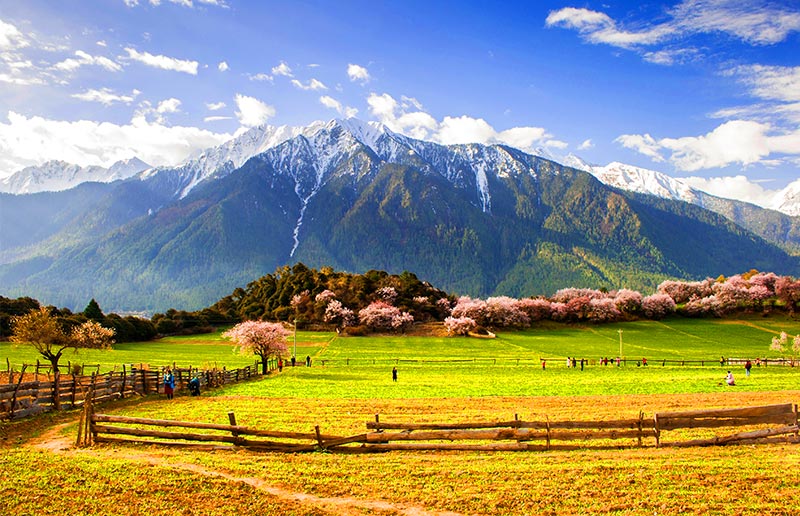
The highest major blossom area, Gongbo’gyamda at 3,200 to 3,500 meters, blooms last, typically from April 5 through April 20. If you are traveling later in the season, this is where you will still find full blossoms when lower areas have already finished.
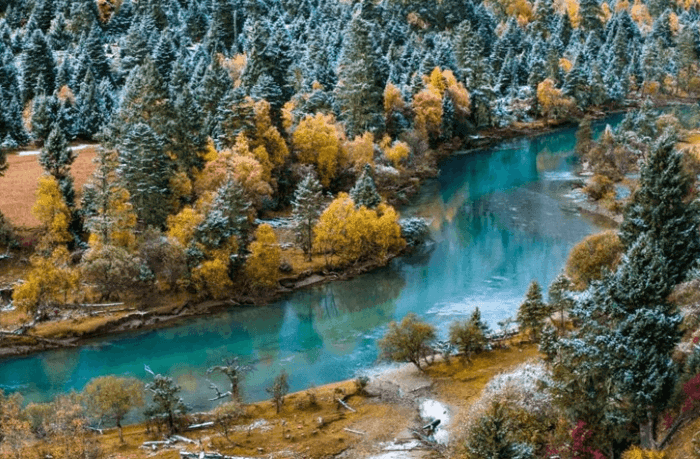
The golden window for most travelers is March 25 to April 10. During these two to three weeks, Gala and Suosong are typically in full bloom, Bomi is still magnificent, and the weather tends to be clearer — meaning your odds of seeing Namcha Barwa emerge from the clouds are at their highest. If you can only travel in early April, prioritize Suosong and Gongbo’gyamda. If you are there in mid-March, head straight to Bomi.
Top 5 Peach Blossom Locations You Cannot Miss
1. Gala Peach Blossom Village (嘎拉桃花村)
Known as “Tibet’s Number One Peach Blossom Village“, Gala is the symbolic heart of the Nyingchi Peach Blossom Festival and the usual venue for the opening ceremony. For many travelers, a Nyingchi peach blossom festival tour begins right here. Located just 5–6 kilometers from Bayi District, it is the easiest spot to reach and features more than 1,200 wild peach trees spread across 270 acres of hillside overlooking the Niyang River valley. The ticket is around 30 RMB, and the site is open all day. Arrive early morning to catch soft light on the blossoms before the tour buses arrive.
2. Suosong Village (索松村)
If Gala is the most famous, Suosong is the most photographed. Tucked inside the Yarlung Zangbo Grand Canyon scenic area at roughly 3,000m, this tiny village sits directly across the river from Barwa (7,782m), often called China’s most beautiful mountain. When the clouds part, you get the iconic composition: pink peach trees in the foreground, the Brahmaputra River in the middle, and a snow pyramid behind. Stay overnight in a local guesthouse — sunrise and sunset here are unforgettable.
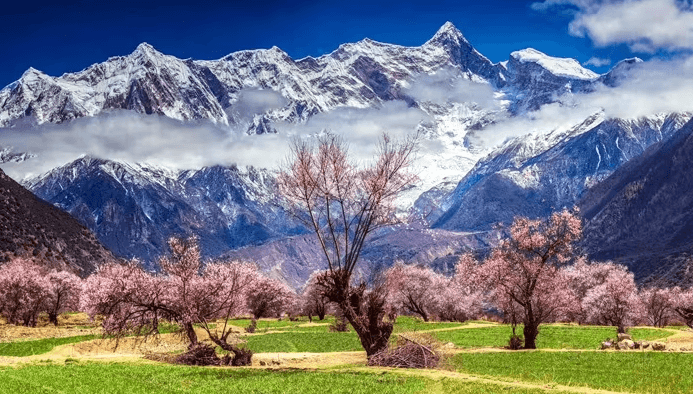
3. Bomi Peach Blossom Valley (波密桃花沟)
About 17 kilometers west of Bomi town along Highway 318, the Bomi Peach Blossom Valley is the largest and wildest blossom area in Nyingchi. Stretching roughly 60 kilometers, it contains an estimated 200,000 wild peach trees, many over a century old. Because the altitude is lower, around 2,700m, it blooms first — often from mid-March — and the blossoms tend to last longer. This is the best choice for travelers arriving early in the season or anyone who wants to avoid crowds.
4. Yarlung Zangbo Grand Canyon (雅鲁藏布大峡谷)
The world’s deepest gorge is not only a geological wonder but also a prime blossom viewing area. The entrance area near Pai Town and the route toward Suosong Village are lined with peach trees in spring. Combine a canyon visit with a stay in Suosong for the full experience. Look for the “Big Turn” of the Yarlung Zangbo River and, if you are lucky, a cloudless Namcha Barwa at sunset.
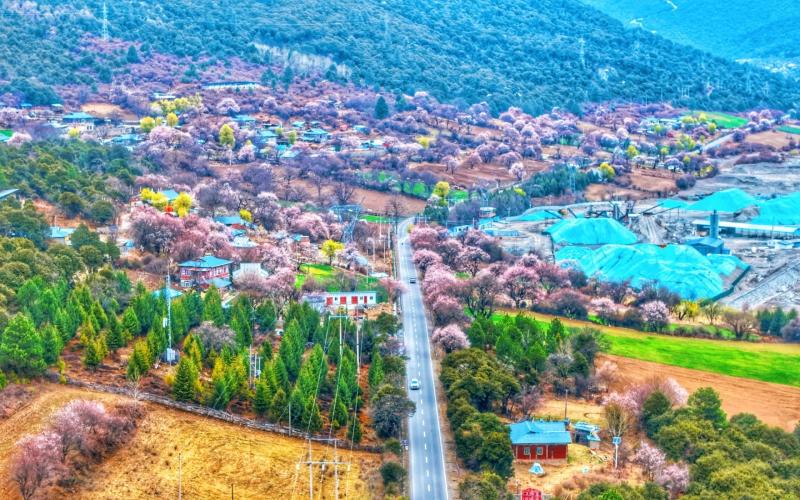
Yarlung Tsangpo Grand Canyon
5. Gongbo’gyamda & Basumtso Lake (工布江达 / 巴松措)
For travelers visiting in mid-to-late April, Gongbo’gyamda district offers a second wave of blossoms at higher elevations. Nearby Basumtso Lake (3,700m), a sacred green lake surrounded by forests and snow peaks, is a natural add-on. The lake’s island monastery and surrounding spring colors make it a rewarding detour on the drive between Lhasa and Nyingchi.
Recommended Itineraries
10-Day Tibet Peach Blossom Tour: Explore Lhasa, Nyingchi, Bomi and more
Ideal if you have limited time and want to focus purely on blossoms.
Day 1: Arrive in Chengdu
Day 2: Chengdu → Nyingchi → Milin Peach Blossom Avenue → Gala Peach Blossom Village
Day 3: Tangmai Natural Barrier → Guxiang Lake → Bomi Peach Blossom Gully
Day 4: Laigu Glacier / Midui Glacier → Ranwu Lake
Day 5: Galang Lake → Lulang Forest Observatory → Lulang International Tourist Town
Day 6: Basum Tso →Laru Village Wild Peach Blossom Forest →Lhasa-Nyingchi Expressway → Lhasa
Day 7: Potala Palace → Jokhang Temple → Barkhor Street → Yaowang Hill Viewpoint
Day 8: Lhasa → Yamdrok Lake → Yuthok Monastery → Lhasa
Day 9: Lhasa → Qinghai–Tibet Railway(Soft Sleeper) → Xining Railway Station
Day 10: Xining – Xining Airport – Chengdu
13-Day Peach Blossom Tour: Visit Bomi, Nyingchi, Lhasa, Namtso & EBC
For those who want spring flowers and a classic Tibet highlight.
Day 1: Flight to Chengdu Tianfu International Airport
Day 2:Chengdu-Nyingchi
Day 3: Tongmai Natural Barrier-Guxiang Lake-Peach Blossom Valley
Day 4: Laigu Glacier/Midui Glacier -Ranwu Lake
Day 5: Galang Lake-Lulang Forest Sea Viewing Platform-Lulang International Tourist Town
Day 6: Basum Tso →Laru Village Wild Peach Blossom Forest →Lhasa-Nyingchi Expressway → Lhasa
Day 7: Lhasa-Potala Palace-Jokhang Temple-Barkhor Street
Day 8: Lhasa-Yamdrok Lake-Karola Glacier-Shigatse
Day 9: Shigatse-Tingri-EBC
Day 10: EBC-Tingri-Shigatse
Day 11: Shigatse-Tashlumpo Monastery-Lhasa
Day 12: Lhasa-Qinghai-Tibet Railway-Xining Train Station
Day 13: Xining Airport-Chengdu
Pro tip: Flying into Nyingchi first and then driving to Lhasa is a smart acclimatization strategy. You start at 3,000m and gradually ascend, reducing altitude sickness risk compared with flying straight into Lhasa.
Practical Guide: Transport, Accommodation, and Altitude
Getting There
You can reach Nyingchi by air, road, or train. Nyingchi Mainling Airport (LZY) has direct flights from Chengdu, Chongqing, Guangzhou, and Xi’an, and this is the most comfortable entry point since you land at a gentler altitude. If you start in Lhasa, the Linla Expressway (G4218) has cut the drive to roughly 4–5 hours over about 400 kilometers of scenic river valley. Alternatively, the Lhasa–Nyingchi railway, which opened in 2021, offers a scenic 3.5-hour journey through tunnels and over bridges.
Where to Stay
Bayi District, the main urban area of Nyingchi, offers the widest range of hotels from 3-star to international-standard properties and is the most convenient base for visiting Gala. Suosong Village has basic but charming Tibetan guesthouses — book well in advance for March and April since rooms are limited. Bomi town has comfortable mid-range hotels and is the ideal base for exploring the Peach Blossom Valley. Lulang is a scenic small town with newer resort-style accommodation and is famous for its stone-pot chicken.
Altitude Sickness Prevention
Nyingchi’s lower altitude is a major advantage, but you still need to be careful, especially if you then travel to Lhasa or Everest. Spend the first 24 hours resting, avoid alcohol, and skip heavy exercise. Drink 3–4 liters of water daily. Consider Diamox (acetazolamide) if you have a history of altitude sickness — consult your doctor before travel. Ascend gradually and avoid flying directly from sea level to Lhasa and then immediately driving to higher elevations. Watch for headache, nausea, or dizziness, and descend if symptoms worsen.
What to Pack
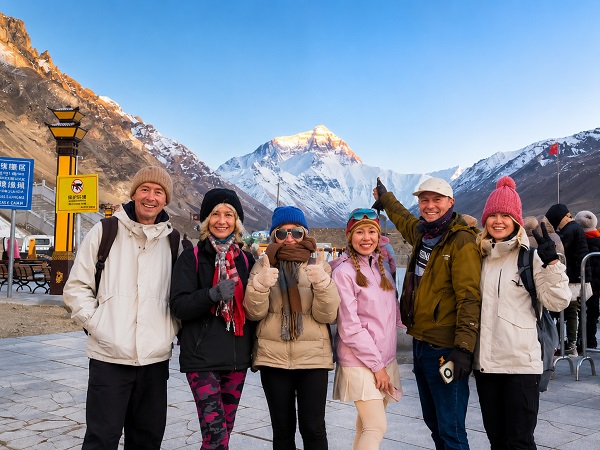
Even in March and April, mornings and evenings can be near freezing, around 0–5°C, while afternoons may reach 15–20°C. Layers are essential. Bring a down jacket or warm fleece for sunrise and sunset shoots, UV-protective clothing, sunglasses, and SPF 50+ sunscreen since high altitude means strong radiation. Pack comfortable hiking shoes for village walks, a camera with both wide-angle and telephoto lenses for blossom close-ups and mountain vistas, and a power bank — cold weather drains batteries fast.
How Much Does a Nyingchi Peach Blossom Tour Cost?
Prices vary significantly by group size, hotel standard, and whether you add Everest or other extensions.
A budget small-group tour lasting 10 days typically ranges from $1700 to per person based on double occupancy. A mid-range small-group tour of 13 days usually costs between $2150 per person. If you prefer a private custom tour of 8–10 days with a dedicated guide and driver, expect to pay roughly $ 2500 to $3500 per person.
These prices typically include the Tibet travel permit, accommodation, meals as specified, a private vehicle, an English-speaking guide, and entrance tickets. International flights, personal expenses, and tips are usually excluded. Book early — March and April are peak season and the best vehicles, guides, and Suosong guesthouses sell out weeks in advance.
Frequently Asked Questions
Q: Is mid-March too early for Nyingchi peach blossoms?
A: Not if you go to Bomi. The lower-altitude Bomi Peach Blossom Valley often starts blooming around March 15. Gala and Suosong typically reach full bloom closer to March 25.
Q: Can I visit Nyingchi independently, or do I need a tour?
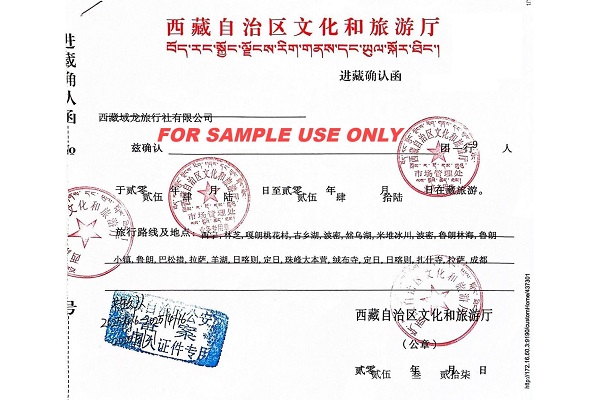
A: Foreign nationals require a Tibet Travel Permit to enter Tibet, and independent travel is not permitted. You must book through a licensed Tibet travel agency, which arranges the permit, guide, and vehicle.
Q: Will I definitely see Namcha Barwa from Suosong?
A: No guarantee — the mountain is famously shy and hidden by clouds roughly 60–70% of the time. Staying two nights in Suosong dramatically improves your odds. Late March to early April tends to have clearer skies than later in spring.
Q: Is it cold in Nyingchi in March and April?
A: Mornings and evenings are cold, often 0–5°C, but afternoons are pleasant, around 15–20°C, in the sun. Bring layers and a warm jacket for early-morning photography.
Q: How many days do I need for a proper peach blossom tour?
A: A minimum of 5–6 days in Tibet, including Lhasa arrival, is recommended. Seven days is comfortable; 10 days allows you to add Everest or the deeper Bomi valley.
Q: Are the peach blossoms natural or planted?
A: They are almost entirely wild. Many trees are hundreds of years old, growing naturally along river valleys and hillsides — not cultivated orchards. This is what makes the landscape so unique.
Final Thoughts
A Nyingchi peach blossom tour in Tibet during March and April is a rare convergence of natural beauty, gentle altitude, and cultural richness. Whether you book a focused Tibet peach blossom tour of Nyingchi or extend it to include Everest, the experience delivers something you cannot find anywhere else on the plateau. For photographers chasing the perfect Namcha Barwa-and-blossom frame, first-time visitors looking for an easy entry point, or seasoned travelers wanting to see a different side of the Roof of the World, Nyingchi in spring is unmatched.
The key to a successful trip is timing — aim for March 25 to April 10 if possible — and planning. Book your permit, guide, and accommodation early, build in flexibility for weather, and spend at least one night in Suosong Village. The rest will take care of itself: pink valleys, snow peaks, and a Tibet that few visitors ever get to see.
Ready to plan your Nyingchi peach blossom tour? [Contact our Tibet travel specialists](#) for a custom itinerary and permit assistance.