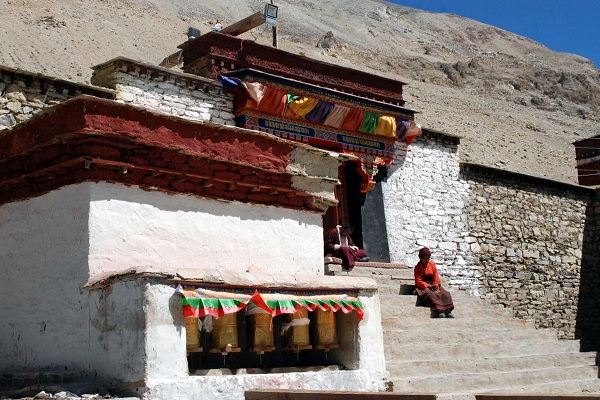

Riding the Qinghai-Tibet Railway to the holy city of Lhasa is a once-in-a-lifetime journey for travelers around the world. However, when faced with multiple departure cities and complex route choices across China, first-time visitors often ask: Where should I board the train? Why is Xining recommended as the top starting point? And what is the difference between taking the train from Guangzhou versus Shanghai? This guide breaks down the essential gateway stations, route advantages, and train options for your Tibet rail adventure.
Key Takeaways
- Essential Gateway Stations: Xining serves as the starting point of the Qinghai-Tibet Railway and the most crucial gateway to Tibet. Golmud acts as the core technical hub where train engines switch to specialized high-altitude locomotives before ascending into the permafrost region.
- Why Choose Xining as Your Entry Point:
- Gradual Acclimatization: Located at 2,260 meters above sea level, Xining offers an ideal intermediate elevation to help your body adapt before traveling higher.
- Maximum Train Frequency: All trains bound for Lhasa pass through or originate in Xining, providing the highest ticket availability and flexible scheduling.
- Seamless Sightseeing: Travelers can conveniently explore local highlights like Qinghai Lake, Chaka Salt Lake, or Kumbum Monastery before boarding the train to Tibet.
- Comparing Departure Stations (Guangzhou vs. Shanghai):
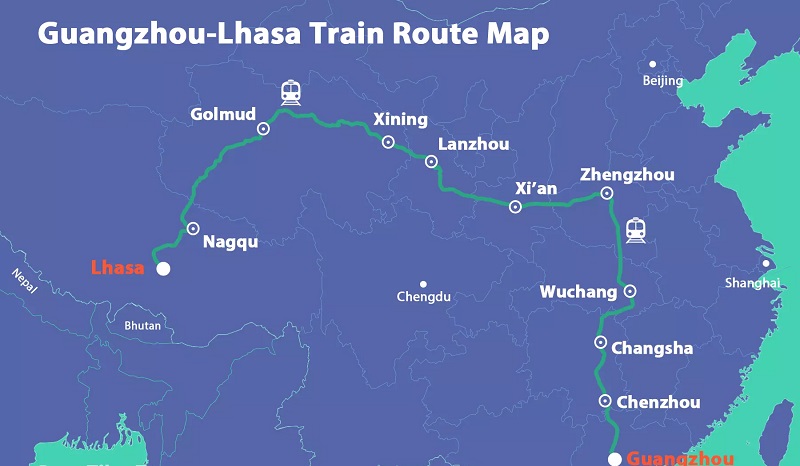
- Guangzhou Departure (Z264/Z265): Crosses North and South China with the longest travel time (approx. 53–55 hours). Ideal for travelers from South China or those seeking an extensive transcontinental rail journey.
- Shanghai Departure (Z164/Z165): Traverses East China and the Central Plains (approx. 46–48 hours). Takes 6–7 hours less than the Guangzhou route while offering diverse cultural landscapes.
- Cross-Platform Transfer in Xining: Passengers on direct trains from Guangzhou or Shanghai typically undergo a seamless “same-platform transfer” in Xining to board specialized oxygen-supplied high-altitude train carriages.
Key Gateway Stations Along the Qinghai-Tibet Railway
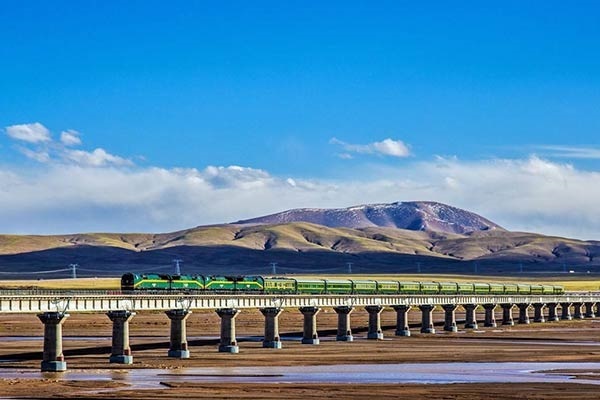
Spanning 1,956 kilometers from east to west, the Qinghai-Tibet Railway relies on two critical hub stations along its route:
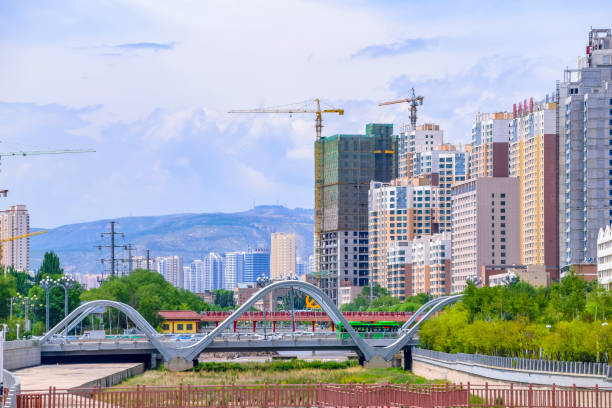
Xining Station (Elevation: 2,261 meters) — The Starting Point: Xining marks the beginning of Phase 1 of the Qinghai-Tibet Railway and serves as the “Eastern Gateway” to the Tibetan Plateau. Every train heading to Lhasa, regardless of where its journey began, passes through Xining.
Golmud Station (Elevation: 2,829 meters) — Power & Oxygen Conversion Hub: Golmud is the dividing point between Phase 1 and Phase 2 of the railway. Here, trains stop for an extended period to switch to high-altitude diesel locomotives equipped with turbocharged engines. Simultaneously, the train’s centralized cabin oxygen supply system is fully activated before ascending into the high-altitude permafrost zone above 4,000 meters.
Why Do Most Travelers Choose to Enter Tibet via Xining?
Although direct trains to Lhasa operate from major cities like Beijing, Shanghai, Guangzhou, and Chengdu, travelling to Xining first—by flight or high-speed rail—and then boarding the train to Lhasa remains the gold standard for travelers. Here is why:
Gradual Acclimatization to Altitude
Flying directly into Lhasa (3,650 meters) or taking a 50-hour train directly from coastal sea-level cities can trigger sudden altitude sickness. Xining sits at an altitude of approximately 2,260 meters. Spending 1 to 2 days in Xining provides an ideal step-by-step buffer for your body to adjust gently.
Higher Ticket Availability and Schedule Flexibility
Because every train to Tibet stops in Xining, and several additional trains originate directly from Xining (such as Z323 or Z6801), Xining Station offers the largest pool of train tickets. This significantly increases your chances of securing desirable sleeper tickets (Soft Sleeper or Hard Sleeper) during peak travel seasons.
Seamless Combination with Qinghai Sightseeing
Xining is surrounded by world-class natural and cultural attractions, including Qinghai Lake, Chaka Salt Lake, and Kumbum Monastery. Choosing Xining as your entry point allows you to add a 2-to-3-day tour around Qinghai before boarding your train to Lhasa.
Comparing Major Departure Hubs: Guangzhou vs. Shanghai
If you wish to experience a long-distance cross-country train trip starting from eastern or southern China, Guangzhou and Shanghai are the two most popular departure hubs. Here is how their routes compare:
Guangzhou Departure: Train Z264 / Z265
Route: Guangdong ➔ Hunan ➔ Hubei ➔ Henan ➔ Shaanxi ➔ Gansu ➔ Qinghai ➔ Tibet.
Duration: Approximately 53 to 55 hours (covering nearly 5,000 kilometers, making it one of the longest train routes in China).
Landscape: Transitions from southern hills and the Yangtze River Basin through the Central Plains to the northwestern deserts and snow-capped plateau.
Best For: Travelers originating in South China (Guangdong, Hong Kong, Macao) or railway enthusiasts looking for a comprehensive epic train journey across China.
Shanghai Departure: Train Z164 / Z165
Route: Shanghai ➔ Jiangsu ➔ Anhui ➔ Henan ➔ Shaanxi ➔ Gansu ➔ Qinghai ➔ Tibet.
Duration: Approximately 46 to 48 hours.
Landscape: Departs from the bustling water towns of East China, traveling west across the Central Plains toward the plateau. The travel time is about 6 to 7 hours shorter than the Guangzhou train.
Best For: Travelers coming from East China (Shanghai, Zhejiang, Jiangsu) or those wanting a slightly shorter rail journey.
The “Same-Platform Transfer” in Xining Explained
Passengers booking direct tickets from Guangzhou (Z264) or Shanghai (Z164) often notice a note stating “Transfer at Xining Station.” This is a standard operating procedure for high-altitude trains:
Why Transfer?: Standard train carriages used across low-altitude China are not equipped with pressurized cabins or oxygen enrichment systems. When the train arrives in Xining, passengers walk across the platform to board a dedicated high-altitude oxygen-supplied train.
Transfer Process: Guided by station staff, this “same-platform transfer” takes only a few minutes. Passengers simply walk across the platform with their carry-on luggage to board the waiting high-altitude train. Car number and seat assignments remain identical to your original ticket.
Summary Recommendation
Choose Guangzhou (Z264) or Shanghai (Z164) if you have plenty of travel time and want to witness the dramatic transformation of China’s geography and scenery from the coast to the roof of the world.
Choose Xining if you prioritize physical comfort, want to minimize altitude sickness risks, or need better ticket availability. Flying or taking high-speed rail to Xining, staying 1–2 days to adapt, and then taking the train to Lhasa is the safest and most enjoyable way to begin your Tibet adventure!