Key points
- The Best Time to Visit Tibet is generally from April to October, offering favorable weather, clear skies, and accessible high-altitude routes.
- Spring (April-May) and Autumn (September-October) provide the most comfortable temperatures and stunning landscapes for sightseeing and photography.
- Summer (June-August) brings warmer weather and lush scenery but also coincides with the monsoon season, requiring preparation for sudden rain showers.
- Winter (November-March) offers fewer crowds and lower costs, making it ideal for cultural exploration in Lhasa despite freezing temperatures at higher elevations.
Tibet sits on the roof of the world, a place where thin air meets towering peaks and ancient monasteries cling to rocky cliffs. Planning a journey here requires more than just booking flights and packing warm clothes. Because of its extreme altitude and unique climate, choosing when to go dictates everything from what you can see to how your body will react. Finding the Best Time to Visit Tibet depends entirely on your travel goals, whether you want to trek around Mount Kailash, photograph the golden autumn forests, or experience vibrant local festivals without the peak-season crowds.
Understanding the Tibetan plateau’s weather patterns is the first step in planning your itinerary. Unlike lowland destinations, Tibet experiences drastic temperature shifts between day and night, regardless of the season. The region is heavily influenced by the Himalayas, which block moisture from the Indian Ocean, resulting in a generally dry climate punctuated by a short summer monsoon. Let us break down the year season by season so you can pinpoint the Best Time to Visit Tibet for your specific adventure.
Spring in Tibet: Awakening of the Plateau (April to May)
Spring arrives late on the plateau, but when it does, the transformation is spectacular. April and May are widely considered among the best months to explore Tibet. During this window, the harsh winter snows begin to melt, opening up high mountain passes that were previously inaccessible. Daytime temperatures in Lhasa hover comfortably between 10°C and 16°C (50°F to 60°F), though nights still drop below freezing.
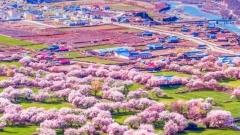
This season is particularly magical if you plan to visit Nyingchi, often referred to as the “Switzerland of Tibet.” In April, the Nyingchi Peach Blossom Festival draws travelers eager to see wild peach trees blooming in vibrant pinks against the backdrop of snow-capped peaks. The contrast between the delicate flowers and the rugged mountains makes spring an incredibly photogenic period.
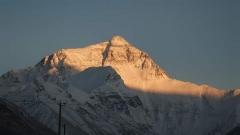
For trekkers, late May marks the beginning of the hiking season. Trails around Everest Base Camp start to clear, and the skies are generally crisp and cloud-free, offering unobstructed views of the highest peaks on earth. If avoiding heavy rainfall while enjoying mild daytime weather is your priority, spring firmly establishes itself as the Best Time to Visit Tibet.
Summer and the Monsoon Season (June to August)
Summer brings the warmest temperatures to the plateau, with Lhasa experiencing daytime highs around 20°C to 23°C (68°F to 73°F). However, warmth comes with a catch: the monsoon season. From mid-June through August, Tibet receives the majority of its annual precipitation. While it rarely rains all day—showers typically occur in the late afternoon or evening—the increased cloud cover can obscure the famous mountain vistas.
Despite the rain, summer remains a highly popular time to travel. The landscape transforms dramatically; the arid brown hills turn lush green, and the alpine meadows burst with wildflowers. This is the prime season for visiting sacred lakes like Yamdrok Tso and Namtso, as the roads leading to them are fully thawed and safe for driving.
If your goal is to complete the Mount Kailash kora (pilgrimage trek), July and August are viable, though you must be prepared for wet conditions and muddy trails. The oxygen levels are slightly higher during summer due to warmer air, which can make acclimatization marginally easier for some travelers. However, if crystal-clear views of Mount Everest are at the top of your list, summer might not be the Best Time to Visit Tibet for you, as clouds frequently blanket the summit.
Autumn: The Golden Season (September to October)
Many seasoned travelers and photographers argue that autumn is the absolute Best Time to Visit Tibet. By September, the monsoon rains have retreated, leaving behind brilliantly blue skies and exceptional visibility. The air is crisp, dry, and remarkably clear, providing the sharpest views of the Himalayan giants.
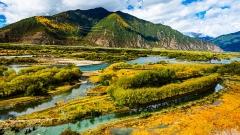
Temperatures begin to cool down compared to summer, but remain very manageable. Daytime in Lhasa stays around 15°C to 18°C (59°F to 64°F), while nighttime temperatures dip closer to freezing. The changing foliage adds another layer of beauty to the journey. Areas like the Yarlung Tsangpo Grand Canyon and the forests near Bomi turn into canvases of gold, red, and orange.
Autumn is also the harvest season, meaning local markets are full of fresh produce, and you might witness rural communities celebrating with traditional songs and dances. Trekking conditions are optimal during these two months. Trails are dry, leeches are absent, and the stable weather makes camping much safer and more enjoyable. If you are looking for a balance of great weather, stunning scenery, and reliable road conditions, aim for September or October.
Winter: Solitude and Cultural Immersion (November to March)
Winter in Tibet is not for the faint of heart, but it holds a distinct charm for a specific type of traveler. Temperatures plummet, especially at higher elevations. In Lhasa, days can still reach 8°C to 10°C (46°F to 50°F) under intense sunshine, but nights easily drop to -10°C (14°F) or lower. Routes to Everest Base Camp or Mount Kailash are usually closed due to heavy snowfall and dangerous ice.
So why do people visit in winter? The answer lies in authenticity and solitude. Without the influx of tourists, Lhasa returns to its deeply spiritual roots. Pilgrims from remote regions flock to the Jokhang Temple and Barkhor Street, spinning prayer wheels and chanting mantras. You get to experience Tibetan Buddhism in its purest, most undisturbed form. Furthermore, hotels and tours drop significantly in price, making it the most budget-friendly time to travel.
The sunlight in winter is surprisingly strong and comforting, heating up courtyards and teahouses where you can sit for hours drinking butter tea. If your focus is purely cultural exploration within Lhasa and its immediate surroundings, and you handle cold well, winter offers an unforgettable, crowd-free experience.
Timing Your Trip Around Tibetan Festivals
Aligning your trip with local festivals can elevate your experience from a simple vacation to a profound cultural immersion. The dates of these events follow the Tibetan lunar calendar, so they shift slightly on the Gregorian calendar each year.
Losar, the Tibetan New Year, usually falls in February or March. It involves days of monastery visits, traditional dances, and family feasts. However, travel permits are sometimes restricted for foreigners during Losar, so advance planning is crucial.
The Shoton Festival occurs in August, marking the end of the monks’ summer retreat. It features massive thangka unveilings at Drepung Monastery followed by days of Tibetan opera performances in Norbulingka, the summer palace. Summer visitors should definitely factor this into their schedule.
Saga Dawa, falling in May or June, celebrates the birth, enlightenment, and death of Buddha. Thousands of pilgrims walk the circuit around Mount Kailash during this holy month, creating a deeply moving atmosphere.
Practical Considerations for Choosing Your Dates
Beyond weather and festivals, several logistical factors influence the Best Time to Visit Tibet. The Chinese government occasionally restricts foreign travel to Tibet during certain periods, typically in February and March. Always check current permit regulations with your tour operator well in advance, as independent travel by foreigners is not permitted.
Altitude sickness is a reality regardless of the season. However, the thinner, colder air of winter can exacerbate symptoms for some individuals. Spring and autumn offer a gentler transition for your body to adapt to elevations exceeding 3,500 meters (11,500 feet).
Road conditions dictate your route options. The overland routes from Sichuan or Yunnan are spectacular but prone to landslides during the summer monsoon. The Qinghai-Tibet Railway operates year-round, but winter journeys offer stark, beautiful, frozen landscapes outside the train windows.
Ultimately, there is no single perfect date on the calendar. The Best Time to Visit Tibet is the moment that aligns with your physical readiness, your desire for specific landscapes, and your tolerance for either crowds or cold. Whether you chase the peach blossoms of spring, the green valleys of summer, the golden peaks of autumn, or the quiet devotion of winter, the plateau promises an experience unlike anywhere else on earth.