Setting out on a Chengdu to Lhasa Overland Tour is one of the most rewarding travel experiences you can have in Asia. Leaving behind the humid, relaxed streets of Sichuan’s capital, you gradually climb into a world of towering snow peaks, deep river gorges, and vast Tibetan grasslands. This route is not just about reaching a destination; it is about watching the landscape, culture, and air itself transform day by day. For adventure seekers and cultural travelers alike, driving from Chengdu to Lhasa remains the ultimate road trip.
Key points
- Choose between the scenic G318 Southern Route or the rugged, culturally rich G317 Northern Route based on your driving experience and travel goals.
- Pace your itinerary carefully to allow for natural altitude acclimatization, stopping at key locations like Kangding, Litang, and Nyingchi.
- Ensure all necessary permits, including the Tibet Travel Permit, are arranged well in advance through a registered travel agency if you are a foreign traveler.
- Embrace the culinary transition from spicy Sichuan dishes in Chengdu to hearty, warming Tibetan staples like yak meat, momos, and butter tea along the way.
Choosing Your Route for the Chengdu to Lhasa Overland Tour
When planning a Chengdu to Lhasa Overland Tour, the first major decision is which highway to take. The journey primarily follows the Sichuan-Tibet Highway, which splits into two distinct routes: the Southern Route (G318) and the Northern Route (G317). Both eventually lead to the Tibetan capital, but they offer vastly different experiences.
The G318 Southern Route is widely considered the most scenic and popular option. It covers roughly 2,150 kilometers and passes through iconic destinations like Kangding, Litang, Batang, and Nyingchi. Travelers favor this route because the infrastructure is relatively well-developed, making it more accessible for independent drivers and guided groups. The scenery shifts constantly, from subtropical forests to high-altitude steppes, keeping the drive visually engaging throughout.
On the other hand, the G317 Northern Route is longer, wilder, and significantly less traveled. It stretches over 2,400 kilometers, passing through remote areas like Sertar, Dege, and Chamdo. If your goal for the Chengdu to Lhasa Overland Tour is raw cultural immersion and untouched landscapes, the northern path delivers. You will encounter fewer tourists, more traditional monasteries, and a rugged terrain that demands a reliable vehicle and experienced driving skills. Many seasoned travelers choose to combine both, taking G318 up and returning via G317, or vice versa.
Essential Stops Along the Way
A successful Chengdu to Lhasa Overland Tour relies on pacing yourself. Rushing the drive defeats the purpose and increases the risk of altitude sickness. Here are some unmissable stops along the classic G318 route that deserve your time and attention.
Kangding and the Gateway to Tibet
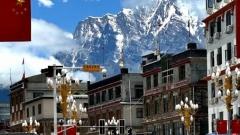
Just a few hours west of Chengdu, Kangding serves as the historical gateway between Han Chinese and Tibetan cultures. The town sits in a narrow valley, surrounded by steep mountains. Strolling through its streets, you will hear Tibetan folk songs echoing from local teahouses while vendors sell yak meat and fresh produce. It is an excellent place to spend your first night, allowing your body to begin adjusting to the rising elevation before pushing further west.
Litang: The City in the Sky
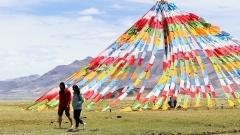
Continuing on the Chengdu to Lhasa Overland Tour, you will reach Litang, sitting at a staggering 4,000 meters above sea level. Known as the “City in the Sky,” Litang offers sweeping views of endless grasslands where nomadic herders tend to their yaks. The Litang Monastery, perched on a hillside overlooking the town, provides a quiet space to observe daily monastic life away from heavy tourist crowds. Be mindful of your physical state here; the altitude hits harder than you might expect, so walk slowly and stay hydrated.
The 72 Turns and Nujiang River Valley
One of the most thrilling sections of the Chengdu to Lhasa Overland Tour is navigating the famous 72 Turns near Bangda. This dizzying stretch of switchbacks drops dramatically from a high mountain pass down into the lush Nujiang River Valley. The engineering required to carve this road into the cliffside is awe-inspiring. Drivers need to maintain focus, using lower gears to control speed on the descent. Once at the bottom, the sudden shift from alpine tundra to green, forested valleys feels almost surreal.
Nyingchi: The Switzerland of Tibet
Before arriving in Lhasa, the route passes through Nyingchi, often referred to as the “Switzerland of Tibet.” Unlike the arid, high-altitude plateaus typical of the region, Nyingchi is blessed with dense forests, blooming peach blossoms in spring, and abundant rainfall. The Yarlung Tsangpo Grand Canyon is nearby, offering breathtaking viewpoints. Spending a couple of days here breaks up the long driving stretches and provides a gentler climate to rest your lungs before the final push to the capital.
Preparing for Altitude and Road Conditions
No guide to a Chengdu to Lhasa Overland Tour would be complete without addressing altitude sickness. The route climbs from Chengdu’s modest 500 meters to passes exceeding 5,000 meters. Acute Mountain Sickness (AMS) is a real concern. The golden rule is to ascend gradually. Do not try to cover too much distance in a single day. If you experience severe headaches, nausea, or shortness of breath, stop ascending and rest. Carrying portable oxygen canisters and consulting your doctor about altitude medication before departure are standard practices for this journey.
Road conditions on a Chengdu to Lhasa Overland Tour have improved dramatically in recent years, with most of the G318 now paved. However, landslides during the summer rainy season and sudden snowstorms in late autumn or early spring can cause delays. A sturdy SUV or a reliable 4×4 vehicle is highly recommended. Always carry spare tires, basic tools, extra fuel, and emergency supplies. Checking local weather and road condition reports every morning should become part of your daily routine.
Permits and Practical Logistics
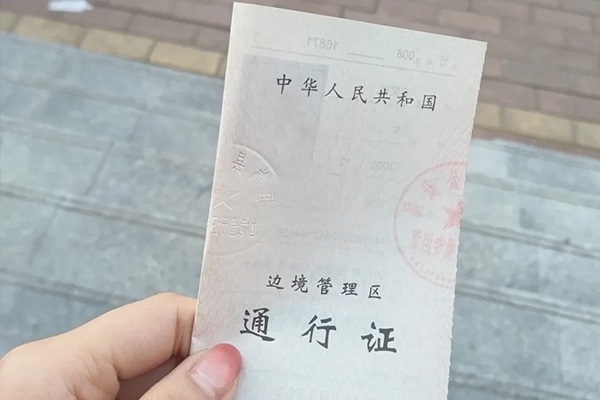
Foreign travelers embarking on a Chengdu to Lhasa Overland Tour must secure specific documentation. Beyond a standard Chinese visa, you will need a Tibet Travel Permit, which must be arranged through a registered travel agency in advance. Additionally, traveling through certain counties along the route requires Alien Travel Permits. These bureaucratic steps cannot be skipped or rushed, so start planning your paperwork weeks ahead of your intended departure date.
Accommodation options range from comfortable hotels in larger towns like Kangding and Nyingchi to very basic guesthouses in remote villages. Booking ahead is wise during peak seasons (May to October). Keep cash on hand, as digital payment systems and ATMs become scarce once you leave the major towns behind. Fuel stations are spaced out, so adopt the habit of filling up your tank whenever you see a station, regardless of how full you think you are.
Food and Culinary Experiences on the Road
As a culinary journey, a Chengdu to Lhasa Overland Tour is fascinating. You begin in Chengdu, the undisputed capital of spicy Sichuan cuisine. Before leaving, enjoy authentic mapo tofu, dan dan noodles, and fiery hotpot. As you cross into the Tibetan regions, the flavor profile shifts entirely. Spices give way to hearty, warming foods designed to sustain people in harsh climates.
You will frequently encounter tsampa (roasted barley flour mixed with butter tea), momos (Tibetan dumplings filled with yak meat or vegetables), and thukpa (a comforting noodle soup). Yak meat becomes a staple protein, served dried, stewed, or grilled. Butter tea, rich and salty, is offered everywhere; it is an acquired taste for many foreigners but essential for maintaining energy and warmth at high altitudes. Eating local food isn’t just about sustenance on this trip—it is a direct connection to the culture and environment you are traversing.
Reaching Lhasa: The Final Reward
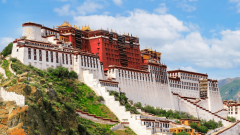
The culmination of your Chengdu to Lhasa Overland Tour is arriving in the holy city of Lhasa. After days of winding roads, high passes, and dramatic weather changes, seeing the golden roofs of the Potala Palace against the bright blue sky is an emotional moment. Lhasa offers a chance to finally rest, explore ancient temples like Jokhang, and wander through the bustling Barkhor Street market.
Taking the overland route rather than flying directly into Lhasa allows your body to acclimatize naturally, significantly reducing the shock of the high altitude upon arrival. More importantly, it transforms the trip from a simple vacation into a profound expedition. Every mile driven, every mountain crossed, and every bowl of noodle soup shared with locals adds layers of meaning to your time in Tibet. A Chengdu to Lhasa Overland Tour demands preparation, patience, and respect for the environment, but it rewards you with memories that last a lifetime.