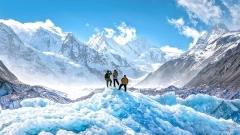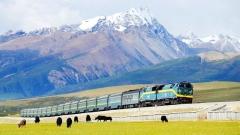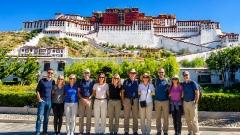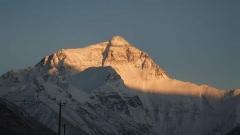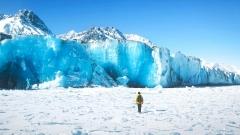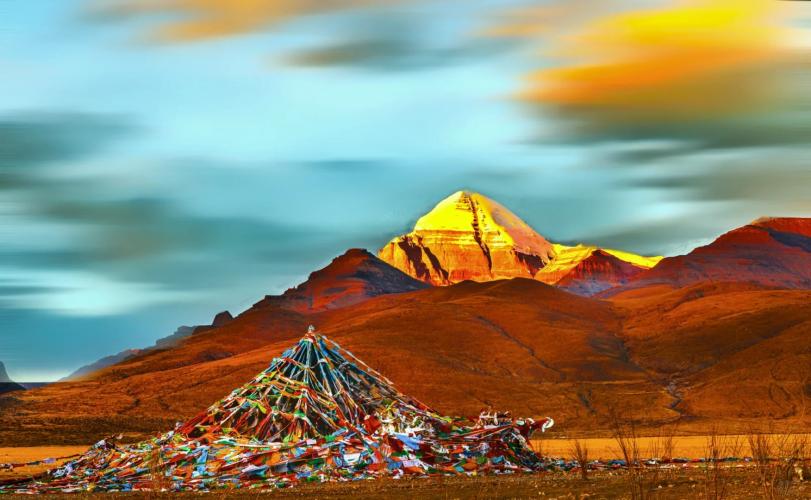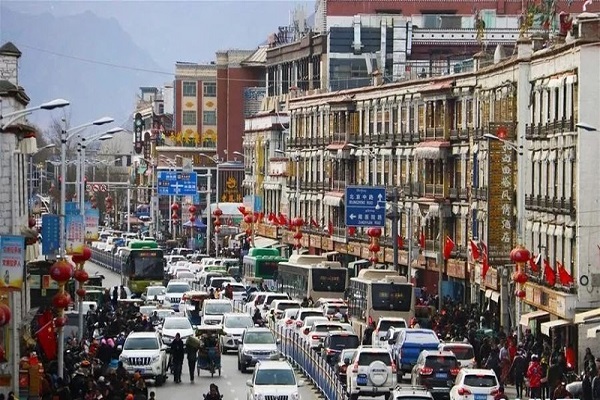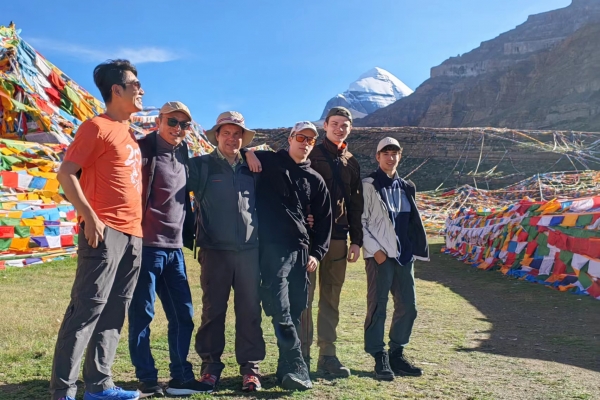

October is one of the most rewarding months to visit Tibet, especially for international travelers looking for clear mountain views, comfortable daytime temperatures, autumn scenery, and fewer crowds. As the summer monsoon retreats, the Tibetan Plateau becomes noticeably drier and the skies are often deep blue and exceptionally clear. Daytime temperatures remain pleasant in many popular destinations, while mornings and evenings can be cold at higher elevations. October is also an excellent month for photography, sightseeing, trekking, and cultural exploration, although travelers should plan carefully around China’s National Day holiday at the beginning of the month.
Key Points
- October offers some of Tibet’s clearest mountain views — low rainfall and dry air create excellent visibility for Everest, Yamdrok Lake, Namtso, and other high-altitude landscapes.
- Daytime weather is generally comfortable, but temperatures vary significantly by altitude — Lhasa can reach around 16°C, while places such as Namtso and Everest Base Camp can fall below freezing.
- Autumn scenery makes October particularly attractive for photographers — Nyingchi, Shannan, Lhasa, and the routes toward Shigatse develop golden foliage and dramatic seasonal colors.
- The first week is busy because of China’s National Day holiday — traveling after the holiday usually means fewer tourists, quieter attractions, and a more relaxed Tibet experience.
Tibet Weather In October: What Is The Climate Like?
October marks the transition from autumn toward winter in Tibet. Compared with July and August, when the summer monsoon brings more clouds and rainfall, October is considerably drier and more stable. The combination of low precipitation, strong sunshine, and clean plateau air often produces excellent visibility.
Temperatures vary greatly between daytime and nighttime. In Lhasa and other relatively lower-altitude destinations, the sun can make the afternoon feel surprisingly warm, while temperatures drop quickly after sunset. At higher locations such as Namtso Lake, Everest Base Camp, and the Mount Kailash region, freezing temperatures are common.
This large temperature difference is one of the most important things to understand about traveling in Tibet in October. You may start the morning wearing a down jacket, remove several layers during the afternoon, and need the jacket again after sunset.
The dry weather is particularly favorable for sightseeing. Rain is relatively uncommon, and prolonged periods of poor visibility are less likely than during the summer monsoon season. For international visitors hoping to photograph snow-covered mountains against a deep-blue sky, October can be an exceptional time to travel.
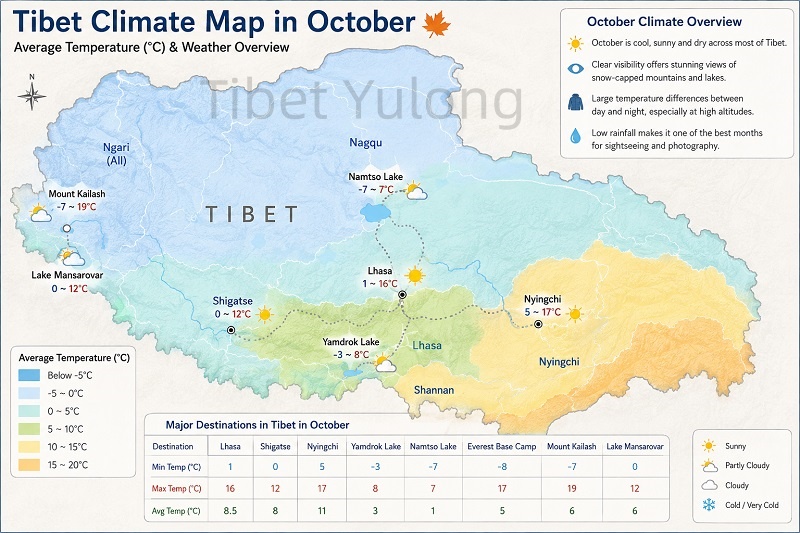
Tibet Weather In October
Why Visit Tibet In October?
October combines several advantages that are difficult to find during the same month. The weather is relatively stable, the summer crowds begin to disappear, autumn colors appear across many valleys, and the Himalayan peaks can be remarkably clear.
Clear Skies And Mountain Views
One of the biggest reasons to visit Tibet in October is visibility. After the summer rains begin to disappear, the atmosphere becomes noticeably drier. This can create impressive views of the Himalayas, especially around Everest Base Camp.
Mount Everest is never guaranteed to be visible because mountain weather can change quickly, but October generally provides favorable conditions for travelers hoping to see the summit clearly.
The same advantage applies to Tibet’s famous alpine lakes. Yamdrok Lake, Namtso, and Lake Mansarovar can appear particularly vivid under the intense plateau sunlight, with blue or turquoise water contrasting against surrounding mountains.
Golden Autumn Landscapes
October is also an excellent month for autumn scenery. Trees around Lhasa, Shannan, and especially Nyingchi gradually turn yellow and golden, creating a very different visual experience from the lush green landscapes of summer.
For photographers, the combination of golden foliage, snow-covered mountains, deep-blue skies, and traditional Tibetan architecture provides numerous opportunities for landscape photography.
Nyingchi is particularly attractive during this period because its relatively mild climate supports extensive forests and valleys. The changing foliage adds another layer of color to an already dramatic landscape.
Fewer Tourists After National Day
October has an important seasonal distinction: early October and the rest of the month can feel very different.
China’s National Day holiday takes place in the first week of October and is one of the busiest domestic travel periods of the year. Popular destinations, hotels, trains, flights, and tourist vehicles can become heavily booked.
After the holiday period, visitor numbers generally decrease. For international travelers who prefer quieter attractions and a more relaxed pace, the second half of October can therefore be particularly appealing.
You can spend more time exploring monasteries, walking through old streets, photographing landscapes, and observing everyday Tibetan life without the same level of summer or holiday crowds.
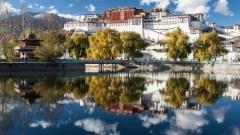
Tibet Weather In October By Destination
Tibet is enormous, and weather conditions differ substantially between destinations. Altitude and geography have a major influence on temperatures, so travelers should not rely on a single “Tibet temperature” when planning their trip.
Lhasa: 1°C–16°C
Lhasa is one of the most comfortable places to visit in Tibet during October. Average temperatures range from approximately 1°C to 16°C, although mornings and evenings can feel colder.
The famous “City of Sunlight” receives strong sunshine during the day, making outdoor sightseeing pleasant when you wear appropriate layers.
October is an excellent time to explore the Potala Palace, Jokhang Temple, Barkhor Street, Sera Monastery, and Drepung Monastery. The surrounding trees begin taking on autumn colors, while the cooler weather makes walking around the historic center more comfortable than during the warmer summer months.
Lhasa is also a good place to spend the first few days of your Tibet trip. Because of its comparatively lower altitude than many destinations on the plateau, allowing your body time to acclimatize here before traveling to higher areas is a sensible approach.
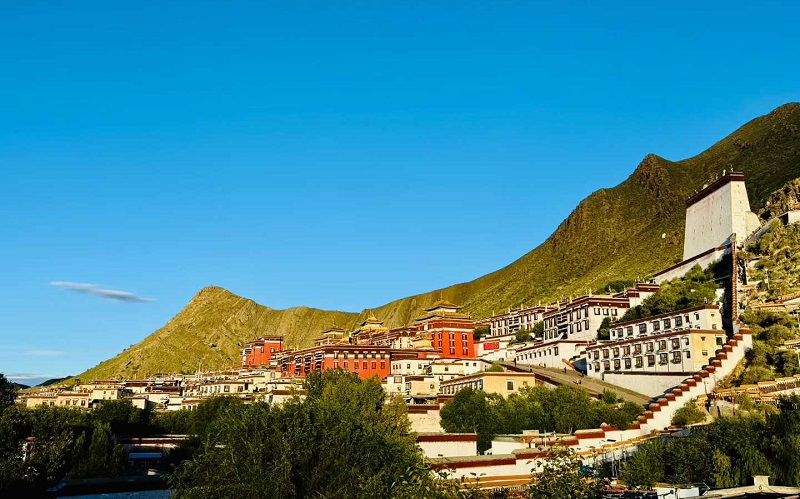
Shigatse: 0°C–12°C
Shigatse becomes noticeably colder in October, with temperatures generally ranging from around 0°C to 12°C.
The dry conditions and clear skies are ideal for sightseeing. Tashilhunpo Monastery is one of the major cultural highlights, while the road from Lhasa toward Shigatse offers beautiful autumn scenery.
Travelers heading toward Everest Base Camp often pass through the Shigatse region. The route can include attractions such as Gyantse and Pelkor Chode Monastery, as well as dramatic mountain landscapes.
A warm jacket is particularly useful for mornings and evenings.
Everest Base Camp: -8°C–17°C
October is widely considered one of the most attractive periods for an Everest Base Camp trip because of the combination of relatively dry conditions and good mountain visibility.
Temperatures can vary from approximately -8°C to 17°C. The difference between daytime and nighttime is substantial, and temperatures around the base camp can become very cold after sunset.
The major attraction, of course, is the view of Mount Everest. Clear weather can reveal the mountain in impressive detail, while the surrounding Himalayan peaks create an unforgettable backdrop.
If Everest is a major priority for your trip, October is an especially attractive month to consider. However, mountain weather remains unpredictable, so no travel agency can honestly guarantee a completely cloud-free summit.
Yamdrok Lake: -3°C–8°C
Yamdrok Lake becomes colder in October, with temperatures generally ranging from around -3°C to 8°C.
The lake’s turquoise water contrasts beautifully with the surrounding mountains, while the deep-blue autumn sky can make the landscape appear even more dramatic.
A viewpoint from Kambala Pass provides one of the classic panoramas of Yamdrok Lake. Because of the strong sunlight and high-altitude environment, sunglasses and sun protection remain important even when the air feels cold.
Nyingchi: 5°C–17°C
Nyingchi is one of the more comfortable regions of Tibet in October, with temperatures generally between 5°C and 17°C.
Its forests and valleys make it particularly attractive during autumn. Golden and yellow foliage appears across the landscape, creating a strong contrast with the surrounding mountains.
If your interests include photography, nature, forests, and scenic road trips rather than only high-altitude landscapes, Nyingchi can add a completely different dimension to a Tibet itinerary.
Shannan is another worthwhile destination during this season, especially for travelers interested in combining natural scenery with Tibetan history and culture.
Namtso Lake: -7°C–7°C
At an elevation of about 4,618 meters, Namtso Lake is considerably colder than Lhasa in October. Temperatures can range from approximately -7°C to 7°C.
The lake remains an extraordinary destination, with blue water, vast open landscapes, and surrounding snow-covered mountains. However, the higher altitude means that visitors should take altitude acclimatization seriously.
Namtso is about 1,000 meters higher than Lhasa, so it is better to spend several days acclimatizing in Lhasa before making the journey to the lake.
October can be one of the last comfortable opportunities of the year to visit Namtso before winter conditions become increasingly severe.
Mount Kailash: -7°C–19°C
Mount Kailash lies in western Tibet’s Ngari region, where conditions can be considerably more extreme than in Lhasa.
October can still provide favorable conditions for trekking around Mount Kailash, with little rainfall and relatively clear skies. Daytime temperatures may become surprisingly warm under direct sunshine, but temperatures can fall well below freezing at night.
For pilgrims and trekkers, October offers a combination of dry conditions, excellent visibility, and fewer tourists compared with the main summer season.
Because the Kailash kora takes place at very high altitude, however, physical preparation and proper acclimatization are essential.
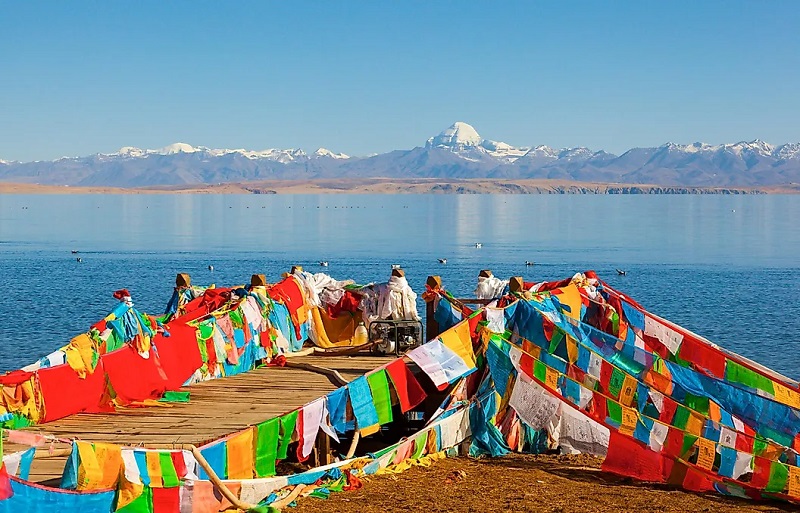
Lake Mansarovar and Mount Kailash
Lake Mansarovar: 0°C–12°C
Lake Mansarovar is close to Mount Kailash and can easily be incorporated into a western Tibet itinerary.
In October, temperatures generally range from around 0°C to 12°C. The lake becomes increasingly peaceful as the number of visitors declines.
On a clear day, the combination of the lake’s reflective surface, surrounding mountains, and autumn light can create extraordinary scenery. Warm clothing is necessary, especially in the morning and evening.
Tibetan Festivals And Cultural Experiences In October
October is not only about scenery. Depending on the Tibetan lunar calendar, visitors may also have opportunities to experience important religious and cultural events.
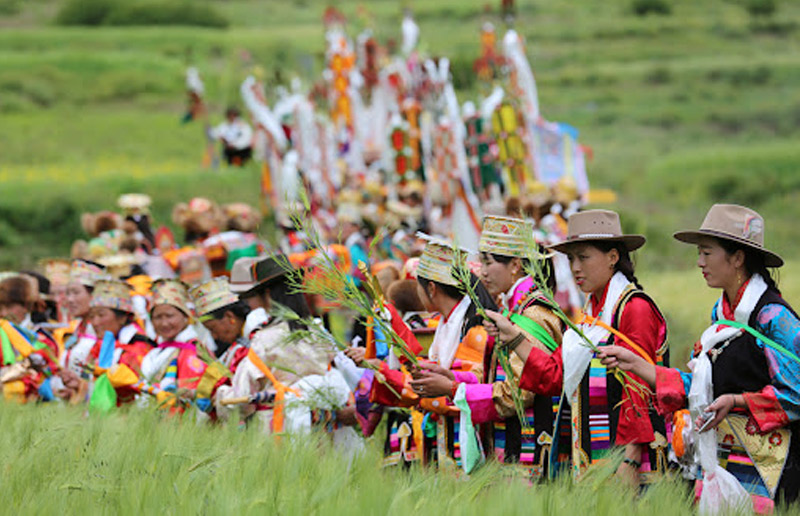
Ongkor Festival
The Ongkor Festival is traditionally associated with the agricultural harvest. Its name refers to the practice of walking around fields, and the celebration is closely connected with local farming communities.
The exact date is not fixed because it depends on local agricultural conditions, but the festival commonly takes place around late September or early October.
Traditional celebrations may include prayers, singing, dancing, horse-related activities, and other forms of community entertainment. For international travelers, this can be an opportunity to see Tibetan rural traditions in a setting that feels very different from a conventional tourist attraction.
Tibet Ongkor Festival
Buddha’s Descent Day
Buddha’s Descent Day is another significant Tibetan Buddhist observance. It commemorates the Buddha’s return from heaven after teaching Buddhist principles.
The festival follows the Tibetan lunar calendar and may fall in October or early November depending on the year. In Lhasa, pilgrims gather around important religious sites such as Jokhang Temple and Barkhor Street.
Visitors should approach religious activities respectfully, particularly when entering monasteries or observing pilgrims.
What To Wear In Tibet In October
The best strategy for October is layering.
During the daytime in Lhasa, a long-sleeved shirt combined with a light jacket may be enough when the sun is strong. In the evening, however, you will probably want a warmer layer.
For higher destinations such as Everest Base Camp, Namtso, and Mount Kailash, bring a proper down jacket, warm trousers, gloves, a hat, and other cold-weather clothing.
Comfortable walking shoes are essential, particularly if you plan to visit monasteries, mountain viewpoints, or participate in trekking activities.
Don’t forget sunglasses and sunscreen. Tibet’s high elevation means that ultraviolet radiation can be intense even when temperatures feel cold.
The dry climate can also cause chapped lips and dry skin, so moisturizer and lip balm are useful additions to your luggage.
Altitude And Health Tips For Tibet In October
Weather is only one factor to consider when planning a Tibet trip. Altitude is equally important.
Many international visitors arrive from much lower elevations, and destinations such as Namtso, Everest Base Camp, and Mount Kailash are significantly higher than Lhasa.
Rather than rushing immediately into a high-altitude itinerary, it is generally better to allow several days in Lhasa for acclimatization. Keep your first days relatively relaxed, drink sufficient water, eat regular meals, and avoid excessive physical exertion while your body adjusts.
If you develop serious or worsening symptoms of altitude sickness, seek medical assistance rather than attempting to continue a demanding itinerary.
Because October is dry, hydration and skin care are also important. The combination of cold air, low humidity, strong sunlight, and high altitude can be surprisingly demanding on the body.
How To Avoid Crowds In Tibet In October
If your schedule is flexible, consider traveling after the first week of October.
The National Day holiday creates a major temporary increase in domestic tourism. Transportation and accommodation can become more expensive and harder to secure, while major attractions may be significantly busier.
Once the holiday period ends, the atmosphere changes. October becomes quieter, and international visitors can enjoy a more peaceful experience.
This is particularly valuable at cultural attractions. Instead of rushing through a monastery or waiting in a large crowd for photographs, you may have more time to appreciate the architecture, religious atmosphere, and surrounding scenery.
Booking your transportation, hotels, and Tibet tour well in advance is still recommended, particularly if your itinerary includes Everest Base Camp or western Tibet.
Is October A Good Time To Visit Tibet?
Yes, October is an excellent time to visit Tibet, especially for travelers who prioritize clear mountain views, autumn scenery, comfortable daytime sightseeing, and smaller crowds.
There are a few important qualifications. The first week can be extremely busy because of China’s National Day holiday, and high-altitude destinations become increasingly cold as the month progresses.
For first-time visitors, a balanced itinerary combining Lhasa’s cultural attractions with Shigatse, Yamdrok Lake, Everest Base Camp, or Nyingchi can make excellent use of October’s weather.
Travelers interested in Mount Kailash and Lake Mansarovar can also consider October, provided they are properly prepared for the higher altitude and colder conditions.
Overall, October offers a particularly attractive combination: clear skies, golden autumn landscapes, fewer tourists after the holiday period, and excellent opportunities to experience Tibet’s cultural and natural highlights.
Plan Your October Tibet Trip With Tibet Yulong Travel
Choosing the right route is especially important in October because Tibet’s weather changes significantly between Lhasa and the higher mountain regions. Tibet Yulong Travel can help international travelers design an itinerary around their interests, whether you want to focus on Tibetan culture in Lhasa and Shigatse, photograph autumn landscapes in Nyingchi, see Mount Everest, or travel farther west toward Mount Kailash and Lake Mansarovar.
An experienced local travel team can also help coordinate transportation, accommodation, permits, guides, and route planning according to the conditions of your chosen destinations. For international visitors traveling to Tibet for the first time, this can make the journey much easier and allow more time to focus on the landscapes, monasteries, and culture that make the Tibetan Plateau so distinctive.