
Tibet is a destination where the landscape, climate, culture, and travel experience change dramatically with the seasons. From the blooming peach blossoms of Nyingchi in spring to crystal-clear Himalayan views in autumn, each period of the year offers a different reason to visit. Understanding the Tibet travel seasons can help you choose the right month based on your interests, whether you want comfortable sightseeing, mountain trekking, cultural festivals, fewer tourists, or lower travel costs.
Key Takeaways
- Best overall travel period: April to October, when most destinations are accessible and weather conditions are generally more comfortable.
- Best months for balanced weather: May, June, September, and October.
- Best season for Nyingchi peach blossoms: Late March to April.
- Best season for lakes such as Namtso: Summer, especially after the lake has thawed.
- Best months for Mount Everest views: May, June, September, and October, when skies are generally clearer.
- Best season for trekking: Late spring through autumn, depending on the route and altitude.
- Best festival season: Tibetan festivals take place throughout the year, with major celebrations concentrated around spring and summer.
- Quietest travel period: Winter, when there are fewer tourists and lower travel costs but much colder conditions.
- Best time to avoid major crowds: April, May, and October, while avoiding China’s National Day holiday in early October.
When Is The Best Time To Visit Tibet?
Tibet can be visited throughout the year, but the ideal season depends greatly on where you want to go and what you want to experience.
For most international travelers, April to October is the most practical period for a Tibet tour. Temperatures are generally more comfortable, major attractions are accessible, and high-altitude destinations become easier to reach as winter conditions disappear.
Among these months, May, June, September, and October offer an especially attractive combination of comfortable temperatures, relatively favorable weather, and good sightseeing conditions. July and August are warmer, but they also bring more visitors and the strongest influence of the summer monsoon.
If mountain scenery is your priority, late spring and autumn are particularly appealing. If you want flowers and colorful landscapes, spring is ideal. For cultural experiences and festivals, summer can be especially rewarding. Meanwhile, winter offers a completely different experience: fewer tourists, peaceful monasteries, bright sunshine, and much lower travel costs.
Tibet Travel Seasons By Month
Tibet’s climate is strongly influenced by its high elevation. Even during summer, temperatures can fall considerably after sunset, while intense sunlight can make daytime temperatures feel warmer than expected.
The following monthly overview provides a general guide to temperature and rainfall patterns:
| Month | Typical Conditions |
|---|---|
| January | Cold and dry, with freezing nights and limited access to some high-altitude areas |
| February | Cold but often sunny; suitable for Lhasa and southern Tibet, while remote northern areas remain harsh |
| March | Winter gradually transitions into spring; Nyingchi begins to warm and peach blossoms appear later in the month |
| April | Mild, relatively dry, and one of the best months for sightseeing, especially in Nyingchi and Lhasa |
| May | Warm and increasingly accessible; excellent for Everest, Yamdrok Lake, Lhasa, and Mount Kailash |
| June | Warm and generally pleasant; early monsoon showers begin, while trekking conditions are often favorable |
| July | Warm and wetter; summer scenery is lush, but rainfall can affect roads in remote areas |
| August | The wettest and busiest month; warm conditions and green landscapes make it popular despite heavier rainfall |
| September | Cooler, clearer, and less rainy; one of the best periods for mountain and plateau scenery |
| October | Dry and crisp with excellent visibility; a particularly good month for sightseeing before winter arrives |
| November | Increasingly cold and dry, with fewer visitors and limited access to some remote destinations |
| December | Very cold and quiet; suitable mainly for travelers seeking a peaceful winter experience in central Tibet |
Spring In Tibet: March To May
Spring in Tibet is a season of transition. March can still feel like winter, particularly in high-altitude areas, but conditions improve noticeably as April approaches.
At the beginning of spring, places such as Namtso and Manasarovar may remain frozen because of their extreme elevations. Daytime temperatures gradually become more pleasant, while nights remain cold. By April and May, much of southern and central Tibet becomes considerably more comfortable for sightseeing.
One of the biggest attractions of spring is the contrast between snow-covered mountains and newly emerging vegetation. The most spectacular example can be found in Nyingchi, where wild peach trees burst into bloom.
Nyingchi Peach Blossom Season
Nyingchi is the standout spring destination in Tibet. From late March through April, peach blossoms cover riverbanks, villages, valleys, farmland, and mountain foothills.
The combination of pink and white flowers, snow-covered peaks, green valleys, Tibetan villages, and rushing rivers creates a landscape very different from the dry plateau scenery commonly associated with Tibet.
Bomi Peach Blossom Valley is particularly famous for its extensive concentration of wild peach trees. During the annual Nyingchi Peach Blossom Festival, visitors can also experience local performances, traditional costumes, food, horse racing, archery, and other cultural activities.
For photographers and travelers looking for a colorful spring landscape, late March and April are among the most rewarding times to visit Nyingchi.
Why Visit Tibet In Spring?
Spring is a good choice for travelers who prefer relatively mild weather without the crowds of the summer high season. April and May generally provide good visibility, limited rainfall, and comfortable daytime conditions in Lhasa and other lower-altitude destinations.
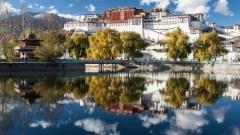
It is also a good period for visiting cultural attractions such as the Potala Palace, Jokhang Temple, Sera Monastery, and Tashilhunpo Monastery without the intensity of the summer crowds.
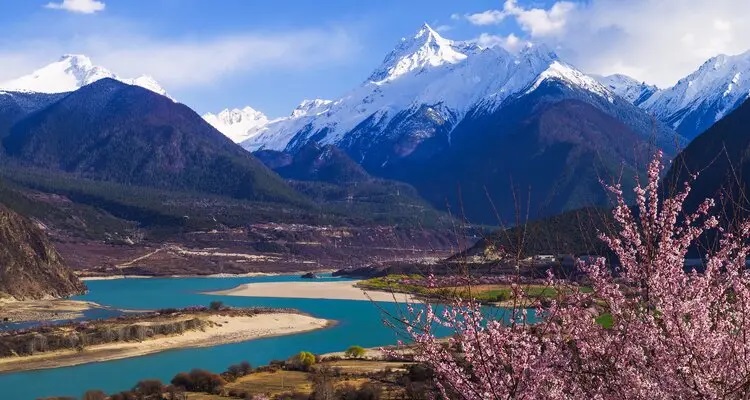
Mt. Namcha Barwa and Peach Blossoms
Summer In Tibet: June To August
Summer is generally considered the busiest travel season in Tibet. Temperatures are relatively comfortable because of the plateau’s high elevation, and destinations that remain inaccessible during winter become easier to reach.
The major drawback is the summer monsoon. Rainfall increases from June and is usually strongest in July and August. However, rainfall patterns vary considerably across Tibet. In many popular destinations, rain is more common in the evening or at night, leaving parts of the day suitable for sightseeing.
Higher and more arid areas such as Ngari generally receive much less precipitation than wetter regions such as Nyingchi.
June: A Comfortable Start To Summer
June offers a particularly good balance between warm weather and manageable rainfall. It is an excellent month for high-altitude trekking, visiting Everest Base Camp, exploring sacred mountains, and enjoying Nyingchi’s lush landscapes.
The rhododendron season in Nyingchi is another highlight. Around Basum Tso and other mountain areas, pink, red, and white rhododendrons can add color to the scenery.
June is also an important period for Tibetan cultural events, including Saga Dawa and the Linka Festival, depending on the Tibetan lunar calendar.
July And August: Warm, Green, And Lively
July and August bring the warmest conditions and the greenest landscapes to many parts of Tibet. Namtso is fully thawed, grasslands are vibrant, and wildflowers can be seen across northern and eastern areas.
These months are also associated with major Tibetan festivals, including the Shoton Festival, Ganden Thangka Unveiling Ceremony, and Nagchu Horse Racing Festival.
However, summer is also when Tibet receives its heaviest rainfall. Remote mountain roads can occasionally be affected by landslides, mudslides, or poor road conditions. Travelers planning routes into remote areas should therefore allow some flexibility.
August is generally the wettest month, so it is not necessarily the best choice if your main goal is guaranteed mountain visibility, particularly around Everest.
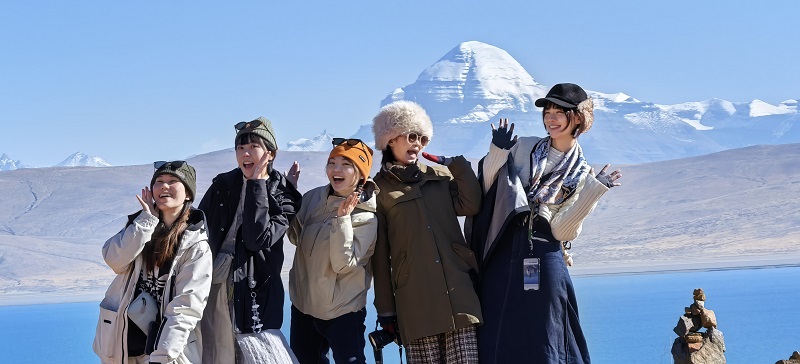
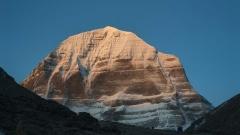
Mount Kailash
Autumn In Tibet: September To October
Autumn is widely regarded as one of the best seasons for Tibet travel. The summer monsoon gradually retreats, skies become clearer, and the landscape takes on a crisp, dramatic appearance.
September and October are particularly attractive for travelers who want to combine comfortable sightseeing with mountain photography.
Clear Himalayan Views
Mount Everest is one of the biggest reasons to visit Tibet in autumn. With less cloud cover and drier conditions, there are often excellent opportunities to see the summit clearly from the Tibetan side.
The same favorable conditions benefit other mountain and lake destinations, including Namtso, Yamdrok Lake, and the Himalayan valleys.
Autumn In Nyingchi
Nyingchi is not only a spring destination. In autumn, its forests gradually turn shades of yellow and orange, creating a completely different landscape.
Lulang Forest and Ranwu Lake are particularly attractive for photography during this season. The combination of colorful forests, high mountains, lakes, and blue skies makes autumn one of the most visually impressive periods in southeastern Tibet.
October Travel Considerations
October is an excellent month for Tibet, but travelers should be aware of China’s National Day holiday around October 1. Tourist numbers and transportation demand can rise sharply during this period.
If you want the advantages of October without the biggest crowds, traveling before or after the major holiday period can provide a more relaxed experience.
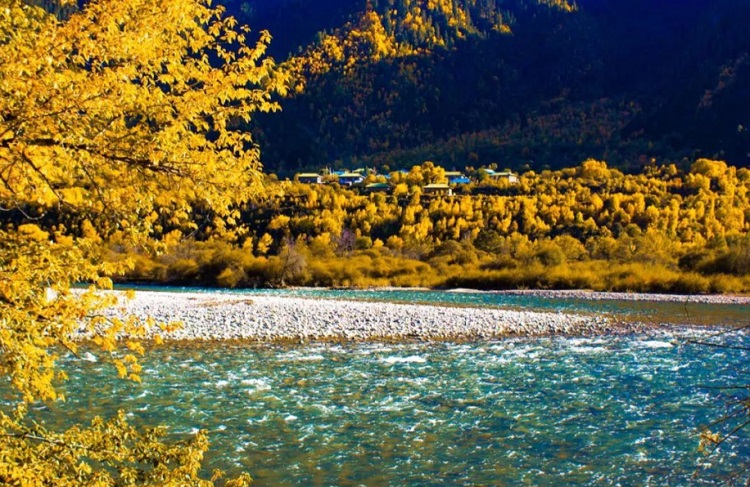
Nyingchi in Autumn
Winter In Tibet: November To February
Winter is the quietest travel season in Tibet. Temperatures can be extremely low at night, especially in northern and western Tibet, and some high-altitude roads and attractions may become inaccessible because of snow and ice.
Nevertheless, winter should not simply be dismissed as an unsuitable time to visit.
Lhasa and several destinations in southern Tibet receive abundant sunshine during the day. The dry atmosphere often produces exceptionally clear skies, while the lack of tourists creates a much quieter experience at major monasteries and cultural sites.
Why Consider A Winter Tibet Tour?
Winter can be attractive to travelers who prioritize tranquility over warm weather. Hotels and transportation can also be more affordable than during the peak summer season.
Lhasa, Shigatse, Gyantse, and Shannan are generally more practical winter destinations than remote high-altitude regions.
The biggest advantage is the atmosphere. With fewer visitors around, you can spend more time exploring monasteries, walking around historic streets, and observing local Tibetan life without the crowds found during summer.
Best Tibet Travel Season For Different Experiences
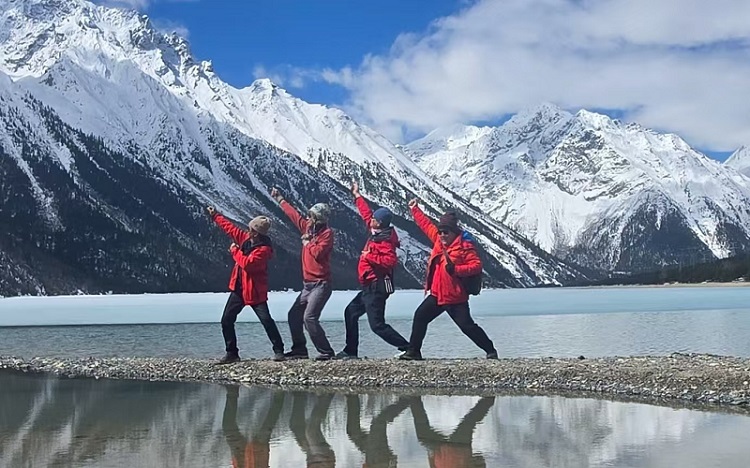
There is no single “best” month for everyone. Your ideal travel season depends on the experience you want.
Best Time For First-Time Visitors
May, June, September, and October are strong choices for first-time visitors because they offer a good balance of weather, accessibility, scenery, and travel comfort.
Best Time For Everest Base Camp
May, June, September, and October are generally preferred for clearer mountain views and more favorable trekking conditions. July and August can bring more clouds and rain because of the monsoon.
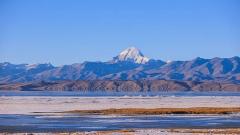
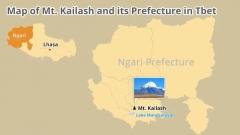
Best Time For Mount Kailash
The main trekking season for the Mount Kailash Kora is generally from late spring through early autumn, when roads and mountain passes are more accessible. Winter conditions can make the region extremely cold and difficult to reach.
Best Time For Namtso Lake
Summer and early autumn are the safest choices for travelers who want to see Namtso’s open blue water and surrounding grasslands. During colder months, the lake can freeze and access may be restricted.
Best Time For Nyingchi
Late March to April is ideal for peach blossoms, while September to October is excellent for autumn forests and mountain photography.
Best Time For Tibetan Festivals
Festivals follow the Tibetan lunar calendar, so their dates vary from year to year. Major events include Tibetan New Year, the Butter Lamp Festival, Saga Dawa, Linka Festival, Shoton Festival, Ganden Thangka Unveiling, and Nagchu Horse Racing Festival.
If experiencing a particular festival is important to you, check its exact dates before booking your trip.
What To Wear In Different Tibet Seasons
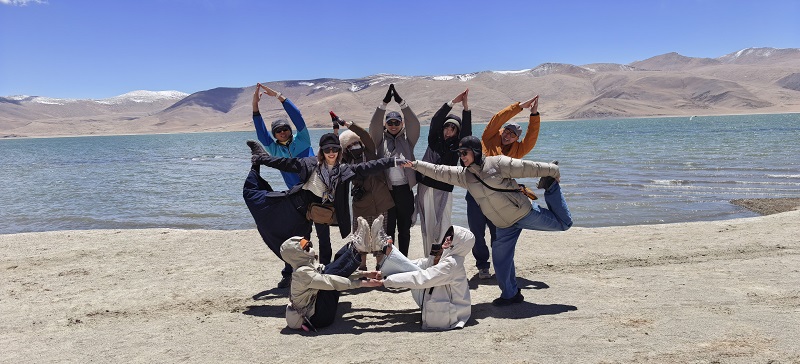
Tibet’s temperature can change dramatically between daytime and nighttime, so layering is more useful than relying on a single heavy garment.
In spring and autumn, bring thermal layers, a sweater or fleece, a windproof jacket, and a warmer coat for early mornings and evenings.
In summer, lightweight clothing works well during the daytime in Lhasa and other lower-altitude areas, but a fleece or lightweight down jacket is still useful at night and at higher elevations. A rain jacket is particularly important during July and August.
In winter, warm layers, a thick down jacket, gloves, a hat, and insulated footwear are essential, especially outside Lhasa.
Regardless of the season, strong UV radiation is a constant feature of the Tibetan Plateau. Sunglasses, sunscreen, lip balm, and a sun hat should therefore be included in every Tibet packing list.
Comfortable walking shoes are also important because many monasteries, temples, viewpoints, and historic sites involve stairs or uneven ground.
Is Tibet Travel Possible All Year Round?
Yes, Tibet travel is possible throughout the year, but not every destination has the same accessibility in every season.
Lhasa and many cultural attractions can be visited throughout the year. By contrast, extremely high-altitude destinations such as Namtso, Mount Kailash, and some remote areas of Ngari can become difficult or inaccessible during winter.
Weather conditions can also affect mountain roads, particularly during periods of heavy snowfall or summer rainfall.
For this reason, your itinerary should be designed around the season rather than simply choosing attractions independently.
Can You Travel To Tibet Independently?
International travelers cannot simply explore Tibet independently in the same way they might travel through other parts of China. Tibet travel requires the appropriate permits and must be arranged through an authorized travel agency, with organized travel and a guide according to the applicable regulations.
A local travel agency can also help coordinate transportation, accommodation, permits, guides, and route planning, which is particularly valuable when visiting remote or high-altitude destinations.
How To Choose Your Ideal Tibet Travel Season
The easiest way to choose a travel month is to start with your main goal.
If you want flowers, choose Nyingchi in late March or April. If you want comfortable sightseeing and fewer crowds, consider April, May, or October. If you want trekking, late spring, summer, and early autumn are generally more suitable. If you want clear Himalayan views, May, June, September, and October are strong choices. If you want festivals and local cultural experiences, check the Tibetan calendar and plan around the festival dates. If you want peace, lower costs, and fewer tourists, consider winter and focus your itinerary on Lhasa and other accessible areas.
Ultimately, the best time to visit Tibet is not simply determined by temperature. It depends on the destinations you want to visit, the activities you want to experience, and how much you value crowds, scenery, festivals, and travel comfort.
Plan Your Tibet Trip With Tibet Yulong Travel
Tibet Yulong Travel is a locally based Tibet travel agency specializing in private tours and small-group journeys for international visitors. Our local travel consultants can help you choose a suitable travel season, design an itinerary around your interests, arrange the necessary Tibet travel permits, and coordinate transportation, accommodation, and experienced local guides.
Whether you want to see Nyingchi’s spring peach blossoms, explore the cultural heritage of Lhasa, photograph Mount Everest, trek around Mount Kailash, or experience traditional Tibetan festivals, choosing the right season can make a significant difference to your trip. Contact Tibet Yulong Travel to create a Tibet itinerary based on your preferred travel dates, destinations, and travel style.