Traveling to the Tibetan Plateau is unlike any other journey on earth. As infrastructure improves and travel regulations evolve, Tibet Tourim continues to attract adventurers, spiritual seekers, and photographers from around the globe. If you are planning a trip in the near future, preparation is everything. The high altitude, unique cultural landscape, and specific entry requirements mean you cannot simply book a flight and show up. To help you navigate this incredible destination, here are 20 essential things you need to know about Tibet Tourim before you pack your bags.
key points
- Foreign travelers must obtain a Tibet Travel Permit through a registered local travel agency before entering the region.
- Altitude sickness is a serious consideration; gradual acclimatization and proper hydration are critical for a safe trip.
- Independent travel is not permitted for foreign passport holders; you must be part of an organized tour with a licensed guide.
- The best times to visit are generally spring and autumn, when skies are clear and temperatures are moderate.
Permits and Entry Requirements
1. The Tibet Travel Permit is Mandatory
No foreign traveler can enter Tibet without a Tibet Travel Permit (TTP). This document is issued by the Tibet Tourism Bureau and can only be applied for through a registered local travel agency. You will need to provide your passport and Chinese visa details well in advance.
2. Additional Permits for Remote Areas
If your itinerary includes regions outside Lhasa, such as Mount Everest Base Camp, Mount Kailash, or certain border areas, you will need additional documentation. An Alien Travel Permit and sometimes a Military Permit are required, which your tour operator will arrange on your behalf.
3. No Independent Travel for Foreigners
A crucial aspect of Tibet Tourim is that independent travel is strictly prohibited for non-Chinese passport holders. You must travel with an organized group or a private tour arranged by a licensed agency, accompanied by a certified local guide at all times.
4. Chinese Visa Prerequisites
Before applying for your Tibet Travel Permit, you must first secure a standard Chinese tourist visa from an embassy or consulate in your home country. Do not mention Tibet on your initial Chinese visa application unless advised by your tour operator, as it can sometimes complicate the process.
Health and Altitude
5. Understanding Altitude Sickness
Lhasa sits at roughly 3,650 meters (12,000 feet) above sea level, and other destinations go much higher. Acute Mountain Sickness (AMS) is a real risk. Symptoms include headaches, nausea, dizziness, and shortness of breath. Everyone reacts differently, regardless of age or fitness level.
6. Gradual Acclimatization is Key
When you arrive, take it incredibly easy for the first two days. Avoid strenuous exercise, do not rush up stairs, and try not to bathe or wash your hair on the very first night to prevent catching a cold, which complicates altitude adjustment.
7. Hydration and Diet
Drink plenty of water—much more than you normally would. The air on the plateau is extremely dry. Eat light, carbohydrate-rich meals during your first few days. Avoid alcohol and heavy, greasy foods until your body has adjusted to the elevation.
8. Consult Your Doctor Before Traveling
Visit your physician weeks before your trip. Discuss medications like acetazolamide (Diamox) that can help prevent AMS. Ensure you have no underlying heart or respiratory conditions that make high-altitude travel dangerous.
Transportation and Logistics
9. Getting There: Train vs. Flight
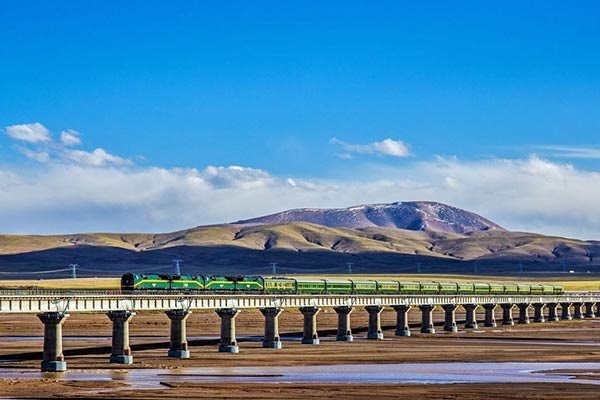
You can fly directly into Lhasa Gonggar Airport or take the famous Qinghai-Tibet Railway. While flying is faster, taking the train allows for a more gradual ascent, which many travelers find helpful for acclimatization. The train journey itself offers spectacular views of the plateau.
10. Road Conditions Have Improved
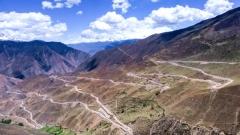
The development of Tibet Tourim has led to significant upgrades in road infrastructure. While major highways connecting Lhasa to Shigatse and Nyingchi are now paved and smooth, journeys to remote areas like Everest Base Camp still involve long hours on winding, rugged mountain roads.
11. Internal Flights Are Limited
While there are airports in Lhasa, Nyingchi, and Ali, internal flights are subject to weather delays and cancellations. Always build buffer days into your itinerary if you rely on domestic flights to connect to your international departure.
Weather and Best Time to Visit
12. The Ideal Seasons
Spring (April to May) and Autumn (September to October) are widely considered the best times for Tibet Tourim. During these months, the skies are generally clear, offering unobstructed views of the Himalayan peaks, and daytime temperatures are comfortable for sightseeing.
13. Summer Brings Rain and Crowds
Summer (June to August) is the monsoon season. While it rarely rains all day, cloud cover can obscure mountain views. However, summer also brings warmer temperatures and lush landscapes, particularly in eastern areas like Nyingchi.
14. Winter is Cold but Rewarding
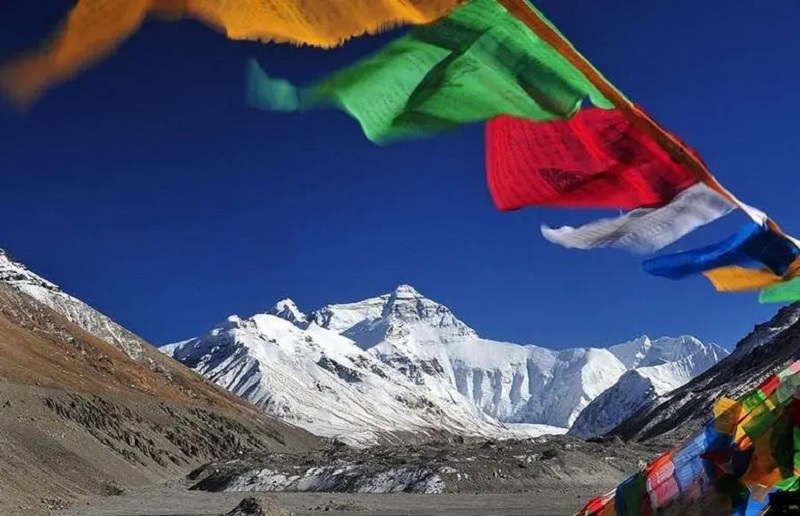
Winter (November to March) sees freezing temperatures, especially at night. Yet, winter travel offers fewer crowds, cheaper prices, and crystal-clear skies. Many dedicated photographers prefer winter for the sharp visibility of Mount Everest.
15. Extreme Temperature Swings
Regardless of the season, expect drastic temperature drops between day and night. The sun feels intensely hot during the day due to the thin atmosphere, but once it sets, temperatures plummet rapidly. Layered clothing is absolutely essential.
Culture, Etiquette, and Daily Life
16. Respect Religious Customs
Tibetan Buddhism permeates daily life. When visiting monasteries, always walk clockwise around prayer wheels, stupas, and temple complexes. Remove your hat and sunglasses inside temples, and never point your feet at monks, altars, or religious statues.
17. Photography Rules
Always ask for permission before photographing locals, especially monks or elderly pilgrims. Inside many monasteries, photography is either strictly forbidden or requires a small fee paid to the attendant. Respecting these rules is a vital part of responsible Tibet Tourim.
18. Try the Local Cuisine
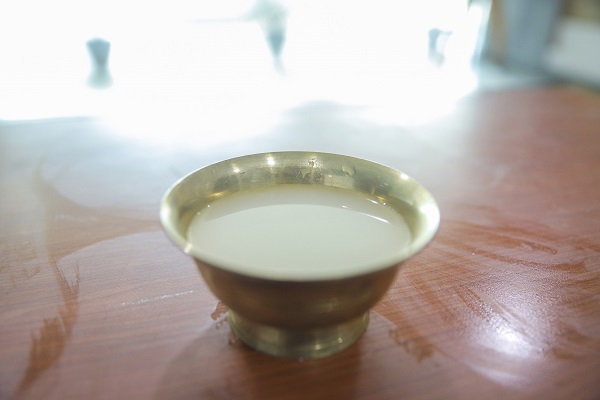
Tibetan food is hearty and designed to provide energy in a harsh climate. Try momos (steamed dumplings), thukpa (noodle soup), and yak meat. Don’t miss out on butter tea—a salty, rich beverage that locals drink constantly to combat the cold and dry air.
19. Cash is Still King in Remote Areas
While mobile payments like WeChat Pay and Alipay dominate urban China, their usability for foreign travelers in Tibet can be limited. In Lhasa, you may find places that accept cards, but once you leave the capital, carrying sufficient Chinese Yuan in cash is mandatory for buying snacks, water, or souvenirs.
20. Environmental Responsibility
The Tibetan Plateau features a fragile ecosystem. Waste management facilities are scarce outside major cities. Adopt a strict “leave no trace” philosophy. Carry a small bag to collect your trash during day trips and bring it back to your hotel in Lhasa or Shigatse for proper disposal. Preserving this environment ensures the longevity of Tibet Tourim for future generations.