Travelers from around the world have long dreamed of standing before the towering peaks of the Himalayas and walking through the ancient streets of Lhasa. Yet, when planning a journey to this high-altitude region, one question always comes up first: can tourists actually go there? The short answer is yes. You can absolutely visit Tibet as a foreign traveler, and the region remains open for tourism heading into 2026 and 2027. However, traveling here is not as simple as booking a flight and packing a bag. It requires specific permits, careful logistical planning, and an understanding of the local regulations that govern foreign travel in the region.
Whether you are drawn by the spiritual atmosphere of ancient monasteries, the breathtaking landscapes of the Tibetan Plateau, or the unique cultural heritage, preparing properly is the key to a smooth experience. Here is everything you need to know about how to visit Tibet in the coming years.
Is It Possible for Foreign Tourists to Visit Tibet?
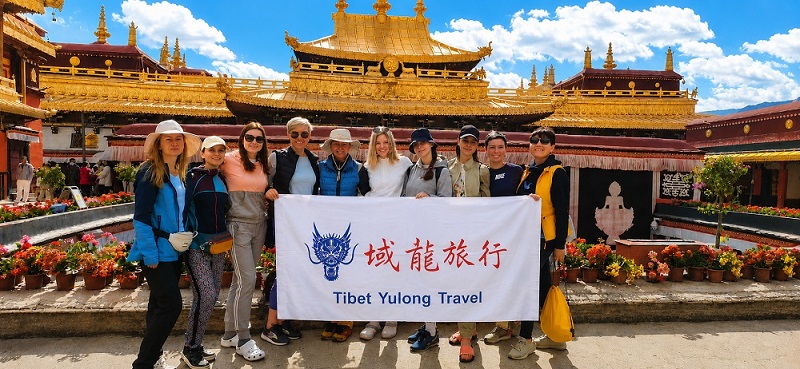
Foreign nationals are permitted to visit Tibet, but independent backpacking is not allowed. Unlike other parts of China where you can simply buy a train ticket and explore on your own, the Tibet Autonomous Region requires all foreign travelers to be part of an organized tour. This means you must book your trip through a registered travel agency that will handle your itinerary, transportation, and guide services.
This regulation has been in place for many years and is expected to remain unchanged for those looking to visit Tibet in 2026 and 2027. While some travelers might initially find this restriction frustrating, it actually simplifies the logistics of navigating a remote, high-altitude environment. Your travel agency will arrange vehicles, drivers, and English-speaking guides who understand the terrain and local customs. When you decide to visit Tibet, partnering with a reliable agency is not just a legal requirement; it is a practical necessity for a safe and enjoyable journey.
Understanding the Tibet Travel Permit
The most critical document you need to visit Tibet is the Tibet Travel Permit, sometimes referred to as the Tibet Visa. It is important to clarify that this permit does not replace a standard Chinese visa. If you are entering Tibet from mainland China, you must first obtain a regular Chinese tourist visa from the embassy or consulate in your home country. Once you have your Chinese visa, your travel agency will apply for the Tibet Travel Permit on your behalf.
The application process usually takes about two to three weeks, so you should finalize your travel dates and submit your passport copies to your agency well in advance. Without this physical permit, you will not be allowed to board a flight or a train bound for Lhasa. Railway staff and airport check-in counters strictly verify this document before issuing boarding passes.
If you plan to visit Tibet by crossing the border from Nepal, the process differs slightly. You will need a Chinese Group Visa, which your agency arranges through the Chinese embassy in Kathmandu. In this scenario, you do not need a standard Chinese visa beforehand. Regardless of your entry point, securing the correct paperwork is the foundational step to making your trip happen.
Best Routes to Enter Tibet
Choosing how to enter the region is a major part of planning your trip. There are two primary gateways for international tourists who want to visit Tibet: flying or taking the train from mainland China, or crossing the overland border from Nepal.
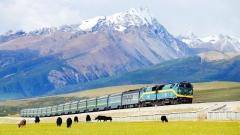
Taking the Qinghai-Tibet Railway is widely considered one of the most spectacular train journeys in the world. The train departs from cities like Xining, Chengdu, or Beijing, gradually climbing onto the plateau. This slow ascent is highly recommended because it gives your body time to adjust to the increasing altitude, significantly reducing the risk of severe altitude sickness upon arrival in Lhasa. The train features oxygen supply systems and offers panoramic views of snow-capped mountains, vast grasslands, and herds of wild antelope.
Flying directly into Lhasa Gonggar Airport is much faster, but it involves a sudden jump from low elevation to over 3,600 meters. If you choose to fly, it is wise to spend a few days acclimatizing in a mid-altitude city like Xining or Kunming before your final flight. Alternatively, flying into Nyingchi, which sits at a lower elevation than Lhasa, is becoming a popular strategy for those who want to ease into the altitude gently before heading to the capital.
For those who prefer an overland adventure, the route from Kathmandu, Nepal, across the Gyirong border is a thrilling option. This path takes you through dramatic mountain passes and allows you to experience the transition between Nepalese and Tibetan cultures firsthand.
Dealing with Altitude Sickness
Altitude sickness is the most common challenge travelers face when they visit Tibet. The average elevation of the plateau exceeds 4,000 meters, meaning the air contains significantly less oxygen than at sea level. Symptoms can include headaches, dizziness, nausea, shortness of breath, and disrupted sleep.
To minimize these effects, take it very easy during your first two days in Lhasa. Avoid strenuous exercise, heavy meals, and alcohol. Drink plenty of water and rest frequently. Many experienced travelers recommend starting an acetazolamide regimen a day or two before ascending, though you should always consult your doctor before taking any medication. Local pharmacies and hotels in Lhasa also sell portable oxygen canisters, which can provide quick relief if you feel unwell. Your guide will monitor your condition closely, as managing altitude is a routine part of their job when helping tourists visit Tibet safely.
Must-See Destinations Beyond Lhasa
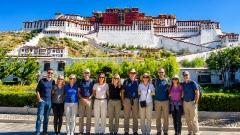
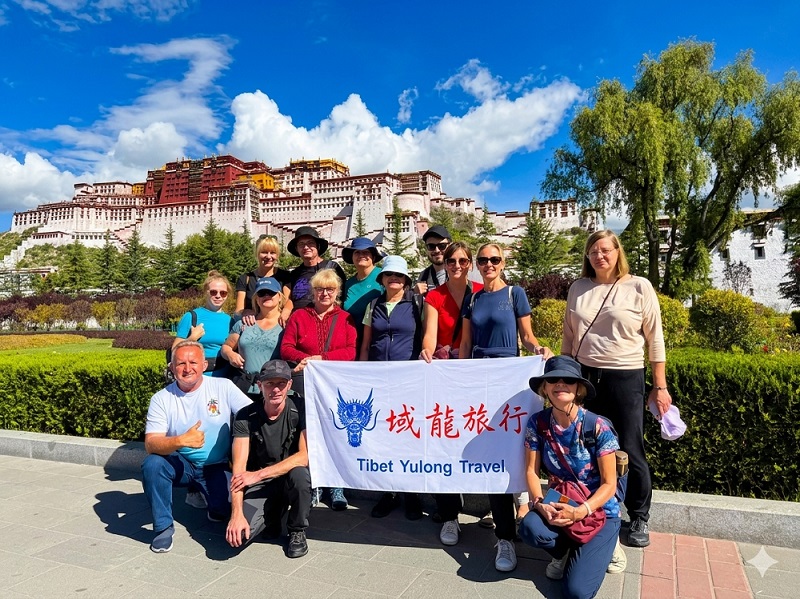
While Lhasa is the heart of the region, the true magic often lies beyond the capital. Potala Palace, Jokhang Temple, and Barkhor Street are essential stops in Lhasa, offering deep insights into Tibetan Buddhism and history. However, once you have acclimatized, venturing further afield is highly rewarding.
Mount Everest Base Camp is arguably the most sought-after destination for those who visit Tibet. Reaching the base camp at 5,200 meters provides awe-inspiring views of the world’s highest peak. The journey takes several days and usually includes stops at Yamdrok Lake, known for its stunning turquoise waters, and the Karola Glacier.
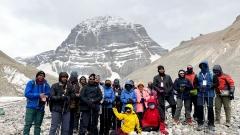
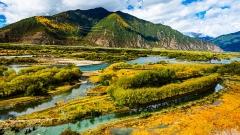
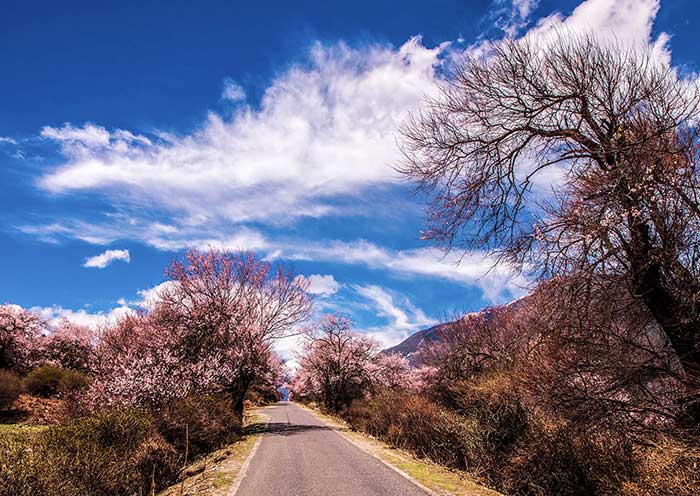
Mount Kailash is another profound destination, revered by four different religions. The multi-day trek around the mountain is physically demanding but spiritually significant for many travelers. For those interested in nomadic culture and vast open spaces, the northern Changtang region or a drive toward the eastern forests of Nyingchi offer entirely different landscapes compared to the arid western plateau. Keep in mind that visiting areas outside of Lhasa often requires additional Alien Travel Permits, which your agency will secure as part of your itinerary.
Practical Tips for Visiting Tibet in 2026 and 2027
As you look ahead to 2026 and 2027, infrastructure in the region continues to improve. Roads are being paved, and hotel standards in major towns are rising, making it more comfortable than ever to visit Tibet. However, the fundamental rules of travel remain the same.
Timing your trip is crucial. The best months to visit Tibet are generally from April to June and September to November. During these windows, the weather is relatively stable, skies are clear, and the temperatures are manageable. July and August bring the monsoon rains, which can obscure mountain views and occasionally cause road disruptions, though the landscape turns remarkably green. Winter months are very cold, but they offer crystal-clear views of the Himalayas and fewer crowds at major temples.
Packing correctly is another vital step. Even in summer, temperatures drop drastically at night due to the high altitude. Bring layered clothing, including thermal base layers, a warm fleece, and a windproof outer shell. Sun protection is non-negotiable; the UV radiation on the plateau is intense. Pack high-SPF sunscreen, polarized sunglasses, and a wide-brimmed hat. Finally, carry sufficient cash, as digital payment systems, while growing, are not universally accepted in remote villages or small monasteries.
Key Points
- Foreign tourists can visit Tibet in 2026 and 2027, but must book through a registered travel agency and join an organized tour, as independent travel is not permitted.
- A Tibet Travel Permit is mandatory and must be arranged by your agency after you obtain a standard Chinese visa (or a Chinese Group Visa if entering from Nepal).
- Gradual acclimatization is essential to prevent altitude sickness; taking the Qinghai-Tibet Railway or spending time in mid-altitude cities before arriving in Lhasa is highly recommended.
- The ideal seasons to travel are spring (April-June) and autumn (September-November), offering the best weather conditions and clearest views of the Himalayan landscapes.