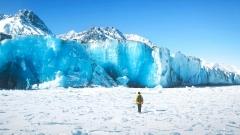
Planning a trip to the Roof of the World is an exciting endeavor, but one of the most common questions travelers ask is exactly how much time they should allocate. When you decide to visit Tibet, understanding the geography, altitude constraints, and travel logistics is crucial for building a realistic itinerary. Unlike standard city breaks where you can pack your schedule from dawn to dusk, traveling through the Tibetan Plateau requires a slower pace. The high elevation demands proper acclimatization, meaning rushing through your journey is not only uncomfortable but potentially dangerous. Whether you are dreaming of exploring ancient monasteries in Lhasa or standing at the foot of Mount Everest, the number of days you spend will directly shape your experience.
Key points
- Allocate a minimum of 4 days if you only plan to explore Lhasa, ensuring adequate time for altitude acclimatization upon arrival.
- A 7 to 8-day itinerary is the most popular choice, providing enough time to travel from Lhasa to Mount Everest Base Camp and return safely.
- Trekkers aiming for the Mount Kailash pilgrimage should budget 10 to 12 days due to the remote location and the physical demands of the high-altitude Kora.
- Always factor in mandatory travel permits, long driving distances, and potential weather delays when finalizing the total number of days for your trip.
Why Acclimatization Dictates Your Timeline
Before breaking down specific itineraries, it is essential to address the primary factor that influences how long you should stay: altitude sickness. Lhasa sits at roughly 3,650 meters (11,975 feet) above sea level. If you plan to visit Tibet and venture further into remote regions like Shigatse or the Everest Base Camp, elevations climb even higher, often exceeding 5,000 meters. Medical professionals and experienced guides universally recommend spending at least two to three full days acclimatizing upon arrival before undertaking any strenuous activities or traveling to higher altitudes. This means a two-day trip is practically impossible if you want a safe and enjoyable experience. Your body needs time to adjust to the thinner air, and scheduling rest days into your itinerary is not wasted time—it is a fundamental requirement for a successful journey across the plateau.
The 4-Day Express: Lhasa City Exploration
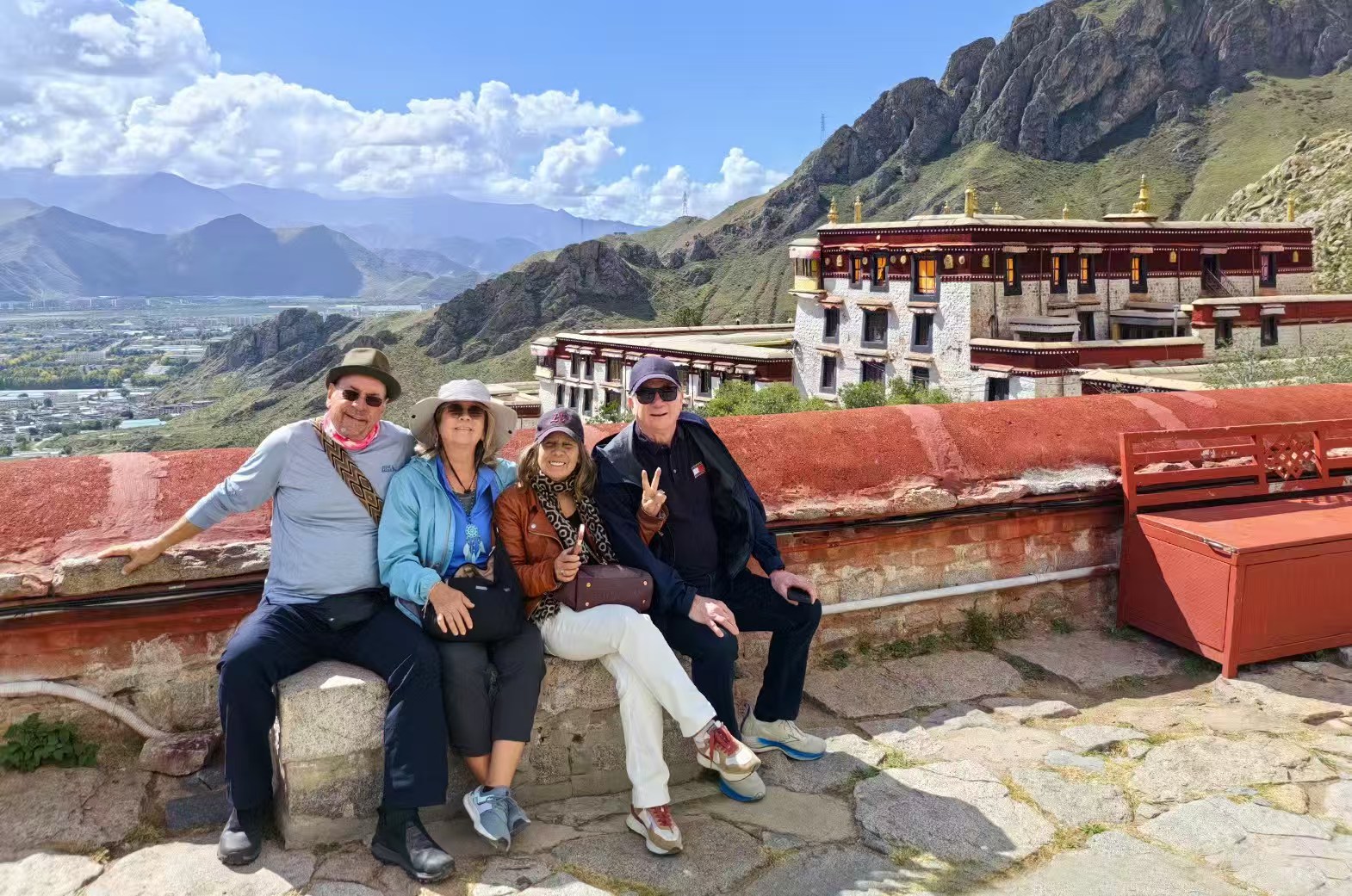
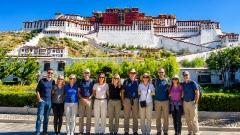
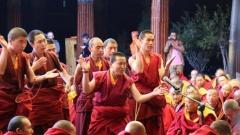
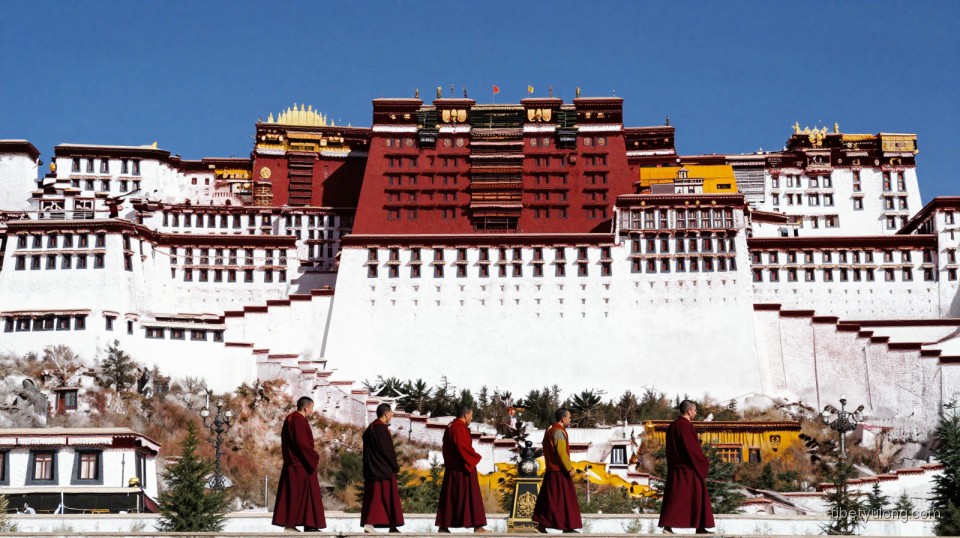
If you are severely limited by time but still desperately want to visit Tibet, a four-day itinerary focused exclusively on Lhasa and its immediate surroundings is the absolute minimum. This duration allows for one day of arrival and resting, two days of active sightseeing, and one day for departure. During your active days, you can explore the iconic Potala Palace, which requires advance ticket booking due to daily visitor limits. You can also wander through the spiritual corridors of Jokhang Temple and join the pilgrims walking the Barkhor Street circuit. On your second sightseeing day, a short drive to Drepung Monastery or Sera Monastery to watch the famous monk debates offers a deep dive into local Buddhist culture. While four days gives you a beautiful introduction to the capital, it leaves no room to explore the vast landscapes beyond the city limits.
The 7 to 8-Day Classic Route: Lhasa to Everest Base Camp
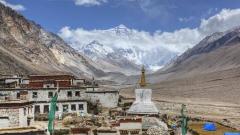
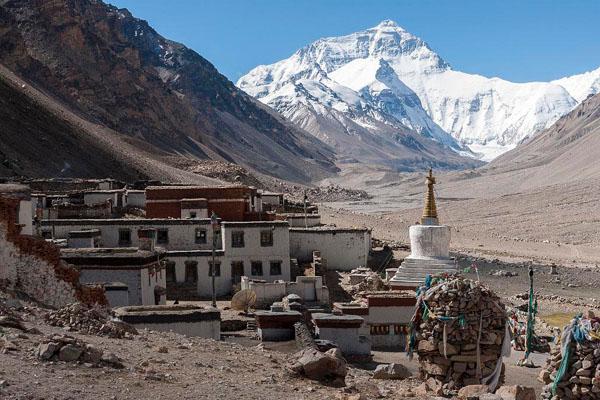
For most international and domestic travelers, seven to eight days is the sweet spot when planning to visit Tibet. This timeframe allows you to follow the classic overland route from Lhasa to Mount Everest Base Camp and back, providing a comprehensive mix of cultural immersion and breathtaking natural scenery. After spending your first two or three days acclimatizing and exploring Lhasa, you can begin driving westward. The journey typically takes you through Gyantse, where you can view the unique Kumbum Stupa, and onward to Shigatse, the second-largest city in the region and home to the Tashilhunpo Monastery. From Shigatse, the road winds through dramatic mountain passes toward Tingri and eventually the Everest Base Camp. Spending a night near the base camp allows you to witness the sunset or sunrise over the world’s highest peak. An eight-day itinerary ensures you do not have to rush the long drives between towns, giving you ample time to stop at viewpoints like the Karola Glacier or Yamdrok Lake.
The 10 to 12-Day Deep Dive: Mount Kailash Trek
If your goal is to undertake the sacred Mount Kailash Kora (pilgrimage trek), you must budget significantly more time. To properly visit Tibet with a focus on this western region, ten to twelve days is the recommended duration. Mount Kailash is located in Ngari Prefecture, far to the west of Lhasa. The overland journey itself takes several days of continuous driving through some of the most remote and sparsely populated landscapes on earth. Once you arrive at Darchen, the starting point for the trek, the Kora itself typically takes three days to complete, covering approximately 52 kilometers at extreme altitudes reaching over 5,600 meters at the Dolma La Pass. Because of the distance involved and the physical toll of the trek, adding buffer days for rest and unexpected weather delays is highly advisable. This extended itinerary is reserved for physically fit travelers who have prior high-altitude experience and are prepared for basic accommodation conditions along the western routes.
The 15+ Day Epic Overland Journey
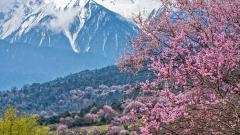
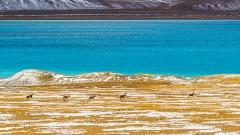
For adventurous souls looking to visit Tibet as part of a larger trans-Himalayan expedition, fifteen days or more opens up incredible possibilities. With this amount of time, you can combine the Everest Base Camp route with an exit through the Nepal border at Gyirong, effectively turning your trip into a cross-border adventure. Alternatively, you can explore the eastern regions, such as Nyingchi, known for its lush forests, peach blossoms in spring, and lower altitudes that make acclimatization easier. A longer itinerary also allows for deeper exploration of lesser-known monasteries, nomadic grasslands, and pristine lakes like Namtso, which requires a detour north of Lhasa. Fifteen days transforms your journey from a standard vacation into a comprehensive expedition, allowing you to absorb the diverse microclimates and cultural nuances of the plateau without constantly watching the clock.
Essential Logistics That Affect Your Schedule
When calculating how many days you need, you must account for administrative logistics. Foreign passport holders cannot travel independently; they must book through a registered travel agency and obtain a Tibet Travel Permit. Processing this permit generally takes around eight to fifteen business days, so while this does not add days to your actual time on the ground, it dictates when your trip can begin. Additionally, travel within the region relies heavily on road conditions. Distances that look short on a map can take hours to traverse due to winding mountain roads, speed limits enforced by police checkpoints, and seasonal weather disruptions. Winter months may close certain high passes, forcing detours that add travel time. Therefore, padding your itinerary with flexible rest days is a practical strategy rather than a luxury.
Choosing the Right Duration for Your Goals
Ultimately, deciding how long to stay depends entirely on what you hope to achieve when you visit Tibet. If your primary interest lies in architecture, history, and religious culture, a five-day Lhasa-focused trip will satisfy your curiosity. If you crave dramatic landscapes and the thrill of standing at the roof of the world, commit to at least eight days to reach Everest safely. For those seeking a transformative physical challenge and spiritual journey, allocate two weeks for Mount Kailash. Remember that the plateau rewards patience. Rushing through high altitudes leads to headaches and exhaustion, whereas moving slowly allows you to truly appreciate the stark beauty, the vibrant prayer flags fluttering in the wind, and the profound hospitality of the local people. Plan carefully, respect the altitude, and choose an itinerary length that aligns with both your ambitions and your physical readiness.